Jaeger-LeCoultre’s Legacy: Innovations That Shaped Modern Watches
For nearly two centuries, Jaeger-LeCoultre has quietly rewritten the rules of watchmaking, introducing inventions whose influence extends far beyond the walls of its manufactur
There are watch brands that make beautiful timepieces. Then there are watchmakers that quietly alter the course of horological history while everyone else scrambles to catch up. Jaeger-LeCoultre belongs firmly in the second camp. It has never been the loudest voice in the room, nor the flashiest. Instead, tucked away in the Vallée de Joux, it has spent nearly two centuries behaving rather like the clever chap in the back of the classroom who rarely speaks, yet somehow ends up solving every impossible equation before lunch. From creating instruments capable of measuring impossibly tiny tolerances to engineering clocks that seem to ignore the laws of physics altogether, Jaeger-LeCoultre’s greatest creations have rarely been about showing off. They’ve been about proving what mechanical watchmaking could become. Here are six innovations that didn’t merely impress collectors, they fundamentally reshaped modern horology.
Millionomètre – The Instrument That Measured The Impossible
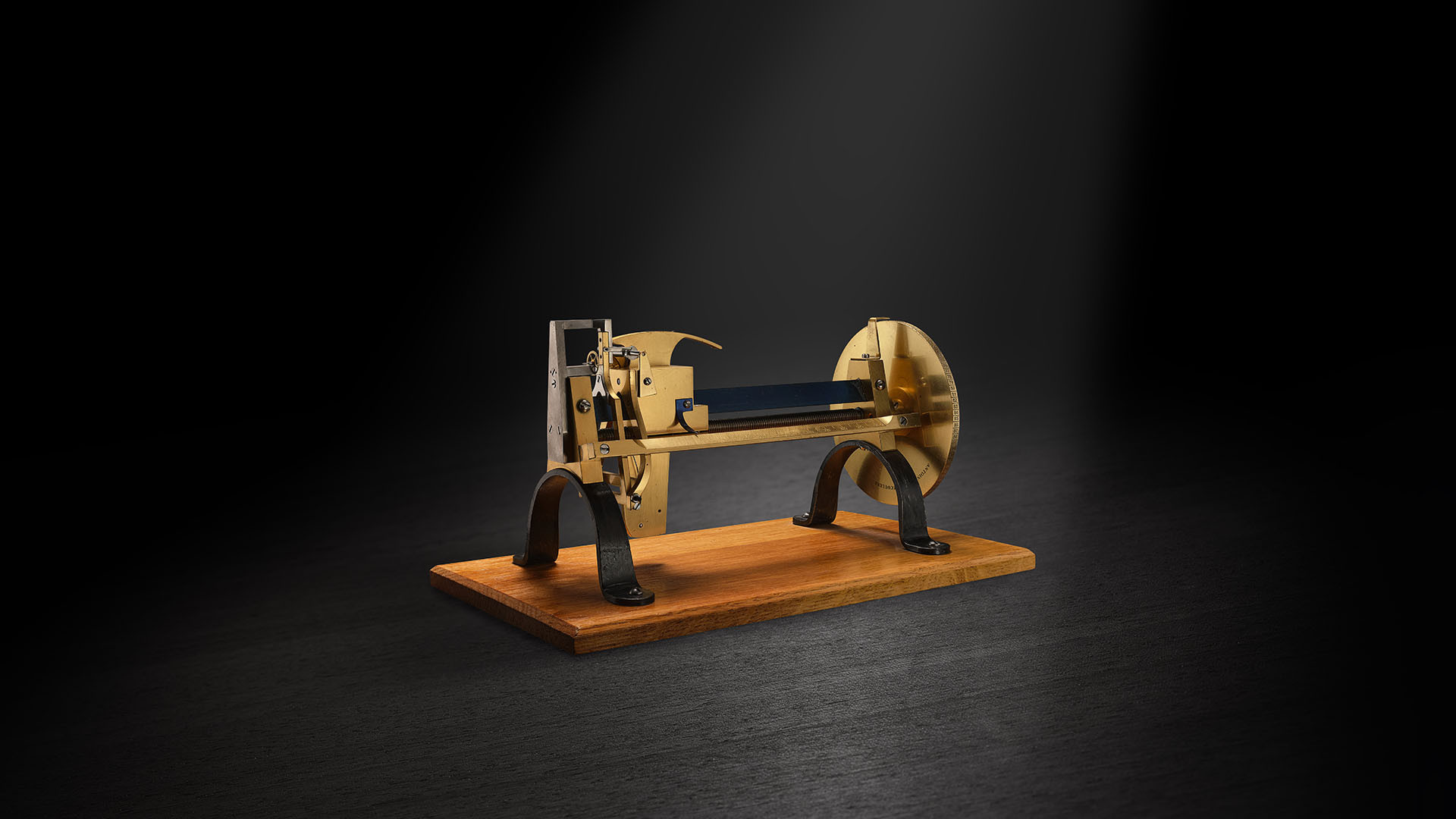
Long before precision became a marketing slogan, Jaeger-LeCoultre was already chasing it with scientific obsession. In 1844, founder Antoine LeCoultre developed the Millionomètre, the world’s first instrument capable of measuring components to within a micron, or one millionth of a metre. At a time when such tolerances were considered almost unimaginable, the invention revolutionised movement manufacturing, allowing watchmakers to produce components with unprecedented consistency. Modern haute horlogerie owes much of its precision to this extraordinary measuring device.
Also Read: Jaeger-LeCoultre Duometre Heliotourbillon Perpetual in Platinum: Features, Design Unveiled
Atmos Clock – The Clock That Lives On Thin Air
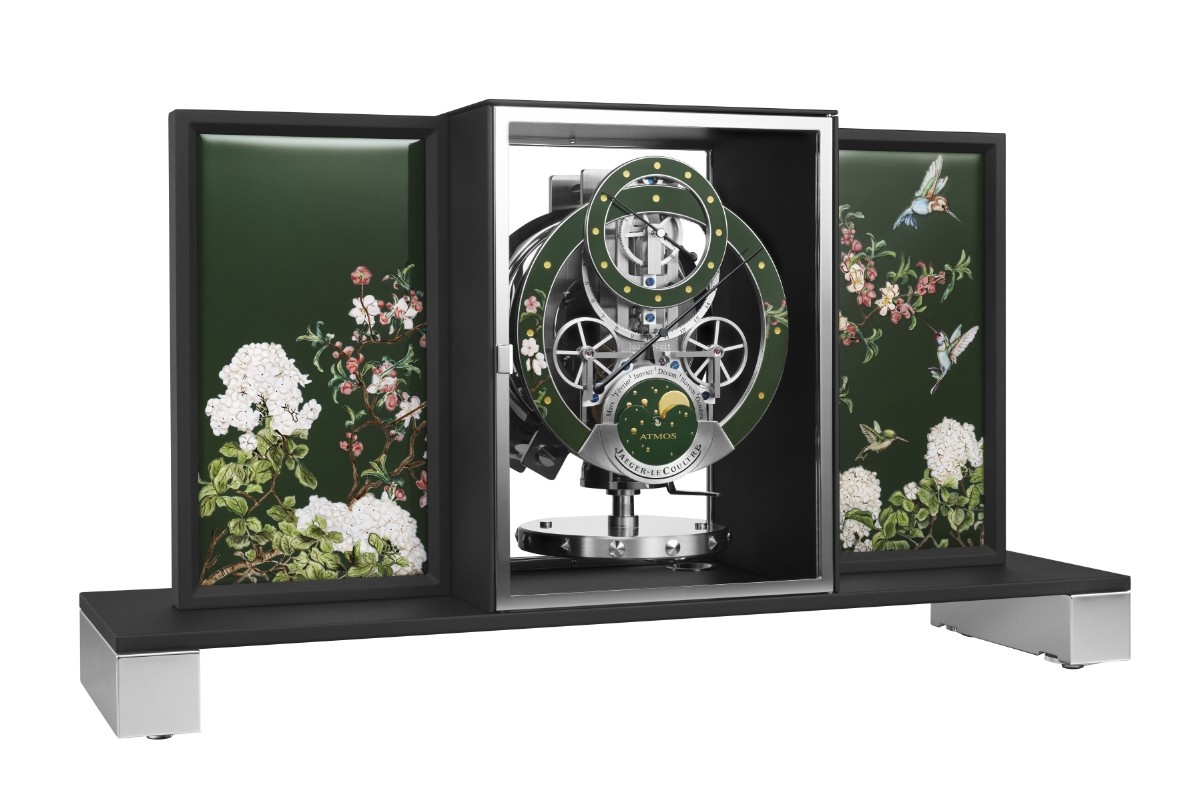
The Atmos Clock remains one of the greatest engineering marvels ever created. Rather than relying on batteries or regular winding, it draws energy from tiny fluctuations in ambient temperature and atmospheric pressure. A change of just one degree Celsius provides enough power to keep the clock running for almost two days. With an incredibly slow-moving balance wheel oscillating only twice a minute, the Atmos consumes remarkably little energy, allowing it to operate almost indefinitely. It isn’t simply a clock. It’s mechanical poetry powered by the environment itself.
Futurematic – The Automatic Watch That Refused To Be Ordinary
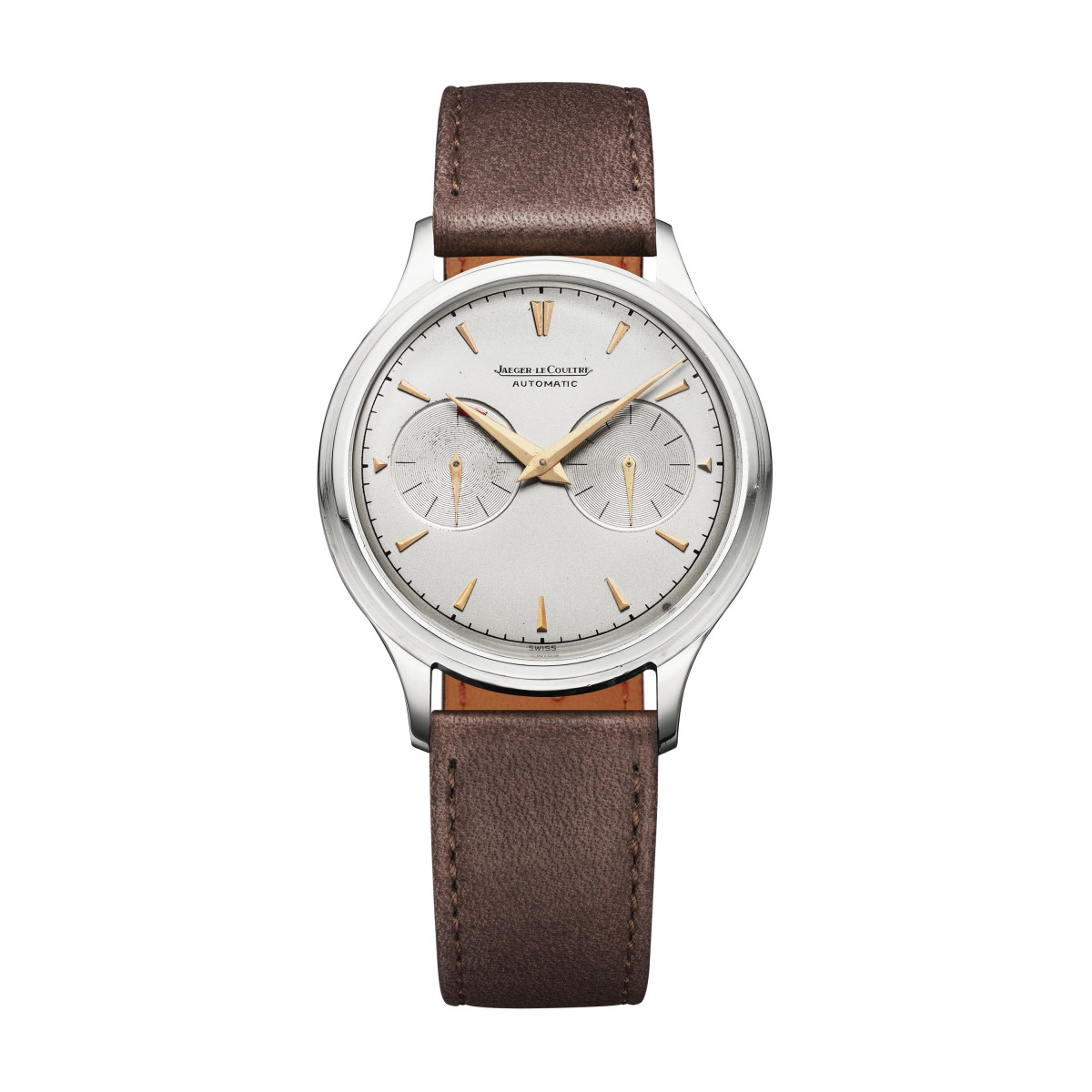
Introduced in 1953, the Futurematic challenged almost every convention of automatic watchmaking. Most notably, it eliminated the traditional winding crown altogether. Since manual winding was impossible, the watch relied entirely on its self-winding mechanism while displaying an innovative power reserve indicator to reassure the wearer. It also featured an automatic stop system that prevented the movement from running when power became critically low, improving accuracy. Even today, the Futurematic remains one of the boldest examples of unconventional watch engineering.
Memovox – The Alarm That Changed Mechanical Watches
When Jaeger-LeCoultre introduced the Memovox in 1950, it gave mechanical watches something remarkably useful: a voice. Using an internal hammer striking a resonating caseback, the watch produced an audible alarm that could remind its owner of appointments, departures or important tasks. It soon found favour among travellers, businessmen and even divers, with later versions capable of sounding underwater. The Memovox proved that complications didn’t have to be decorative; they could genuinely improve everyday life.
Also Read: Watch Lug Width vs. Lug-to-Lug: What’s The Difference?
Gyrotourbillon – Reinventing The Tourbillon
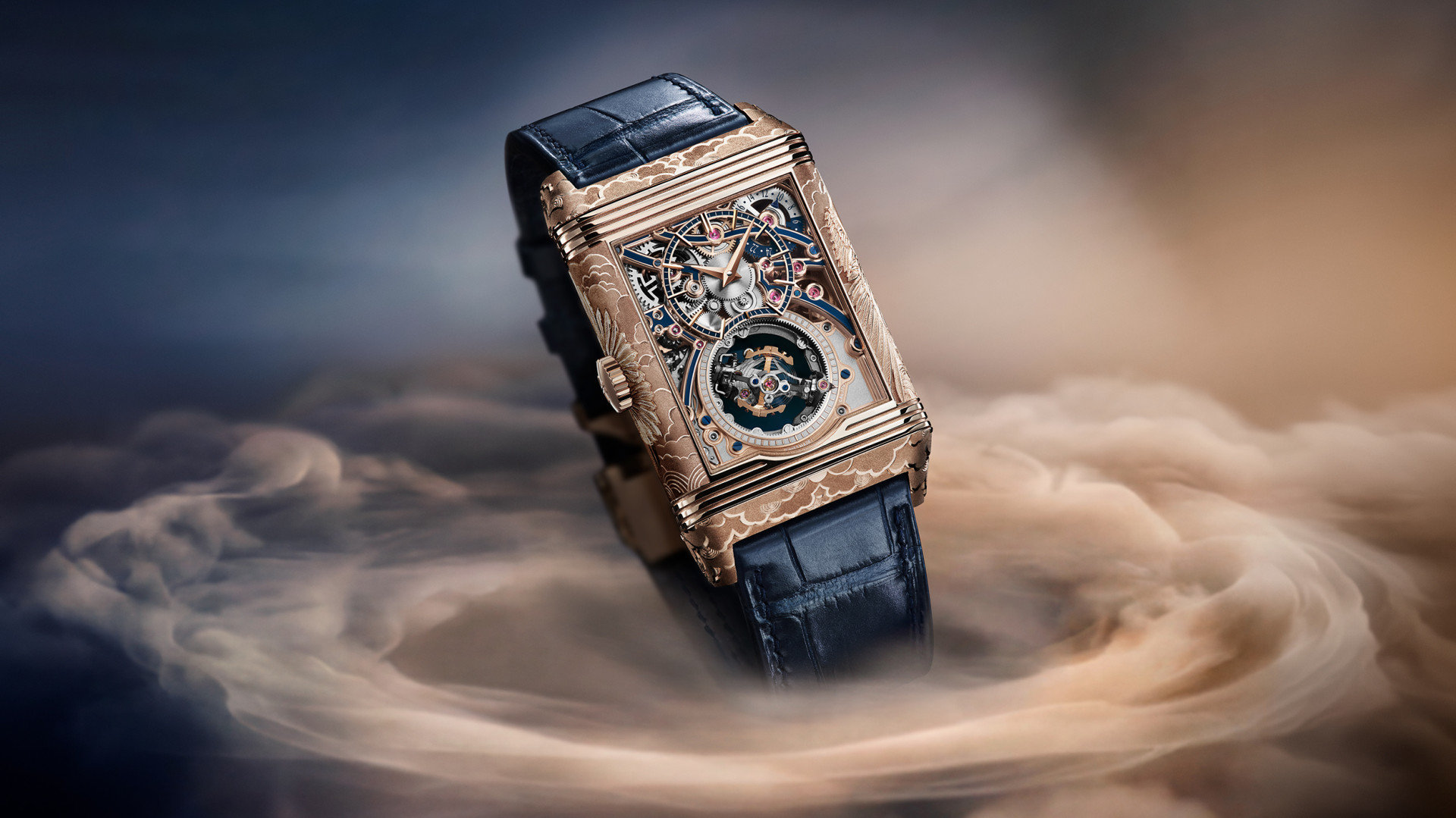
The Gyrotourbillon, unveiled in 2004, took one of watchmaking’s oldest complications and transformed it into something extraordinary. Rather than rotating on a single axis like a conventional tourbillon, Jaeger-LeCoultre engineered a multi-axis system that continuously changes the balance wheel’s position in three-dimensional space. The result is improved chronometric performance regardless of wrist position, while creating one of the most mesmerising mechanical displays in modern horology. It remains a technical masterpiece that pushed the boundaries of what a tourbillon could achieve.
Calibre 101 – Tiny Movement, Monumental Achievement
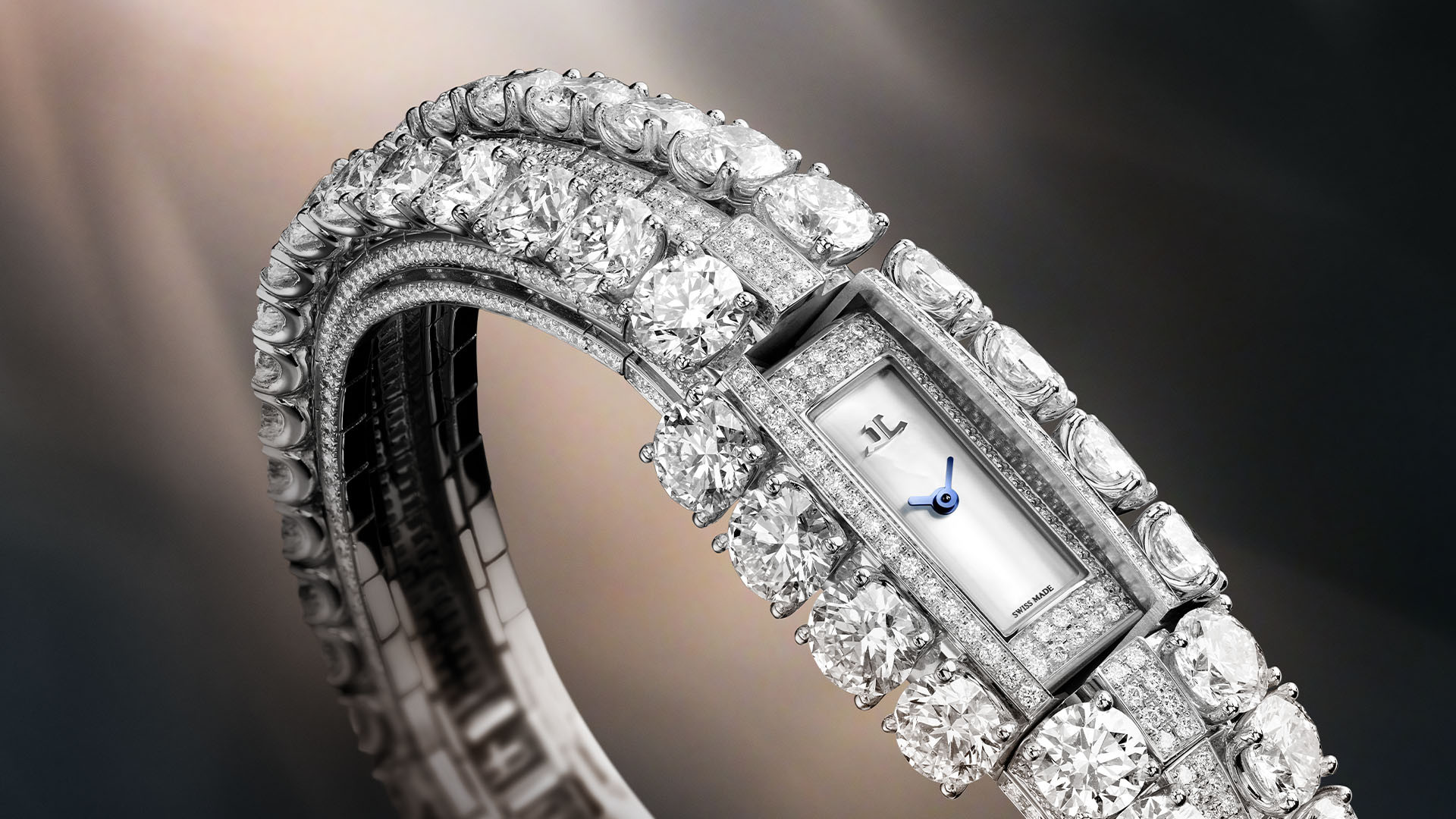
Introduced in 1929, Calibre 101 remains one of the smallest mechanical movements ever produced. Weighing barely a gram and containing nearly one hundred components, it allowed watchmakers to create elegant jewellery watches without sacrificing mechanical sophistication. Its remarkable dimensions have made it a favourite for high jewellery creations, most famously adorning the watch presented to Queen Elizabeth II during her Coronation in 1953. Nearly a century later, it remains a triumph of miniaturisation that few manufactures have managed to equal.
The Watchmaker Behind The World’s Greatest Watchmakers
Many brands have produced iconic watches. Very few have produced ideas that changed how the entire industry builds them. From microscopic precision instruments and clocks that run on fresh air to alarm watches, crownless automatics and multi-axis tourbillons, Jaeger-LeCoultre has spent generations quietly solving problems that nobody else had even thought to ask. Which perhaps explains why it’s often called the watchmaker’s watchmaker. Because while others perfected watches, Jaeger-LeCoultre repeatedly reinvented what a watch could be.