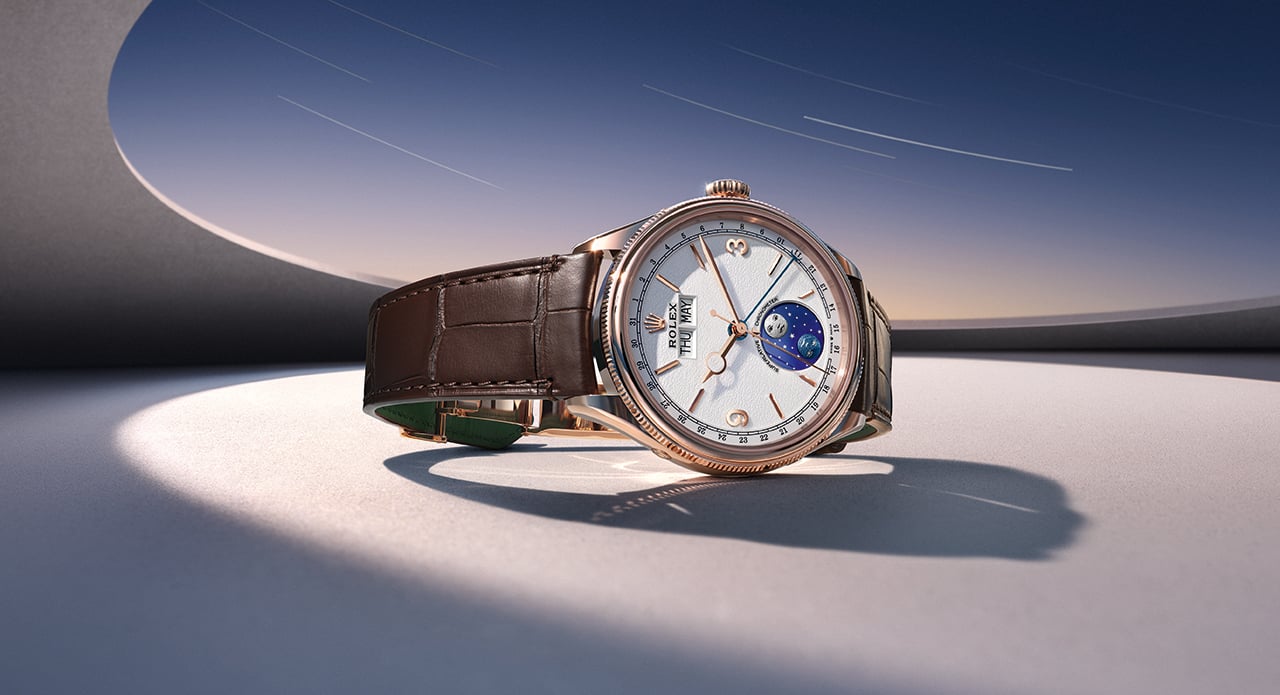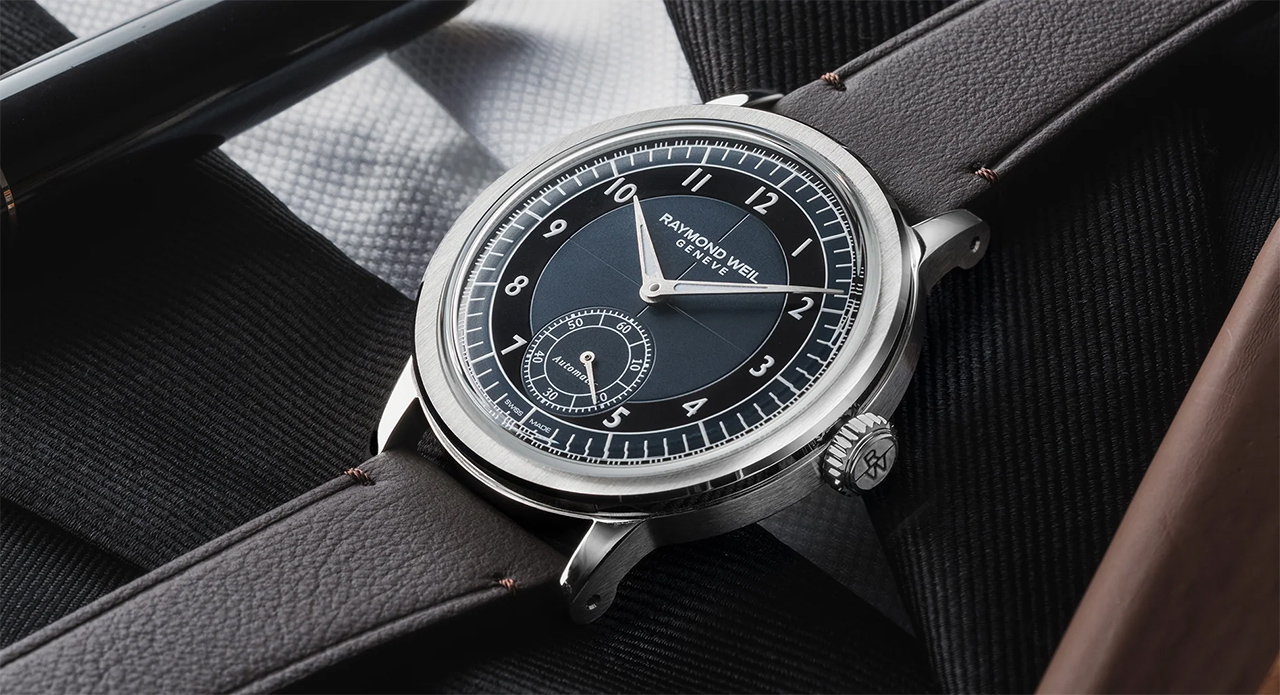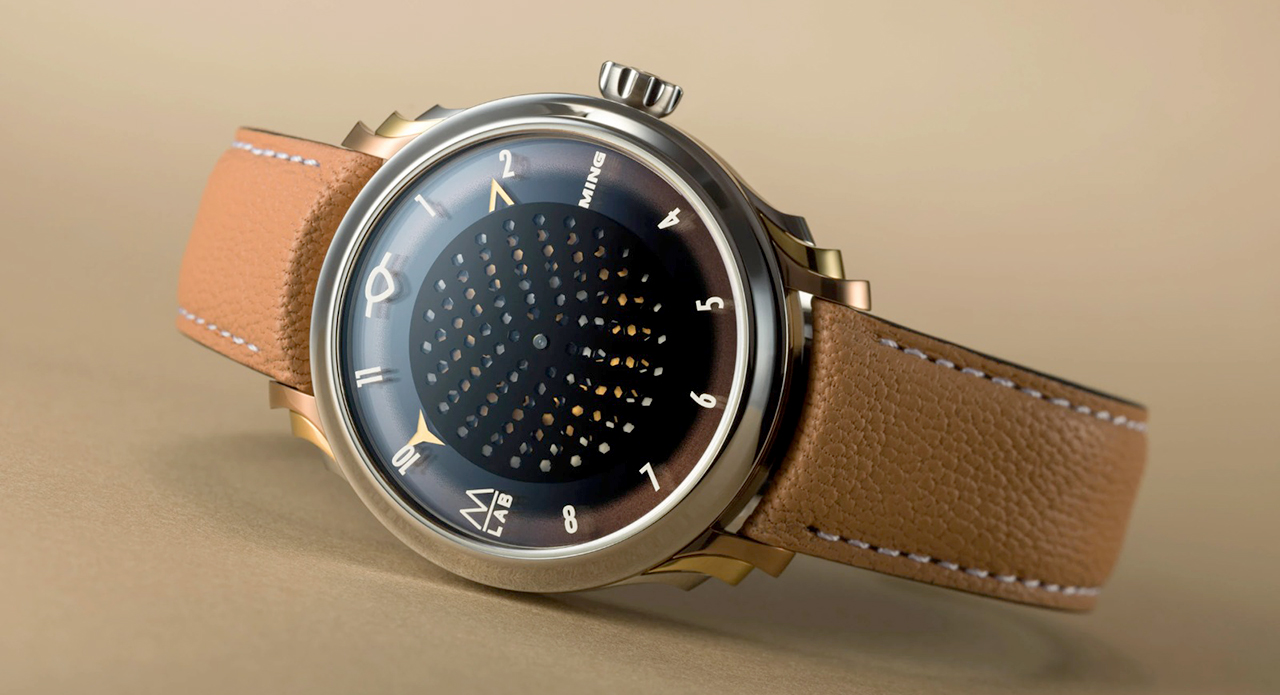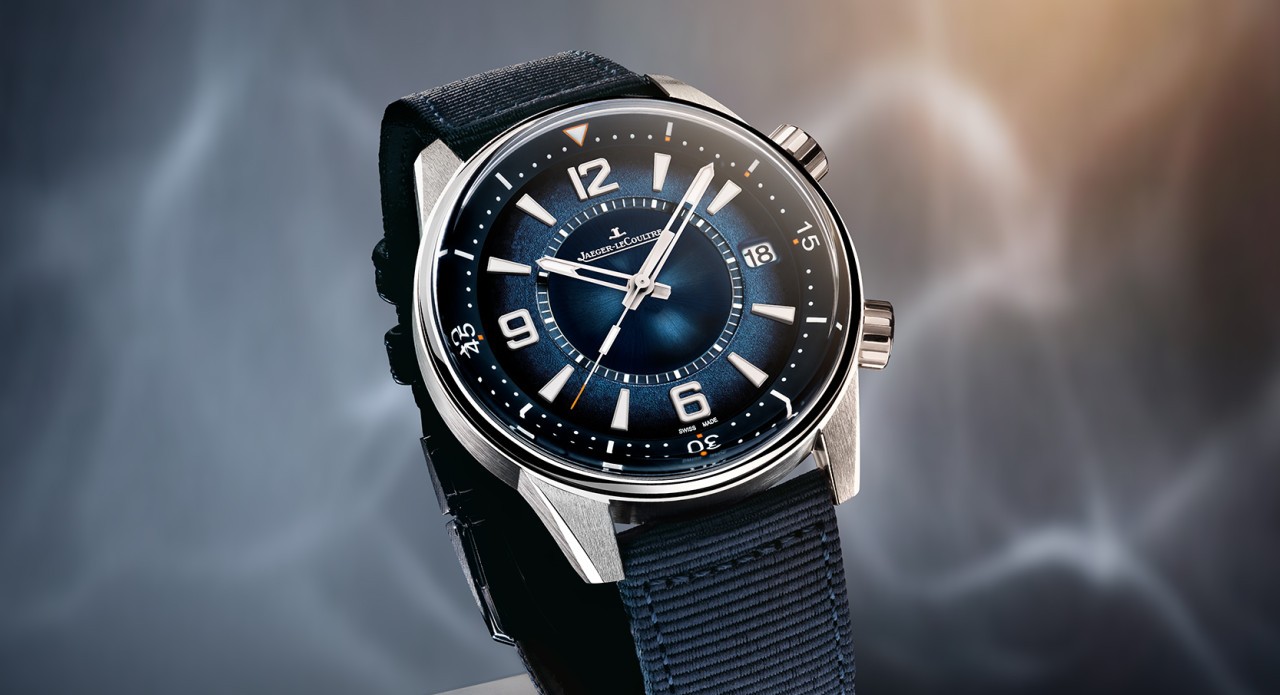
Every watch begins and ends with its lugs, the small projections that secure the strap while quietly defining comfort, balance and proportion

Watch Lug Width vs. Lug-to-Lug: What’s The Difference?

Every watch begins and ends with its lugs, the small projections that secure the strap while quietly defining comfort, balance and proportion

13 July 2026 01:46 PM

There was a time when buying a watch was gloriously uncomplicated. You walked into a boutique, glanced at the display, strapped one onto your wrist and either smiled or quietly handed it back. Today, however, every enthusiast arrives armed with spreadsheets, digital calipers and enough measurements to launch a satellite. Thirty-eight millimetres, forty-two millimetres, case thickness, bezel diameter, bracelet taper… and then come two terms that confuse even seasoned collectors: lug width and lug to lug. They sound suspiciously similar, but treat them as the same thing and you might end up buying a watch that either refuses to accept your favourite strap or hangs off your wrist like a dinner plate. In reality, one determines what your watch can wear, while the other determines how you wear the watch.

Lug Width: The Measurement That Chooses Your Strap
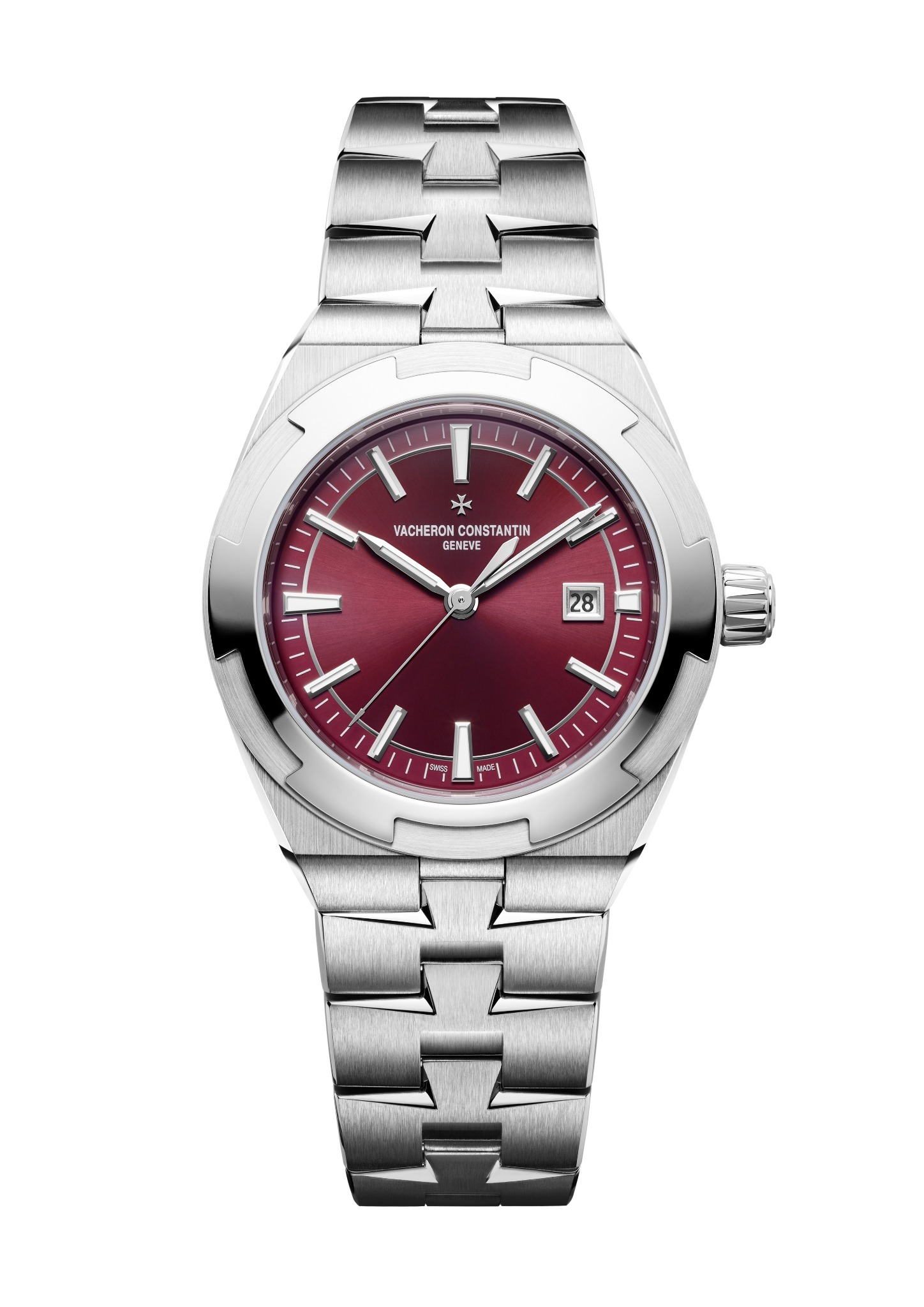
There was a time when buying a watch was gloriously uncomplicated. You walked into a boutique, glanced at the display, strapped one onto your wrist and either smiled or quietly handed it back. Today, however, every enthusiast arrives armed with spreadsheets, digital calipers and enough measurements to launch a satellite. Thirty-eight millimetres, forty-two millimetres, case thickness, bezel diameter, bracelet taper... and then come two terms that confuse even seasoned collectors: lug width and lug to lug. They sound suspiciously similar, but treat them as the same thing and you might end up buying a watch that either refuses to accept your favourite strap or hangs off your wrist like a dinner plate. In reality, one determines what your watch can wear, while the other determines how you wear the watch. Lug Width: The Measurement That Chooses Your Strap Lug width refers to the distance between the two lugs where the strap or bracelet attaches to the case. Measured in millimetres, it determines exactly what size strap your watch requires. Common lug widths include 18mm, 20mm, 21mm and 22mm, and even a difference of a single millimetre can mean the difference between a perfect fit and a strap that simply will not fit at all. For enthusiasts who enjoy changing leather, rubber or NATO straps, lug width is arguably one of the most important specifications to know before making any purchase. Lug to Lug: The Number That Decides Comfort While case diameter often grabs the headlines, lug to lug is the measurement that quietly decides whether a watch actually suits your wrist. It measures the total distance from the tip of the upper lug to the tip of the lower lug. This determines how much of your wrist the watch occupies. A watch with a modest 39mm case can feel surprisingly large if it stretches to a 52mm lug-to-lug measurement, while a 42mm watch with compact lugs may wear beautifully even on smaller wrists. Simply put, this is the figure that governs comfort, balance and everyday wearability. Why Case Diameter Doesn't Tell The Whole Story Many first-time buyers assume that case size alone determines how large a watch will feel. It doesn't. Two watches with identical 40mm cases can wear completely differently depending on their lug-to-lug dimensions. Long, straight lugs make a watch appear larger and flatter across the wrist, while short, curved lugs help the case wrap naturally around the arm. This explains why some vintage-inspired watches feel remarkably compact despite generous case diameters, while certain modern sports watches seem much larger than the numbers suggest. Which Measurement Matters More? The answer depends on what you're trying to achieve. If you're shopping for replacement straps or bracelets, lug width is the specification that matters most. If you're deciding whether a watch will suit your wrist before buying it, lug to lug becomes far more important than case diameter. Experienced collectors rarely judge a watch by one measurement alone. Instead, they consider case size, thickness, lug-to-lug length and lug width together to understand how the watch will both look and feel in everyday use. The Measurement Every Collector Eventually Learns Most collectors begin by obsessing over case diameter. Eventually, they realise that two numbers hiding quietly in the specification sheet tell a far more interesting story. Lug width determines how easily you can personalise your watch with different straps. Lug to lug determines whether you'll actually enjoy wearing it for hours at a time. Ignore either one, and you risk disappointment. Understand both, and you'll never again buy a watch that looks perfect in photographs but feels completely wrong on your wrist. After all, in watchmaking, the smallest measurements often make the biggest difference.

Lug width refers to the distance between the two lugs where the strap or bracelet attaches to the case. Measured in millimetres, it determines exactly what size strap your watch requires. Common lug widths include 18mm, 20mm, 21mm and 22mm, and even a difference of a single millimetre can mean the difference between a perfect fit and a strap that simply will not fit at all. For enthusiasts who enjoy changing leather, rubber or NATO straps, lug width is arguably one of the most important specifications to know before making any purchase.

Also Read: Different Watch Lug Styles Explained: Types, Designs And How They Affect Comfort

Lug to Lug: The Number That Decides Comfort
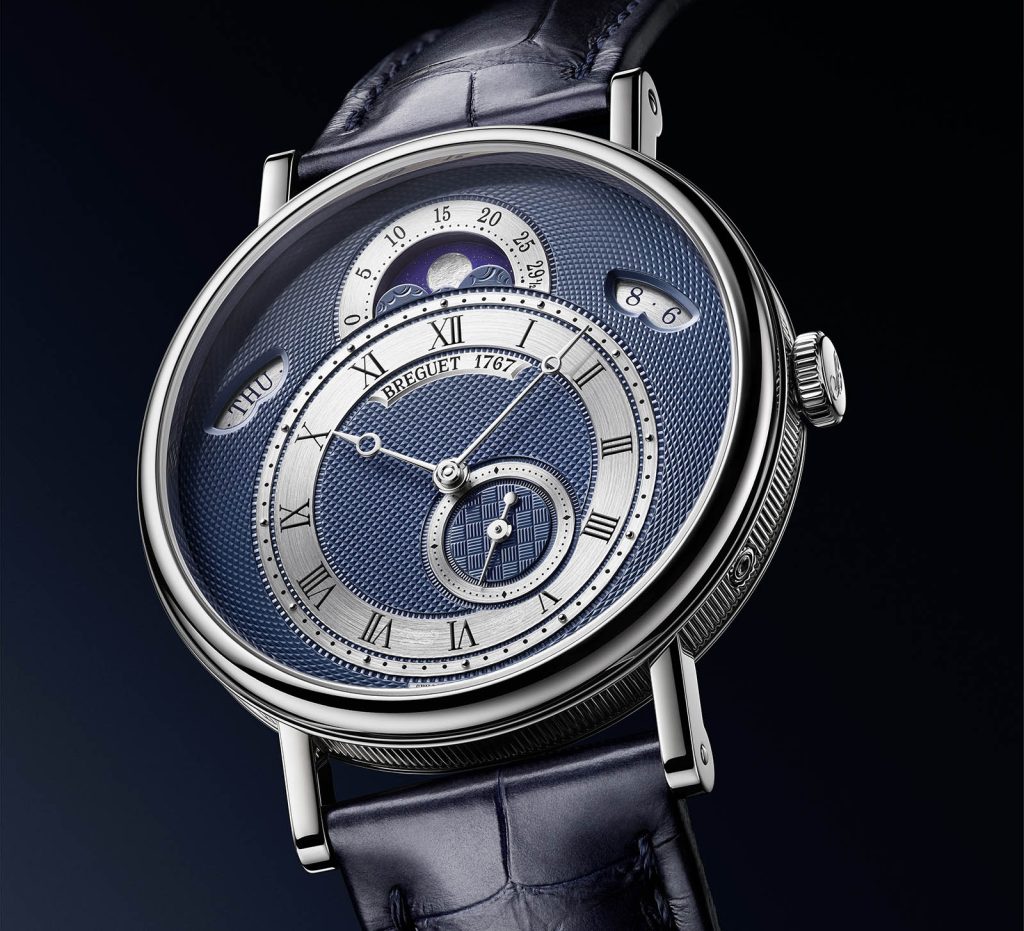
While case diameter often grabs the headlines, lug to lug is the measurement

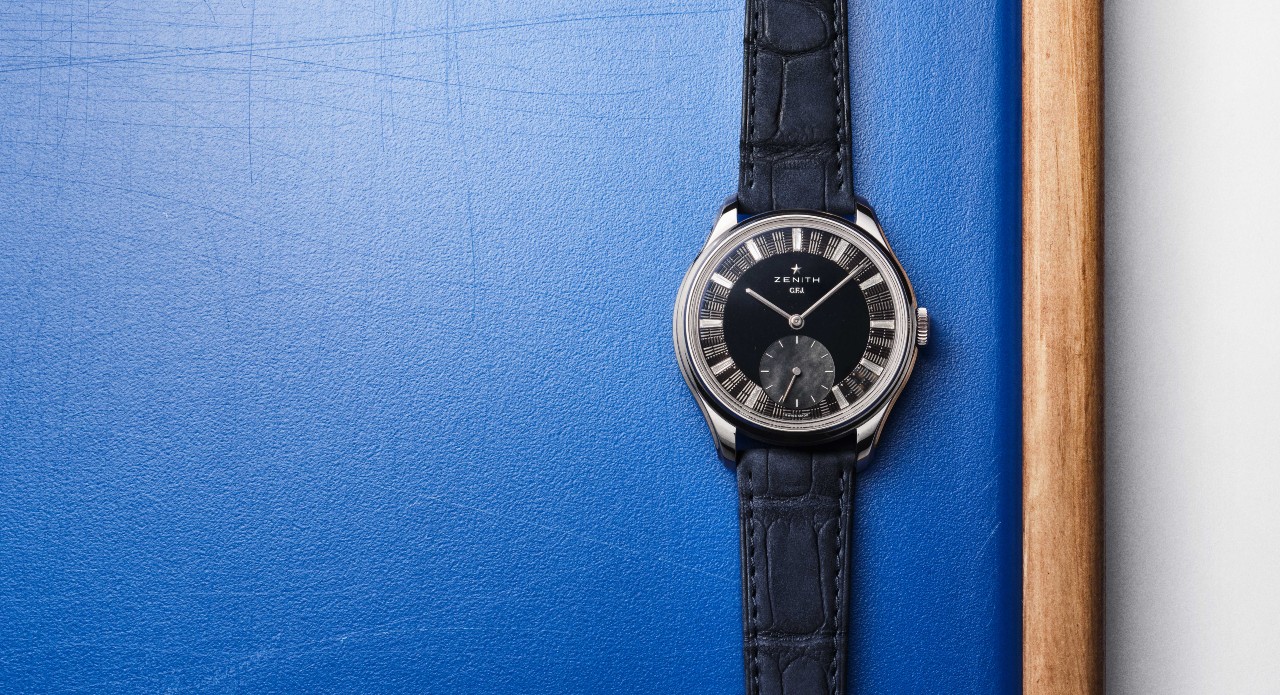
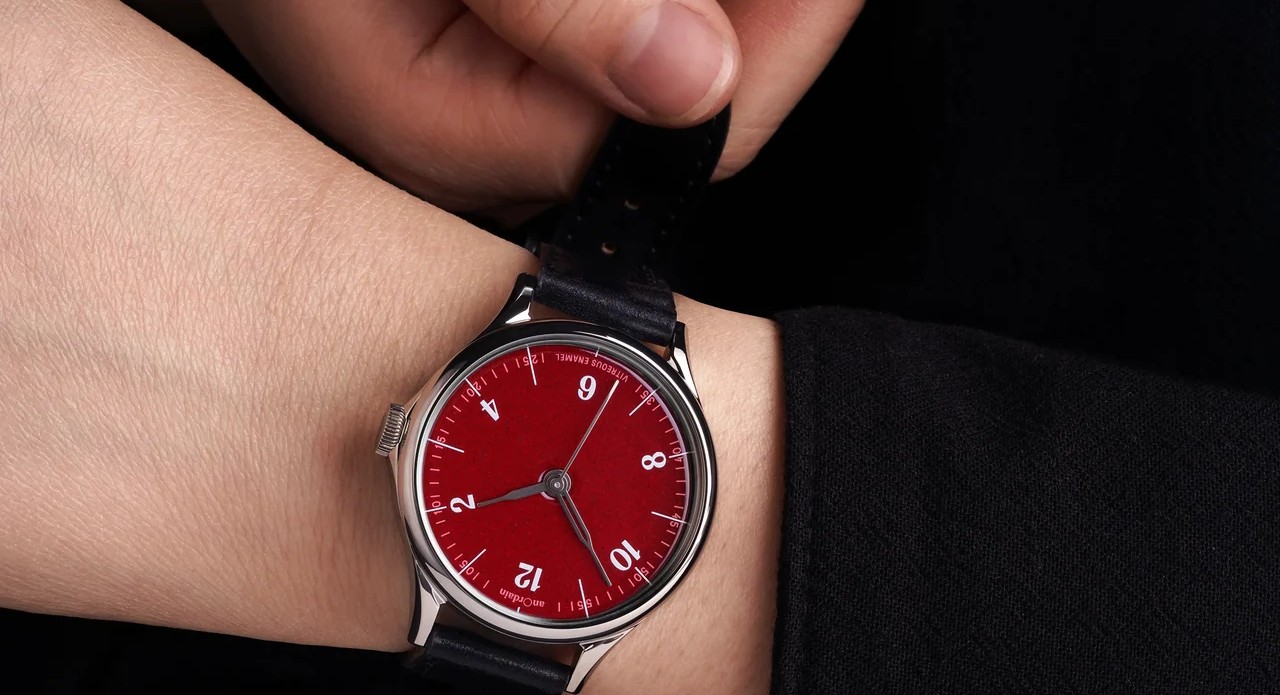
While case diameter often grabs the headlines, lug to lug is the measurement that quietly decides whether a watch actually suits your wrist. It measures the total distance from the tip of the upper lug to the tip of the lower lug. This determines how much of your wrist the watch occupies. A watch with a modest 39mm case can feel surprisingly large if it stretches to a 52mm lug-to-lug measurement, while a 42mm watch with compact lugs may wear beautifully even on smaller wrists. Simply put, this is the figure that governs comfort, balance and everyday wearability.

Why Case Diameter Doesn’t Tell The Whole Story
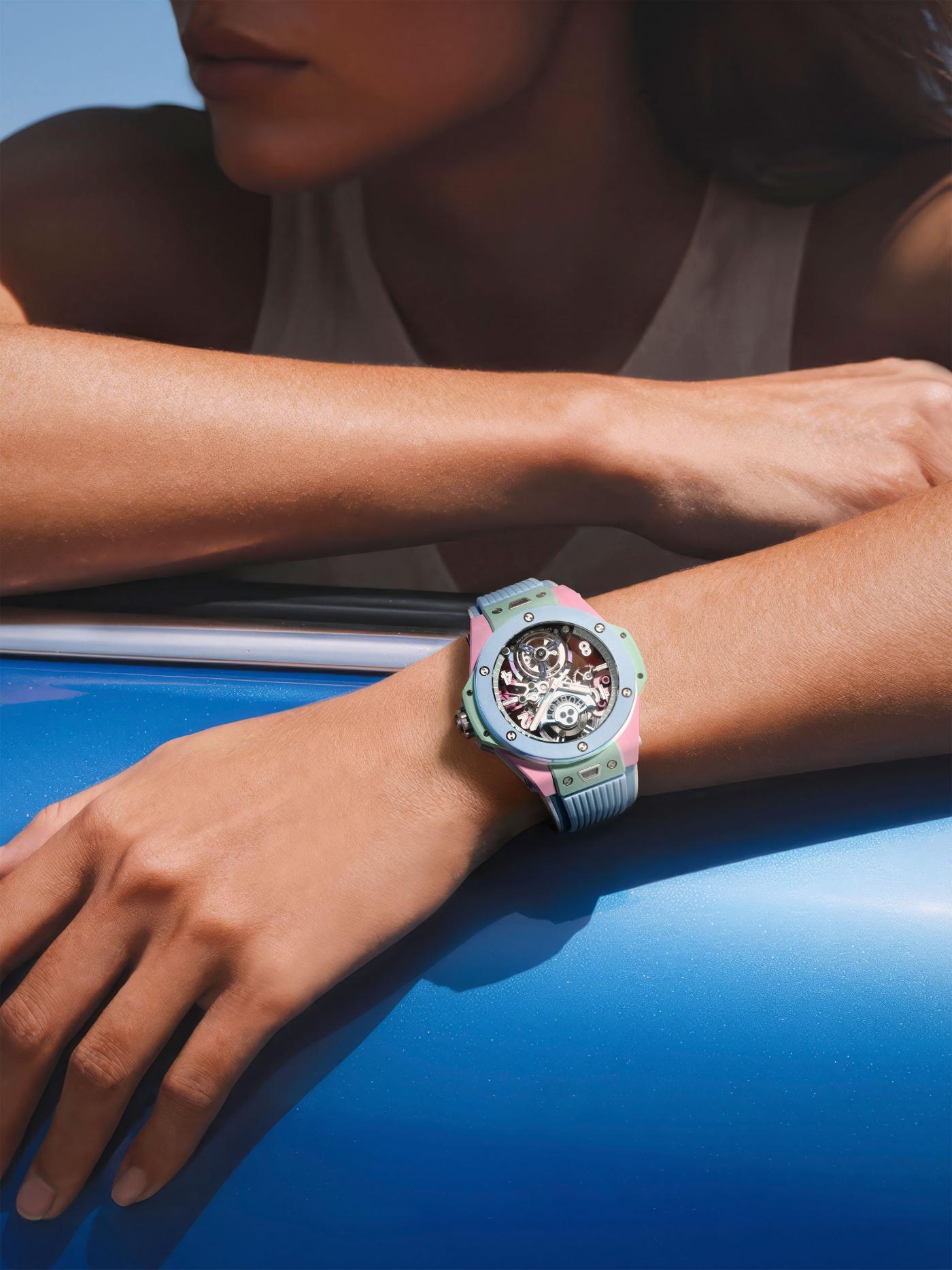
Many first-time buyers assume that case size alone determines how large a watch

Many first-time buyers assume that case size alone determines how large a watch will feel. It doesn’t. Two watches with identical 40mm cases can wear completely differently depending on their lug-to-lug dimensions. Long, straight lugs make a watch appear larger and flatter across the wrist, while short, curved lugs help the case wrap naturally around the arm. This explains why some vintage-inspired watches feel remarkably compact despite generous case diameters, while certain modern sports watches seem much larger than the numbers suggest.

Also Read: What Are Watch Lugs, Why They’re The Key To Perfect Fit And Timeless Design

Which Measurement Matters More?
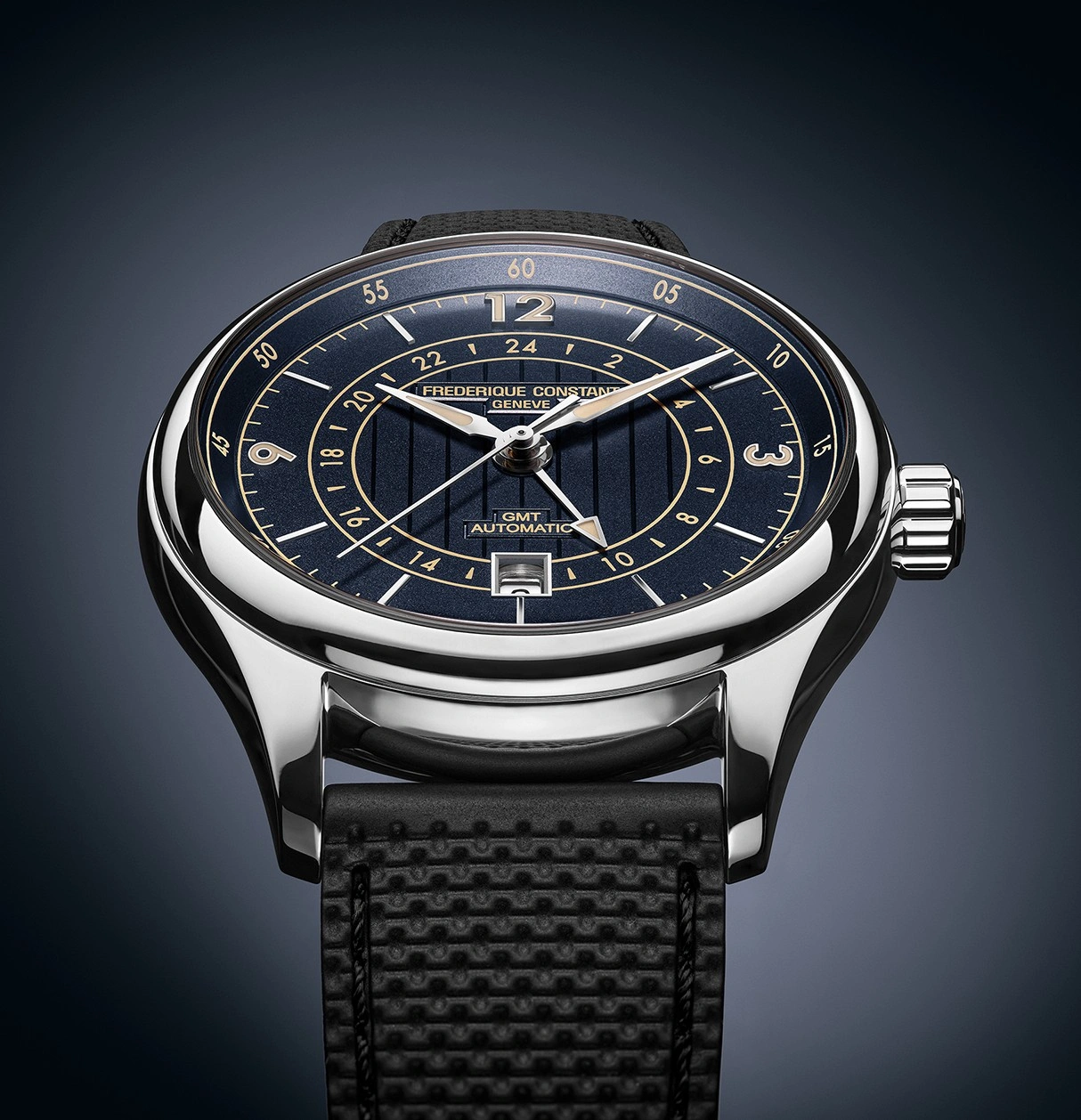
The answer depends on what you're trying to achieve

The answer depends on what you’re trying to achieve. If you’re shopping for replacement straps or bracelets, lug width is the specification that matters most. If you’re deciding whether a watch will suit your wrist before buying it, lug to lug becomes far more important than case diameter. Experienced collectors rarely judge a watch by one measurement alone. Instead, they consider case size, thickness, lug-to-lug length and lug width together to understand how the watch will both look and feel in everyday use.

The Measurement Every Collector Eventually Learns

Most collectors begin by obsessing over case diameter. Eventually, they realise that two numbers hiding quietly in the specification sheet tell a far more interesting story. Lug width determines how easily you can personalise your watch with different straps. Lug to lug determines whether you’ll actually enjoy wearing it for hours at a time. Ignore either one, and you risk disappointment. Understand both, and you’ll never again buy a watch that looks perfect in photographs but feels completely wrong on your wrist. After all, in watchmaking, the smallest measurements often make the biggest difference.
Published At:

Recent Stories

  1. The New Heirlooms: Why Contemporary Lockets Are Returning to Fine Jewellery
  2. Watch Lug Width vs. Lug-to-Lug: What’s The Difference?
  3. The Luxury Gadget Every Zodiac Sign Would Splurge On
  4. Spoilers Vs Wings: What’s the Difference And How They Work
  5. The Celebrity Looks That Defined Wimbledon 2026
  6. The Evolution of Luxury Sunglasses: Fashion, Craftsmanship and Wearable Art
  7. The Best Monochromatic Watches Every Collector Should Consider
  8. FIFA World Cup 2026: Brand USA Launches Travel Planning Hub For Global Fans
  9. Fendi’s Couture Homecoming Turns Rome Into the Season’s Most Powerful Runway
  10. Chef Deni Koswara’s Culinary Journey: From Charcoal Fires to House of Ming
  11. How Omega Shaped The Future Of Luxury Watchmaking
  12. Vacheron Constantin Innovations That Changed Horology
  13. Quiet Luxury Decor: Create A Timeless and Elegant Living Space
  14. Luxury Guest Room Ideas: Hospitality-Inspired Design For Elegant Homes
  15. Luxury Private Dining Clubs: The Exclusive Food Trend You Need to Know