Top Watches That Revolutionised The Watch Industry Forever
These groundbreaking timepieces didn't merely introduce new complications or designs. They rewrote the rules of horology and permanently altered the future of mechanical watchmaking
If you were to empty the world’s watch boxes onto one enormous table, you would find thousands of beautiful timepieces. Gold ones, steel ones, tiny ones, enormous ones, watches with tourbillons, perpetual calendars, minute repeaters and enough diamonds to blind a small village. Most are excellent. Some are magnificent. But very few actually changed anything. Every so often, however, a watch arrives that makes the entire industry stop what it’s doing and think, “Good heavens… why didn’t we think of that?” Suddenly everyone begins copying the design, borrowing the engineering or chasing the same idea. Within a decade, what once looked outrageous becomes the new normal. These are the watches that didn’t simply become bestsellers or collector favourites. They shifted the direction of horology itself, forcing competitors to rethink everything from waterproof cases and integrated bracelets to quartz technology and square chronographs. Without them, the watch industry we know today would look remarkably different.
Cartier Santos
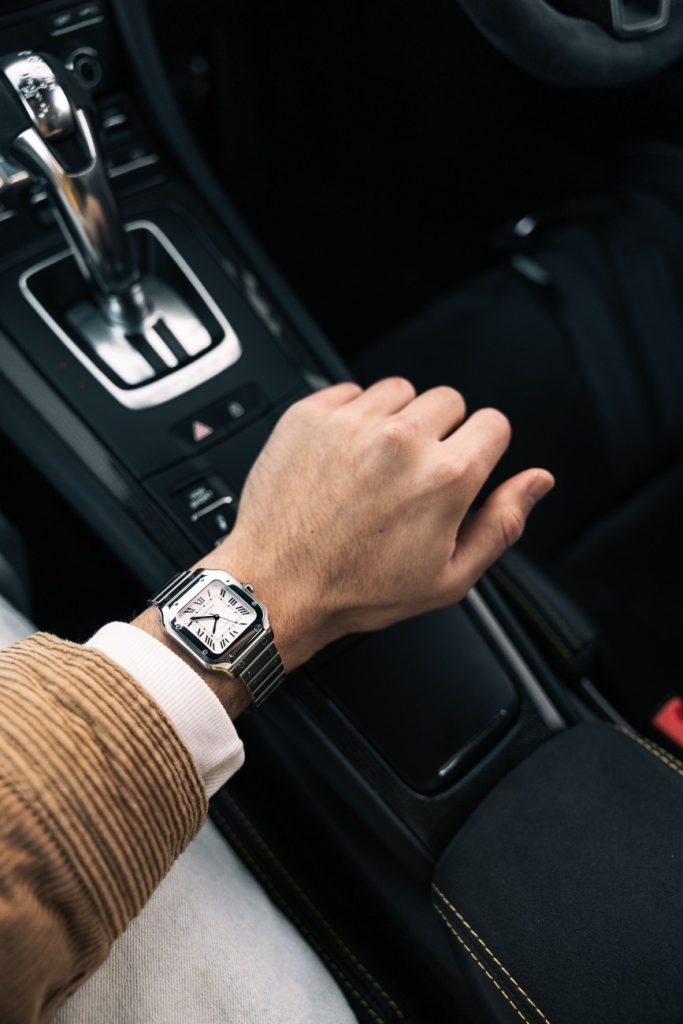
Long before wristwatches became fashionable, most gentlemen carried pocket watches. In 1904, Louis Cartier designed the Santos for Brazilian aviator Alberto Santos-Dumont, allowing him to read the time without removing a watch from his pocket while flying. It became one of the world’s first purpose-built wristwatches for men and helped transform wristwatches from novelty into necessity.
Also Read: Microbrands vs Independents: Which Deserves A Place In Your Watch Collection?
Patek Philippe Calatrava
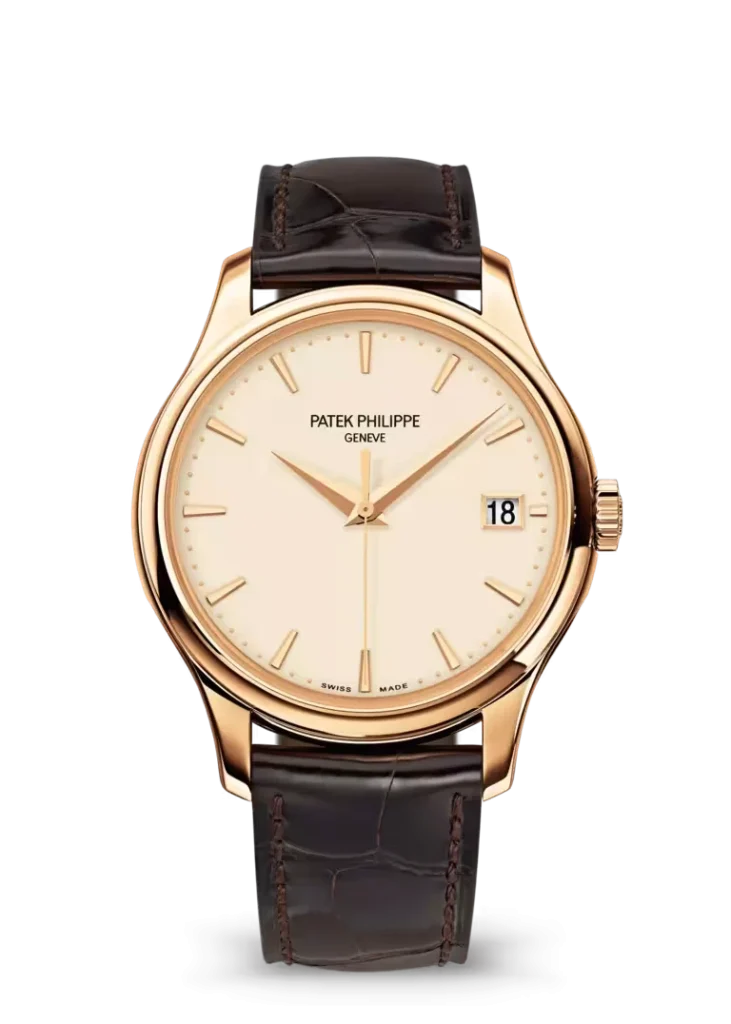
When the Calatrava debuted in 1932, it embraced the Bauhaus philosophy that form should follow function. Its perfectly balanced proportions, clean dial and restrained elegance established the visual formula for the modern dress watch. Decades later, countless manufacturers still follow the design principles first perfected by the Calatrava.
Blancpain Fifty Fathoms
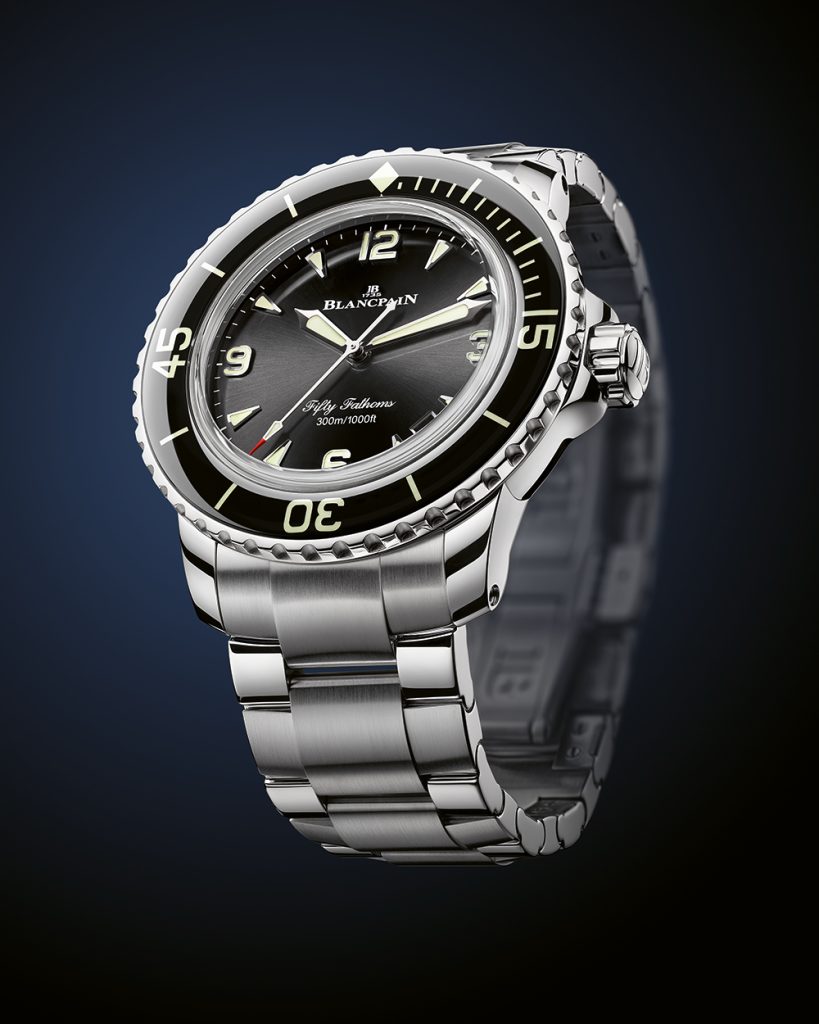
Although often overshadowed by later competitors, the Fifty Fathoms arrived before almost every modern dive watch. Designed in 1953 for French naval combat divers, it introduced the unidirectional rotating bezel, superior water resistance, exceptional legibility and anti-magnetic protection that would become essential features of professional diving watches. Nearly every dive watch produced since owes something to Blancpain’s original formula.
Also Read: Cartier Prize For Watchmaking Talents Of Tomorrow: Nurturing The Future Of Haute Horlogerie
Seiko Astron
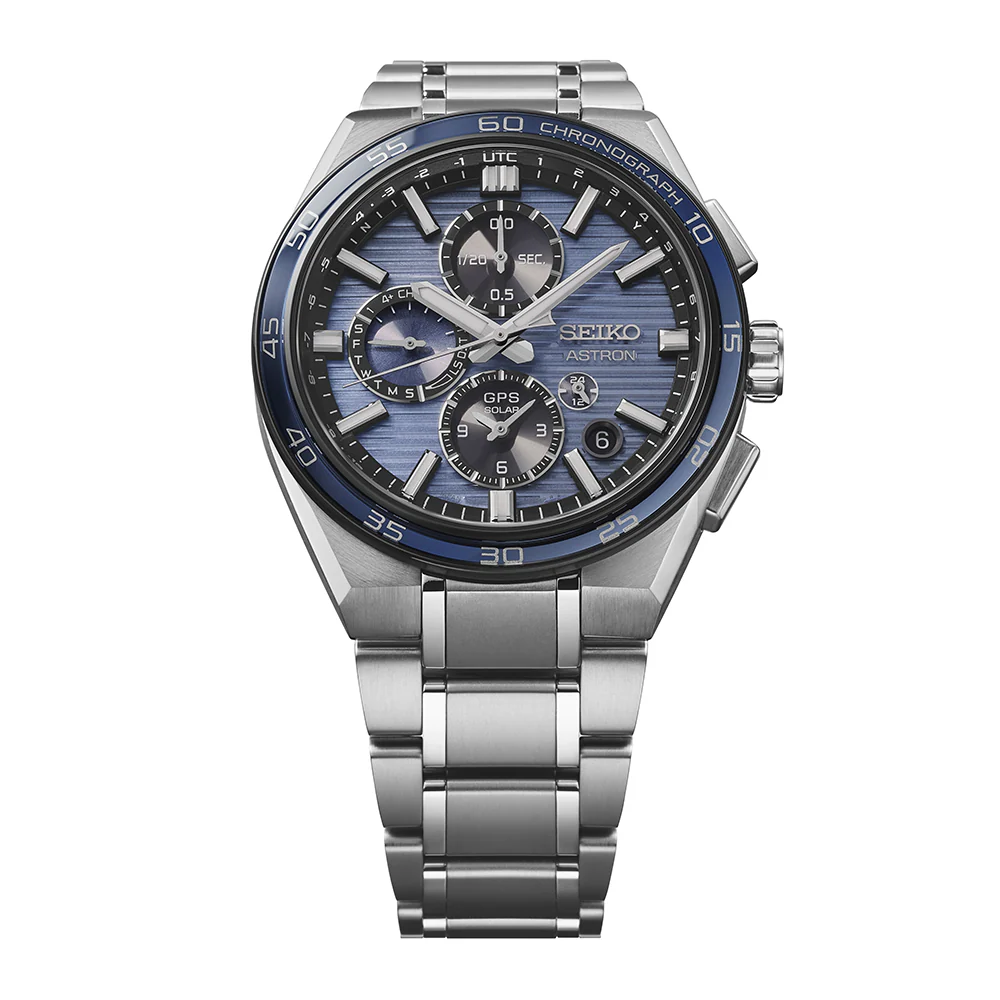
Christmas Day, 1969, Seiko introduced the Astron, the world’s first commercially available quartz wristwatch, forever changing the economics of watchmaking. Suddenly, watches became dramatically more accurate, affordable and easier to maintain than traditional mechanical movements. The resulting Quartz Crisis nearly destroyed the Swiss watch industry, forcing centuries-old manufacturers to reinvent themselves. No single watch has ever disrupted horology more profoundly.
TAG Heuer Monaco
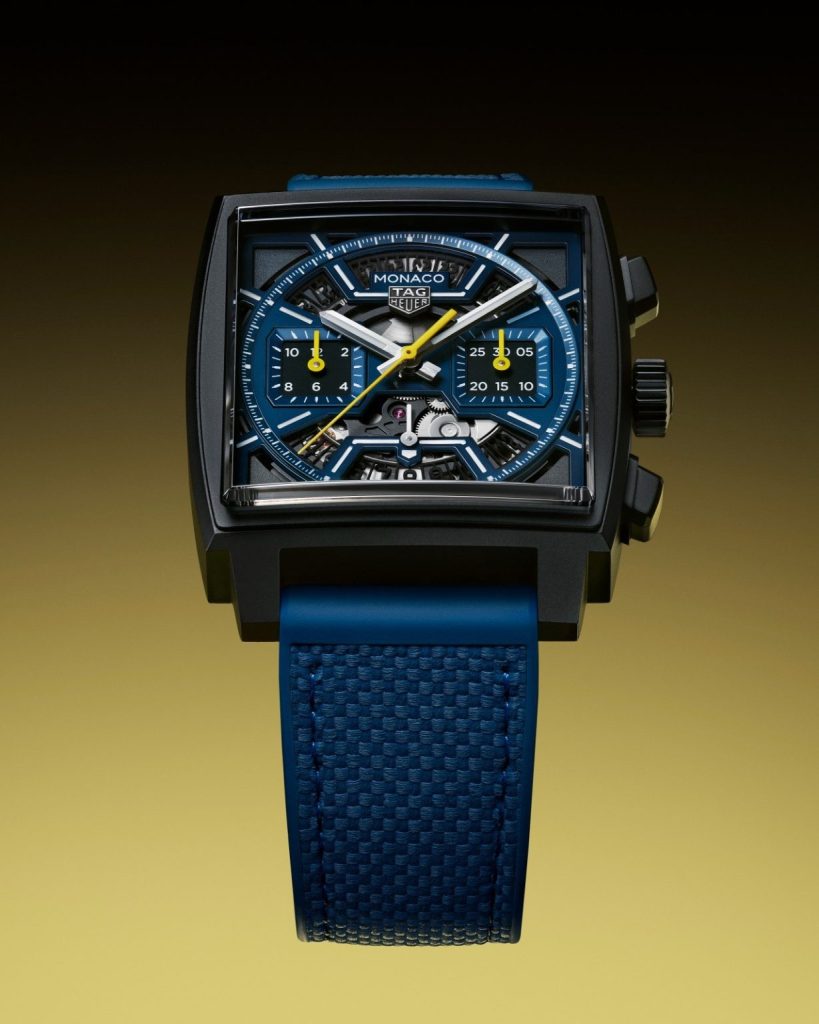
Launched in 1969, the Monaco challenged the belief that performance chronographs had to look conventional. Its bold square waterproof case, left-hand crown and automatic chronograph movement made it unlike anything else on the market. Later immortalised on the wrist of Steve McQueen in the film Le Mans, the Monaco became proof that unconventional design could become timeless.