Watch Components Nobody Ever Talks About: Hidden Parts That Matter Most
Behind every luxury timepiece lies a network of invisible components working tirelessly beneath the dial, proving that the most important parts of a watch are often the ones nobody ever sees
Spend enough time around watch enthusiasts and you’ll hear endless discussions about tourbillons, perpetual calendars, moon phases and skeleton dials. People will debate the merits of ceramic bezels versus aluminium ones until closing time at the pub. They’ll argue about case sizes, bracelet taper and whether a watch should be 39mm or 40mm as though civilisation depends on it. Yet beneath all that polished steel, sapphire crystal and marketing theatre lives a cast of unsung heroes. Tiny components, some no larger than a grain of rice, quietly ensuring your watch remains accurate, reliable and alive. They don’t appear on billboards. Brands rarely put them on posters. Most owners will never see them. And yet, remove any one of them, and your INR 60 lakh masterpiece becomes an expensive bracelet. Here are five watch components that deserve far more recognition than they receive.
The Mainspring: The Heartbeat Before The Heartbeat
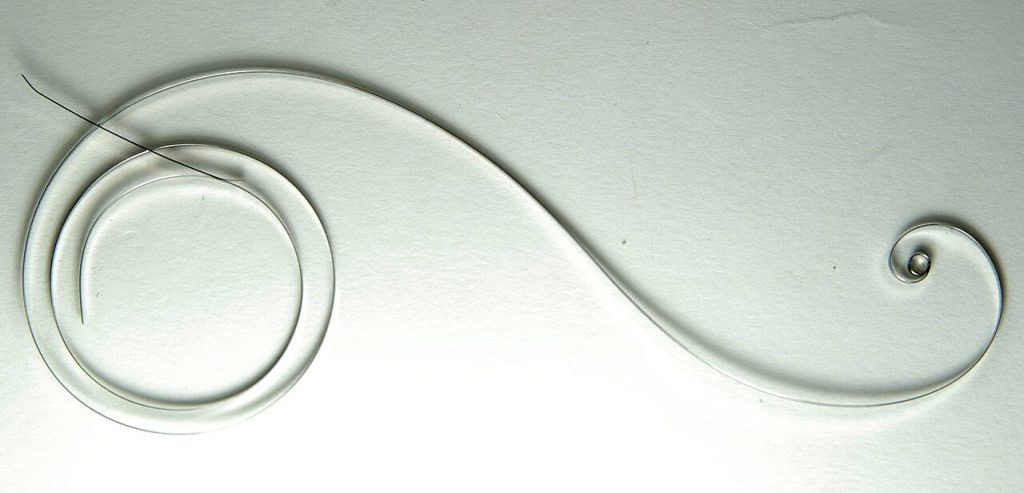
Everyone talks about power reserve. Eighty hours. Five days. Ten days. Wonderful. But very few people discuss the component responsible for storing all that energy in the first place: the mainspring. Housed inside the barrel, this tightly coiled strip of specialised metal acts as the watch’s fuel tank. Every turn of the crown or movement of the rotor winds the spring tighter, storing energy which is gradually released through the gear train. Modern mainsprings are engineering marvels. Made from advanced alloys designed to resist magnetism, fatigue and deformation, they provide more consistent torque than ever before. Without them, your beautifully finished movement would simply stop. No mainspring. No watch.
The Jewel Bearings: Tiny Rubies Doing Heavy Lifting
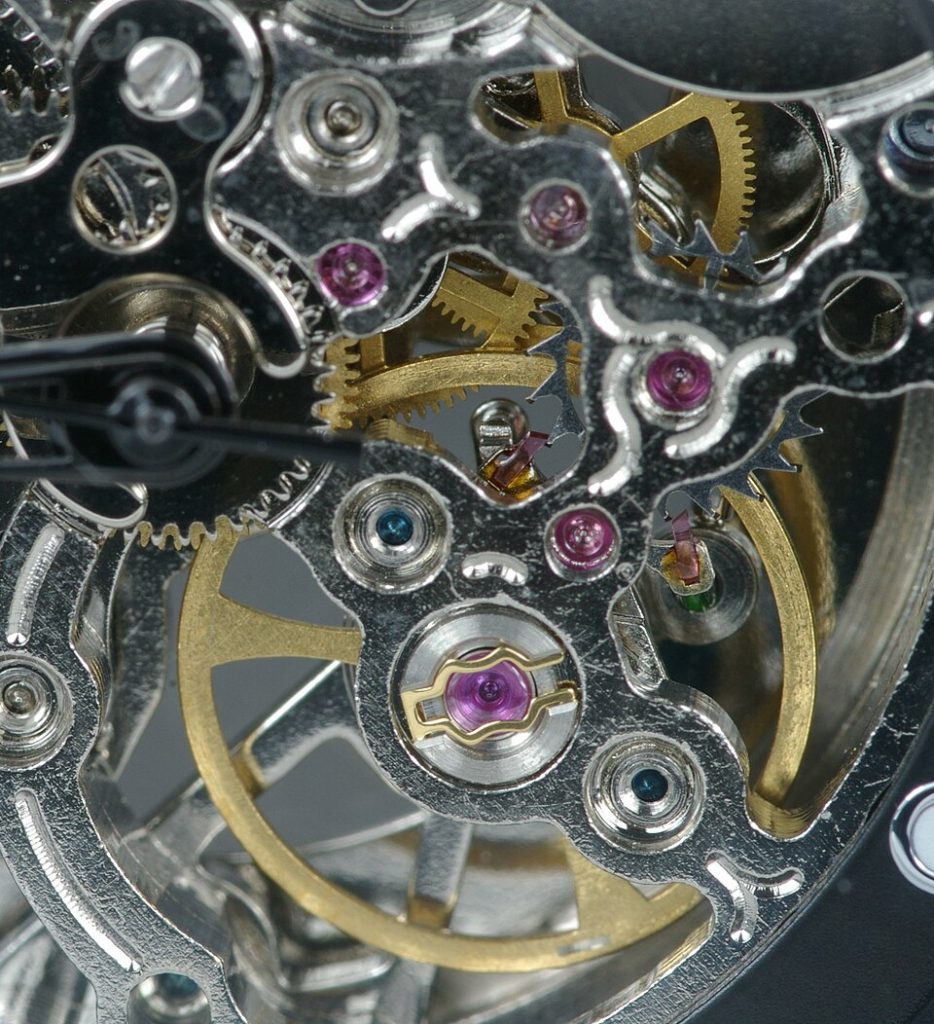
When a watchmaker proudly announces that a movement contains 31 jewels, most people nod politely without having the slightest idea why. The answer is friction. These synthetic ruby bearings support pivots throughout the movement, reducing wear between moving parts. Steel rubbing directly against brass creates friction, heat and eventual damage. Rubies solve that problem. They’re incredibly hard, remarkably durable and capable of surviving decades of continuous operation. You rarely see them. You almost never think about them. Yet they quietly protect the movement every second of every day.
Also Read: Rolex Marks 25 Years Of Excellence At THe Legendary 24 Hours of Le Mans
The Escape Wheel: The Traffic Controller Of Time
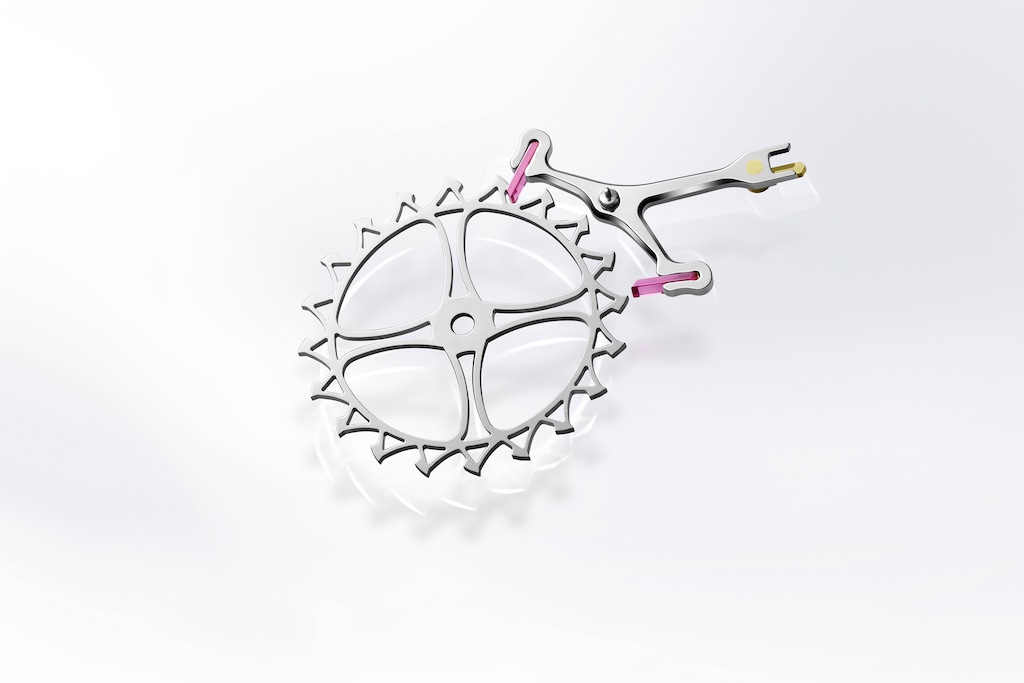
The balance wheel often receives all the attention because it’s visibly oscillating. But the escape wheel deserves equal credit. This tiny toothed wheel works alongside the pallet fork to release energy from the gear train in carefully measured intervals. Think of it as an extremely strict traffic controller regulating the flow of power through the movement. Too much energy and the watch races ahead. Too little and it loses time. The escape wheel’s precision is measured in microns. Modern versions are frequently crafted from silicon to improve efficiency and resist magnetism. Tiny component. Monumental responsibility.
The Shock Protection System: The Invisible Bodyguard
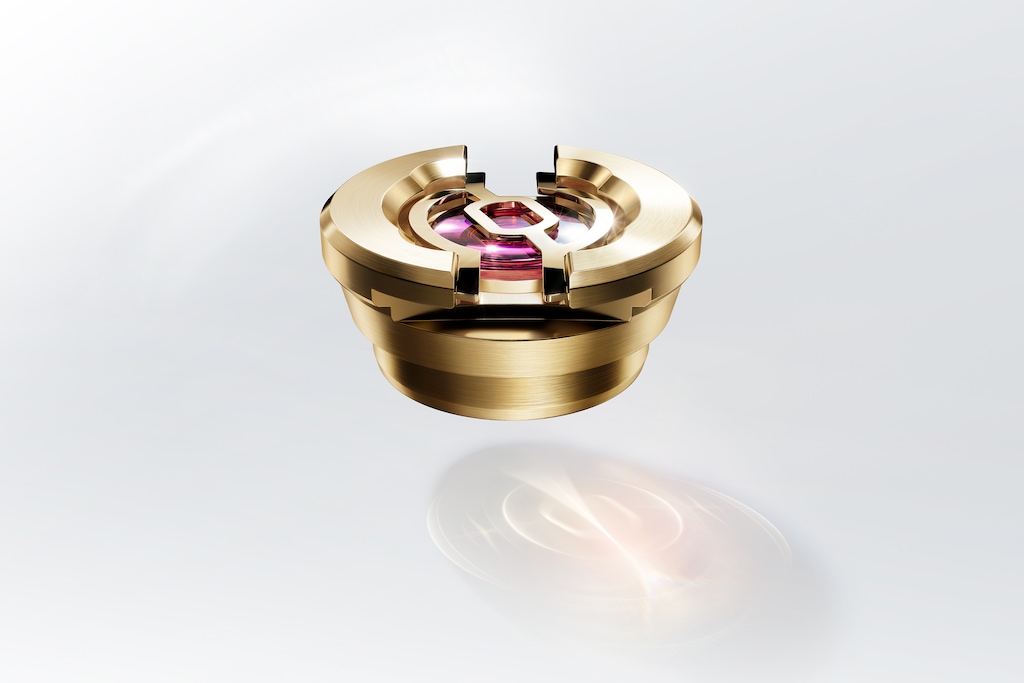
Drop a mechanical watch from waist height and several hundred delicate components suddenly experience forces they were never meant to encounter. Unless, of course, the watch has a proper shock protection system. Whether it’s Incabloc, KIF or a proprietary alternative, these spring-mounted mechanisms protect the balance staff during impacts. They allow critical components to move slightly under shock and then return to their original position. Without shock protection, one accidental knock against a door frame could send your luxury watch straight to the service centre.You will almost never see this component, but certainly appreciate it when you need it.
The Reversing Wheels: The Unsung Heroes Of Automatic Winding
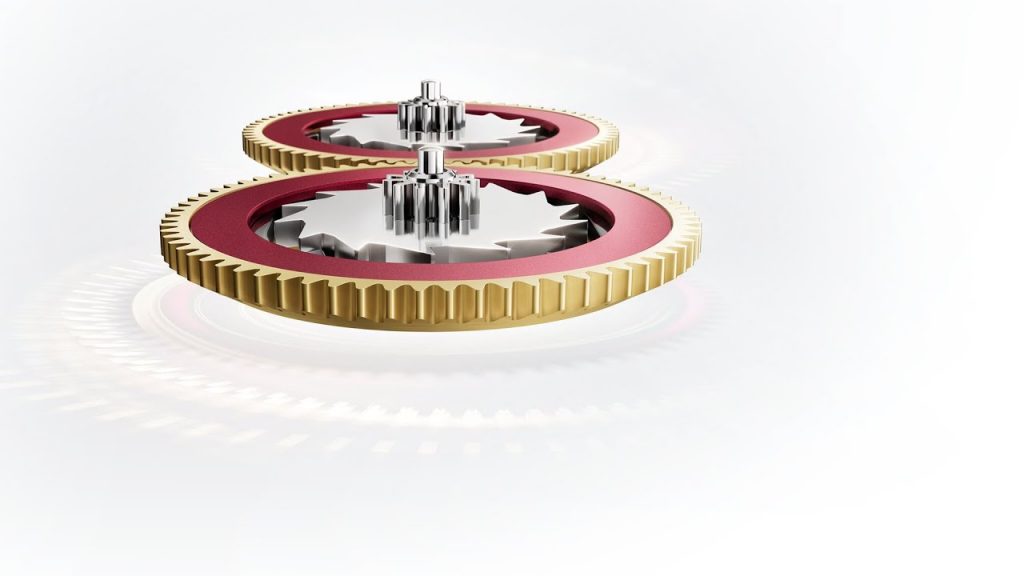
Automatic watches rely on rotors spinning with wrist movement. Everyone knows that. What most people don’t realise is that the rotor alone accomplishes nothing. The real work happens through reversing wheels and winding gears hidden deep inside the movement. These components convert the rotor’s random motion into usable winding energy, regardless of which direction it spins. Modern systems operate with astonishing efficiency. A few hours on the wrist can generate enough energy to keep a watch running for days. Without these tiny mechanisms, the rotor would simply spin around looking busy while achieving absolutely nothing.
The truth about horology is rather like the truth about Formula 1. Spectators notice the driver crossing the finish line. Engineers obsess over the obscure component buried somewhere deep inside the machine. Luxury watchmaking is exactly the same. Collectors admire the dial. Enthusiasts photograph the case. Marketing departments celebrate complications. But beneath the glamour lives an invisible army of mainsprings, jewels, escape wheels, shock absorbers and winding systems, each performing its task with microscopic precision. Because in the world of fine watchmaking, greatness is rarely defined by the parts everyone sees. It’s usually determined by the parts nobody notices at all.