Why Alloys Are A Crucial Component In Mechanical Watches
The finest watches in the world are not made from raw metals alone, but from carefully engineered combinations designed to balance strength, beauty, lightness, and precision in ways most people never notice but collectors obsess over endlessly
The average person buying a luxury watch looks at the dial, the logo, perhaps the bracelet. Then they say something profoundly unhelpful like, “Nice watch.” But what they do not realise is that the real genius often sits beneath the polish, inside the alloy itself. Because watchmaking is essentially controlled violence against materials. Tiny gears spinning constantly. Springs under relentless tension. Cases exposed to sweat, moisture, salt, heat, cold, magnetism, impact and the occasional catastrophe involving marble floors. And pure metals are terrible at handling this. Pure gold scratches if you merely look at it aggressively. Pure iron rusts. Pure titanium can feel too soft. Which is why the watch industry depends on alloys, engineered blends of metals designed to enhance strength, durability, corrosion resistance, magnetic protection and visual character. Without alloys, modern luxury watchmaking simply would not exist.
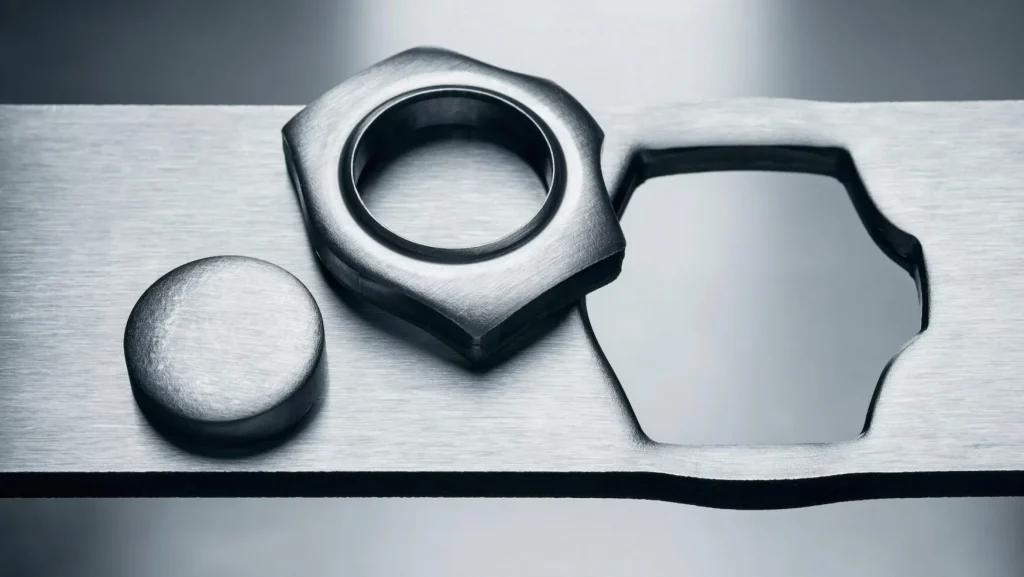
What Exactly Is An Alloy?
An alloy is a mixture of two or more metallic elements created to improve the weaknesses of a base metal. It is metallurgy doing what tuning does for engines: taking something good and making it significantly better. This process is centuries old. Bronze changed civilisation. Steel built empires. And in horology, alloys transformed watches from delicate jewellery pieces into durable mechanical instruments. Modern watch alloys are engineered with obsessive precision.
The ratio of chromium in stainless steel, copper in rose gold, or zinc in brass directly affects durability, colour, hardness and wear resistance. Even microscopic variations can change how a case reflects light or how a movement survives decades of operation. In other words, alloys are not decorative details. They are the foundation of watchmaking performance.
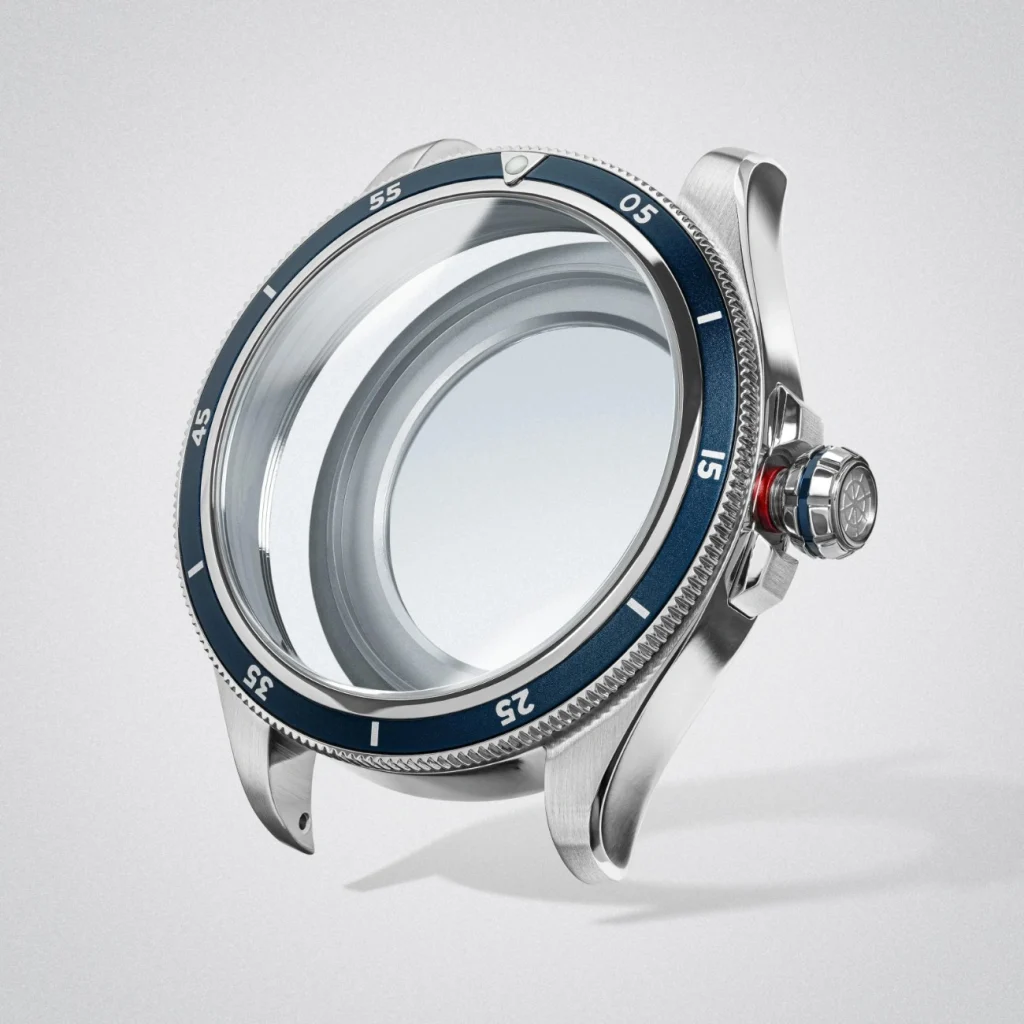
Stainless Steel Became The Industry’s Backbone
There is a reason stainless steel dominates modern luxury watches. It works brilliantly. Typically composed of iron, chromium, nickel and molybdenum, stainless steel offers exceptional corrosion resistance, strength and longevity. The chromium forms an invisible oxide layer that prevents rust while preserving the watch’s shine.
And crucially, it survives real life. Sweat, rain, humidity, travel, daily knocks, airport trays, steering wheels, desk edges, stainless steel handles them all with remarkable indifference. That is why sports watches, dive watches and everyday luxury pieces rely on it so heavily.
Certain grades, particularly 316L and 904L steel, also polish beautifully, allowing brands to alternate brushed and mirror finishes for visual depth. It is practical, durable and quietly luxurious. Rather like a German V8 estate car capable of crossing continents at impossible speed while carrying luggage and a Labrador.
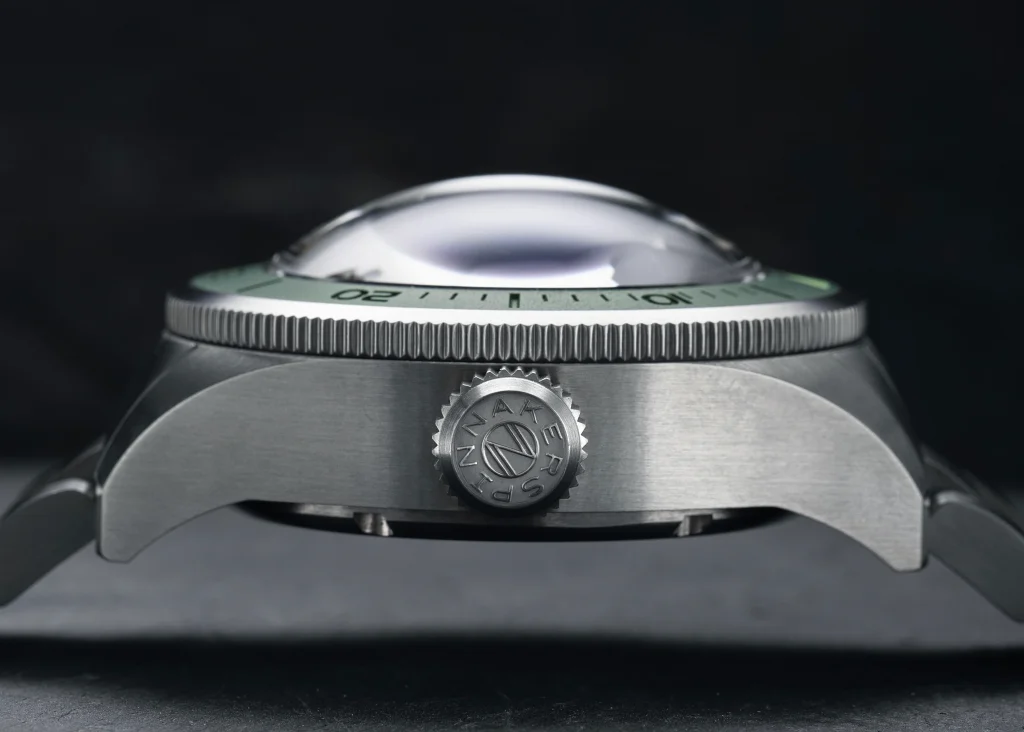
Gold Alloys Bring Character And Warmth
Gold in watchmaking is never truly pure. And thankfully so. Pure 24-carat gold is far too soft for practical use, so brands create gold alloys by mixing gold with metals such as copper, silver or palladium. The result is stronger, more wearable precious metal with distinct visual personalities.
Yellow gold retains that classic warm richness associated with traditional watchmaking. White gold introduces a cooler, more contemporary tone through palladium or nickel mixtures. Rose gold, created largely through copper content, delivers the warm reddish hue collectors increasingly adore today. And here is the fascinating part: the alloy changes not just colour, but personality. Rose gold feels vintage and romantic. White gold feels restrained and stealthy. Yellow gold feels unapologetically traditional. Same base metal. Completely different emotional response. That is the magic of alloy engineering.
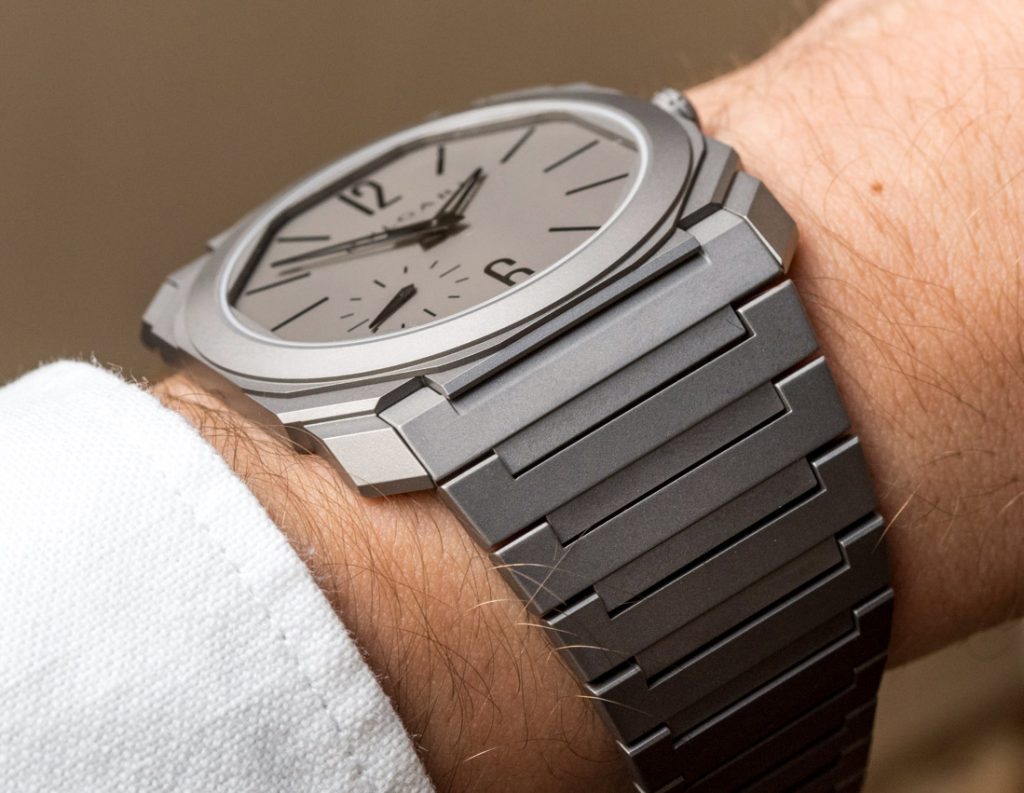
Titanium Changed Sports Watch Engineering
Then there is titanium. The material that arrived and made traditional steel feel slightly overweight. Titanium alloys are prized because they are incredibly strong while remaining dramatically lighter than steel. On the wrist, the difference is immediate. A large titanium watch feels almost suspiciously light.
But titanium is not merely about comfort. It is also highly resistant to corrosion, making it ideal for dive watches, aviation instruments and high-performance sports watches. Its darker matte appearance gives modern watches a technical, almost military personality. Less jewellery. More equipment. And frankly, that suits modern collectors perfectly.
The Hidden Alloys Inside The Movement
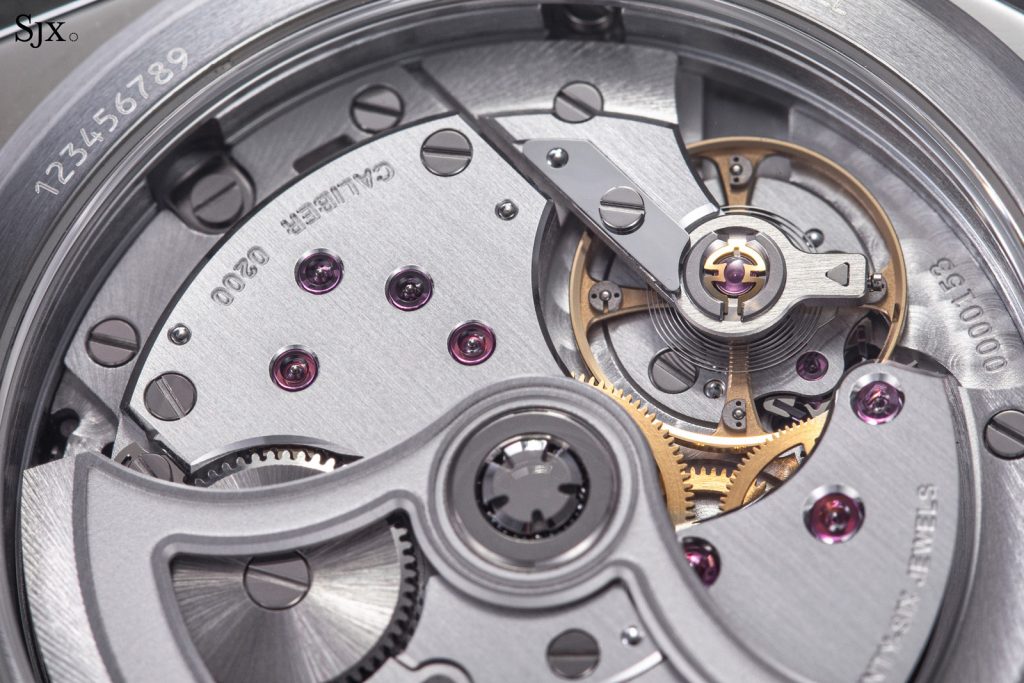
Most people think alloys matter only for the case. Wrong. Inside a mechanical movement, alloys become even more important. Tiny components require extreme precision, magnetic resistance and long-term stability. Brass and nickel silver remain common for movement plates and bridges because they machine beautifully and resist corrosion effectively. Stainless steel alloys are used for springs and pinions. Silicon components increasingly combat magnetism.
Even the hairspring, arguably the single most important component regulating timekeeping, depends heavily on specialised anti-magnetic alloys engineered for microscopic stability. So when a luxury mechanical watch keeps accurate time for decades, it is not luck. It is metallurgy working invisibly beneath the surface. And that, ultimately, is why alloys matter so much in horology. Because the finest watches are not merely assembled. They are scientifically engineered pieces of wearable endurance.