Why Watch Crowns Matter More Than You Think
The crown reigns supreme as the undisputed king of the watch case quietly commanding precision control water resistance and mechanical life while defining both the function and character of the timepiece
There it sits, small, knurled, and almost cheekily understated; the crown. A tiny protrusion on the side of your watch that most people barely notice. But here is the truth, and it is rather brilliant. This little component is the king of the case. Not the dial, not the movement, not even the bezel. The crown rules the lot. It commands, it controls, and without it, your watch would be nothing more than a very expensive bracelet pretending to tell the time.
Think about it. This is the point of contact. The one place where you, the wearer, actually interact with the mechanical heart ticking away inside. The winding crown is where it all begins. Before automatic movements started doing the work for you, this was your daily ritual. A few deliberate turns every morning, feeling the resistance build as springs tightened and gears came alive. It is not just functional. It is intimate. You are not just wearing the watch, you are bringing it to life. Now, let us turn up the drama a notch. Because watches, much like cars or aircraft, do not simply exist in polite conditions. They go places. Wet places. Deep places. Places where pressure builds and failure is not an option.
Canteen Crown
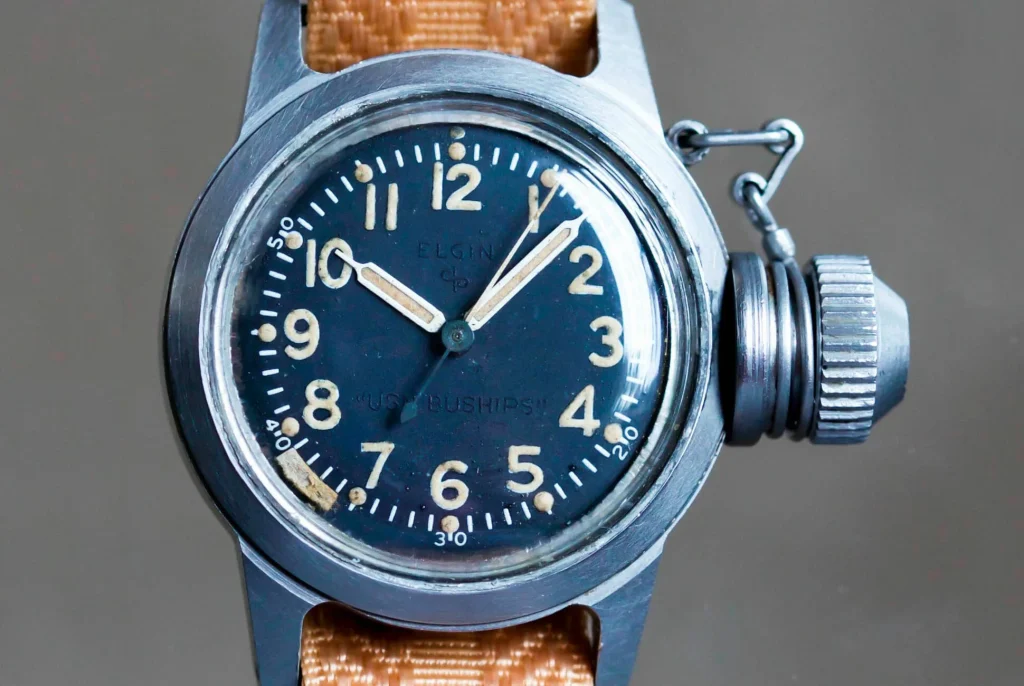
There is something unapologetically rugged about the canteen crown, and rightly so. Originally inspired by military needs, this design takes the idea of protection and pushes it further than most. A cap, often attached with a small chain, screws over the crown to create an additional barrier against water, dust, and impact. It is not subtle and it does not try to be. Instead, it embraces a kind of functional excess that makes perfect sense in harsh conditions. In many ways, this is the crown acknowledging its status as the king of the case and choosing to wear armour. It is about redundancy, reliability, and the confidence that even in the most unforgiving environments, the watch will keep ticking without compromise.
Also Read: When Swiss Precision Meets Indian Soul: The Rise Of India-Inspired Haute Horology
Screw-Down Crown
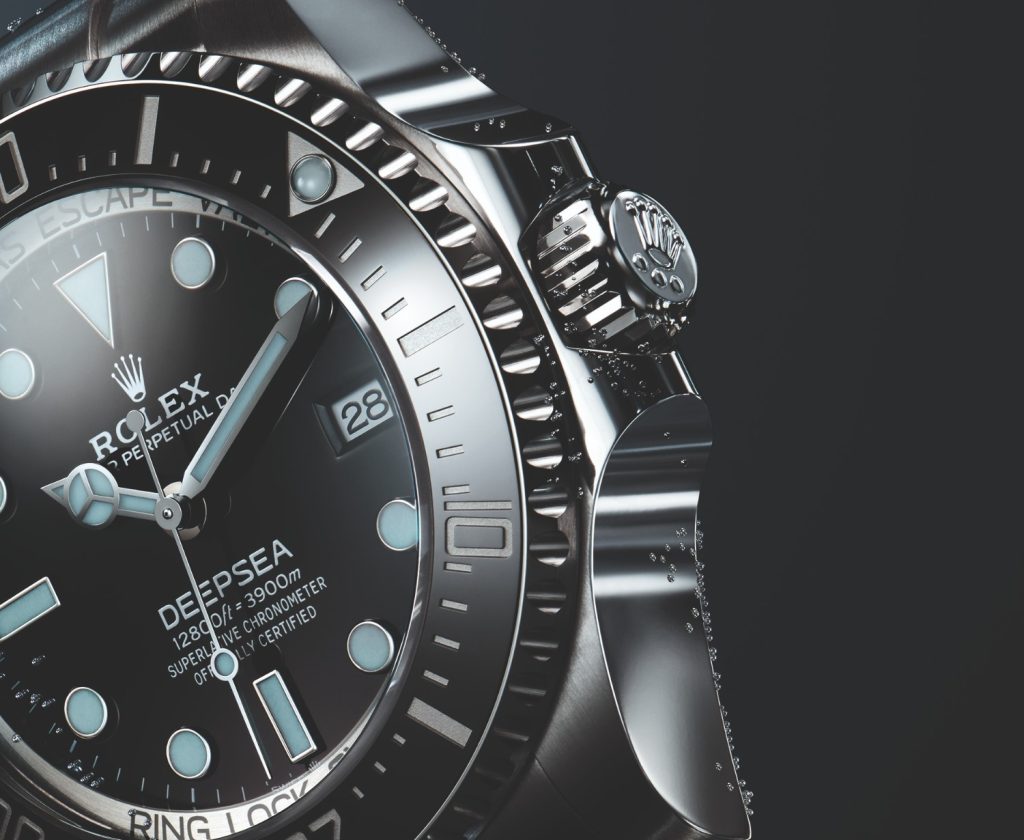
If the crown is the king, then the screw down crown is its fortress. Designed to lock securely into the case, it compresses internal gaskets to form a watertight seal that is absolutely essential for any serious sports or dive watch. This is not just a clever bit of engineering, it is a necessity born from the demands of real world use. When submerged, even the tiniest vulnerability can spell disaster, and the screw down crown ensures there is none. It transforms the crown from a simple control point into a critical line of defence. The act of unscrewing it, setting the time, and locking it back into place becomes a ritual of trust between wearer and watch.
Winding Crown
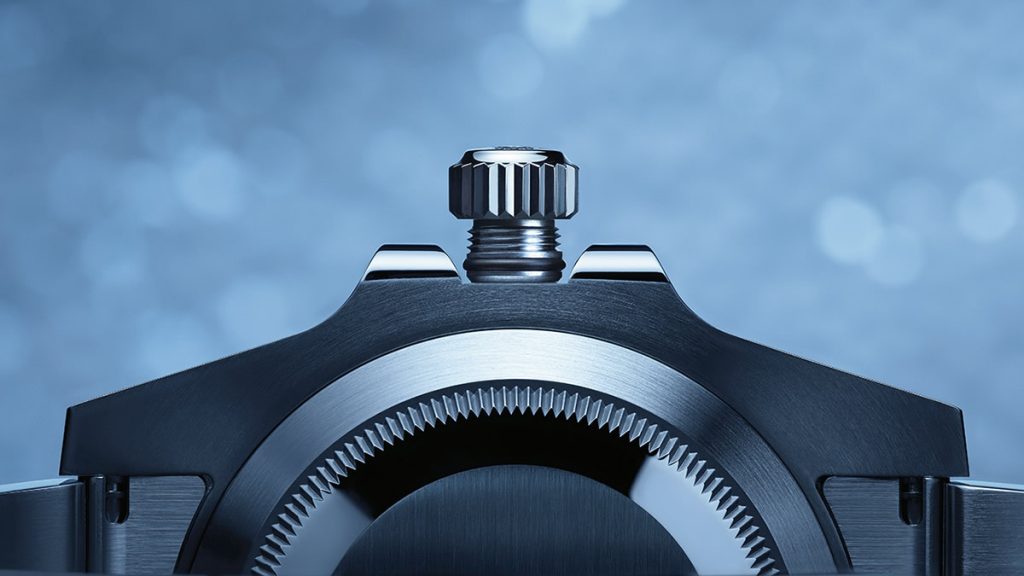
The winding crown is where the relationship between you and your watch becomes personal. Before the convenience of automatic movements, this was a daily ritual, a quiet moment of interaction where the wearer quite literally powered the watch. Each turn of the crown transfers energy through a series of finely tuned components, storing it in the mainspring and setting the entire mechanism in motion. Even today, that tactile connection remains deeply satisfying. It is not just about keeping time, it is about engaging with it. In that sense, the winding crown is the purest expression of the crown’s authority as the king of the case, because it is here that the watch truly comes alive.
Twinlock and Triplock from Rolex
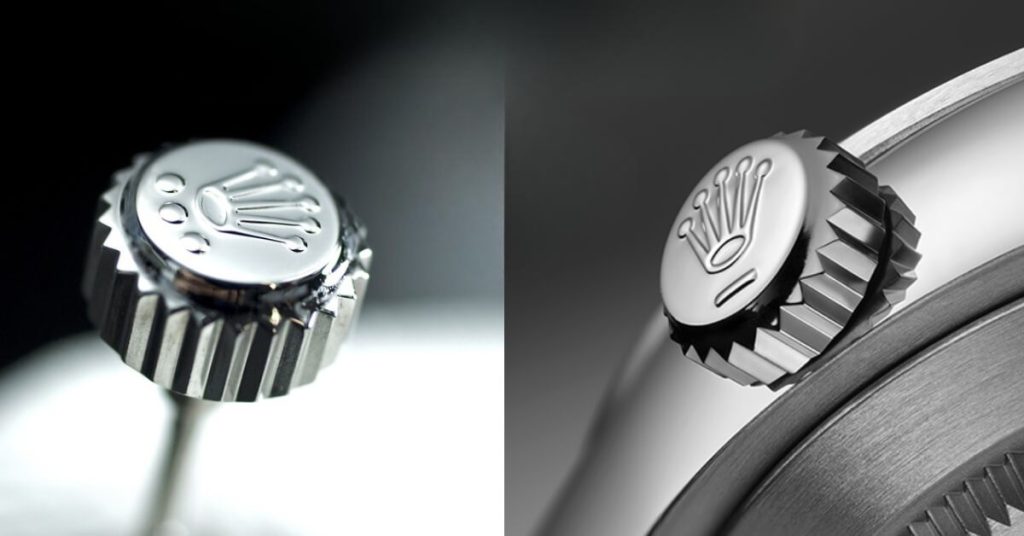
Few names in watchmaking carry the same weight as Rolex, and its Twinlock and Triplock crown systems are a testament to relentless innovation. Twinlock introduced a dual sealed system that significantly improved water resistance, creating two distinct zones of protection. Triplock took this concept further with three sealed zones, allowing watches to withstand extreme underwater pressures with remarkable confidence. These systems are not just technical upgrades, they represent a philosophy where the crown is elevated from a functional necessity to a technological stronghold. It reinforces the idea that the king of the case is not merely in charge, but is also the first and last line of defence.
Multiple Crowns

In certain watches, one crown simply is not enough. The introduction of multiple crowns at 2 o’ clock and 4 o’ clock transforms the case into a more complex and capable instrument. The upper crown is often dedicated to rotating an internal bezel, allowing for precise tracking of elapsed time or other measurements without exposing the bezel to external elements. Meanwhile, the lower crown continues to handle the core functions of winding and time setting. This division of roles creates a more refined and purposeful interaction, almost like a dual control system. It is a fascinating evolution of the crown’s role, showing that even the king of the case can delegate responsibilities while maintaining complete authority.
Role of Crown Guards
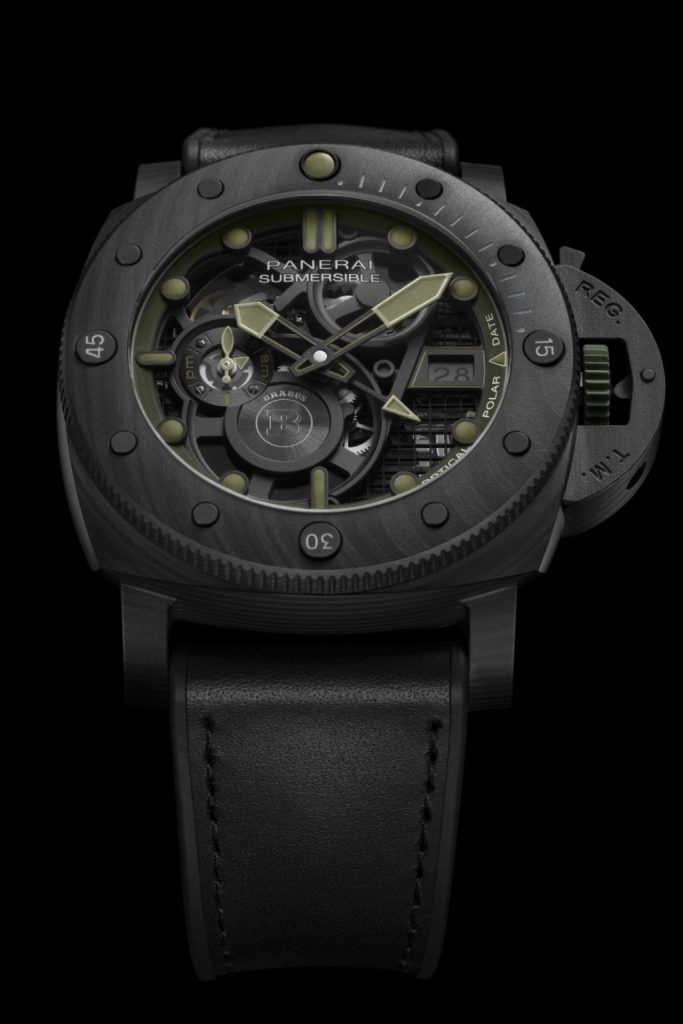
Crown guards may seem like a minor addition, but their importance cannot be overstated. Positioned on either side of the crown, they act as protective barriers against accidental knocks, impacts, and unintended adjustments. In doing so, they preserve both the functionality and integrity of the watch. Without them, the crown would be vulnerable, and any damage to it could compromise water resistance or timekeeping accuracy. Beyond their practical role, crown guards also contribute to the overall aesthetic, giving watches a more robust and purposeful appearance. They are, in essence, the loyal protectors of the king of the case, ensuring that its power and precision remain undisturbed no matter where the watch goes.