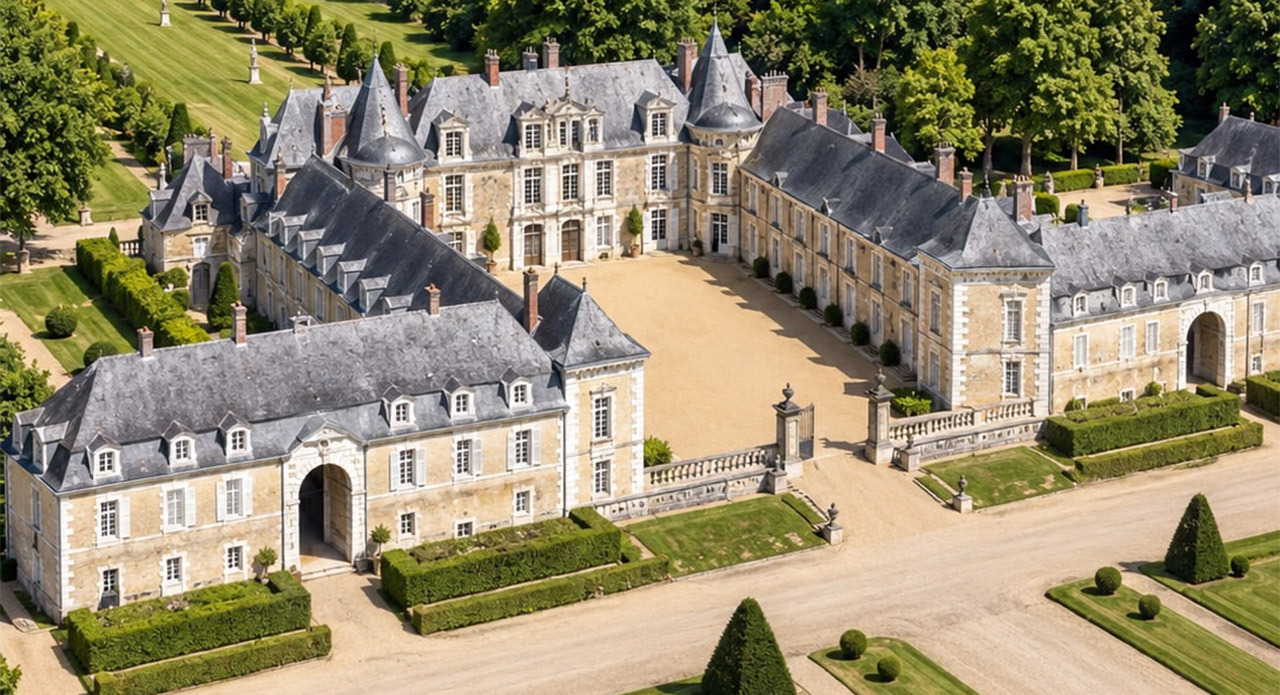
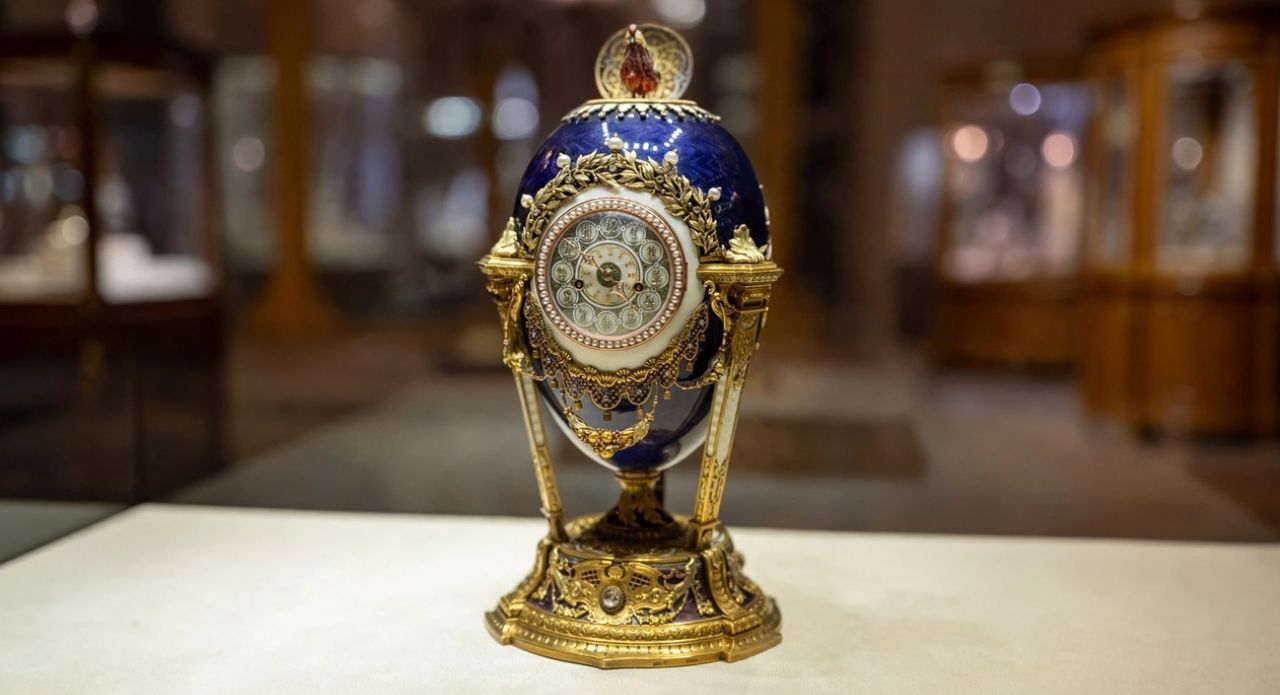
Rococo architecture, quite frankly, is what happens when a building decides it’s tired of behaving itself. If Gothic is the moody teenager and Baroque is the muscular show-off at the gym, Rococo is the flamboyant aristocrat who sweeps into the room wearing silk slippers and carrying a small dog that costs more than a car. It’s light, it’s cheeky, it’s dripping in gold, and it absolutely refuses to apologise for any of it. This was the 18th century’s architectural equivalent of saying, “Life is short—give me curves, give me pastels, and give me enough ornamentation to make a wedding cake feel insecure.” And somehow, despite its extravagance, Rococo remains a masterclass in elegance—proof that sometimes more really is more, as long as you do it with style.
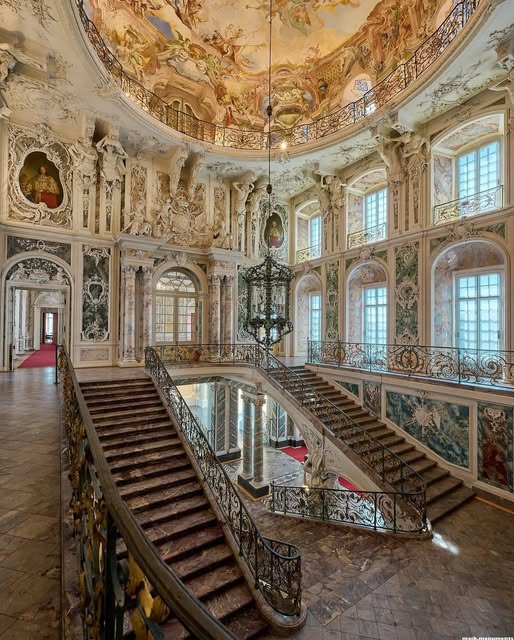
Rococo emerged in early 18th-century France as a playful rebellion against the heaviness of the Baroque era. Where Baroque favoured drama, power, and grandiosity, Rococo whispered seduction, intimacy, and refined luxury. It was born in private salons rather than public palaces—spaces where aristocrats gathered to flirt, debate, gossip, and entertain. The style captured the spirit of a society searching for delight and lightness after decades of architectural seriousness. Pastel colours, delicate curves, and whimsical ornamentation became the language of an elite eager to embrace a softer form of splendour.
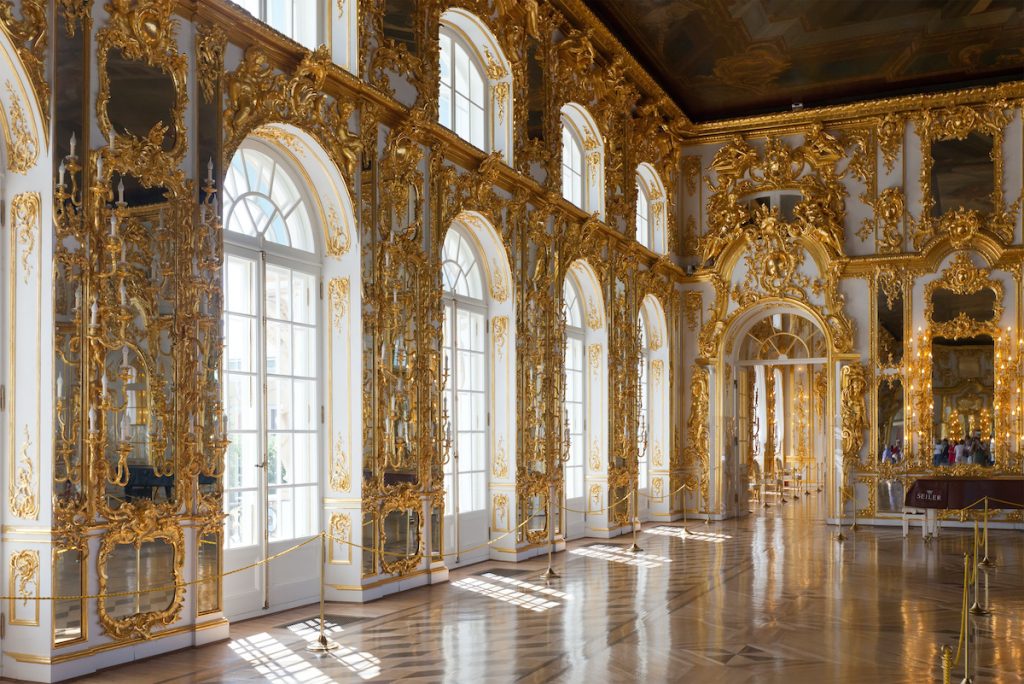
At its core, Rococo architecture thrives on fluidity and fantasy. Vaulted ceilings melt into swirling stucco, asymmetry becomes a virtue, and every surface feels alive with motion. Shells, vines, angels, ribbons, cherubs, and organic motifs swirl across walls with rhythmic precision. Rococo designers were obsessed with craftsmanship—the kind that required artisans to spend months shaping a single wall. Yet beneath the frivolity lies a surprising balance: nothing is symmetrical, yet everything feels harmonious. This tension between chaos and elegance is what makes Rococo endlessly captivating. Rococo’s defining characteristics include sinuous S-curves, ornate stucco reliefs, gilded detailing, mirrors that magnify light, pastel colour palettes, and rooms designed to create intimacy rather than awe. Interiors often feature elaborate frescoes, playful themes, and decorative arts integrated seamlessly with architecture—furniture, doorframes, moulding, and ceilings all speaking the same elaborate visual language. The style embraces decorative exuberance while maintaining an almost weightless sense of movement, creating spaces that feel dreamlike, airy, and impossibly refined.
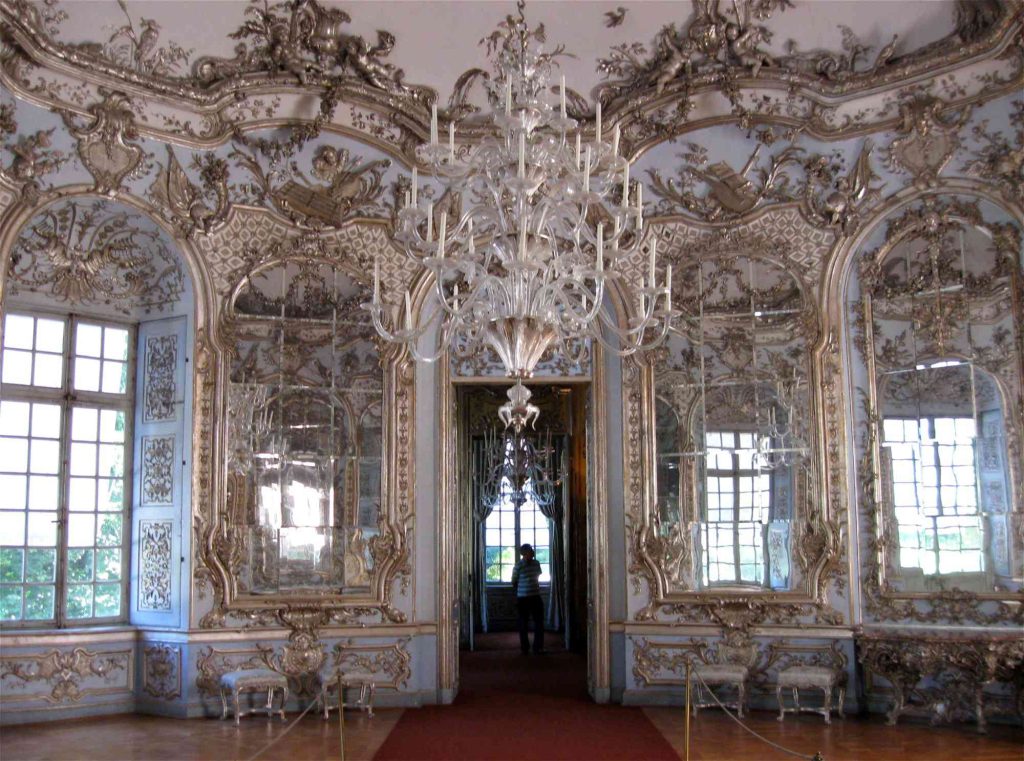
Some of the most spectacular structures of the Rococo era stand as monuments to its airy extravagance. The Amalienburg Pavilion in Munich, with its silver-blue Hall of Mirrors, is often considered the purest expression of the style—intimate, elegant, and unabashedly whimsical. Bavaria’s Wieskirche, a pilgrimage church bursting with light and celestial ornamentation, remains one of the most breathtaking Rococo interiors ever created. In France, the Hôtel de Soubise in Paris captures the delicacy and flirtation of the movement, while Sanssouci Palace in Potsdam shows how the style travelled across borders, adapting to local tastes without losing its luxurious soul. These buildings survive as physical proof that ornament, when done masterfully, becomes artistry.
Rococo’s brilliance is inseparable from the architects and designers who shaped it. Germain Boffrand, one of the most influential French architects of the era, developed the famous salons of the Hôtel de Soubise, where curves and mirrors dance together in perfect harmony. François de Cuvilliés, the genius behind Amalienburg, refined the Bavarian Rococo aesthetic with unmatched delicacy. Balthasar Neumann, a master engineer and architect, designed the Wieskirche and the Würzburg Residence staircase—two of the most dazzling interiors in Europe. Their combined work defines the essence of Rococo: elegant, light-hearted, and visually intoxicating.