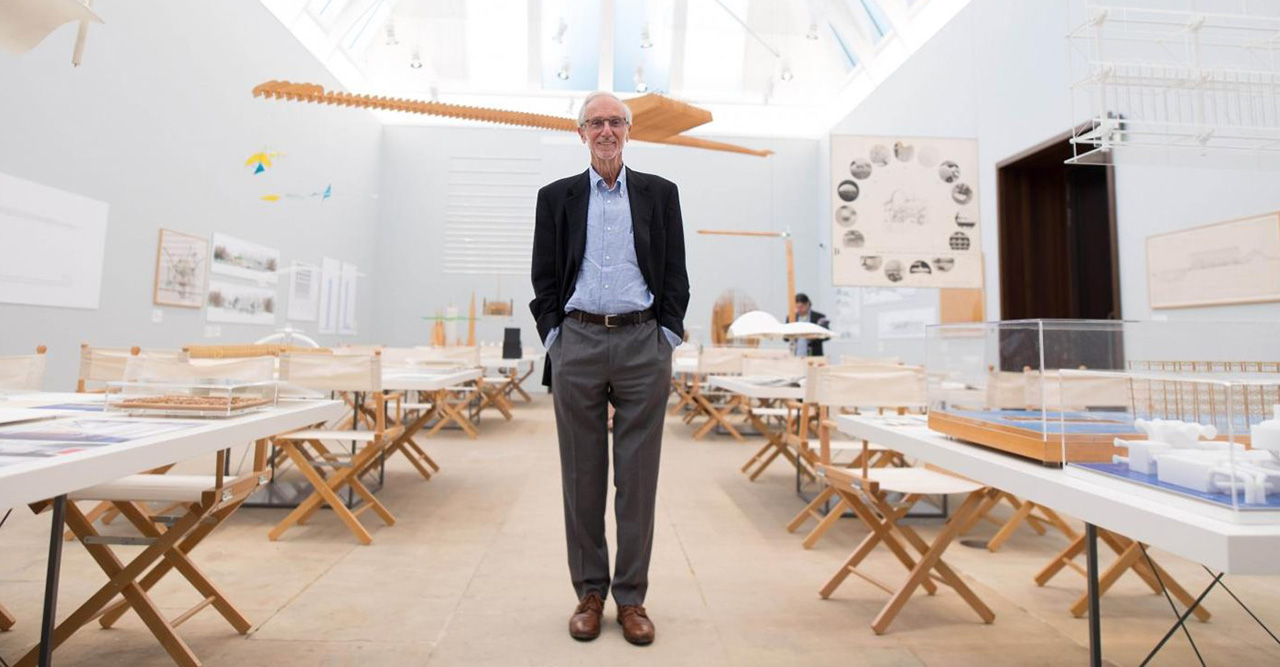


Renzo Piano is the sort of architect who looks at a 50-ton structure and says, “Yes, but what if it felt like a feather?” While the rest of the world builds skyscrapers as if they’re competing in some planetary arm-wrestling contest, Piano glides in with his soft voice, charming smile, and a pen that seems to sketch in pure sunlight. His buildings don’t roar; they hum. They don’t demand attention; they earn it with the smug elegance of someone who knows that true sophistication doesn’t shout. And just when you think he’s being subtle, he casually delivers the Pompidou Centre — a giant architectural exoskeleton that looks like a refinery on a sugar rush. Subtle? Absolutely not. Brilliant? Oh yes. Because Piano isn’t trying to impress you. He’s trying to show you what the world could look like if architecture stopped flexing and started thinking.
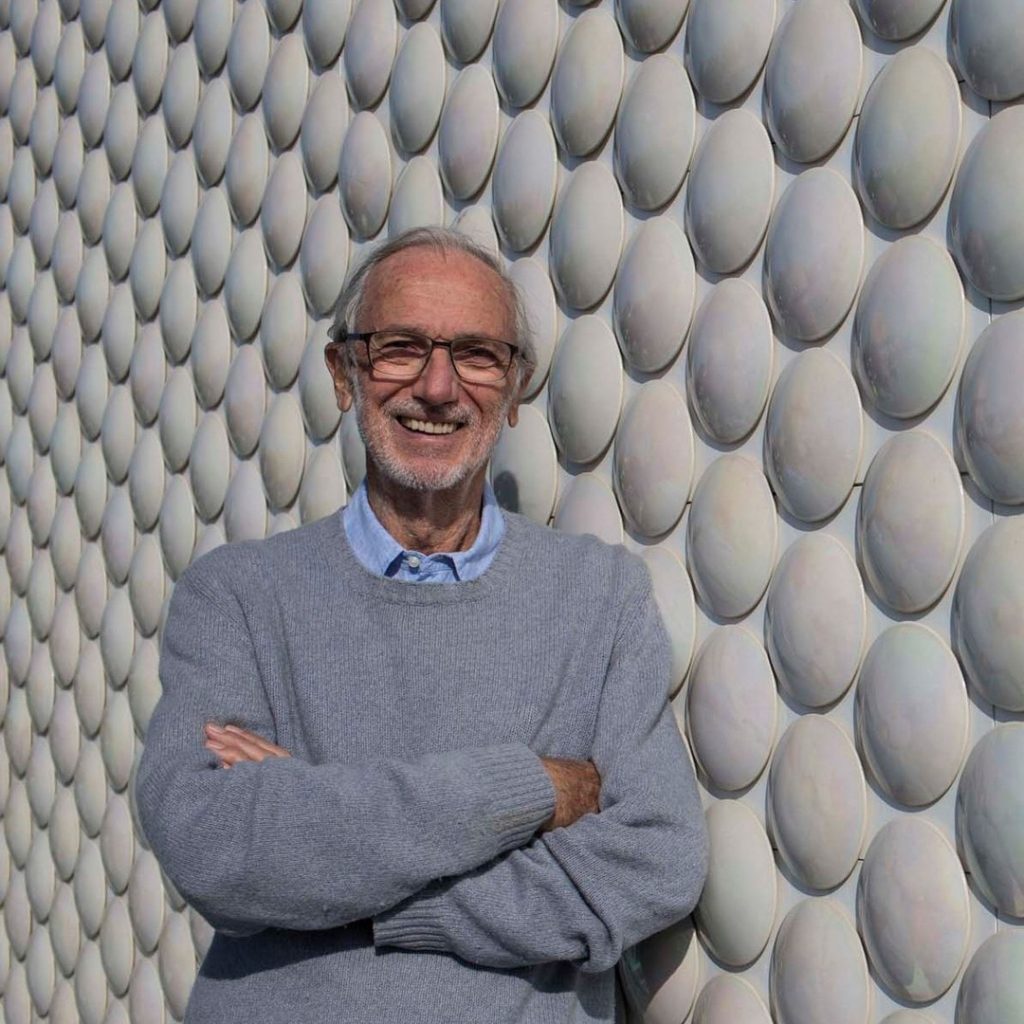
A Childhood That Blended Craft And Curiosity
Renzo Piano grew up in Genoa, Italy in a family of builders, surrounded by tools, materials, and the reassuring soundtrack of construction sites. While other children played with toys, Piano played with timber, concrete, and light. His fascination with how things fit together, how structures breathe, and how daylight transforms space started early. He would grow into an architect who never forgot the humility of materials or the wonder of simple craftsmanship. That grounding became his lifelong compass.
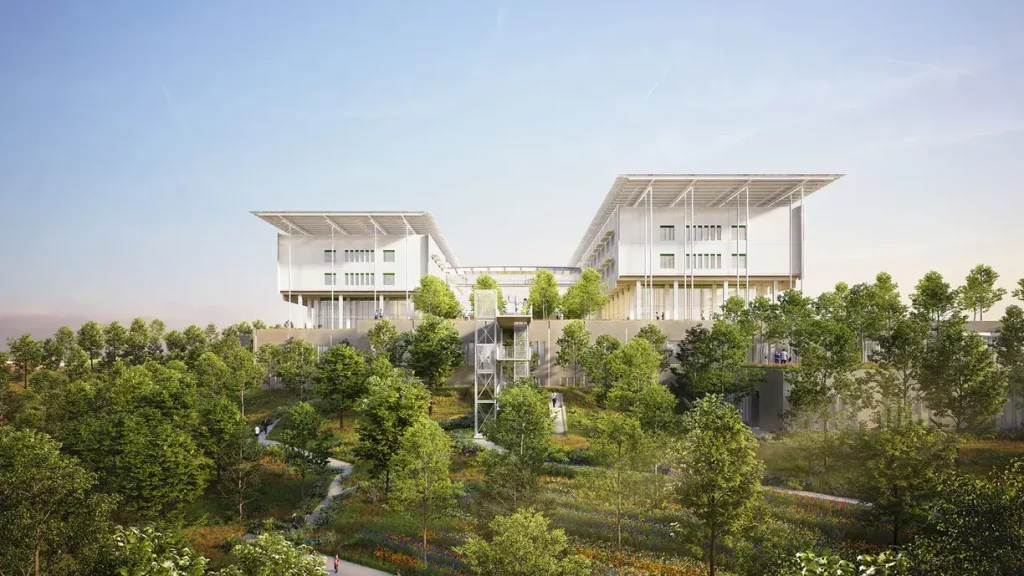
A Career Launched By A Building That Looked Inside Out
Piano’s rise to global fame began with one of the most rebellious pieces of architecture in the 20th century — the Centre Pompidou in Paris. Designed with Richard Rogers, it stunned, scandalised, and thrilled the world in equal measure. Instead of hiding the plumbing, ducts, and mechanics of the museum, Piano and Rogers pushed everything to the outside. Bright pipes, steel frames, exposed guts — it was a building that gleefully announced, “Here I am, deal with it.”
This wasn’t mere provocation. It was an architectural revolution. The Pompidou shifted the global design conversation, announcing Piano as an architect who combined engineering audacity with conceptual daring.
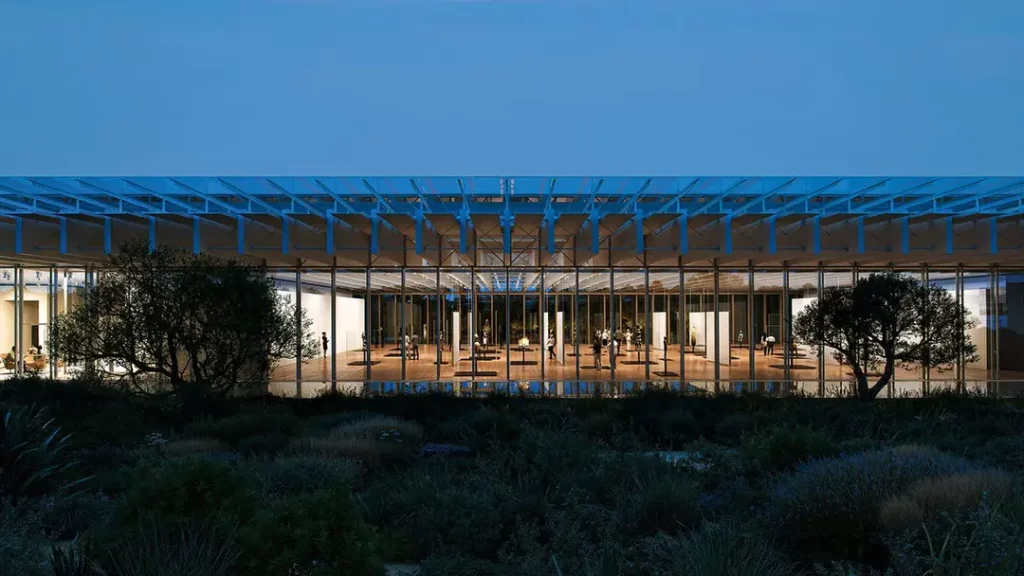
An Obsession With Light As A Building Material
If there is one thing that defines Renzo Piano’s architecture, it is his almost spiritual relationship with light. To him, light is not simply illumination — it is texture, mood, structure, and narrative. His buildings filter it gently, soften it thoughtfully, and choreograph it with astonishing precision. From museums to corporate towers, his structures feel weightless because he treats transparency as a kind of engineering problem. The result is architecture that feels alive, changing with the sun and responding to the human inside it.
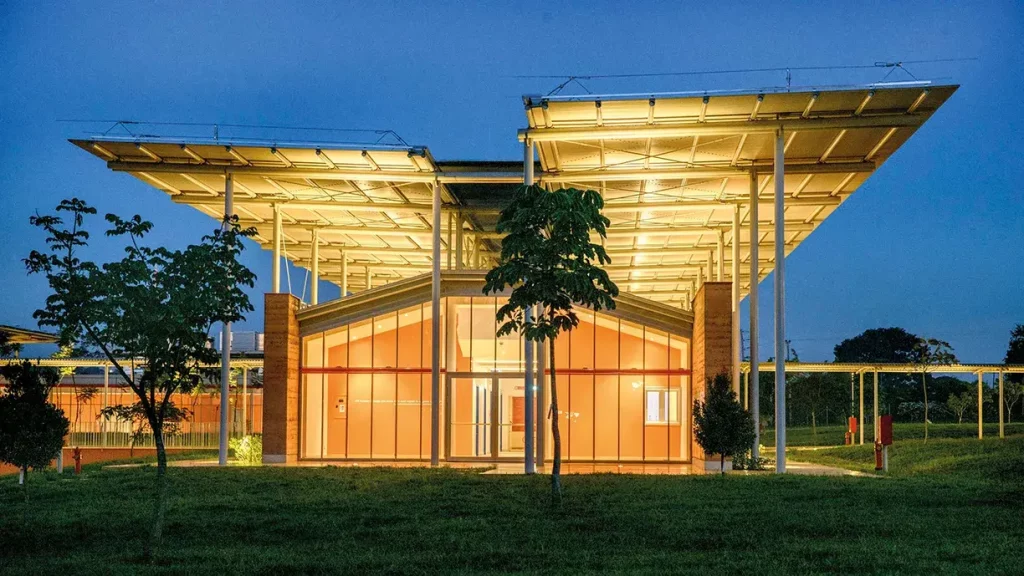
Sustainability As a Philosophy Instead Of A Trend
Long before sustainability became a mandatory talking point, Piano was quietly embedding ecological intelligence into his work. Natural ventilation, controlled daylight, high-performance façades, and passive cooling strategies appear across his portfolio. But he doesn’t advertise them with neon signage. His sustainability is subtle, integrated, and deeply rooted in performance rather than PR. He believes that buildings should consume less, breathe more, and exist lightly – both visually and environmentally. Today, despite his advanced age, he continues to work full-time from his studio in Paris, France.
Major Works That Redefined The Skyline
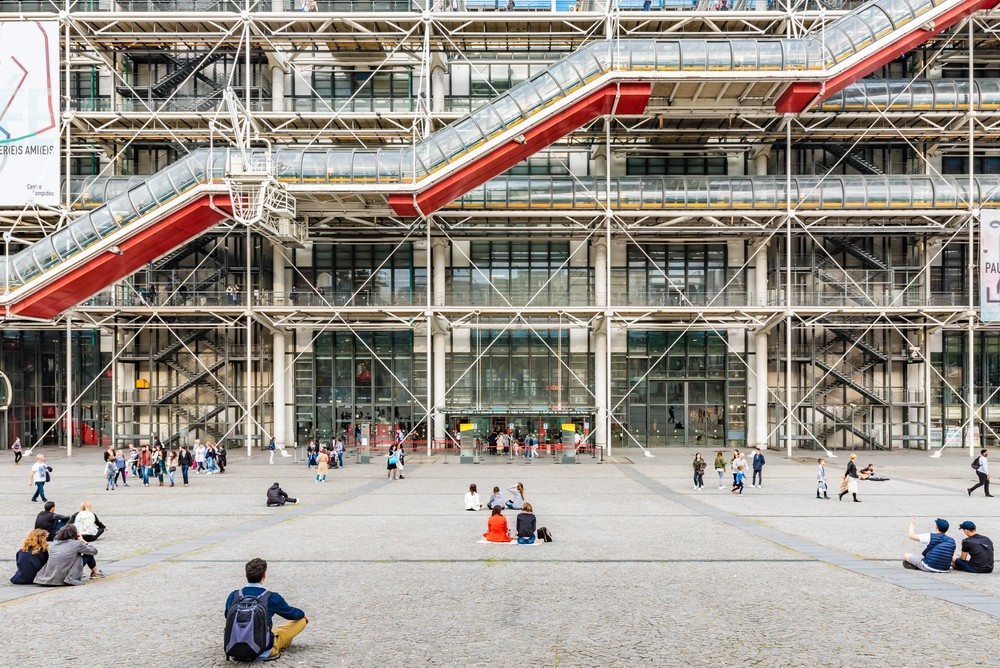
Piano’s portfolio reads like a world tour of architectural mic drops, each project a reminder that he never met a skyline he didn’t want to politely—but firmly—improve. The Centre Pompidou in Paris remains his loudest early statement, a building that flipped architecture inside-out with its exposed pipes, escalators and structural skeleton, turning the museum into an event rather than a backdrop. Then came The Shard in London, a glass spear piercing the sky with disarming elegance, proving that vertical ambition need not scream to be noticed.
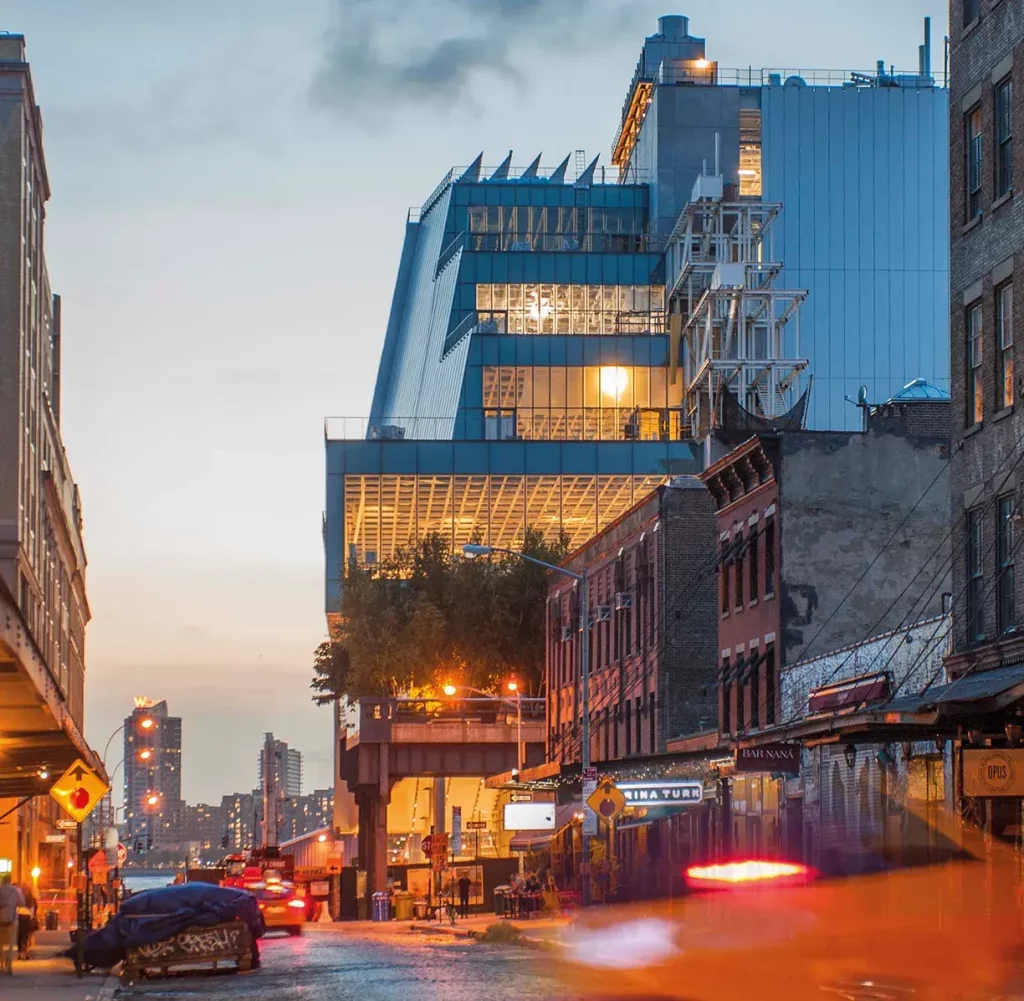
The Kansai International Airport Terminal showcased his mastery of engineering calmness amid chaos, with its sweeping aerodynamic form guiding millions through a space that breathes rather than overwhelms. Add to that the Whitney Museum of American Art in New York, the Jean-Marie Tjibaou Cultural Centre in New Caledonia and countless serene, light-filled structures across continents, and you get a body of work that is both wildly diverse and unmistakably Piano: precise, humane, and tuned like an instrument to the rhythms of place and people.