

Paris Fashion Week has never been only about the clothes. The city itself has always been part of the collection. Behind every dramatic entrance, every carefully constructed runway and every unforgettable fashion moment stands a location chosen not simply for beauty, but for storytelling. In Paris, a fashion show can take place inside a centuries old palace, beneath the glass roof of a historic department store or among sculptures and gardens that carry their own artistic legacy. The venue becomes an extension of the designer’s imagination, turning a runway into an experience.
While other fashion capitals compete with scale and spectacle, Paris has something far more difficult to replicate: history. Every street, courtyard and monument carries a sense of heritage. During Fashion Week, these spaces become temporary worlds where architecture, art and fashion merge. From museums that celebrate creativity to grand locations that reflect French elegance, these are the venues that make Paris Fashion Week truly unforgettable.
Musée Rodin
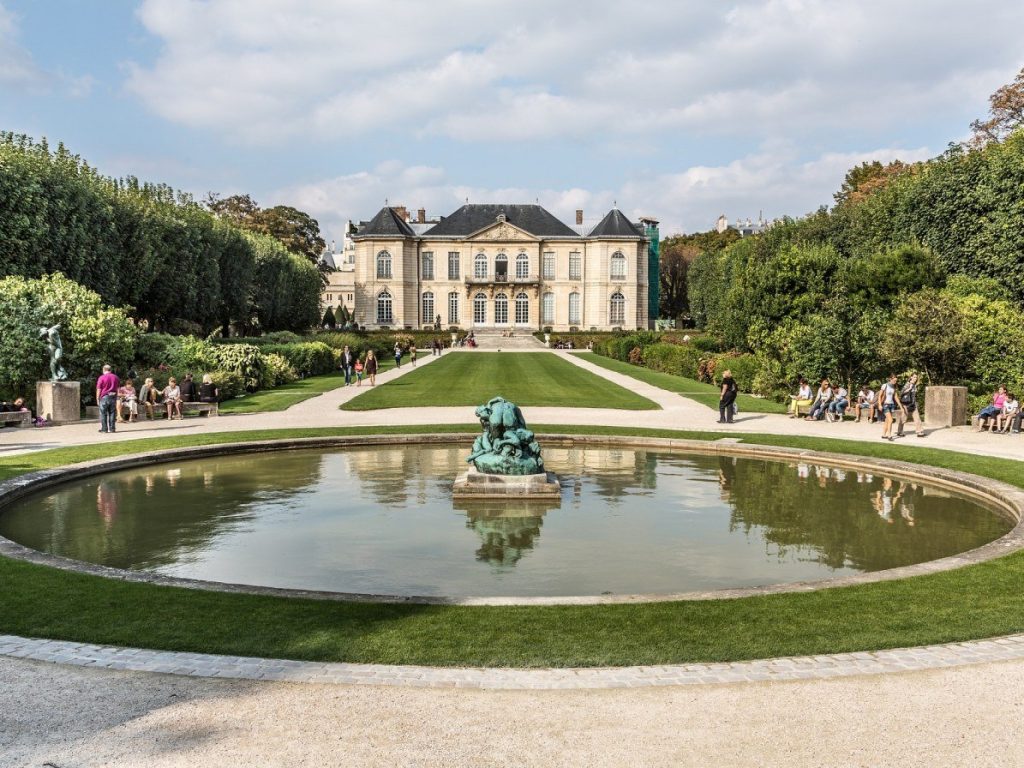
Located at Musée Rodin in the 7th Arrondissement, Musée Rodin offers one of Paris Fashion Week’s most poetic settings. The former residence of sculptor Auguste Rodin, the museum combines historic architecture, artistic heritage and beautifully landscaped gardens. It is a place where creativity feels natural, making it the perfect environment for designers who want their collections to exist alongside art.
The gardens provide an extraordinary backdrop, where sculptures stand among trees and pathways, creating a dialogue between movement and form. Fashion, after all, shares something with sculpture: both transform material into emotion. A runway here feels less like a presentation and more like an exhibition unfolding in real time. The atmosphere of Musée Rodin brings a rare kind of elegance. There are no distractions, only craftsmanship, creativity and the quiet power of beauty.
Also Read: History of Paris Fashion Week: The Designers and Models Who Defined an Icon
Palais de Tokyo
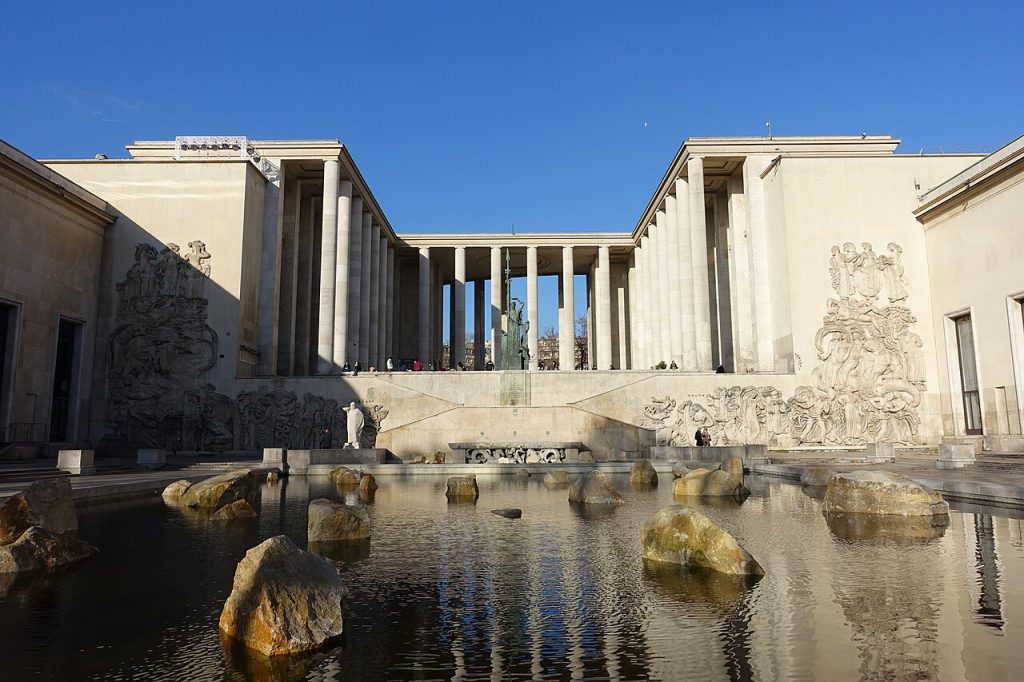
If Musée Rodin represents timeless artistry, Palais de Tokyo represents the future. One of Paris’s most important contemporary art spaces, Palais de Tokyo has become a favourite destination for designers who want a more experimental environment. Its vast industrial interiors provide a blank canvas where creative directors can build entirely new worlds. Concrete spaces, dramatic lighting and unconventional layouts allow fashion houses to create shows that feel closer to performance art. This is where Paris Fashion Week’s more rebellious side comes alive. The venue reflects a modern understanding of luxury: not just heritage and tradition, but innovation, disruption and the courage to challenge expectations.
Place Vendôme And Palais Royal
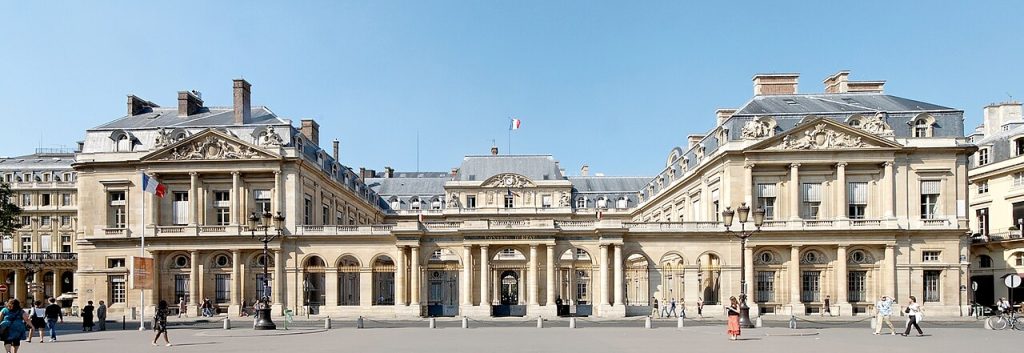
Few places represent Parisian elegance like Place Vendôme and Palais Royal. Located in the heart of the city, these historic landmarks have long been associated with fine jewellery, luxury maisons and French sophistication. Place Vendôme, surrounded by some of the world’s most prestigious jewellery houses, carries a reputation built over centuries. Its architecture reflects the refinement that defines Paris luxury. Nearby, Palais Royal offers a different kind of charm. Its historic arcades, gardens and elegant symmetry create an atmosphere that feels effortlessly cinematic. Shows held around these locations benefit from an unmistakable Parisian identity. The backdrop itself communicates craftsmanship, tradition and exclusivity.
Printemps Haussmann Rooftop
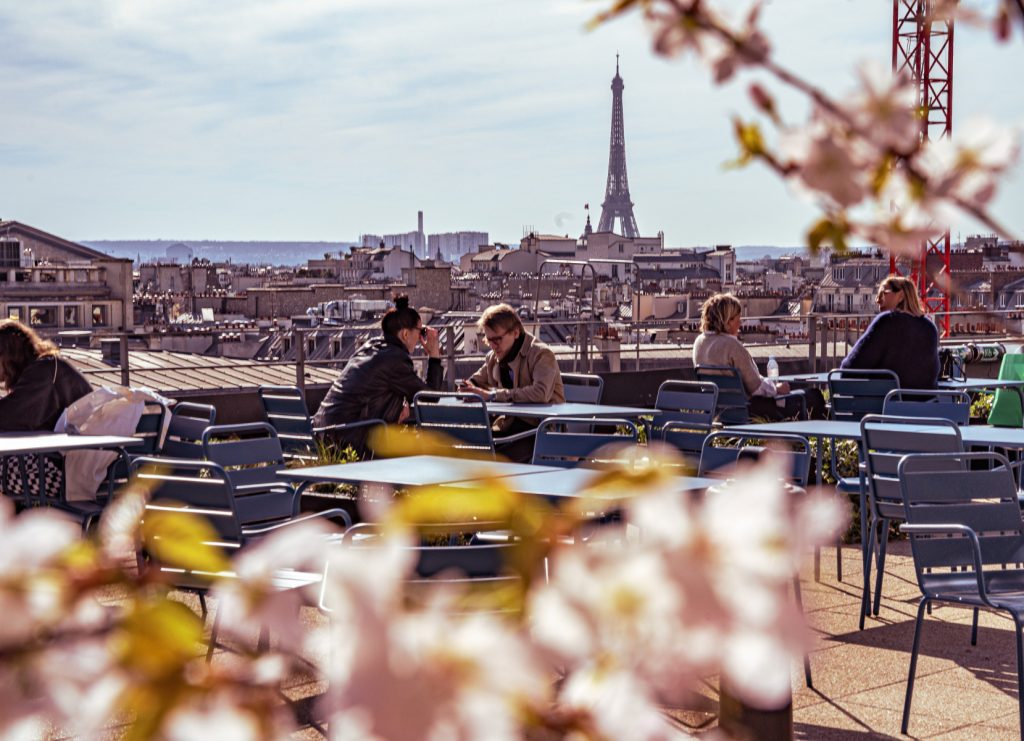
At Printemps Haussmann, fashion rises above the city. The rooftop of this legendary Paris department store offers one of the most dramatic views of the capital, overlooking landmarks and the classic Haussmann architecture that defines the city. The setting creates a different kind of runway experience. Instead of being surrounded by historic interiors, guests experience fashion against the open Paris sky. The city becomes the backdrop, with rooftops stretching endlessly into the distance. Printemps itself carries decades of fashion history, making the location a natural home for contemporary presentations. It represents the relationship between Paris, shopping culture and luxury fashion. A show here feels like watching style float above the city that created it.
Cirque d’Hiver Bouglione
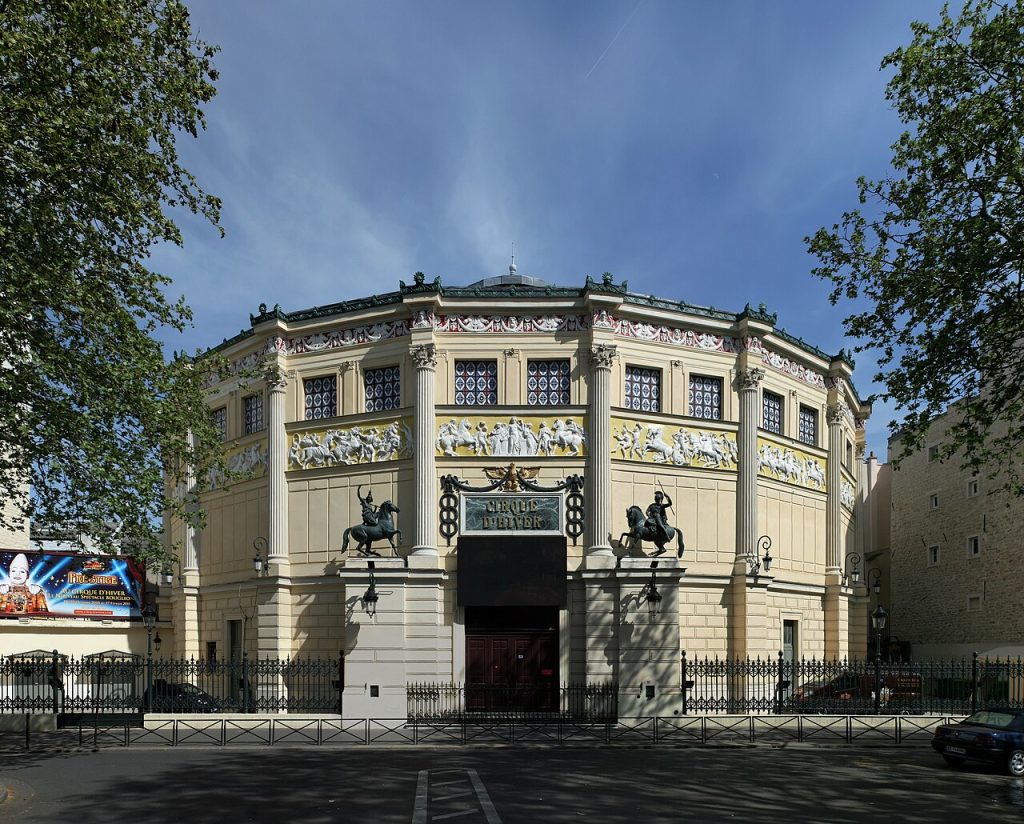
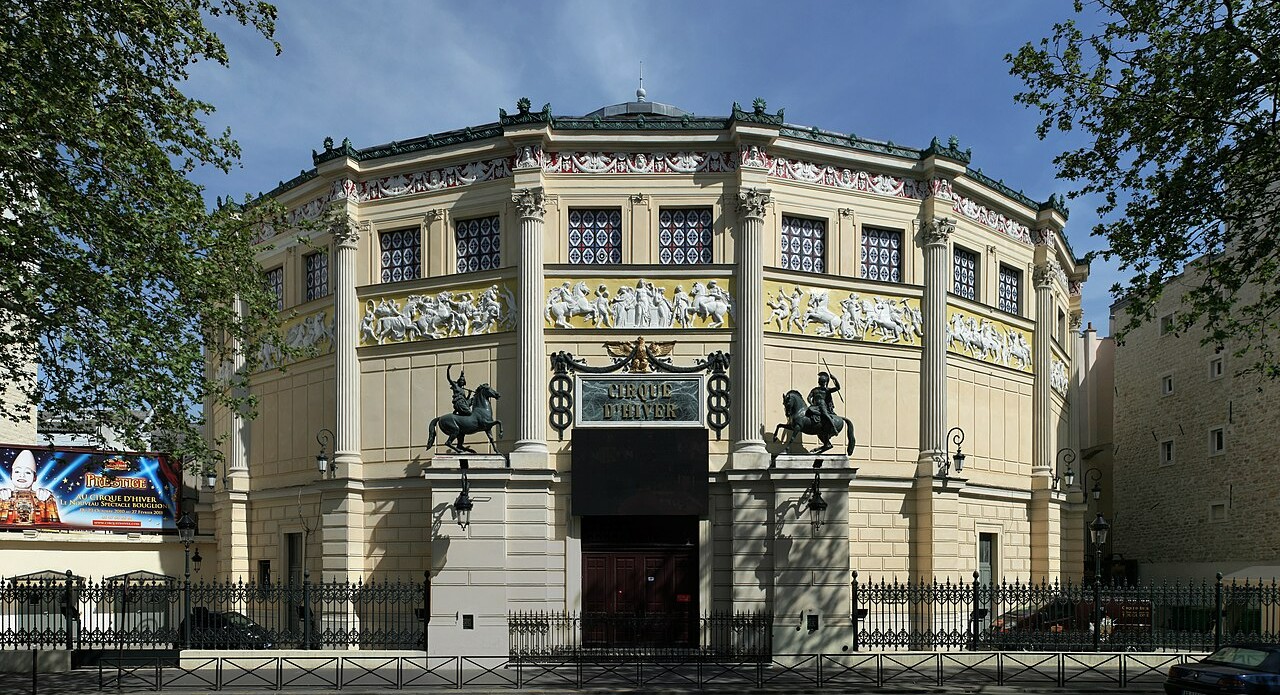
Built in the 19th century, Cirque d’Hiver Bouglione brings drama unlike any other venue. The historic circus building introduces an element of theatre into Paris Fashion Week. With its circular design, grand architecture and performance heritage, it transforms a fashion show into a spectacle. The venue reminds audiences that fashion has always been connected to entertainment. Designers are not only creating garments. They are creating worlds, characters and emotions. The Cirque d’Hiver amplifies that idea by adding a sense of movement and drama. A collection presented here becomes part runway, part performance and part cultural moment.