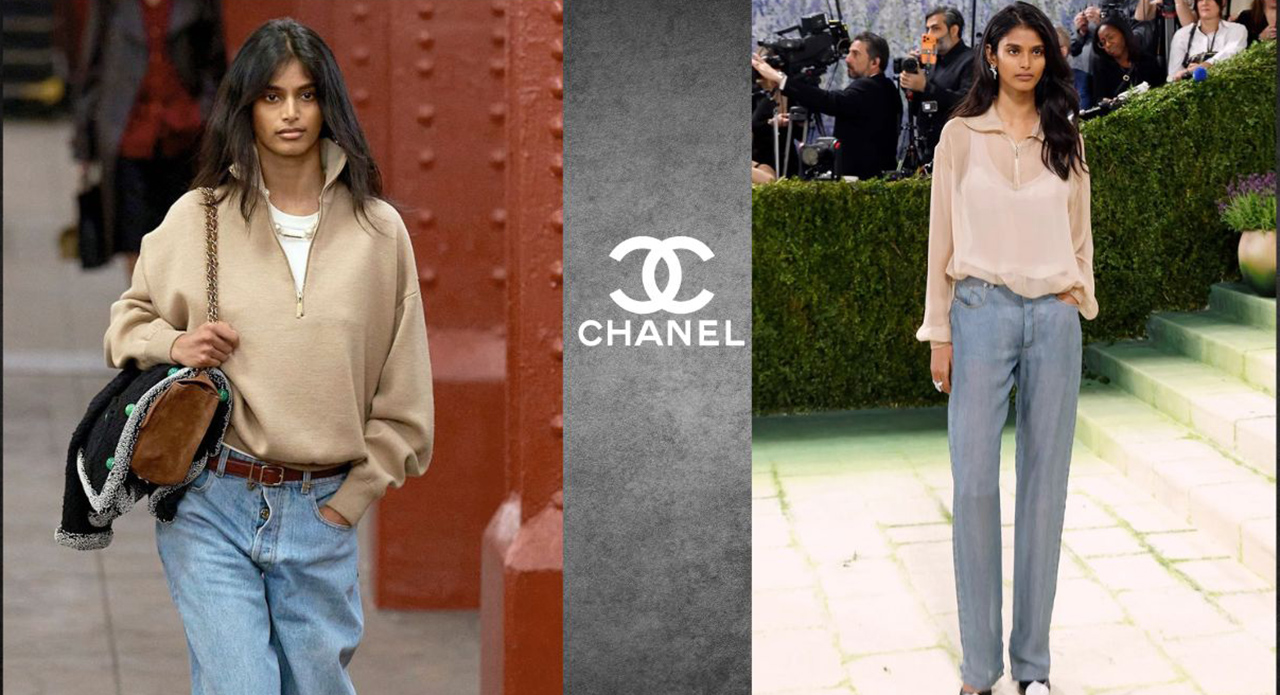


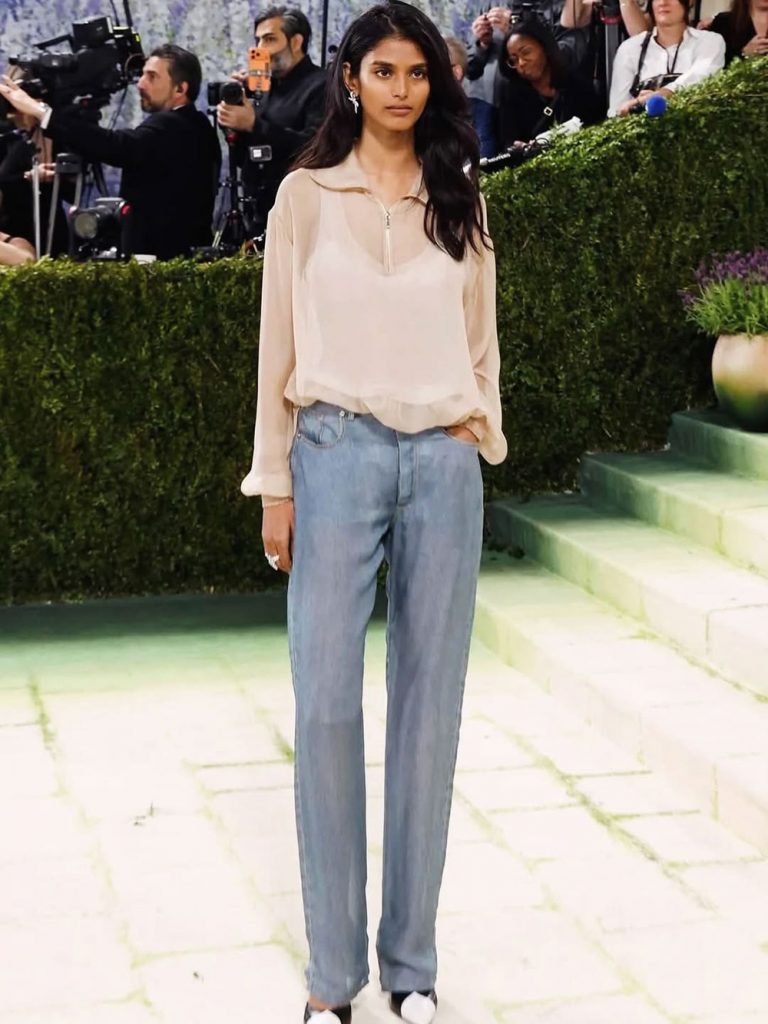
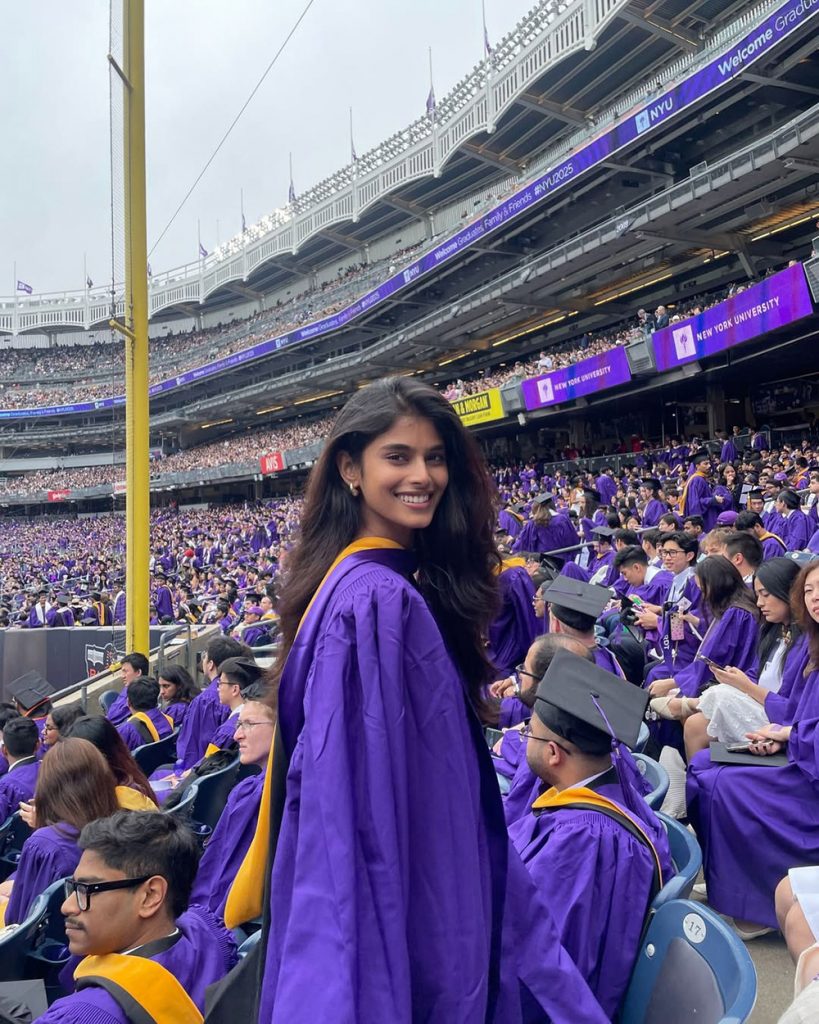
By now, you’ve seen the photographs. Bhavitha Mandava, a 26-year-old Indian model, an architecture graduate turned NYU postgrad turned accidental fashion star standing on the Met Gala steps in what the internet immediately, furiously, collectively decided was too underwhelming. A blouse and jeans. At the Met Gala. Dressed by Chanel. Words like “microaggression,” “disrespect,” and yes, “racist” were hurled at the legacy house.
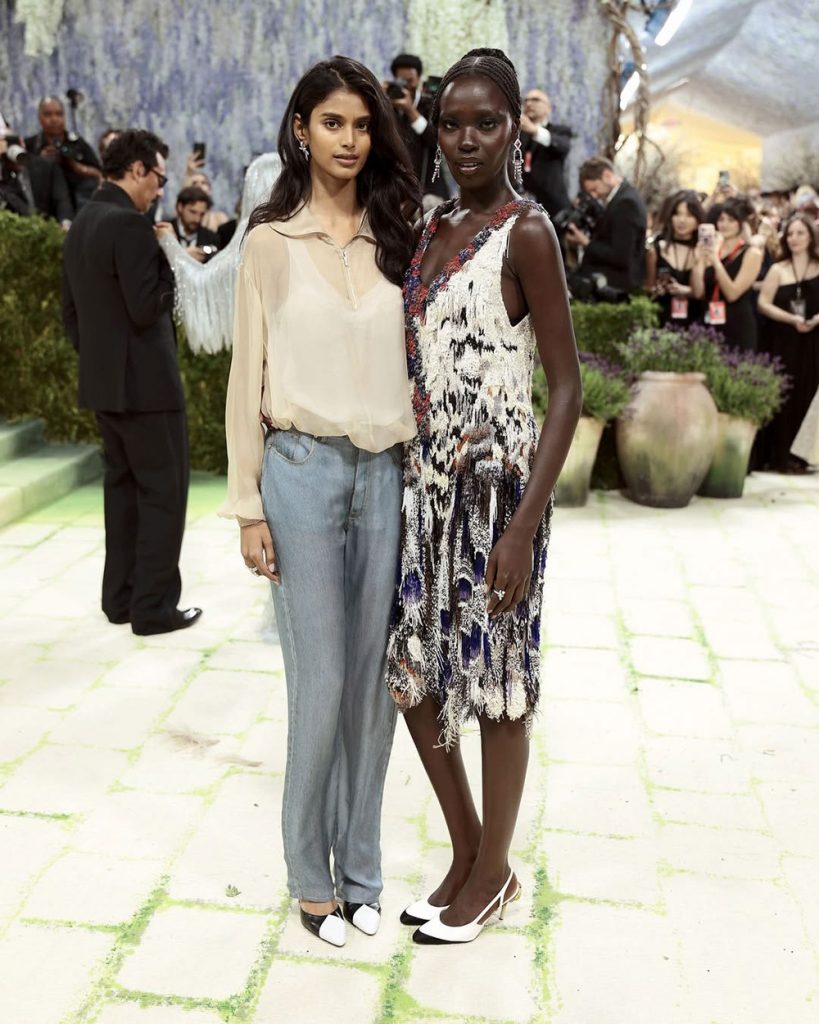
Bhavitha Mandava Makes Met Debut In Jeans And Blouse
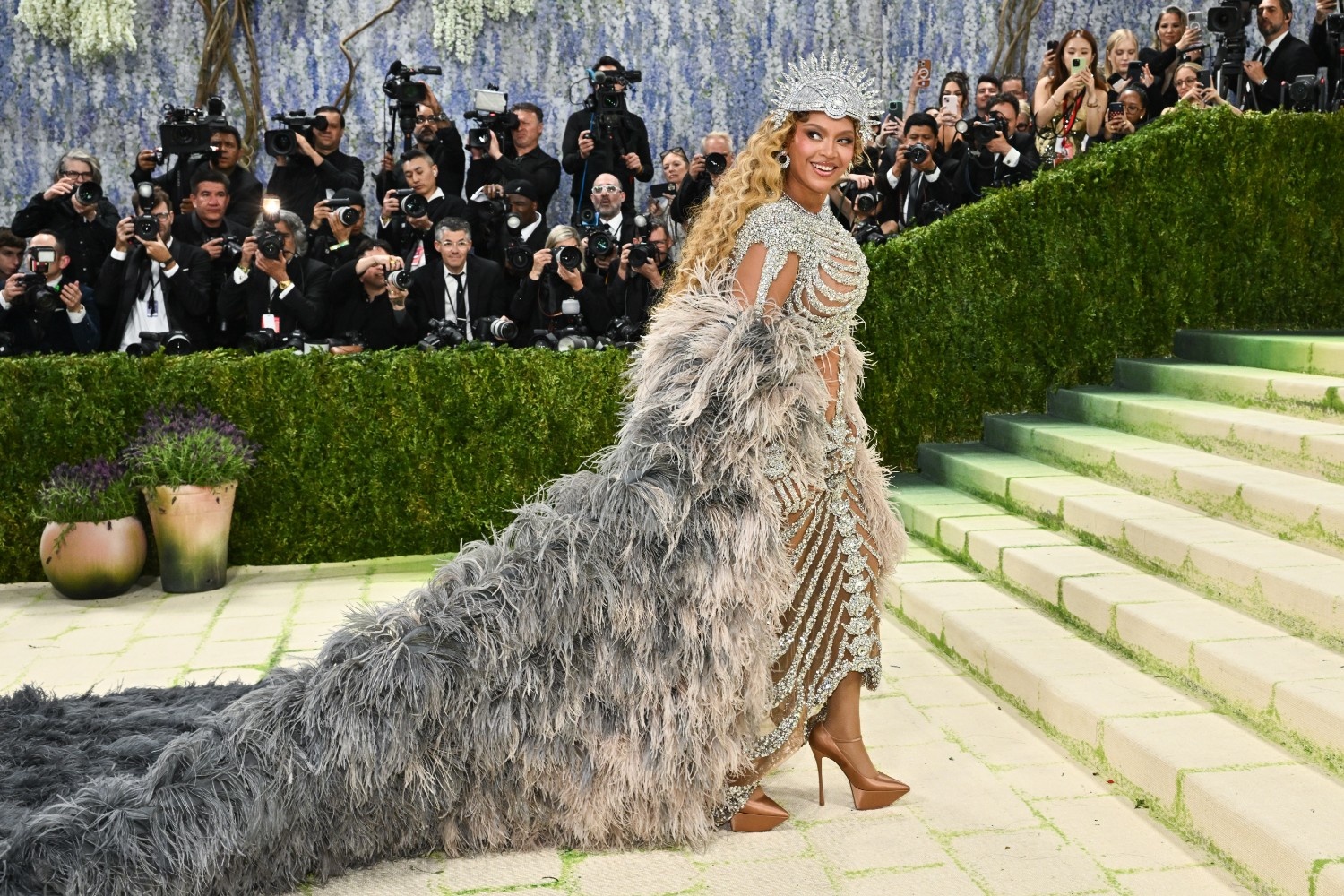
I understand the anger. I truly do. When the first Indian woman to open a Chanel show stands next to the likes of Nicole Kidman and Margot Robbie – who were also in Chanel, by the way – and she is in what reads as a college outfit while they shimmer, the optics are bruising.
The gut reaction is a very human one. Why her, and why this? In 2026, with the luxury fashion industry still under a long-overdue microscope for how it has historically treated models of colour, the question isn’t paranoid but appropriate.
But let me ask you to pause, just for a moment before we condemn. Because there is an alternate reading of this story, and it is one that Chanel itself, and Bhavitha herself, has offered. The question is whether we are willing to hear it.
View this post on Instagram
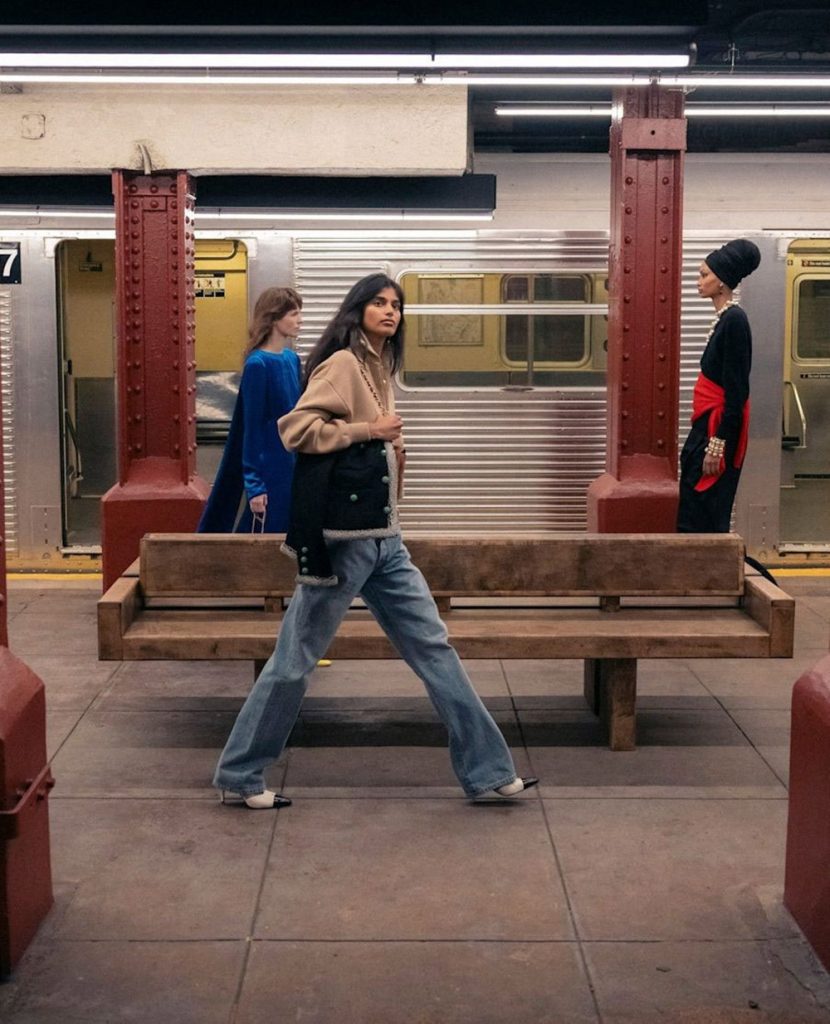
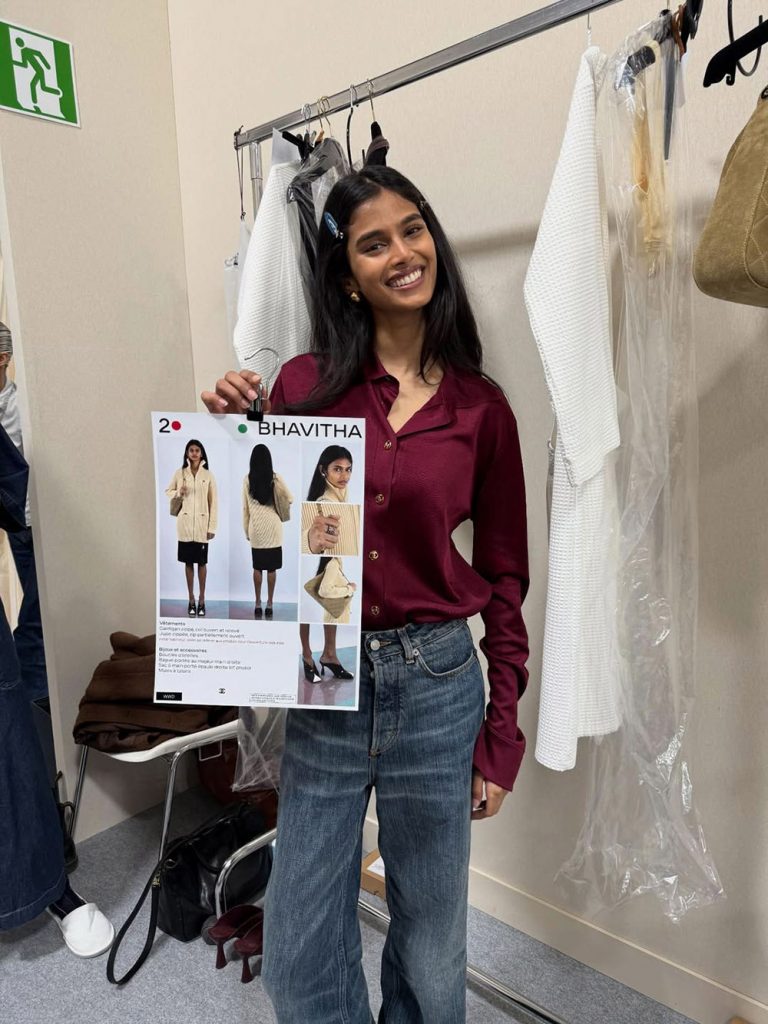
Let us rewind. December 2025. The Métiers d’Art show. Matthieu Blazy – the man who famously dressed models in what looked like basic knitwear at Bottega Veneta, only for the fashion world to collectively gasp when they realised it was all leather – stages Chanel’s most talked-about show in years on a New York City subway platform. And the model he chooses to open that show? A 25-year-old Indian woman who was discovered on that very subway system, not by a talent agent, but by a fashion director who saw her commuting to class. The symmetry is almost too perfect to be real, which is precisely why it is.
Internet Calls Chanel Racist
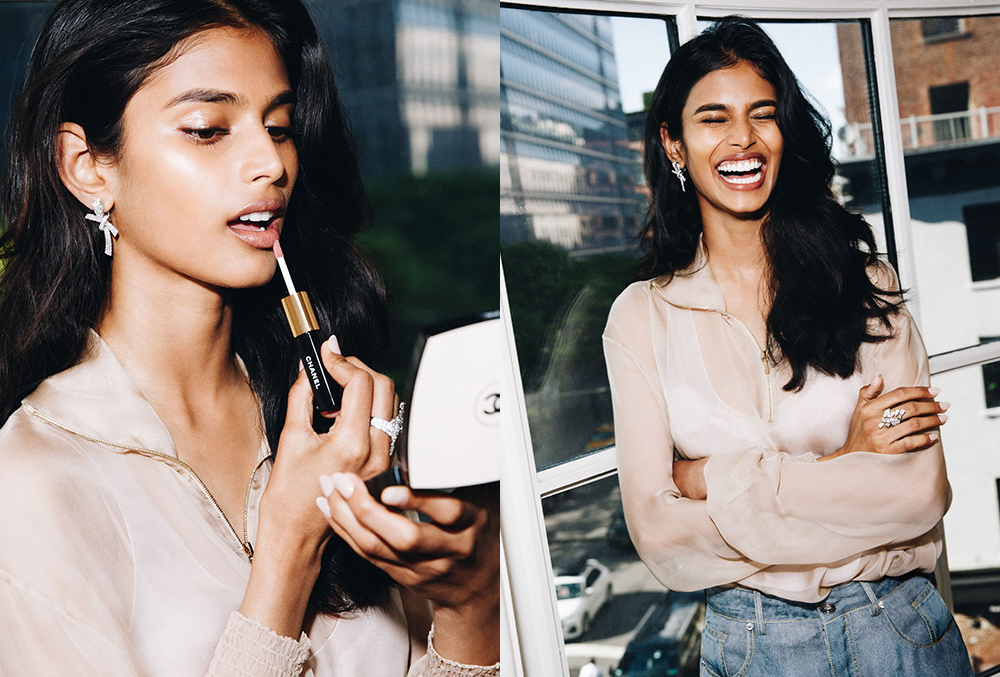
Bhavitha did not walk that show in couture gowns and pearls. She walked it in clothing that mirrored what she wore the day she was found – elevated, yes, reimagined in the Chanel atelier’s hands, but conceptually rooted in the ordinary. Her subway outfit, made extraordinary. That was the point.
Also Read: 19-Year-Old Dal-Chawal Lover From Raipur Walks Her Way To Chanel
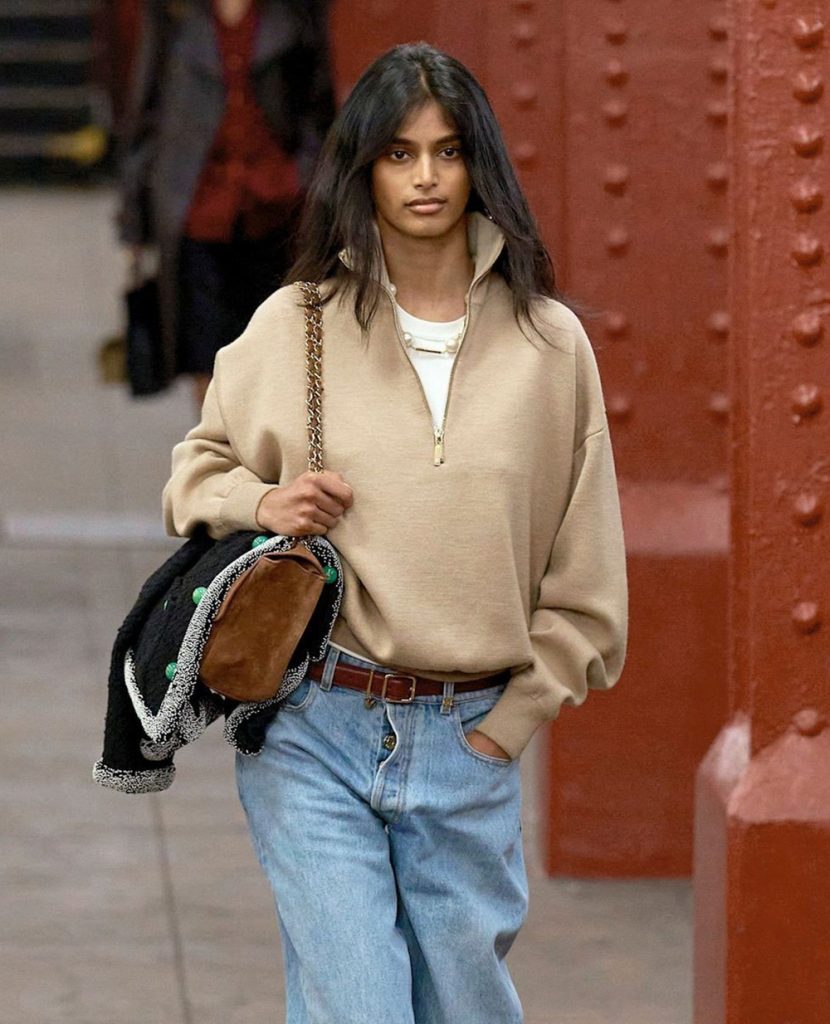
Fast-forward to the Met Gala. The look she wore, officially described as a beige muslin half-zip sweater over a white muslin top and muslin-printed pants with a blue denim effect took 250 hours to construct. It is haute couture. The “denim” is ultra-fine silk engineered by the Chanel ateliers to mimic the texture of everyday fabric. This is Blazy’s signature language: the democratisation of the extraordinary, the radical notion that a pair of jeans, rendered in silk by the most skilled hands in Paris, might be more subversive and more beautiful than a ballgown.
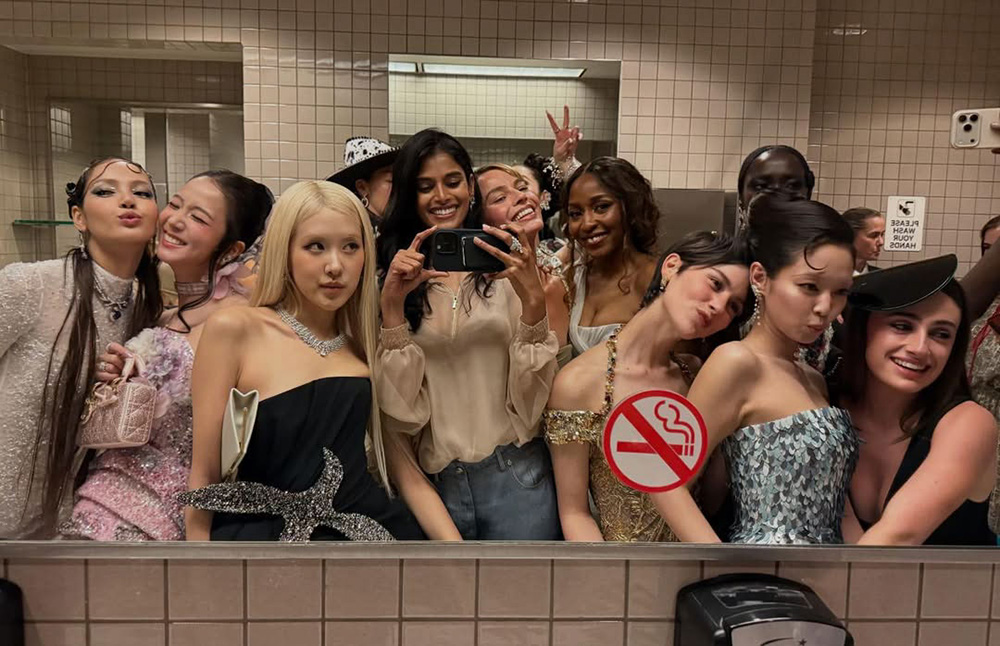
And Bhavitha herself confirmed that when she saw the sketch, she had to stop. Because the look was a direct echo of her Métiers d’Art look – the one that made her. Chanel was not reaching for a random outfit. They were building a mythology.
The Story Behind Bhavitha Mandava’s Met 2026 Look
Chanel didn’t dress her down. They dressed her as herself, which, if you understand what this house has done for a century, is the highest compliment they know how to give.
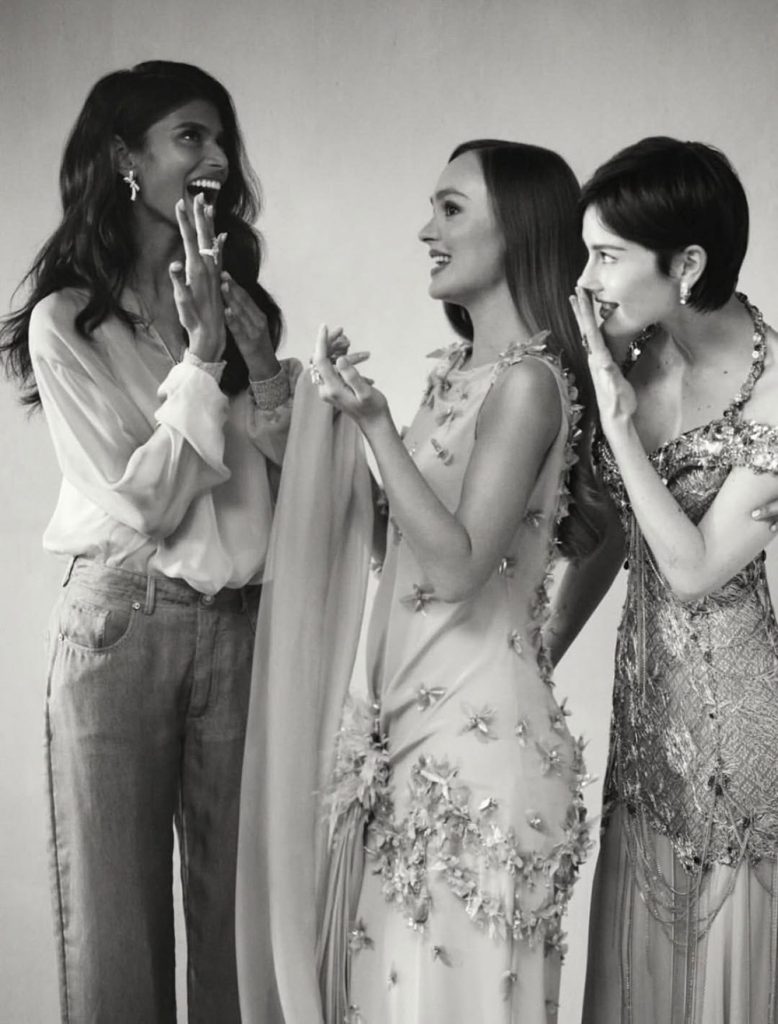
Here is where I want to play devil’s advocate most seriously. Consider who else Chanel dressed that night. Jennie. Margot Robbie. Lily-Rose Depp. Ayo Edibiri. Awar Odhiang. The argument that Bhavitha was singled out for a “lesser” look does not hold up under scrutiny when you consider that Blazy has dressed multiple women across that carpet in varying registers of the same aesthetic vision. Not everyone was in feathers and sequins. Chanel is, under Blazy, a house that is actively resisting spectacle for spectacle’s sake.
Is it possible, genuinely, honestly possible, that we are applying a racist framework to a reading of this situation, rather than exposing one? That because Bhavitha is Brown, we have decided she was relegated, when in fact she was chosen to carry the most personal, most narratively resonant look of the evening? That the anger, however well-intentioned, is inadvertently saying that a Brown woman could not possibly have been given the most meaningful outfit in the room?
I am not saying Chanel is beyond reproach. The fashion industry has a long, documented, ugly history of using models of colour as props and that history means we are right to interrogate, right to question, right to demand accountability. But interrogation requires nuance. It requires us to sit with discomfort long enough to ask whether we are seeing clearly, or whether we are so primed for betrayal that we cannot recognise the alternative – intentional, deliberate, narrative storytelling.
Questions Worth Asking
If a white model had worn this exact look with this exact backstory would we have called it “genius” instead of “racist”?
Bhavitha herself chose to wear this. She told British Vogue the look moved her. Are we comfortable overriding her own relationship with her moment?
She told British Vogue, “I just want to show up as myself, honestly and fully, and if that can mean something to someone else, then that feels like enough.”
Blazy’s entire body of work at Bottega and now Chanel is built on elevating the everyday into the extraordinary. Is it possible we missed the point, not Chanel?
What does it say about our own assumptions when we decide that simplicity on a Brown woman must mean disrespect, rather than trust?
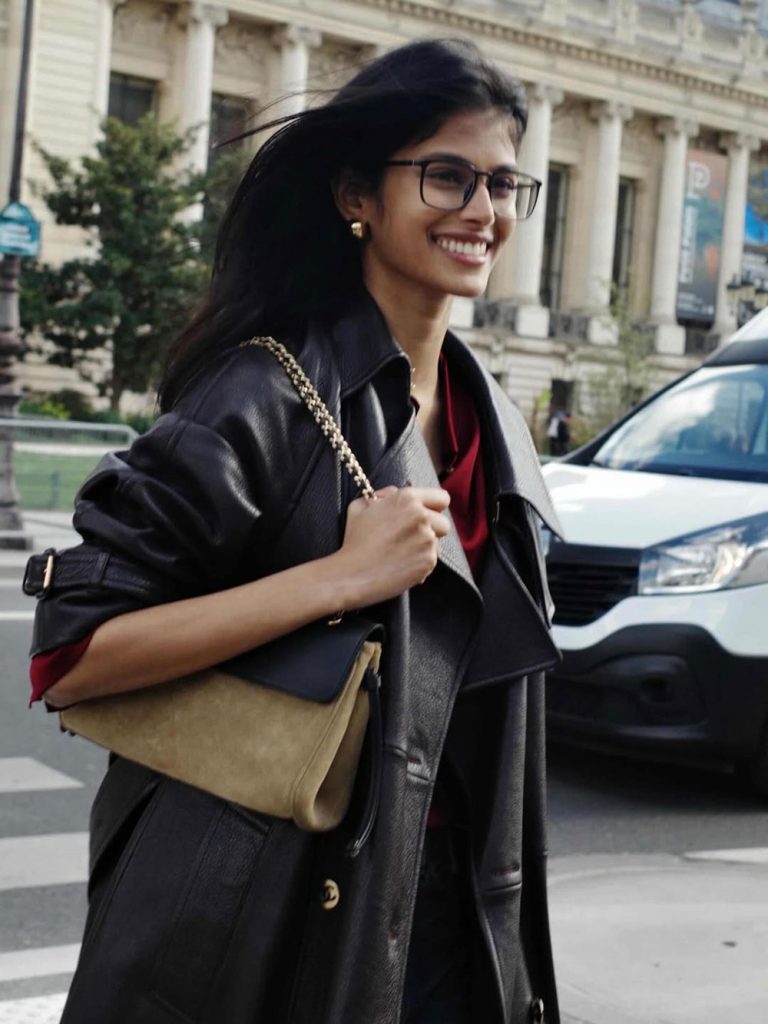
If Chanel chose Bhavitha to open their most important show of 2025, would a house that truly didn’t value her then send her to the Met Gala in something meaningless? Or does that not fit the narrative we’ve already decided?
None of this means the criticism is wrong to exist. Outrage can be a first draft. But a final verdict requires more than a photograph or video taken at a distance on a red carpet. It requires context. It requires asking the subject herself. It requires knowing that 250 hours of Parisian handcraft went into that “blouse and jeans.”
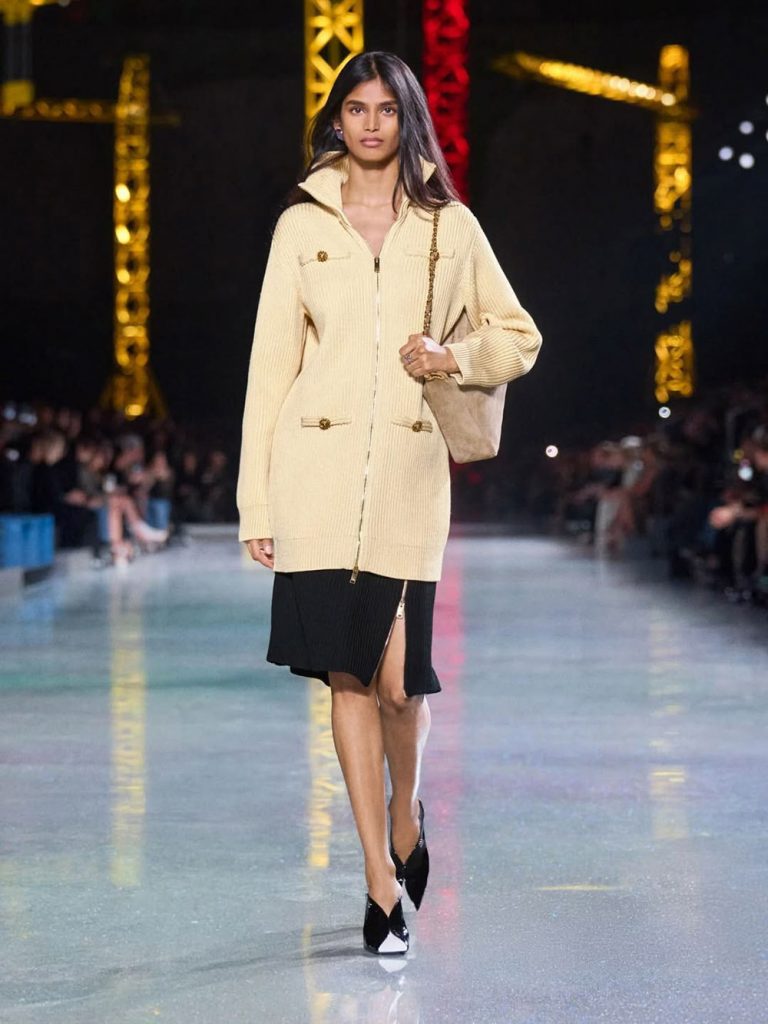
Bhavitha Mandava was discovered on a subway. She opened Chanel’s most symbolic show on a subway platform. She walked the Met Gala in a couture reimagining of the clothes she wore on the day her life changed. Whether you read that as poetry or politics will reveal more about your own lens than Chanel’s intentions. The question was never really about the jeans. It was about whether we believe a Brown woman deserves to be the protagonist of a story this beautiful. I would argue she already is. The only debate is whether we’re paying close enough attention to see it.
Also Read: Isha Ambani Brings A $100,000 Mango To The Met Gala
Note: The opinions presented in this article are entirely those of the author and do not necessarily represent the views of Outlook Luxe.