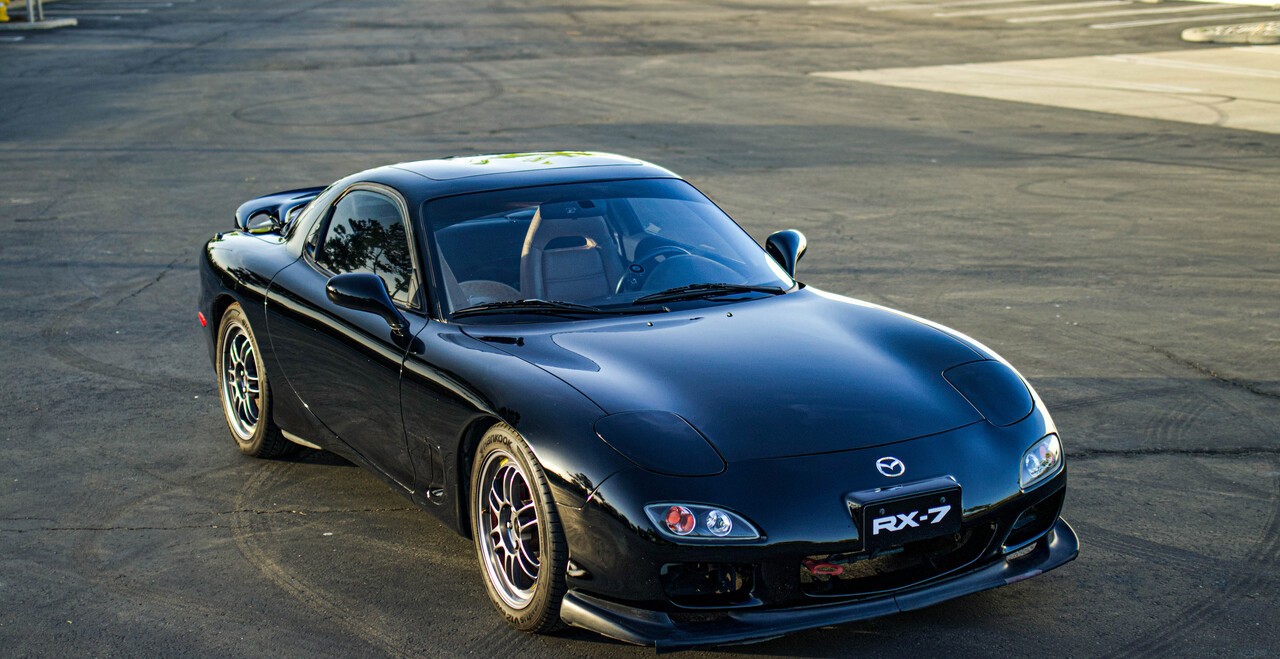


The problem with truly great sports cars is that people rarely understand them when they first arrive. They are too strange, too bold, too clever, and often too expensive for the world around them. They show up like a man wearing a tuxedo to a village barbecue, completely out of place, but undeniably brilliant. Years later, everyone finally catches up and says, “Ah yes, genius.” Some cars are remembered because they sold well. Others because they were loud. But the truly legendary ones are remembered because they arrived carrying tomorrow in their glovebox. They were machines so far ahead of their time that the rest of the industry spent decades trying to catch up. Here are five of the greatest examples.
McLaren F1
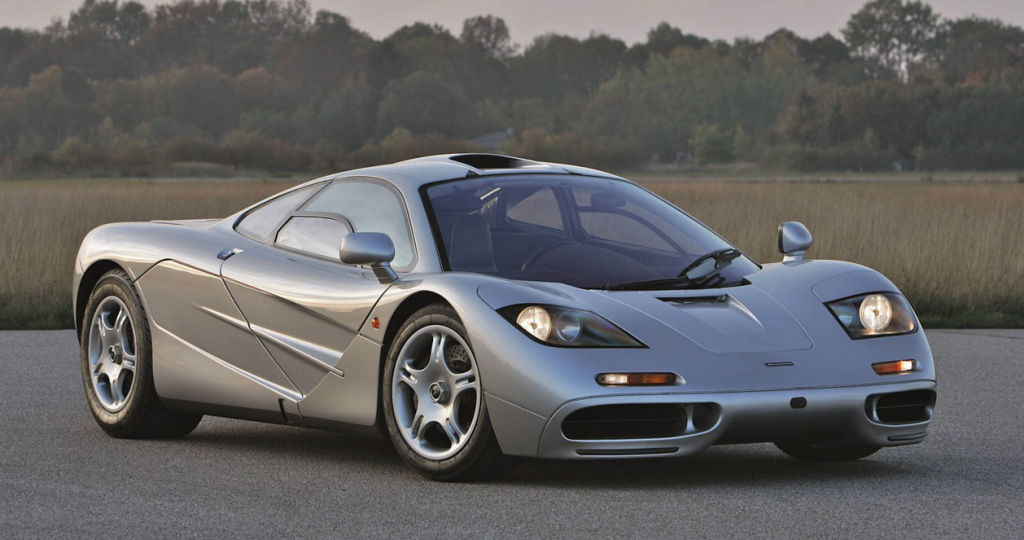
If there were a Nobel Prize for making everyone else look inadequate, the McLaren F1 would have won it in 1992 and probably every year since. Designed by Gordon Murray, it was not just a fast car, it was a rolling insult to conventional engineering. A naturally aspirated 6.1 litre V12 from BMW, a central driving position like a Formula One car, a carbon fibre monocoque before most manufacturers even knew how to pronounce it, and gold foil lining the engine bay because gold reflects heat better. Gold. In the engine bay.
It hit 386 kilometres per hour without turbochargers, hybrid assistance, or electronic trickery. Just engineering brilliance and sheer stubbornness. Even today, it feels like a car from another dimension. Most supercars still feel like they are politely asking permission. The McLaren F1 simply kicked the door down.
Honda NSX
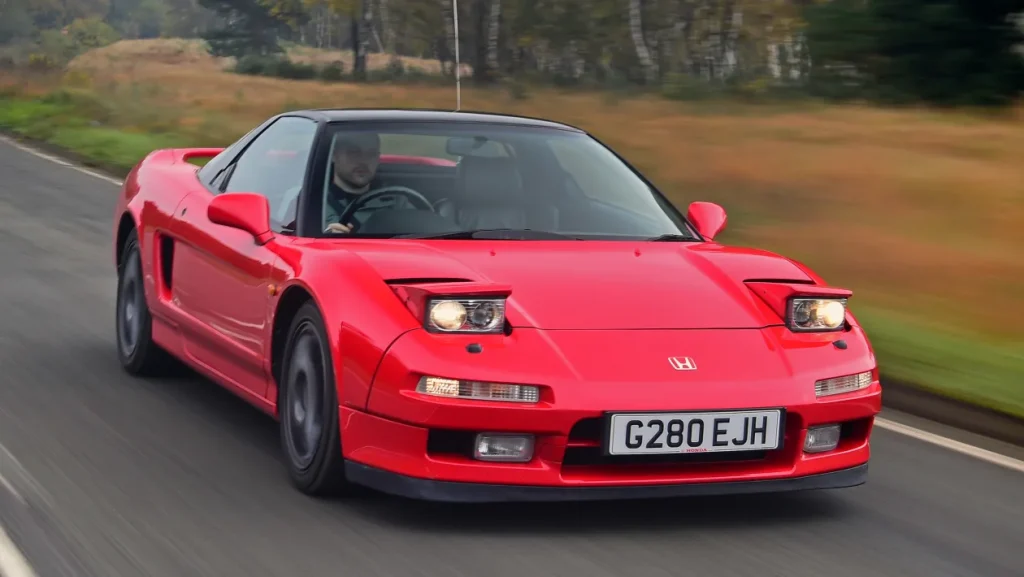
Before the NSX arrived, supercars were like Italian opera singers. Beautiful, dramatic, and prone to collapsing unexpectedly. Then Honda arrived and did something deeply offensive to the establishment. It built a supercar that actually worked every day. The first generation NSX was lightweight, aluminium bodied, razor sharp in corners, and reliable enough to drive to work without needing a priest and a mechanic in the passenger seat. Ayrton Senna himself helped fine tune the chassis, which is rather like asking Mozart to help tune your piano. It proved that precision could be just as exciting as drama. Ferrari hated it. Which is generally a sign that something has gone very right.
Porsche 959
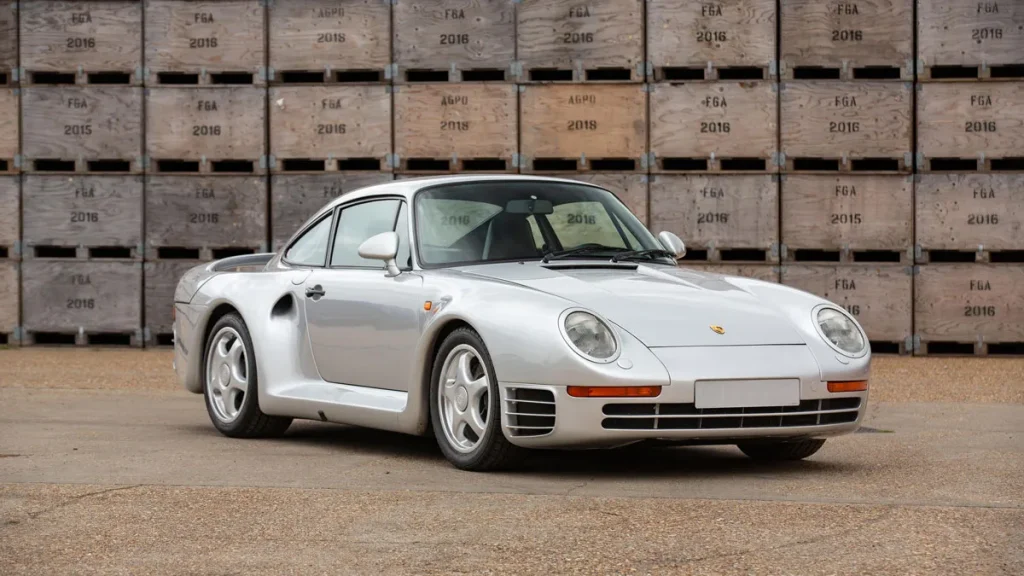
The Porsche 959 looked like a slightly swollen 911, which was rather misleading because underneath it was basically a spacecraft. In the 1980s, while most performance cars were still figuring out how not to kill their owners in the rain, the 959 had all wheel drive, adjustable suspension, tyre pressure monitoring, twin turbocharging, advanced aerodynamics, and electronics so advanced they probably frightened the engineers building them.
It was so expensive to produce that Porsche reportedly lost money on every single one. Which is gloriously irrational and exactly the sort of thing brilliant engineers do when left unsupervised. The 959 was not built for profit. It was built to prove what was possible. And in doing so, it shaped the future of performance cars for decades.
Also Read: The Story Behind Ferrari’s Prancing Horse Logo: History, Meaning And Legacy Explained
Jaguar XJ220
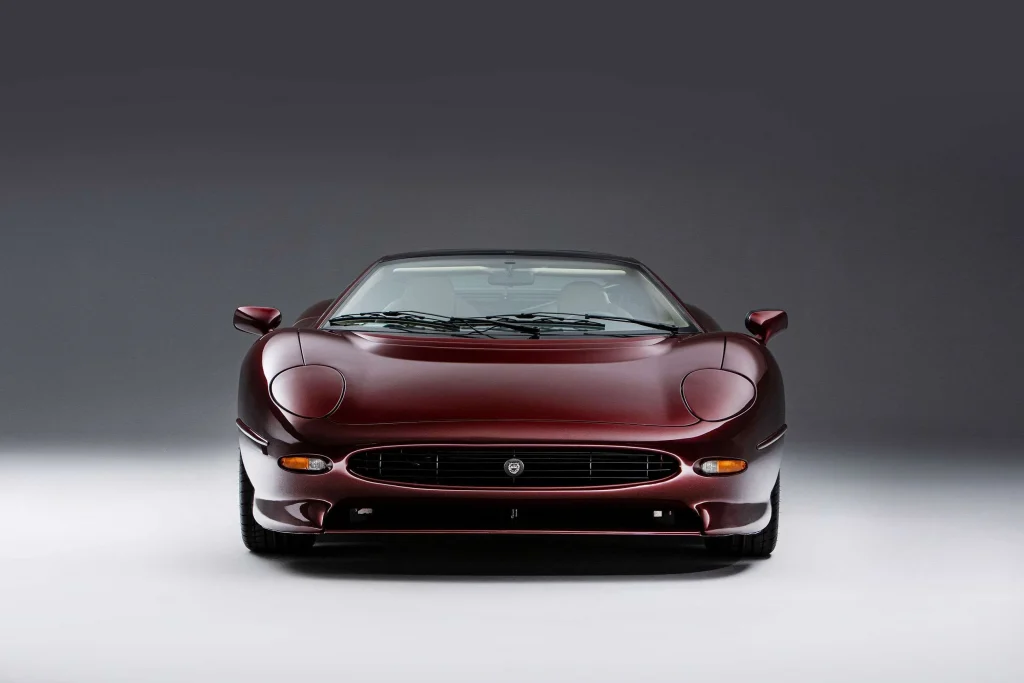
People remember the XJ220 for controversy. It was supposed to have a V12 and all wheel drive, and instead arrived with a twin turbo V6 and rear wheel drive, causing some buyers to react as though civilisation had collapsed. But history has been much kinder. Because what Jaguar actually delivered was one of the fastest production cars on Earth, capable of over 340 kilometres per hour, with styling so sleek it looked like it had been designed by wind itself. It was lighter, sharper, and far more advanced than many realised at the time. The XJ220 was not a disappointment. It was simply misunderstood, which is often the fate of genuinely clever machines.
Mazda RX-7 FD
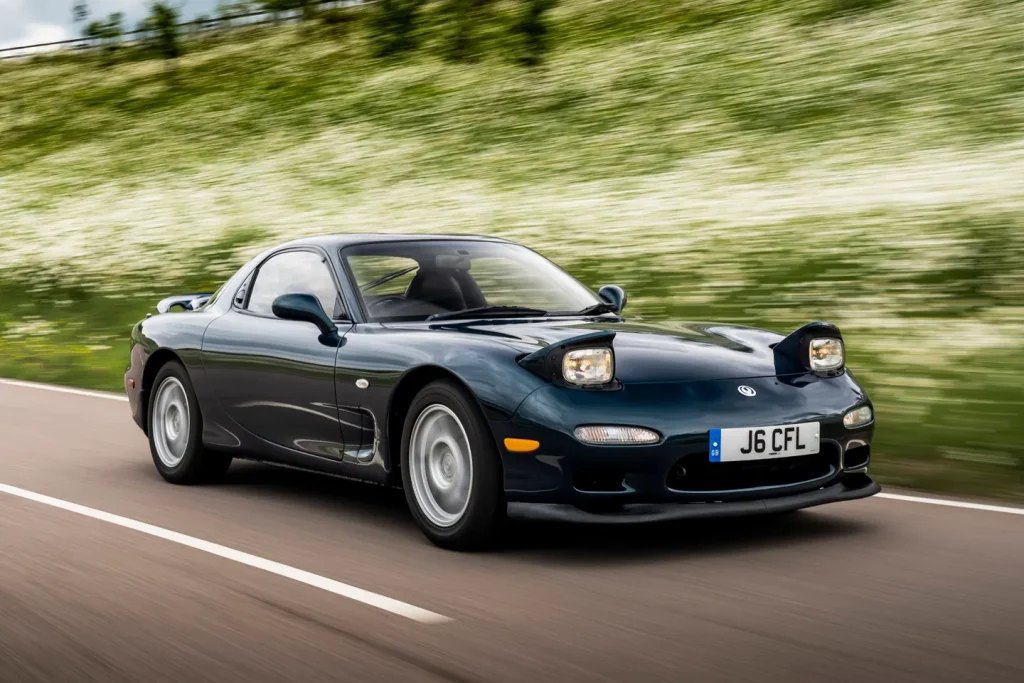
Then there is the FD RX-7, proof that genius sometimes arrives wrapped in madness. While everyone else was busy with pistons doing normal piston things, Mazda decided to keep perfecting the rotary engine, a device that sounds like it was invented during a particularly energetic lunch break. The result was a sports car that was absurdly light, beautifully balanced, and capable of delivering driving joy in its purest form. Twin turbocharged, compact, and gloriously alive in corners, the RX-7 felt like it was dancing rather than driving.