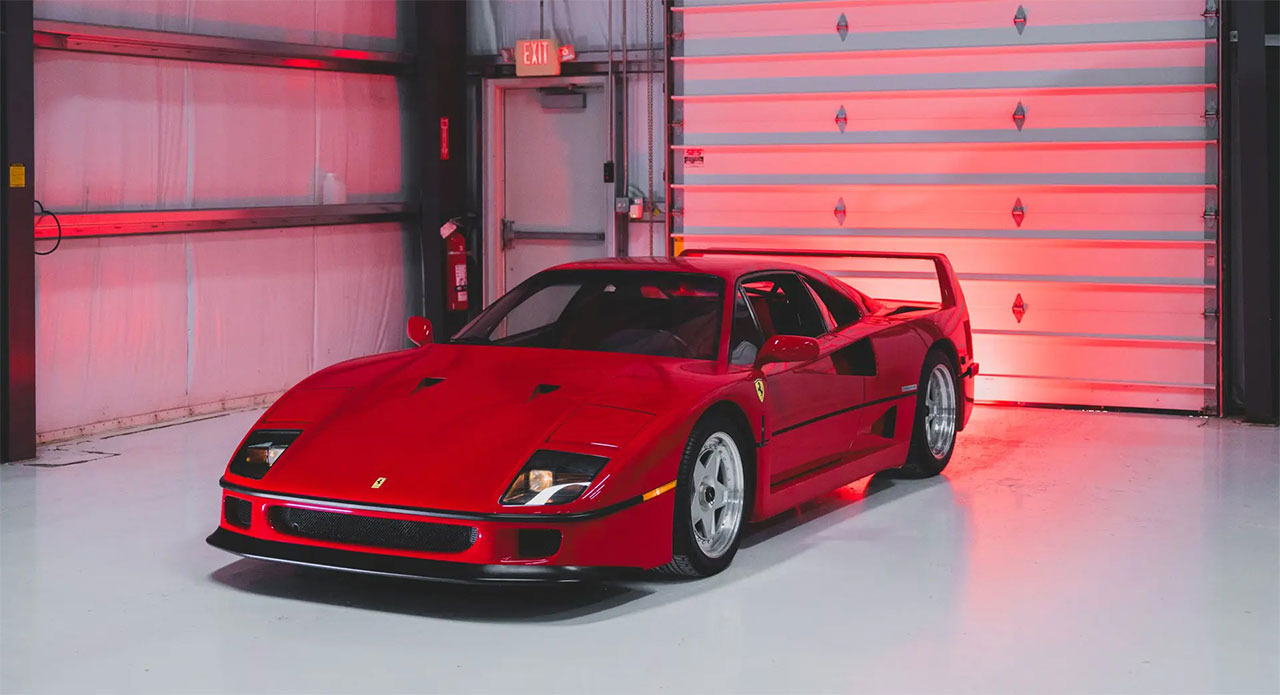


There is a very specific kind of disappointment in the automotive world. Not the sort that ends in smoke and expensive phone calls, nor the quiet humiliation of a car that simply refuses to start. This is subtler, sharper, almost theatrical. You press the accelerator expecting an explosion of speed, and instead there is a pause, a hesitation, a moment that feels like the universe itself is clearing its throat. A moment of hesitation that separates anticipation from explosion. That, in all its maddening glory, is turbo lag.
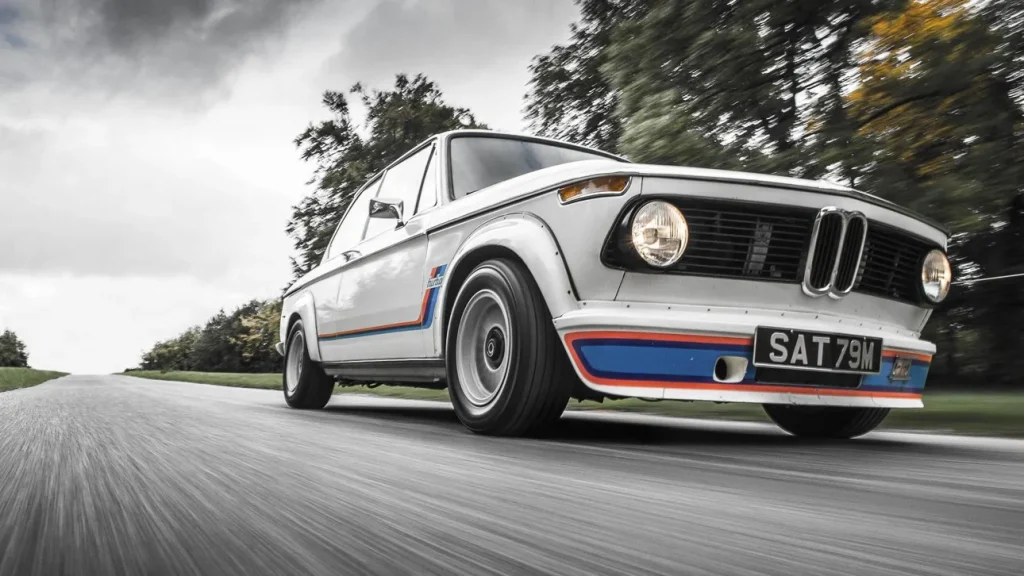
To understand this peculiar pause, one must first look at the turbocharger, a device that is equal parts brilliance and mischief. It takes exhaust gases, which would otherwise be flung out into the atmosphere with all the ceremony of yesterday’s news, and uses them to spin a turbine. That turbine forces more air into the engine, which in turn allows more fuel to be burned, producing more power. It is engineering at its most opportunistic, turning waste into performance. But it is not instantaneous. A mechanical pause that can thrill or frustrate in equal measure, because the turbo must first wake up before it can perform.
In a turbocharged engine, the sequence is almost comically elaborate. You press the throttle, the engine begins to produce exhaust gases, those gases spin the turbine, the turbine drives the compressor, and the compressor finally forces air into the engine with enough enthusiasm to make a difference. Only then does the car surge forward with the sort of urgency you were expecting in the first place. But that chain reaction, however rapid on paper, introduces a delay. Turbo lag is not a flaw but a fascinating consequence of forced ambition, a byproduct of asking an engine to do more than it naturally would.
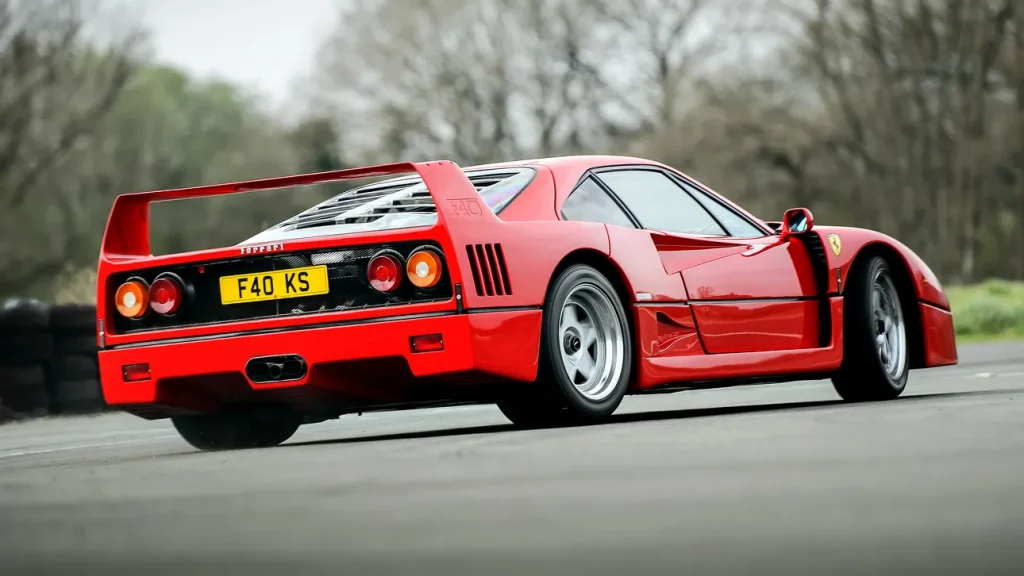
Older turbocharged cars, bless them, were particularly dramatic about this. They behaved like a reluctant orchestra that suddenly decides to play at full volume. Nothing happens for what feels like an age, and then, without warning, everything happens at once. Modern engineering has tamed this somewhat with clever solutions such as smaller turbos, twin scroll designs, and electronic wizardry that would make a space agency nod in approval. Yet the fundamental truth remains unchanged. You cannot summon boost from nothing. Physics, stubborn as ever, insists on its due process.
Also Read: What Causes Oversteer, Understeer? Engine Types, Grip And Driving Dynamics
Now, consider the naturally aspirated engine, which sounds rather poetic but is in fact just an engine breathing on its own, without the assistance of forced induction. Here, there is no turbo, no turbine waiting to spool, no dramatic buildup. Press the throttle, and the engine responds immediately, cleanly, predictably. It is like a well drilled soldier reacting to a command rather than a diva waiting for the spotlight. There is no turbo lag because there is no turbo.
That said, even naturally aspirated engines are not entirely free from delay. There exists a faint whisper of hesitation known as throttle response lag, caused by airflow, fuel delivery, and the simple fact that metal components have mass and cannot teleport into motion. But this is a far cry from turbo lag. It is subtle, almost imperceptible, and certainly does not come with the same sense of anticipation. Where the turbocharged engine builds tension before delivering its punch, the naturally aspirated engine simply gets on with the job.
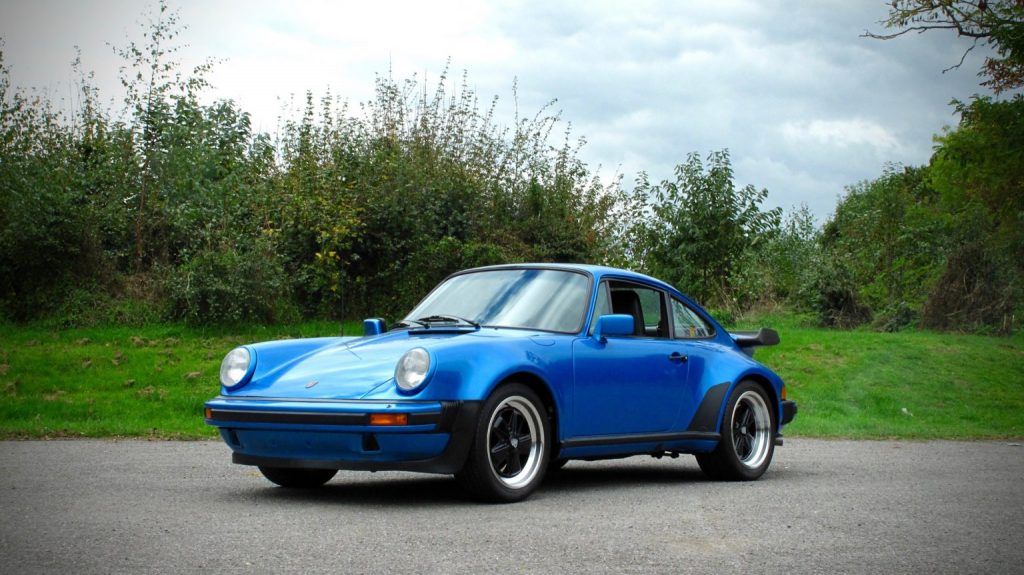
And this is where the personalities diverge rather magnificently. A naturally aspirated engine delivers power in a smooth, linear fashion, building speed with the precision of a scalpel. A turbocharged engine, on the other hand, has a split personality. Below the boost threshold, it can feel unremarkable, even a touch lazy. But once the turbo is fully engaged, it transforms into something altogether more ferocious, delivering a surge of torque that feels like being shoved forward by an invisible hand with a grudge.
Also Read: Rear-Wheel Drive Guide: Understanding Grip, Traction And Handling
This duality has a profound effect on how a car behaves. Turbo lag can make power delivery feel unpredictable if the driver is not paying attention. Apply throttle mid corner, and there may be a brief lull followed by a sudden surge that unsettles the balance of the car. It demands anticipation, a certain mechanical empathy, an understanding that what happens now is the result of what was asked a moment ago. Skilled drivers learn to keep the turbo spinning, to stay within that sweet spot where boost is readily available, to think ahead rather than react. Naturally aspirated engines, by contrast, reward immediacy and finesse. Their predictable response allows for delicate control, making them particularly satisfying on winding roads where precision matters more than outright force. There is no waiting, no guessing, just a direct connection between foot and forward motion. It is a purer, more intuitive experience, albeit one that lacks the theatrical punch of a turbo coming on song.
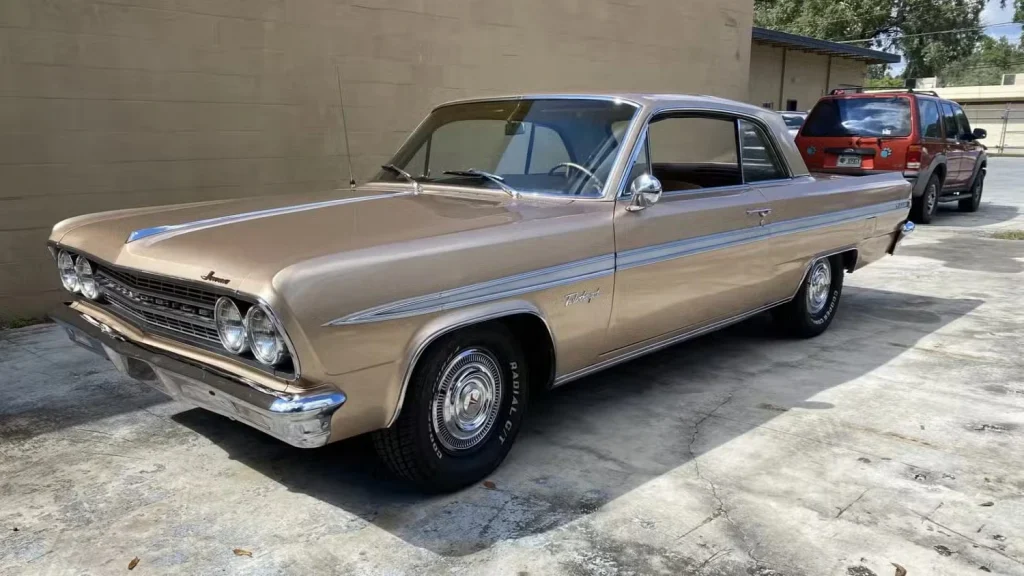
And yet, for all its quirks, turbo lag has an odd, undeniable charm. It creates a sense of drama, a buildup that turns acceleration into an event rather than a mere action. There is a brief, suspended moment where nothing seems to happen, and then suddenly everything does. In that instant, the car feels alive, unpredictable, almost mischievous. In a world increasingly dominated by electric motors that deliver instant, seamless torque with the emotional range of a spreadsheet, turbo lag feels almost nostalgic. It is a reminder that machines have character, that they are governed by physical processes rather than digital perfection. It demands patience, rewards understanding, and occasionally, just occasionally, makes acceleration feel like a small act of theatre rather than a simple push of the pedal.