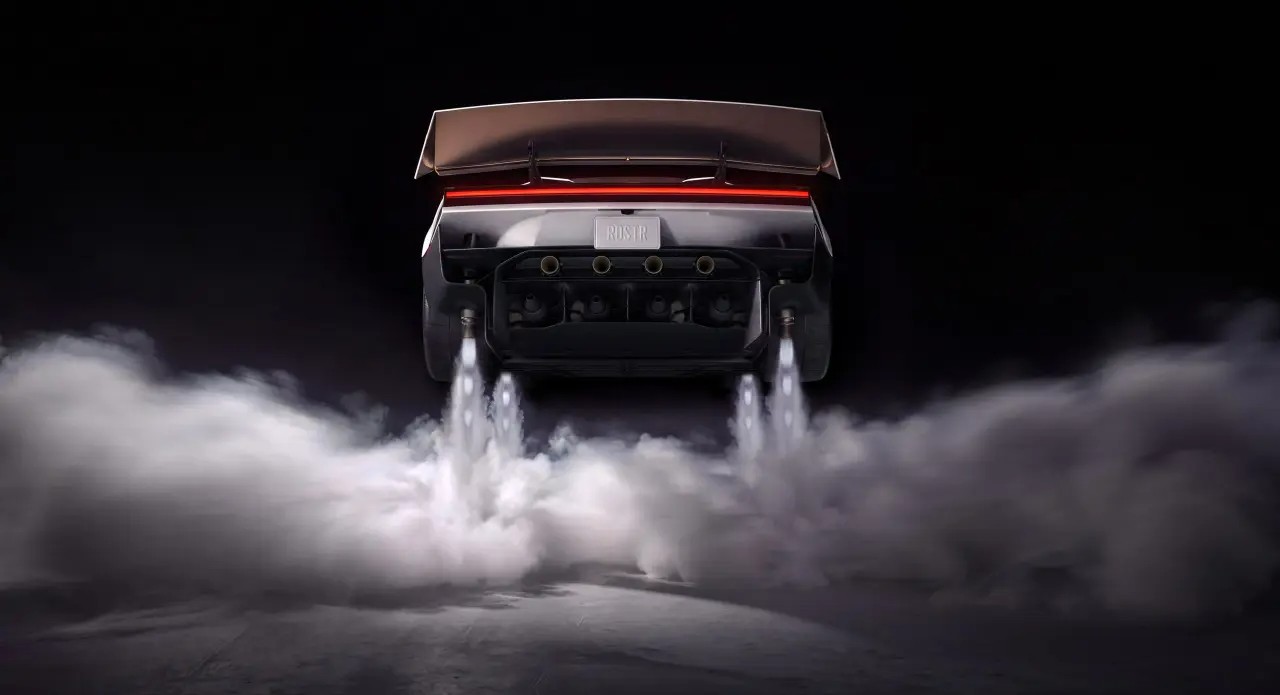


There was a time when making a car corner faster required little more than wider tyres, stiffer suspension, and enough courage to ignore your survival instincts. Manufacturers chased grip by throwing hardware at the problem, while drivers wrestled with understeer, oversteer, and the occasional hedge. Then engineers discovered something rather clever. Instead of asking both driven wheels to behave identically, why not let each wheel do a completely different job? That simple idea gave birth to torque vectoring. It doesn’t make more power, it doesn’t add horsepower, and it certainly won’t impress anyone at the pub with a bigger engine figure. Yet it can completely transform how a car behaves through a corner, making a two tonne SUV feel unexpectedly agile and a supercar almost telepathic. It is one of the most important technologies hiding beneath modern performance cars, and chances are you’ve experienced it without even realising it.
Not Every Wheel Deserves Equal Power
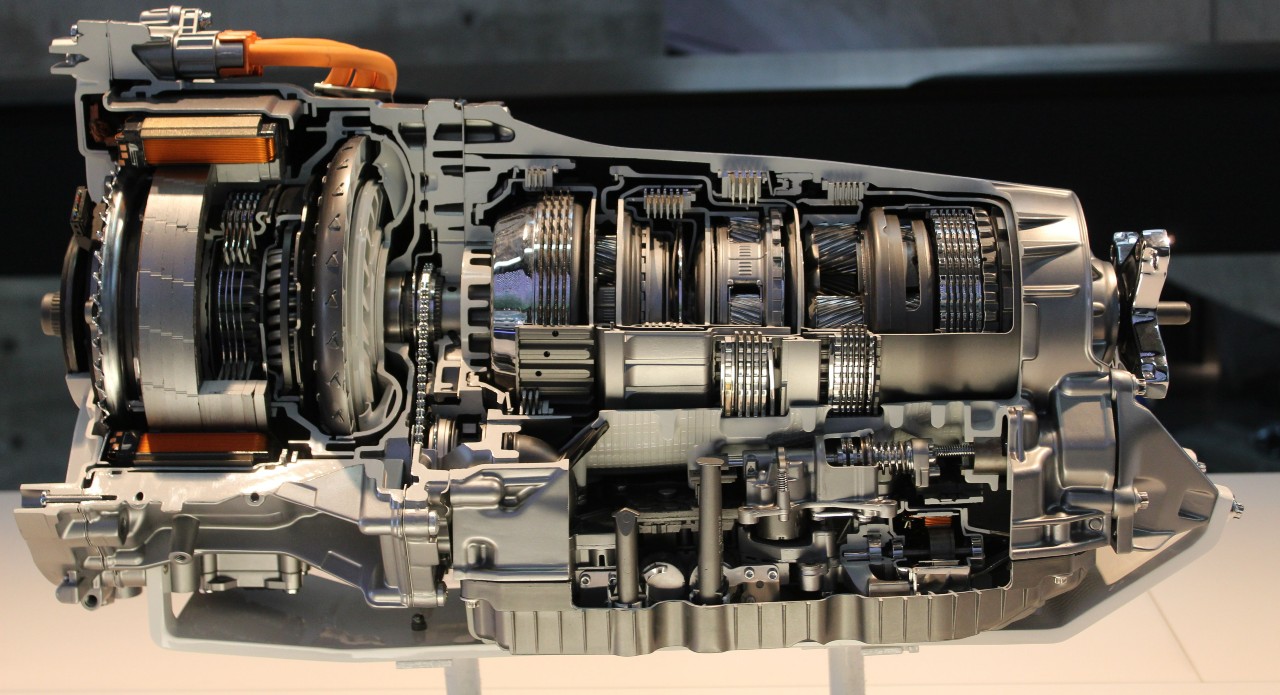
Traditional differentials are wonderfully simple. They split engine power between two driven wheels, allowing them to rotate at different speeds while cornering. The problem is that they still distribute torque rather democratically, even when one wheel desperately needs more power than the other. Torque vectoring changes that equation entirely. Using electronically controlled differentials, multi plate clutches, brake intervention, or electric motors, the system continuously decides exactly how much torque should be delivered to each individual wheel. Hundreds of calculations are made every second using data from steering angle, throttle position, yaw sensors, wheel speed sensors, and lateral acceleration. The result is a car that actively helps itself rotate into a corner rather than resisting it.
Why It Makes Cornering Feel Almost Magical
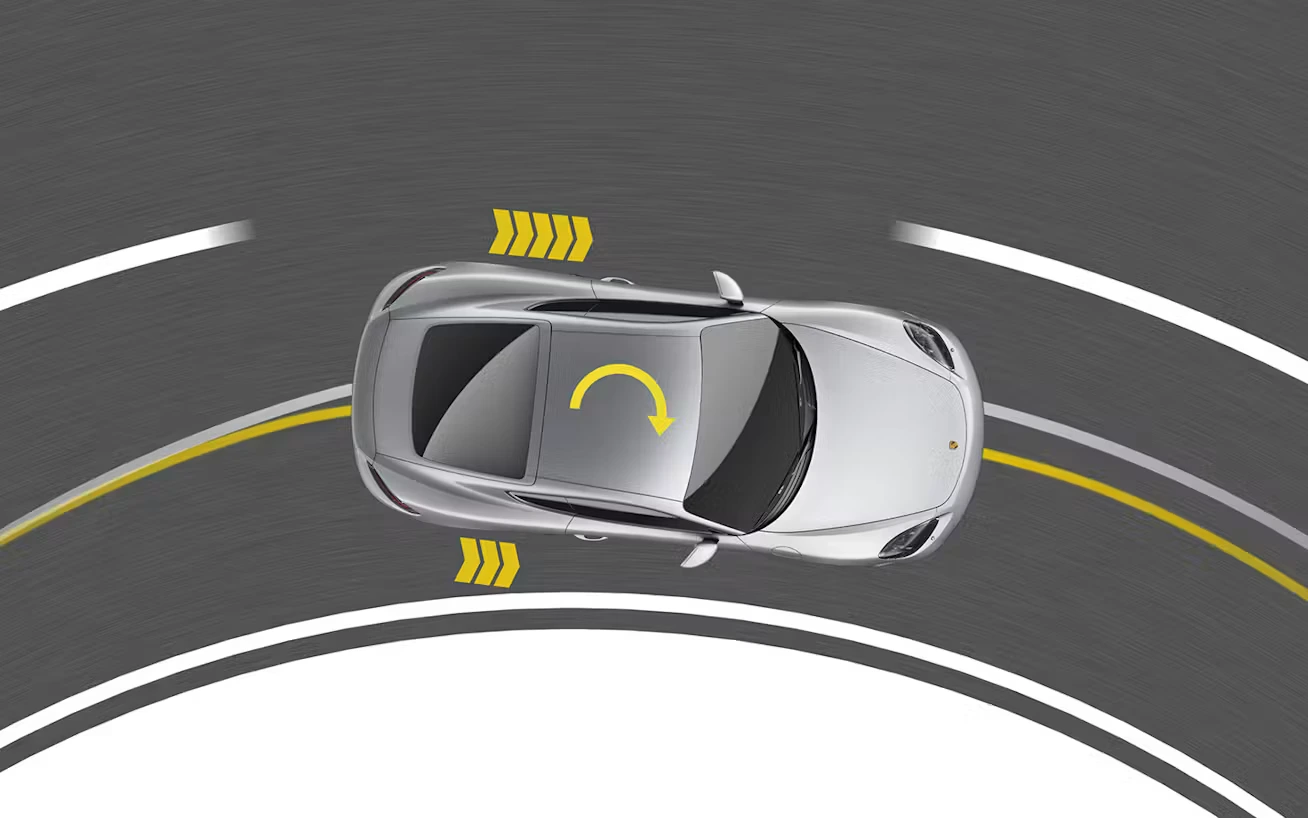
When a car enters a bend, the outside wheels naturally carry more weight and therefore possess greater grip. Torque vectoring exploits this by directing additional power to the outside rear wheel while reducing torque to the inside wheel. That extra push creates a yaw moment, effectively helping the car rotate into the corner instead of pushing wide. The driver needs less steering correction, experiences less understeer, and can apply power much earlier when exiting the bend. It feels almost as though the car has suddenly shed several hundred kilograms, even though nothing about its weight has changed.
Also Read: The Return of Physical Buttons In Premium Cars: Why Drivers Love Them
Mechanical Systems Versus Electronic Intelligence
Not every torque vectoring system works the same way. Performance cars such as those from Lamborghini, Ferrari, Porsche, BMW M, Audi RS, and Acura often employ electronically controlled active differentials that physically redirect engine torque between the rear wheels. These systems are incredibly fast and maintain acceleration while improving agility. Some more affordable cars achieve a similar effect using selective brake intervention. When the inside wheel begins spinning during a corner, the braking system lightly slows that wheel, encouraging torque to flow toward the outside wheel with greater grip. Although slightly less sophisticated, the outcome is surprisingly effective.
Electric vehicles have pushed the technology even further. With independent electric motors driving different axles or even individual wheels, torque can be redistributed almost instantly without relying on mechanical differentials at all. Vehicles such as the Rimac Nevera and Rivian R1T demonstrate just how extraordinary software controlled torque delivery has become.
The Secret Weapon Behind Heavy Performance Cars
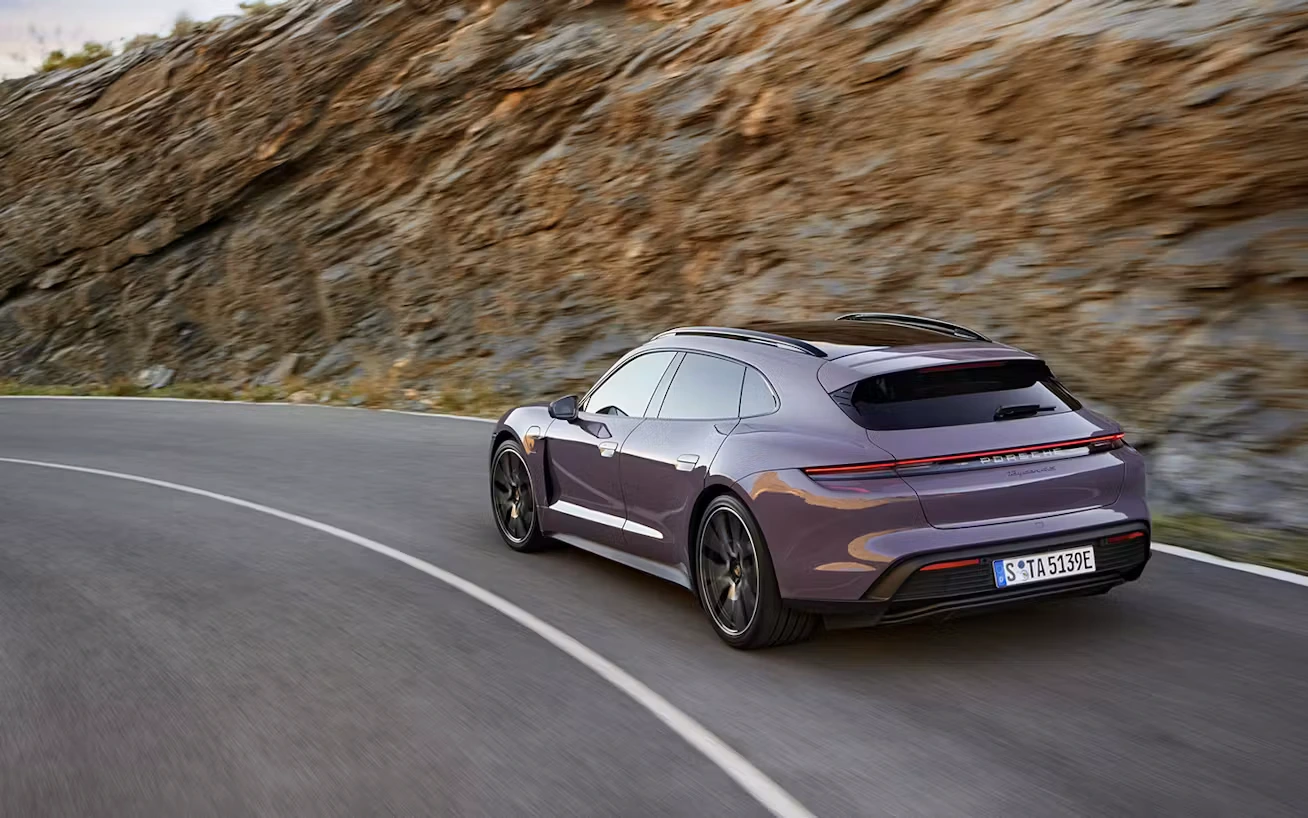
Modern performance cars have become astonishingly heavy. Batteries, safety systems, hybrid components, and luxury equipment mean that even sports cars now weigh considerably more than their predecessors. Without torque vectoring, that extra mass would be painfully obvious in every fast corner. Instead, active torque management disguises the weight remarkably well by constantly adjusting how power reaches the road. It allows large SUVs, luxury saloons, and high performance EVs to change direction with a confidence that would have seemed impossible just a decade ago. It is one of the biggest reasons why today’s two tonne performance machines can embarrass much lighter sports cars around complex circuits.
Also Read: BMW Introduces The New X5 With Multiple Powertrain Options
It Is About More Than Speed
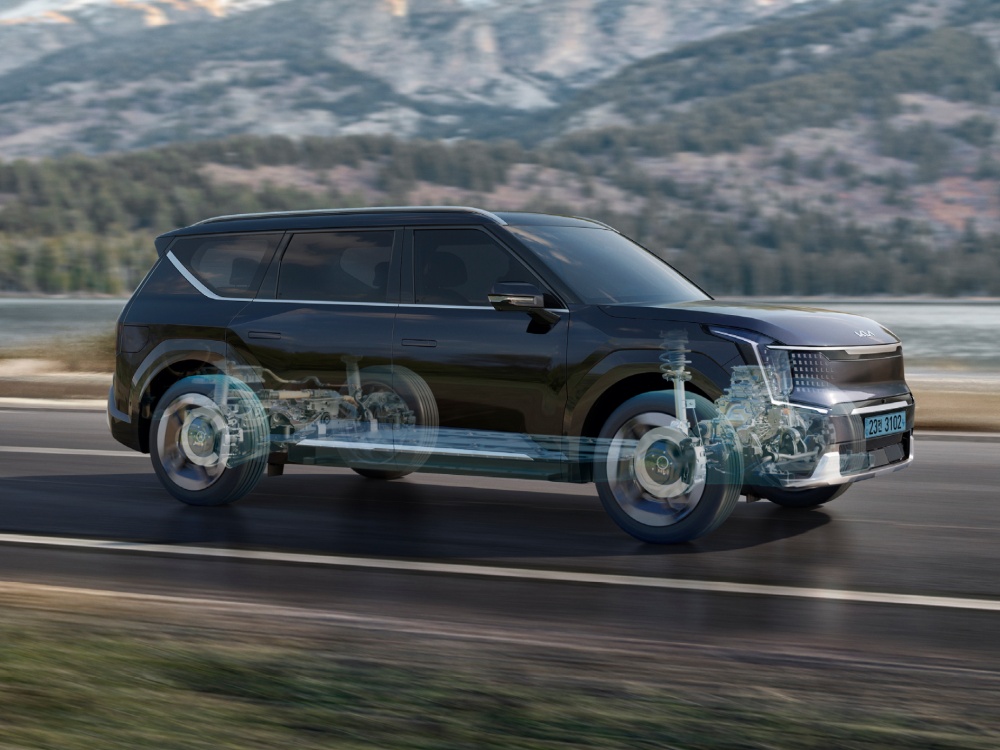
While performance headlines often focus on faster lap times, torque vectoring delivers equally important safety benefits. On slippery roads, during emergency lane changes, or while avoiding sudden obstacles, the system can instantly shift torque to stabilise the vehicle before the driver even notices instability developing. Instead of waiting for traction control or stability control to intervene after grip is lost, torque vectoring works proactively to prevent the situation from occurring in the first place.
That makes everyday driving smoother, safer, and significantly more confidence inspiring. Modern cars are no longer simply machines powered by engines. Increasingly, they are machines powered by software. Torque vectoring perfectly illustrates this transformation. It doesn’t rely on brute force or larger engines. Instead, it uses intelligence, sensors, and split second calculations to make every corner feel cleaner, faster, and more controlled. The next time you drive a car that seems to glide effortlessly through a winding road, there’s a very good chance that somewhere beneath you, invisible computers are quietly deciding which wheel deserves just a little bit more power than the others.