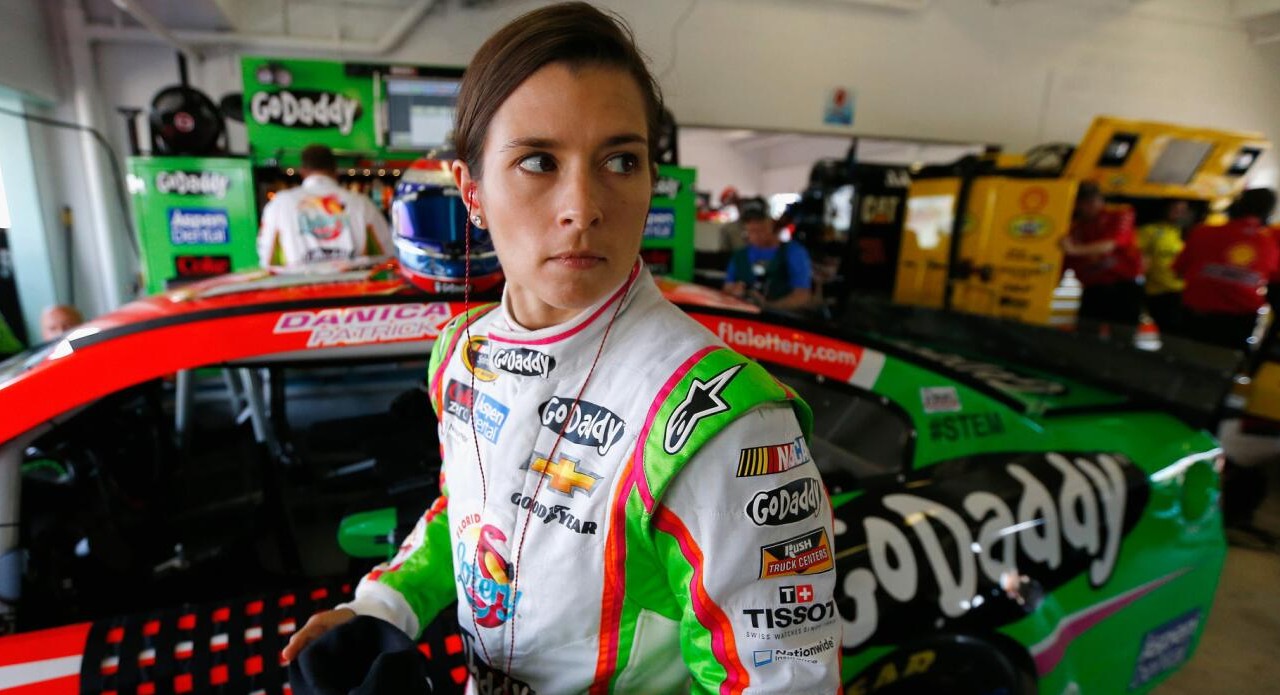


Motorsport has never been short on noise — loud engines, louder opinions and an endless supply of men explaining racing to anyone who didn’t ask. Then Danica Patrick arrived and simply drove past them. No speeches, no slogans, no apologies. She didn’t try to be “one of the boys” or the polite exception; she turned up, put her helmet on and got on with the business of being fast. In a sport that measures respect in lap times and courage in millimetres, Patrick earned both the hard way. Love her or loathe her, she made it impossible for anyone to pretend women didn’t belong behind the wheel anymore.
Early Life And The Making Of A Racer
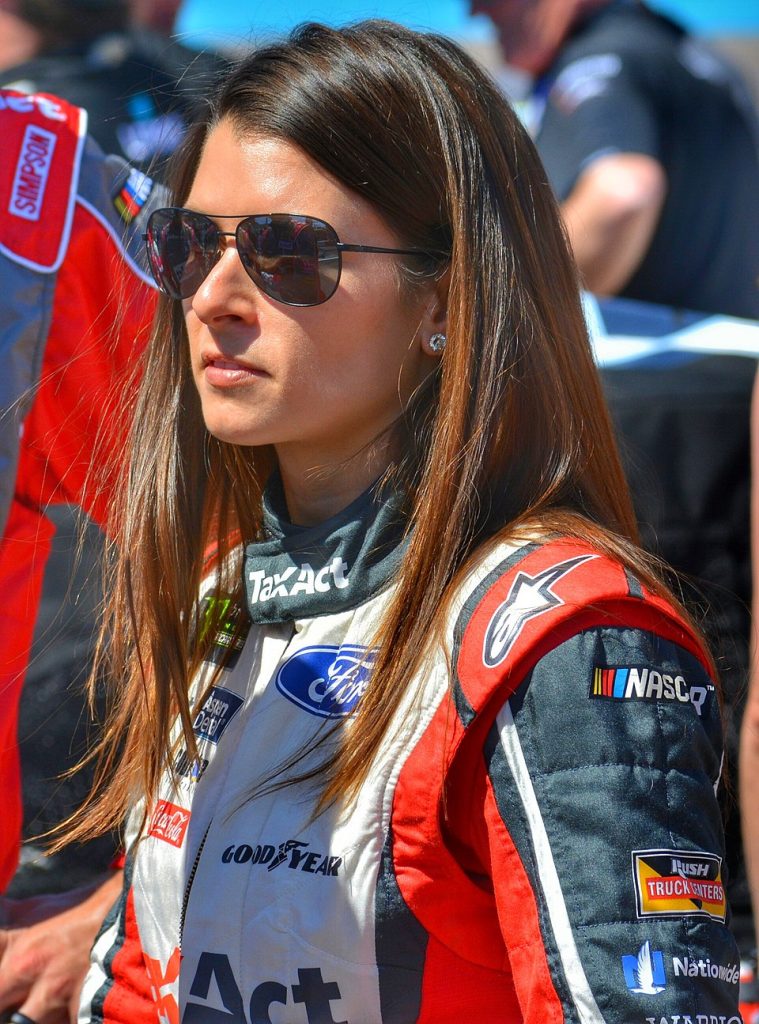
Danica Patrick was born in 1982 in Wisconsin and began racing karts at the age of ten, long before gender debates entered the conversation. Her upbringing revolved around competition, discipline and relentless focus. Supported by her parents, she moved to England as a teenager to pursue open-wheel racing, absorbing the intensity of European motorsport culture. These formative years shaped her aggressive driving style and steely mindset, laying the foundation for a career built on resilience rather than novelty.
Breaking Barriers In IndyCar
Patrick’s breakthrough came in the IndyCar Series, where she didn’t just participate — she contended. In 2005, she stunned the racing world with a fourth-place finish at the Indianapolis 500, the highest ever for a woman at the time. In 2008, she became the first woman to win an IndyCar race, claiming victory at Twin Ring Motegi. These moments weren’t symbolic gestures; they were competitive achievements earned on merit. Patrick proved that talent and bravery, not gender, determine success at 230 miles per hour.
Crossing Over Into NASCAR’s Toughest Arena
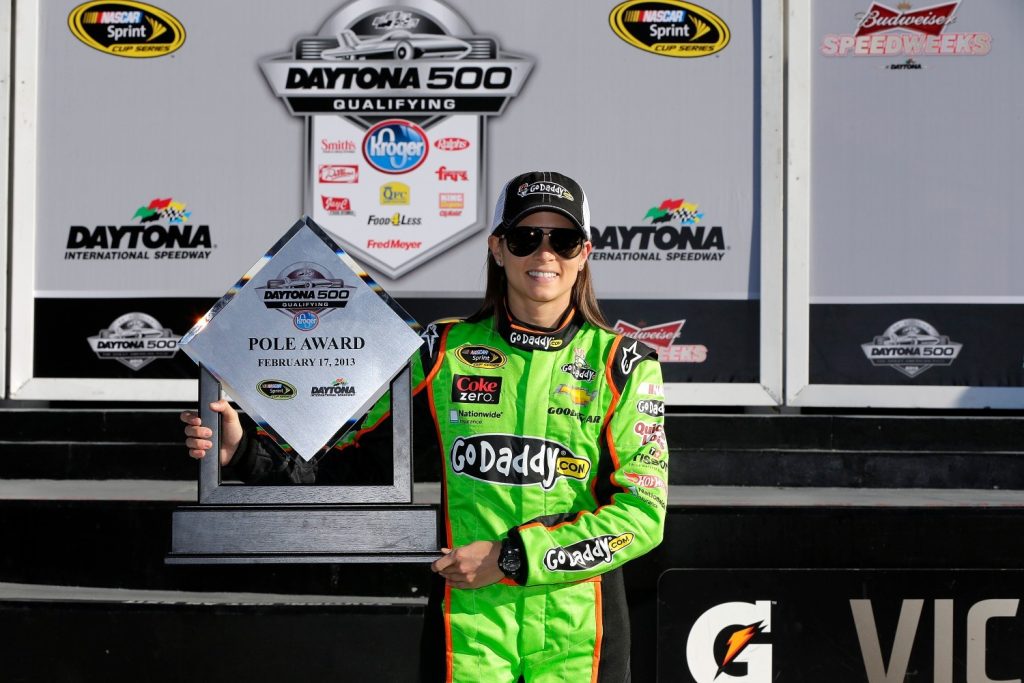
Transitioning from open-wheel racing to NASCAR was never going to be easy, and Patrick knew it. Stock car racing demanded a different rhythm, physicality and tactical patience. While her NASCAR career was met with mixed results, her presence alone reshaped the paddock. She became the first woman to secure a pole position at the Daytona 500 and consistently competed in one of the most demanding motorsport environments in the world. Patrick’s NASCAR years highlighted not perfection, but persistence — the willingness to step into the most unforgiving spotlight and stay there.
Changing The Narrative Around Women In Motorsport
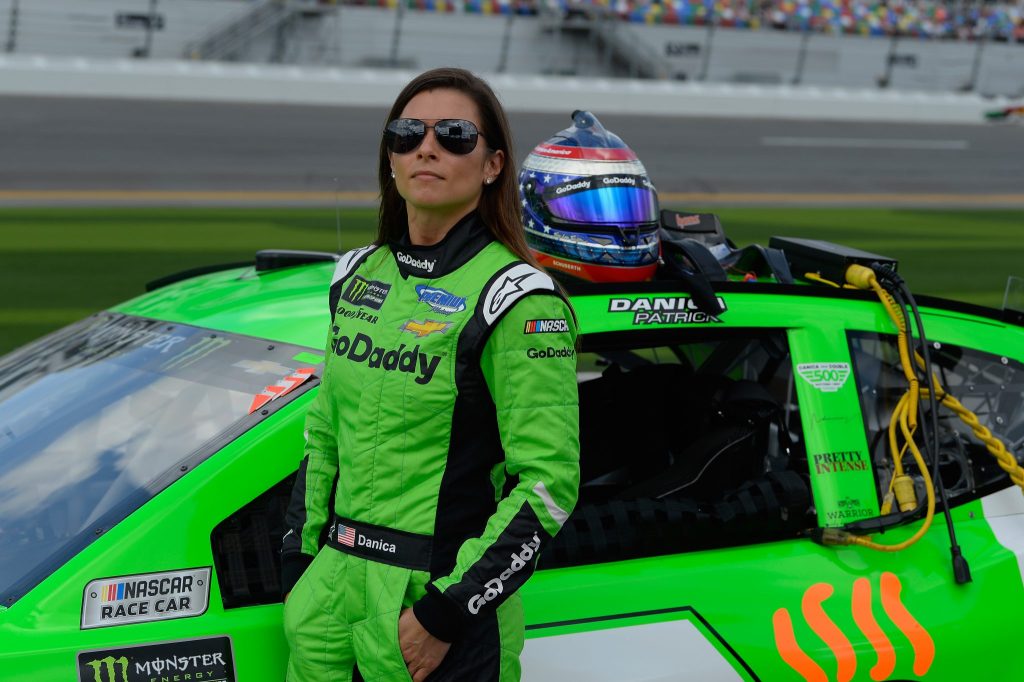
Danica Patrick’s impact goes far beyond trophies. She altered the conversation around women in racing, shifting it from novelty to expectation. Young girls watching her race saw possibility rather than exception. Sponsors, teams and broadcasters were forced to reconsider outdated assumptions about marketability and performance. Patrick didn’t just open doors; she made it awkward for anyone trying to keep them shut. Her visibility normalized the idea that women could be competitive, aggressive and unapologetically ambitious in motorsport.
Life Beyond The Racetrack

After retiring from full-time racing, Patrick transitioned into broadcasting, entrepreneurship and wellness advocacy. She became a respected motorsport analyst, bringing a driver’s insight to race coverage. Her ventures into business, fitness and personal branding showcased the same discipline that defined her racing career. Rather than clinging to nostalgia, Patrick evolved — reinforcing the idea that elite athletes can redefine success on their own terms.
Legacy As An Automotive Role Model
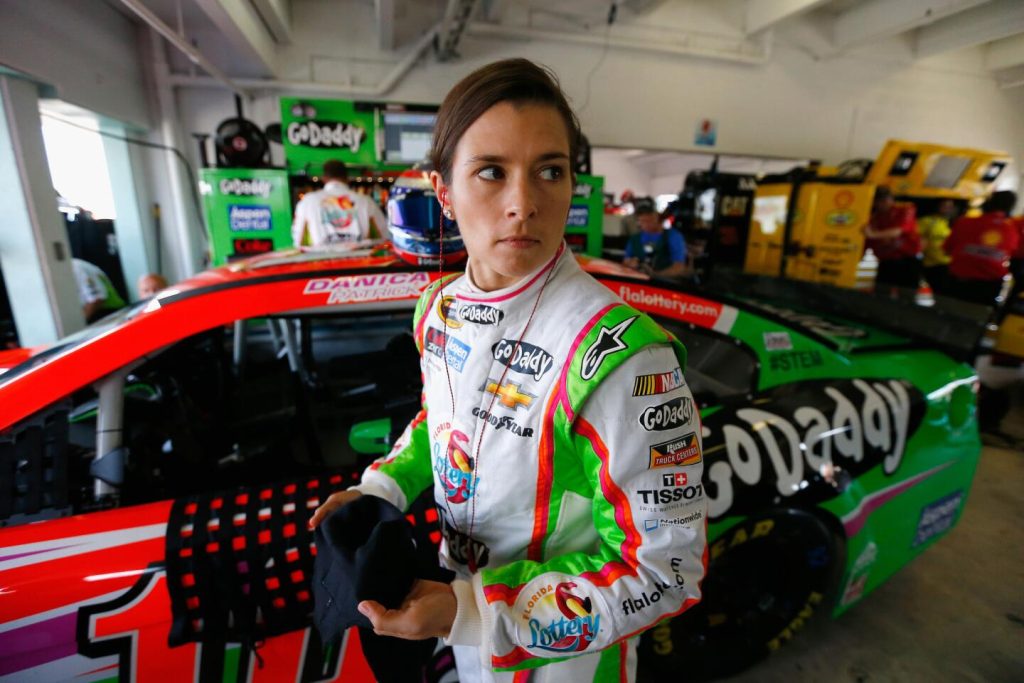
Danica Patrick’s legacy isn’t defined solely by lap times or podiums. It’s defined by disruption. She challenged motorsport’s comfort zone and forced it to modernize its thinking. For aspiring drivers, she represents proof that barriers exist to be tested, not respected. In the broader automotive world, she stands as a reminder that representation matters — not as spectacle, but as substance. Patrick didn’t change racing by asking nicely. She changed it by showing up, driving hard and refusing to be ignored.