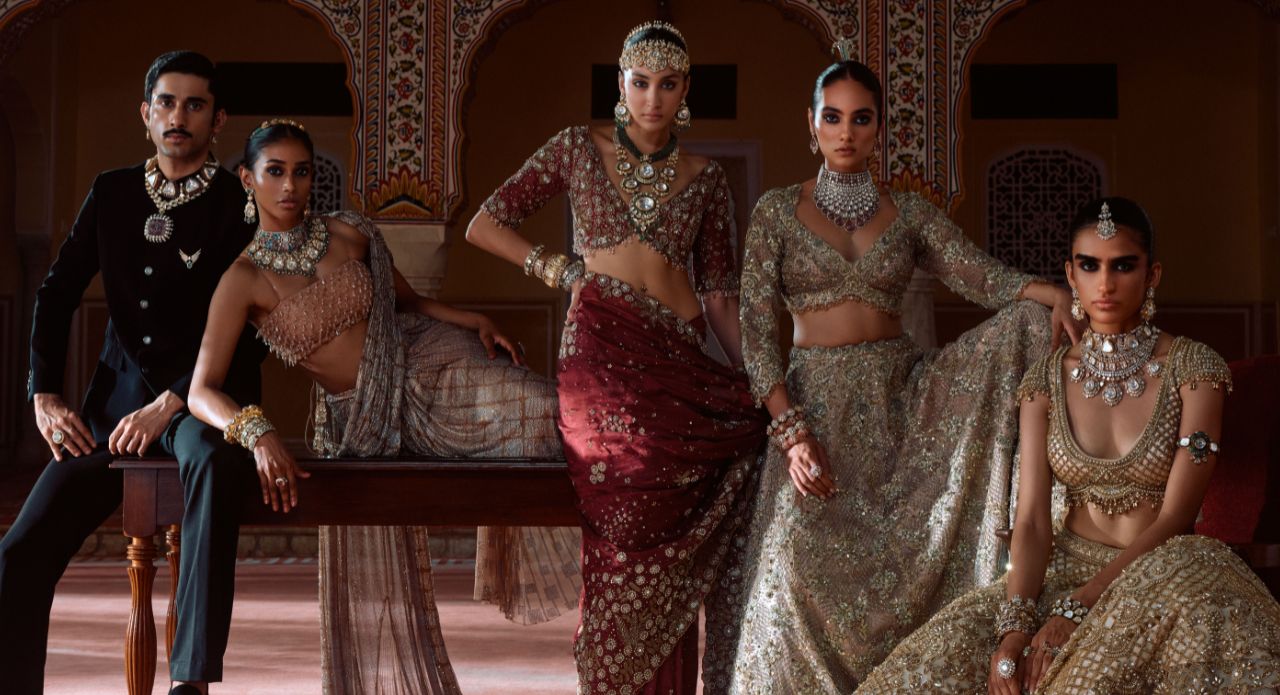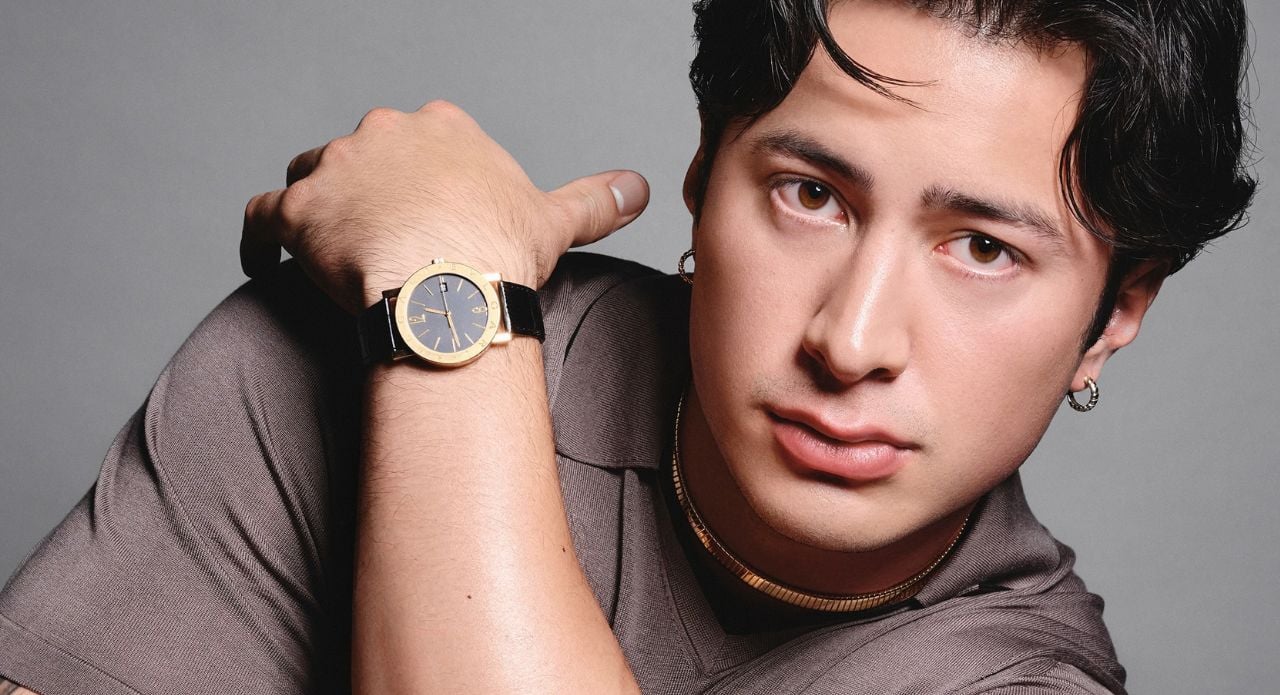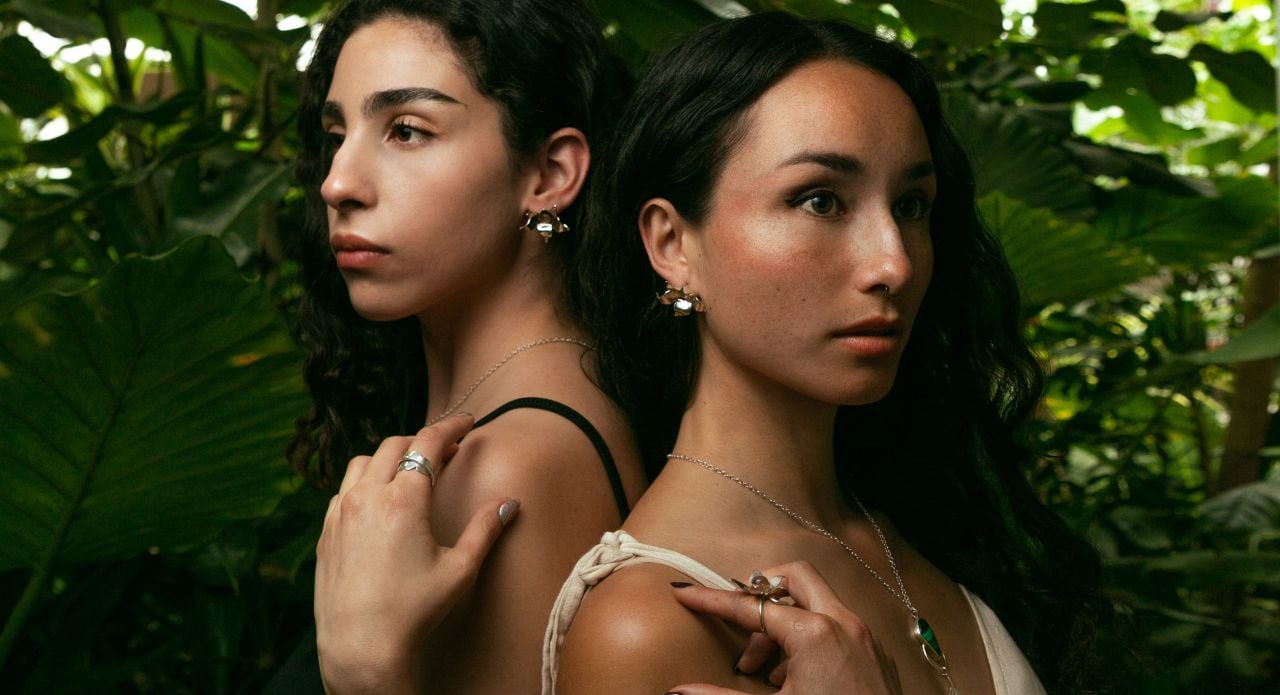


India is replete with its rich tradition of craft that has captivated the imagination of global jewellers for millennia. However, as life’s milestones demand pieces with emotional significance, mass-produced jewellery often falls short.
Luxury jewellery conversations have been dominated by renowned European maisons known for their heritage, craftsmanship and iconic designs. That narrative is changing with a new generation of consumers who are self-made, self-aware and increasingly disinterested in waiting for a moment to celebrate themselves.
Contemporary Indian jewellery brands are steadily evolving to meet the changing desires of customers, earning recognition alongside these global names. By blending traditional artistry with modern aesthetics, ethical sourcing and innovative storytelling, Indian jewellers are attracting discerning buyers at home and abroad.
Redefining Modern Luxury
When it comes to the evolution of India’s luxury jewellery market, younger buyers are increasingly looking for pieces that balance timeless craftsmanship with everyday wearability, while also reflecting personal identity.
Contemporary Indian brands have responded with collections featuring clean silhouettes, coloured gemstones, sculptural gold designs and versatile creations that transition effortlessly from day to evening.
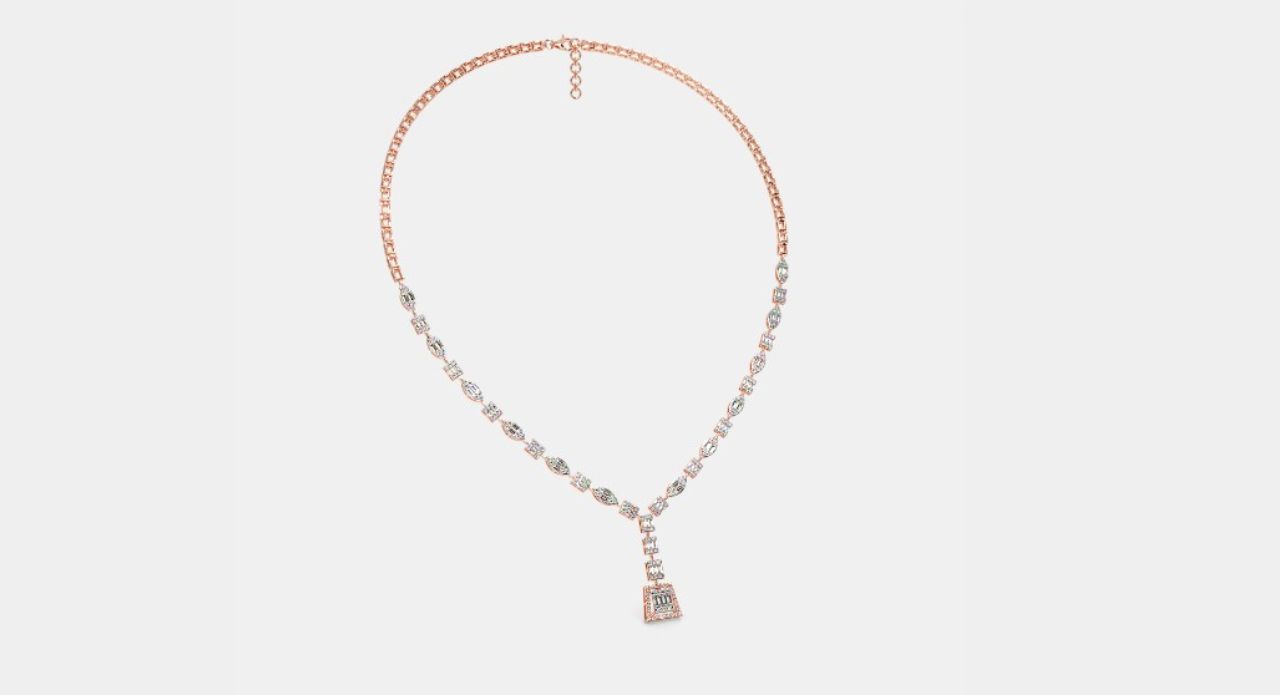
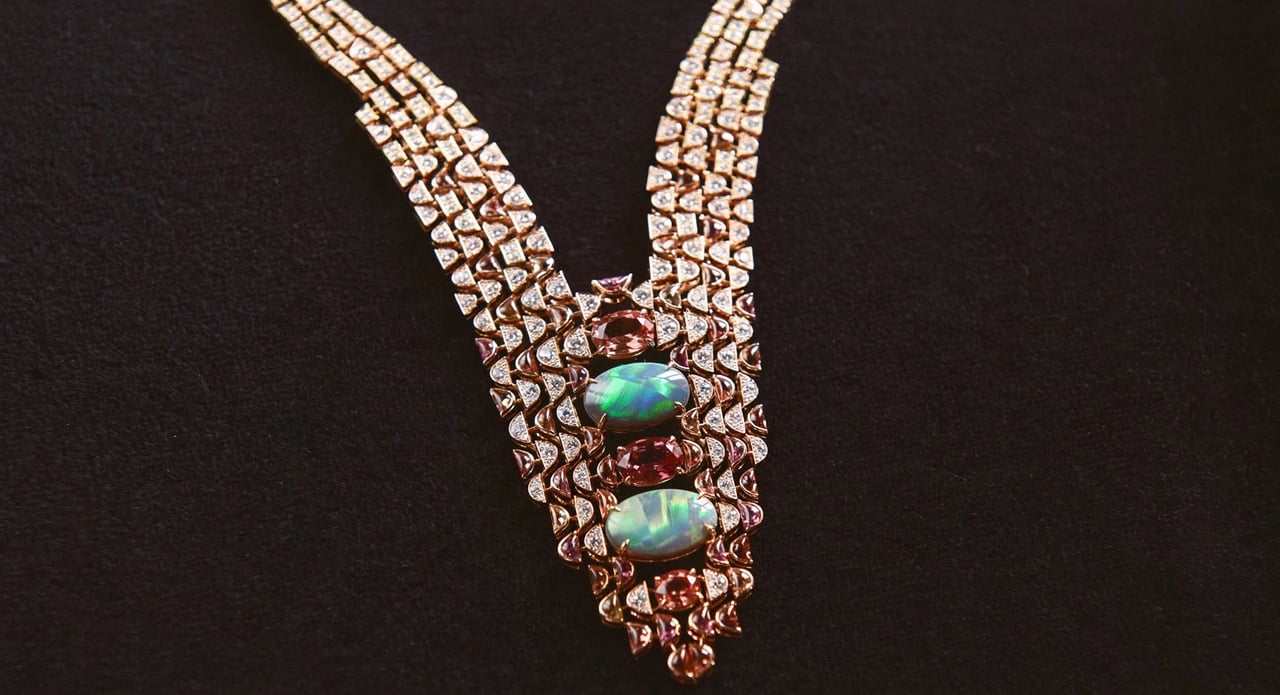
Examples include BlueStone’s Ruii Princess Necklace, priced at (approx.) INR 5.7 lakh. The jewellery is crafted in 18kt rose gold and adorned with round and baguette-cut diamonds. Its contemporary geometric silhouette and refined craftsmanship reflect the brand’s modern approach to Indian fine jewellery, making it a standout luxury statement piece.
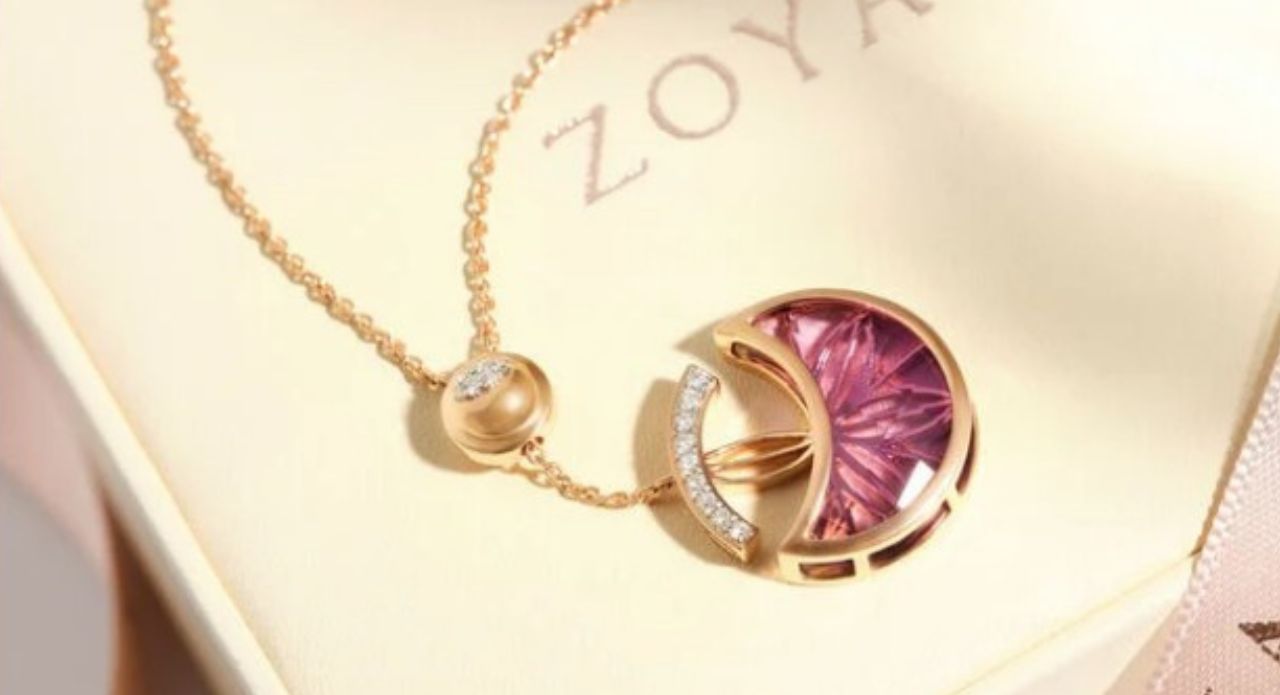
Zoya’s Sacred Moon Lariat Necklace, priced at (approx.) INR 2.6 lakh, which is a lariat necklace with a crescent of purple amethyst curves around her, an ancient arc traced from the sacred patterns that once gave birth to the stars. Gold holds its sacred edge, where a trail of diamonds marks the silent crossings of light and shadow. She moves, and the rhythms of the universe stir within her. The sacred moon pendant becomes a talisman for her spirit.
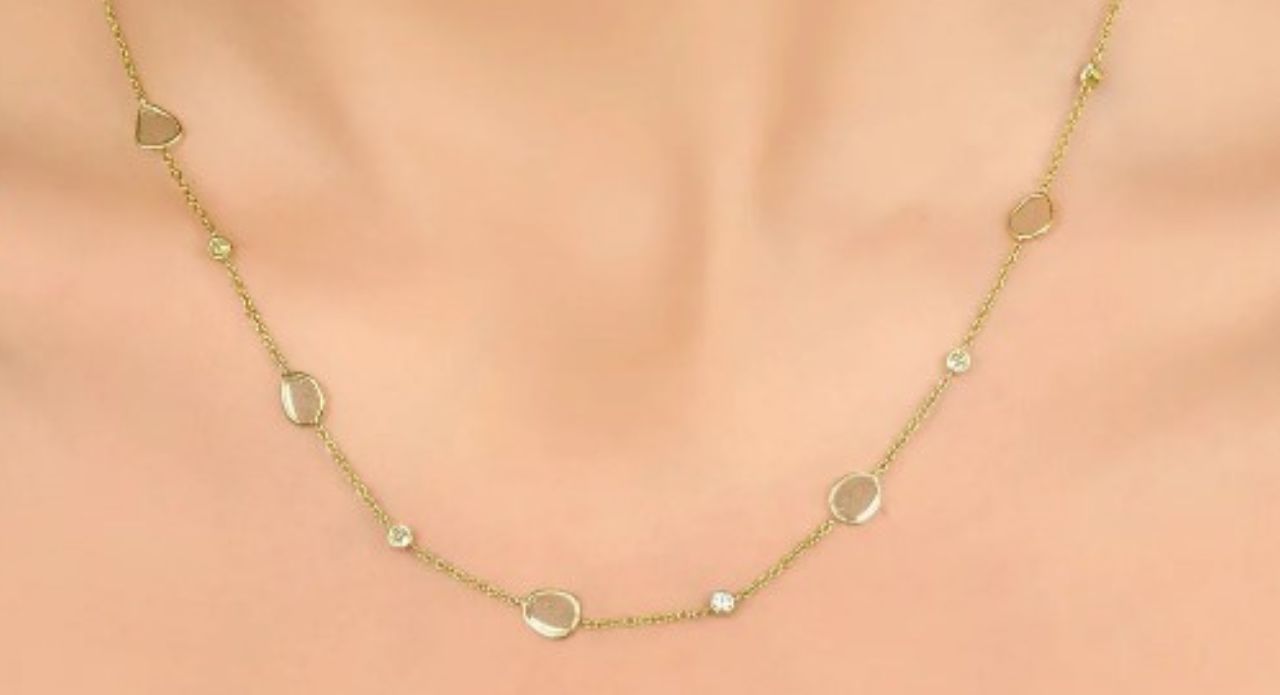
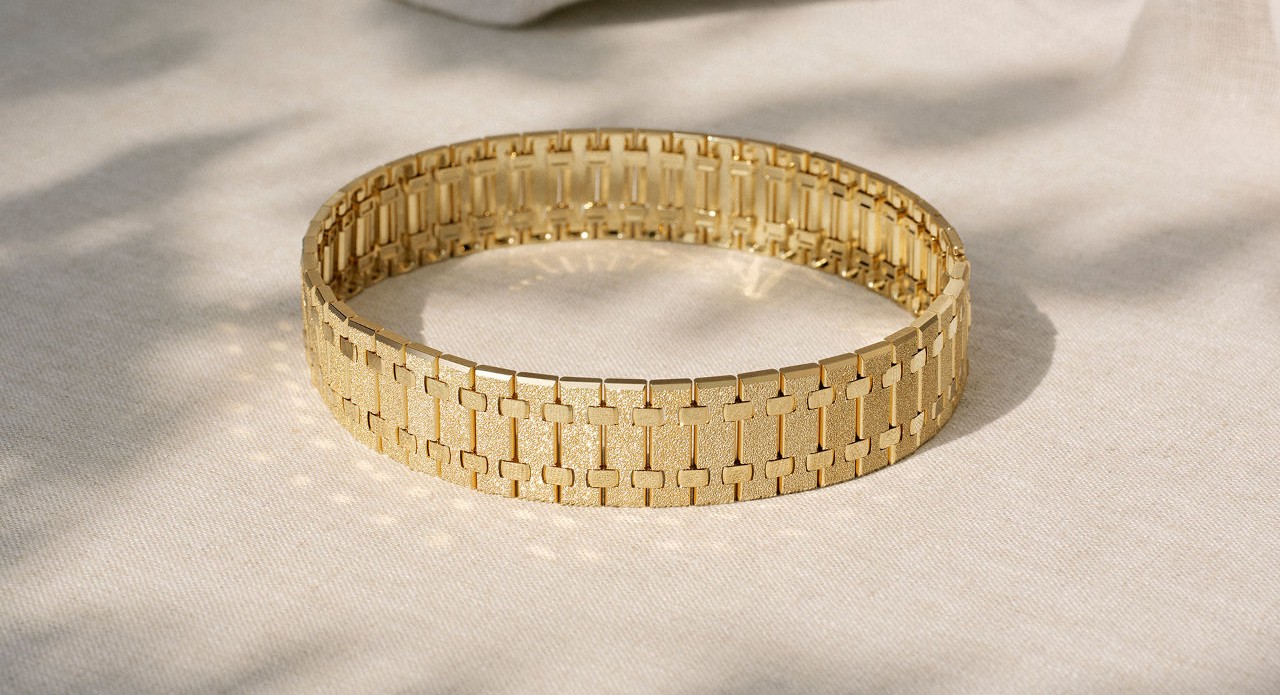
Similarly, Amrapali Jewels’s Gold Polki chain necklace in 18kt costs around INR 1.3 lakh; Sabyasachi Jewellery’s signature High Jewellery Bengal Royale necklaces featuring uncut diamonds and gemstones, often priced well into the multi-lakh range.
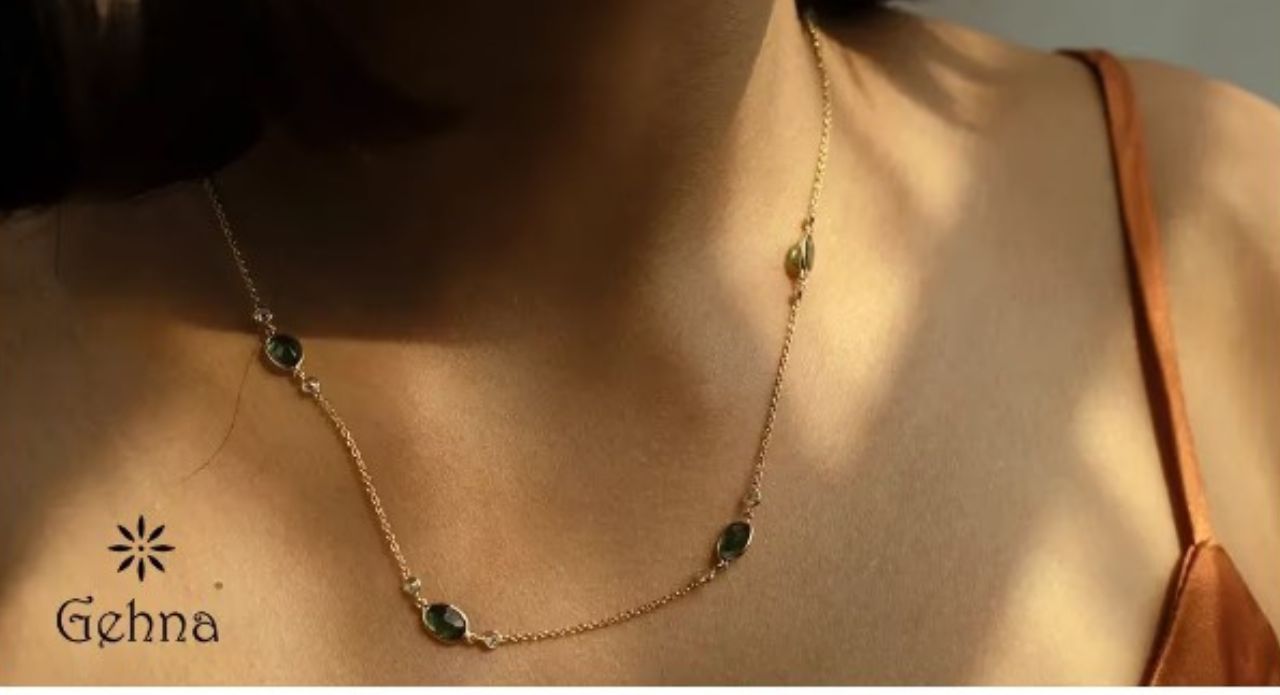
Gehna Jewellers’ Emerald Diamond Necklace, priced at approximately INR 1.22 lakh. The necklace showcases vivid emeralds framed by brilliant-cut diamonds in 14kt gold. The contemporary design balances clean lines with exceptional craftsmanship, reflecting the brand’s approach to modern Indian high jewellery and timeless luxury.
These collections demonstrate how Indian luxury brands are combining heritage craftsmanship with contemporary design language to appeal to modern buyers.
Many designers are also drawing inspiration from India’s rich cultural heritage without replicating traditional bridal jewellery. Instead, ancient motifs, temple architecture, regional craftsmanship and indigenous techniques are reimagined through a contemporary lens, creating jewellery that resonates with both domestic and international audiences.
Global consumers are also becoming more conscious of sustainability and traceability. In response, several Indian jewellery houses are placing greater emphasis on responsibly sourced gemstones, recycled precious metals and transparent production practices. This alignment with evolving luxury values has helped position Indian brands as credible players in the international fine jewellery market.
Also Read: What Are Baguette Diamonds? A Guide To The Cut And How They’re Used In Luxury Watches
Global Recognition Grows
International showcases, celebrity endorsements and growing digital visibility have further elevated contemporary Indian jewellery on the global stage. Collections are increasingly featured at luxury exhibitions, fashion weeks and exclusive retail platforms, helping Indian designers reach affluent customers beyond the country.
The rise of jewellery has also strengthened this appeal. Rather than focusing solely on heirloom pieces, many Indian brands now offer personalised designs tailored to individual stories and milestones. This approach mirrors the bespoke experiences long associated with established global luxury maisons while maintaining a distinctive Indian design language.