

The global watchmaking industry is not merely an economic ecosystem; it is a theatre of tradition, innovation, and national pride. When one speaks of the top countries for fine watchmaking, the conversation inevitably turns to heritage and horological heroics. The best watchmaking countries have long transcended mere manufacture to become custodians of culture. These luxury watchmaking nations have nurtured ateliers where time is sculpted into art, and their premium watch manufacturers command reverence from collectors across continents. From countries famous for luxury watches to emerging technical powerhouses, fine watch brands by country reveal a fascinating cartography of craftsmanship. Indeed, the best countries for luxury horology are not accidental champions but deliberate architects of precision.
Switzerland

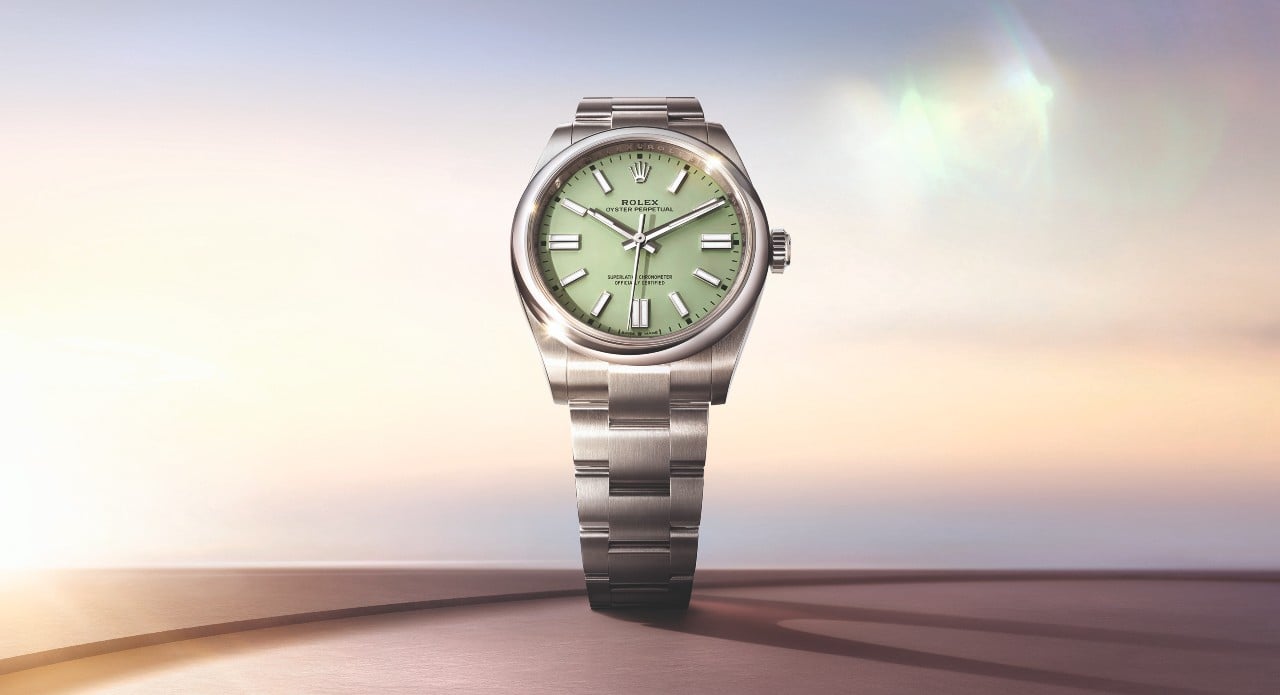
To speak of fine watchmaking is to invoke Switzerland. For over three centuries, this Alpine nation has functioned as the epicentre of horological excellence. The very term “Swiss Made” has become a talisman of quality, legally protected and globally venerated. The valleys of Geneva, the Jura, and La Chaux de Fonds have birthed institutions such as Patek Philippe, Rolex, Audemars Piguet, Vacheron Constantin, and Omega. These maisons combine centuries old hand finishing with cutting edge research into materials such as silicon escapements and ceramic composites. Switzerland perfected the tourbillon wristwatch, industrialised chronometer certification, and refined complications into wearable poetry. Beyond prestige, Switzerland’s dominance stems from infrastructure. A deeply integrated supply chain, specialised education, and an unyielding commitment to craft have ensured that it remains the lodestar of the premium watch manufacturers’ universe.
Germany
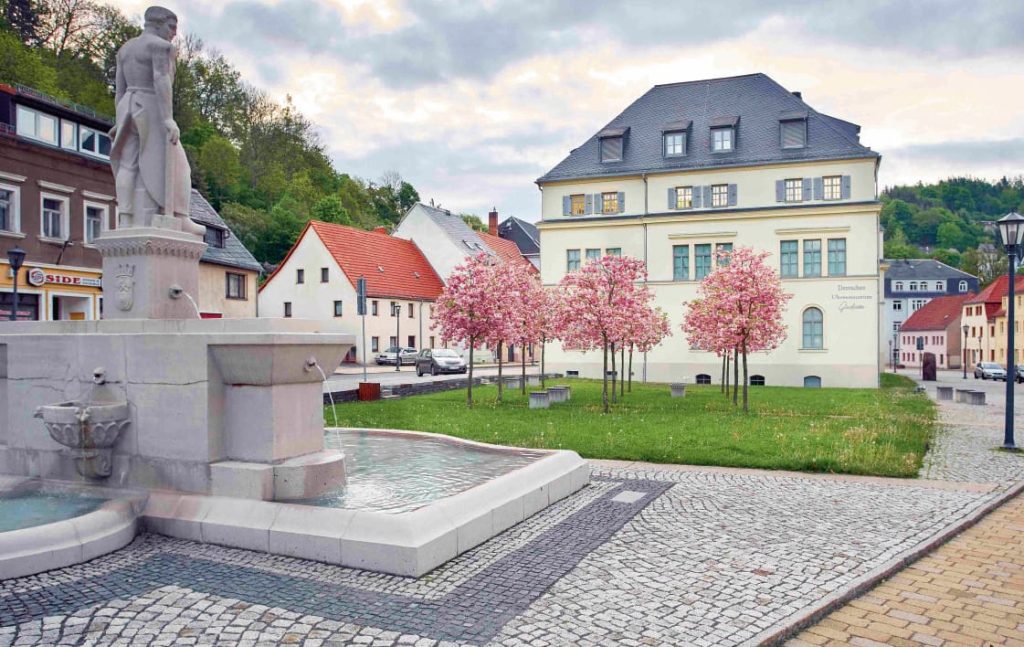
If Switzerland is the sovereign, Germany is the philosopher engineer. The small town of Glashütte in Saxony transformed from a struggling mining settlement into a horological sanctuary in the nineteenth century. Brands such as A. Lange & Söhne, Glashütte Original, and Nomos Glashütte epitomise German watchmaking. Three quarter plates, hand engraved balance cocks, and untreated German silver movements define a distinctly Teutonic aesthetic. There is an architectural gravitas to German calibres, a sense that each bridge has been drafted with the precision of a cathedral blueprint. Unlike Swiss exuberance, German horology is restrained, almost philosophical. The complications are purposeful, the finishing immaculate yet disciplined. In the hierarchy of the best watchmaking countries, Germany commands admiration for its uncompromising technical integrity.
France

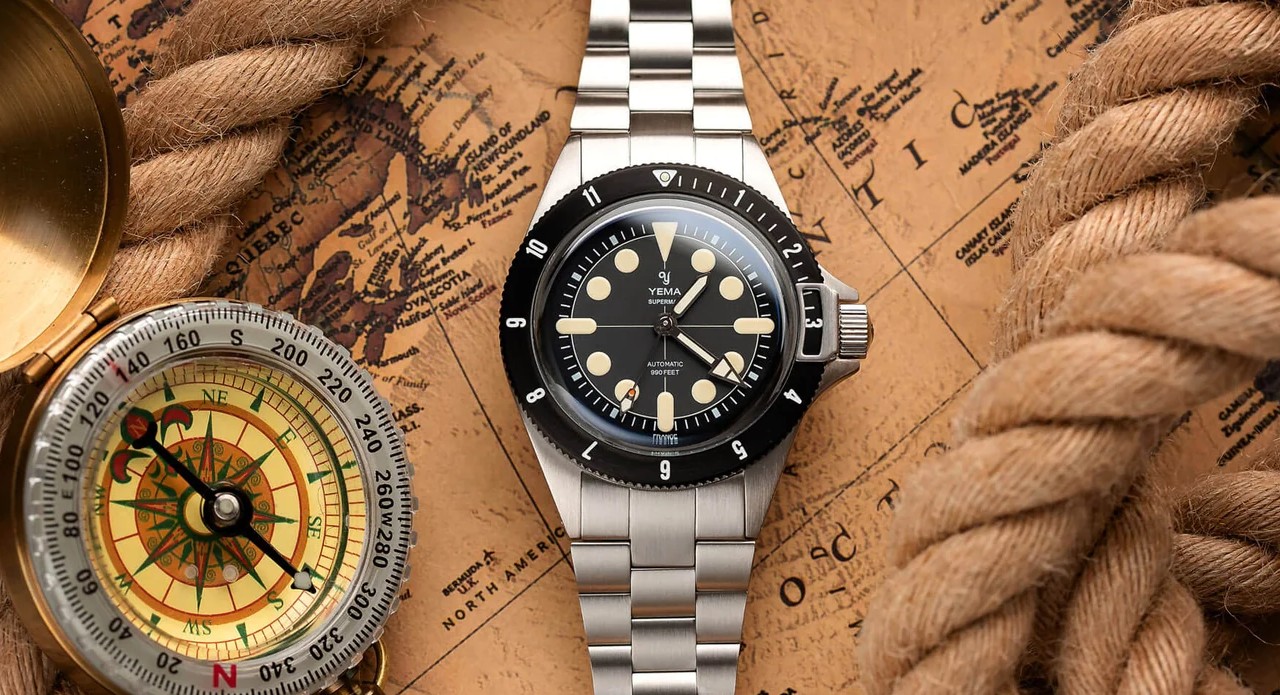
France, often overshadowed in modern discourse, was once a formidable watchmaking force. Paris in the eighteenth century rivalled Geneva in both artistry and innovation. Today, the nation is experiencing a renaissance. Historic names such as Cartier, though globally positioned, reflect France’s enduring design ethos. Contemporary independents like Baltic and Yema channel vintage charm with contemporary reliability. French horology prioritises aesthetics. Case proportions, dial typography, and bracelet fluidity often take centre stage. In the broader constellation of luxury watchmaking nations, France reminds us that timekeeping is as much about style as it is about seconds.
Japan

Japan’s ascent in fine watchmaking is a narrative of disciplined disruption. Emerging robustly in the twentieth century, Japanese manufacturers married mechanical artistry with quartz innovation. Seiko altered the industry forever with the quartz revolution, yet its haute horology arm, Grand Seiko, competes confidently with Swiss elites. Meanwhile, Citizen continues to pioneer light powered Eco Drive technology. Japanese watchmaking is defined by obsessive attention to detail. Zaratsu polishing yields mirror like surfaces of hypnotic clarity. Movements prioritise reliability and accuracy. Within the global watchmaking industry, Japan stands as proof that innovation need not eclipse tradition but can coexist in harmonious equilibrium.
United States

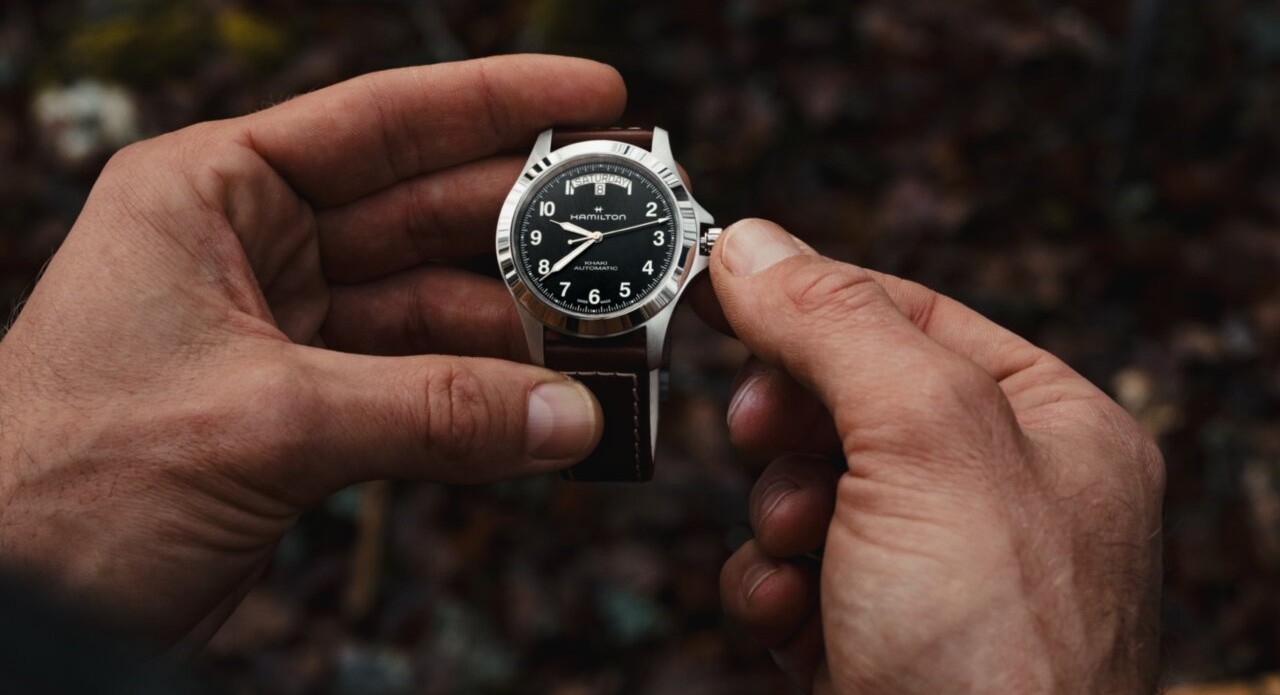
The United States was once a watchmaking powerhouse. In the nineteenth century, American factories pioneered interchangeable parts and mass production techniques that would influence global manufacturing. Names such as Hamilton Watch Company and Waltham Watch Company shaped early industrial horology. Today, a revival is underway. Independent makers like RGM Watch Company and modern innovators such as Shinola represent a renewed confidence. American watchmaking now leans toward boutique craftsmanship and narrative driven branding. While it may not rival Switzerland in volume, the United States contributes creativity, entrepreneurial zeal, and a willingness to experiment.
Fine watchmaking is ultimately a dialogue between geography and genius. The best watchmaking countries did not merely produce watches; they cultivated ecosystems where innovation could flourish. Switzerland remains the colossus, Germany the disciplined craftsman, France the aesthete, Japan the technological sage, and the United States the resurgent pioneer. In this intricate atlas of ticking marvels, nations compete not merely for market share but for immortality measured in microns. And as collectors continue to seek provenance as passionately as precision, these countries famous for luxury watches will remain the custodians of humanity’s most elegant obsession: the measurement of time.