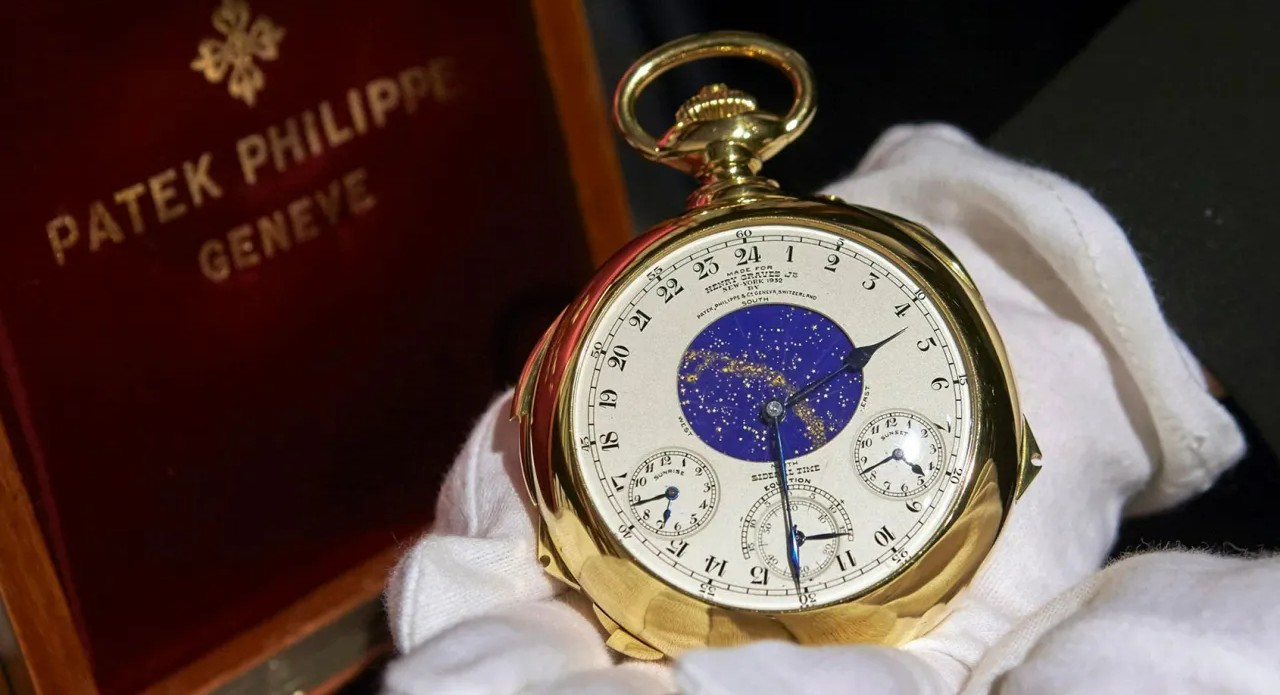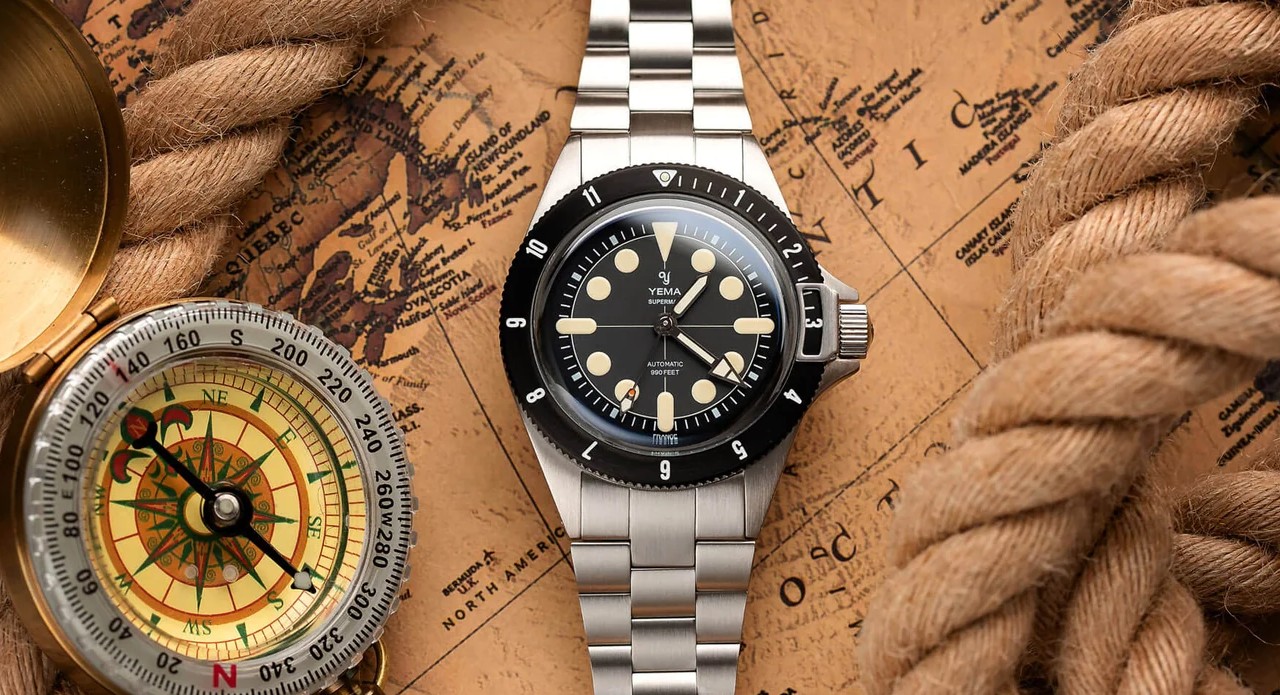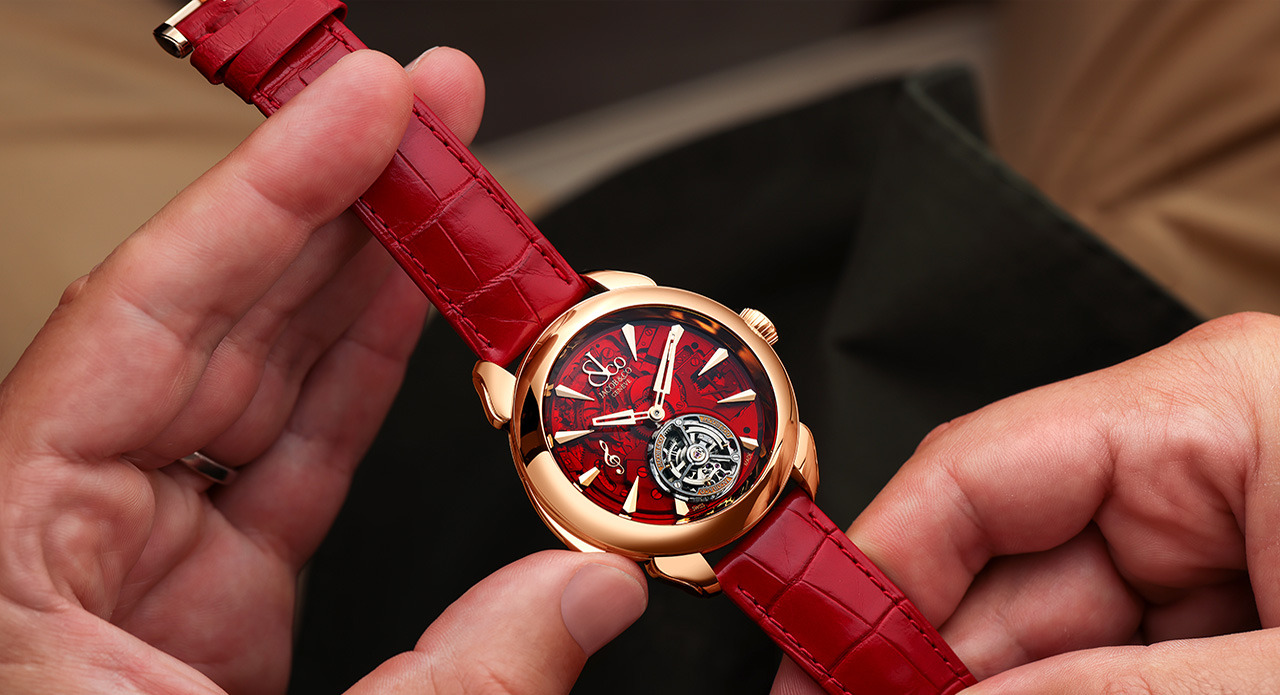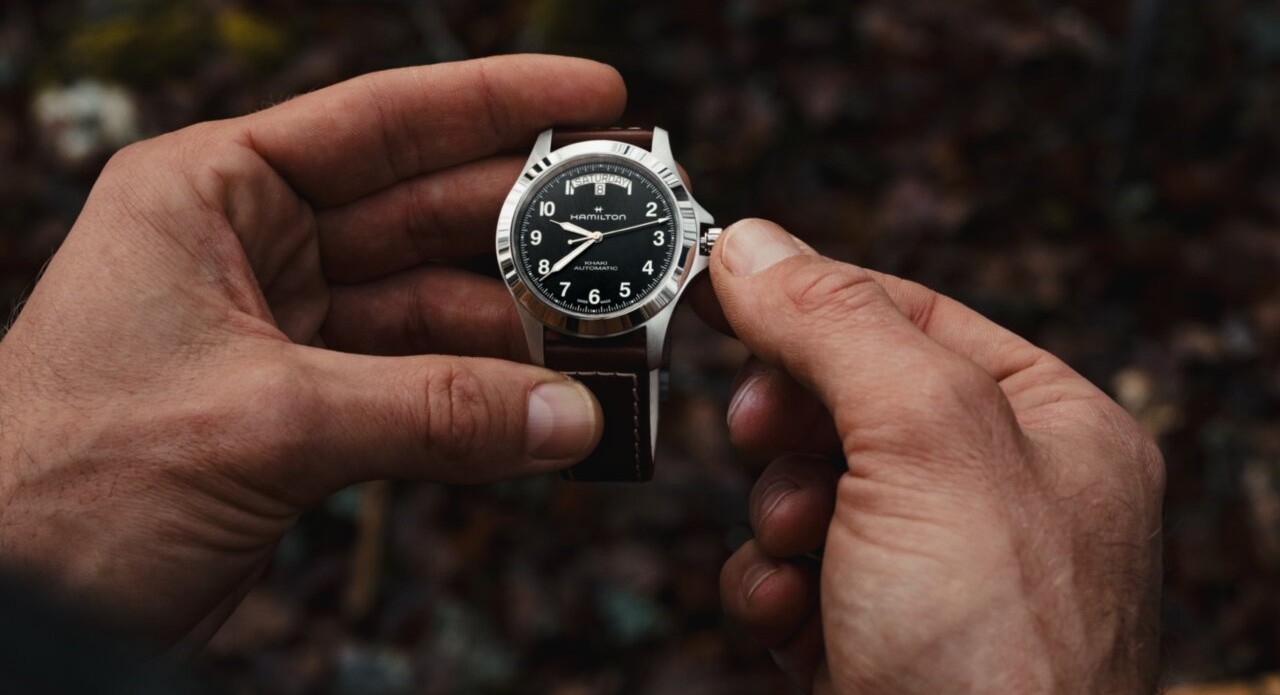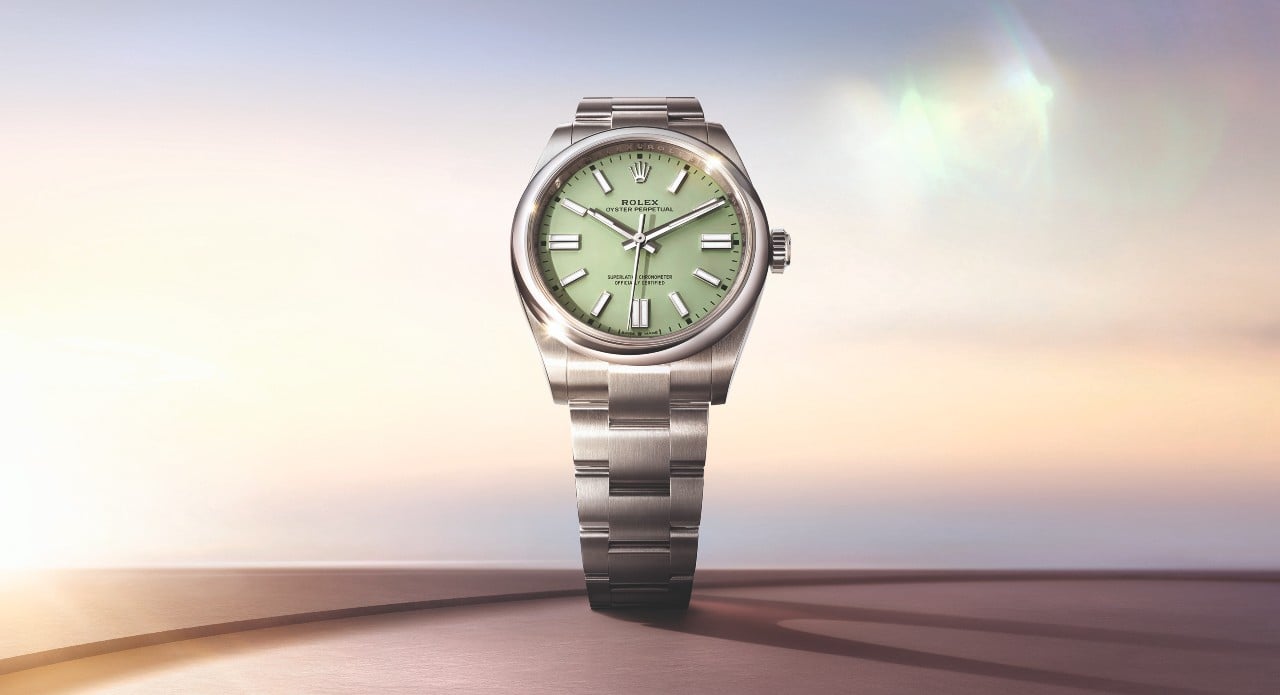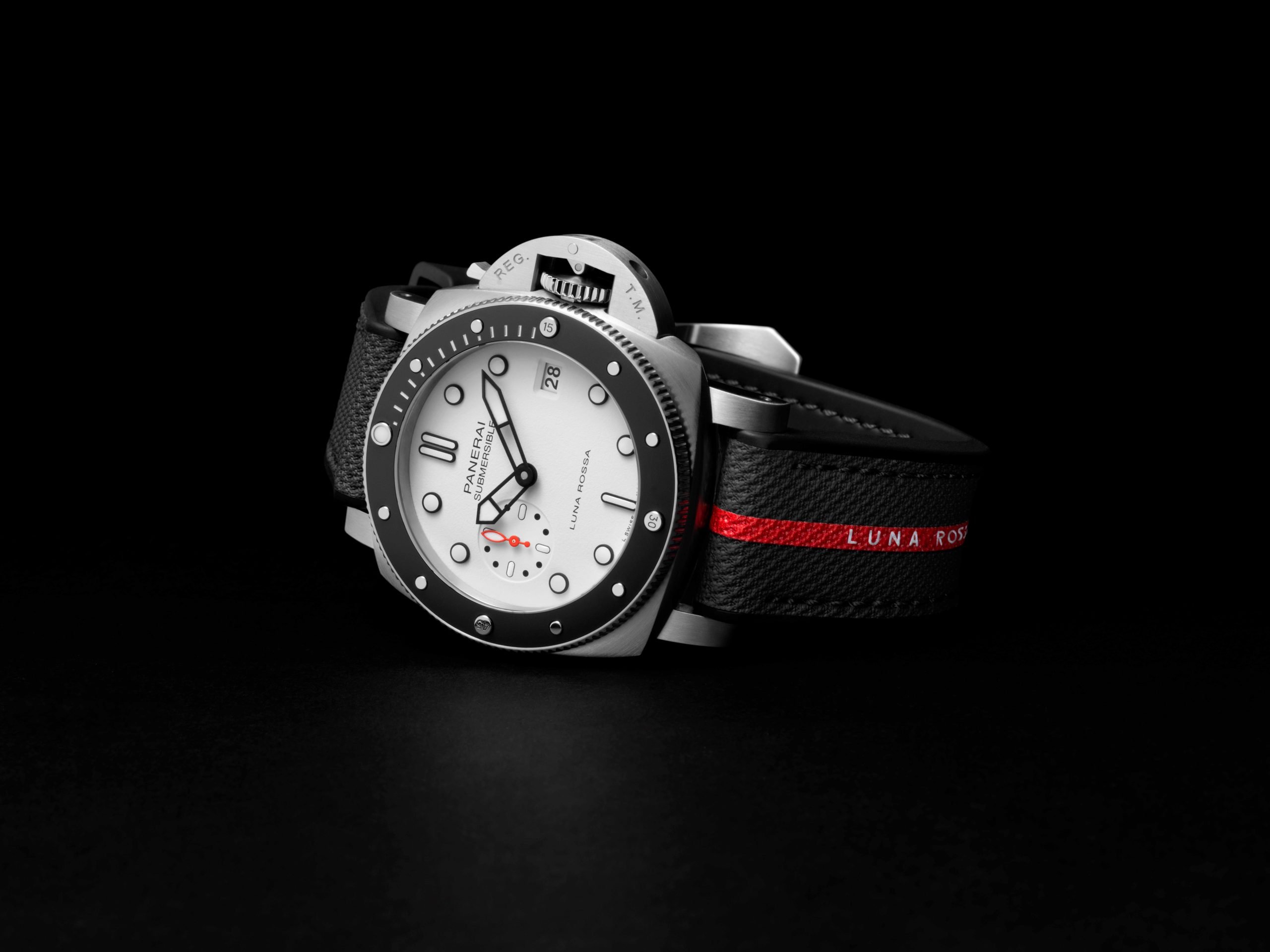


In the realm of watchmaking, few inscriptions carry as much weight or mystique as ‘Swiss Made.’ Stamped discreetly at the bottom of the dial, it’s a mark that instantly evokes visions of Alpine valleys, artisanal workshops, and a centuries-old tradition of precision engineering. For many collectors, it’s shorthand for quality, reliability, and timeless design. But behind those two words lies a story shaped by law, heritage, and an increasingly globalised supply chain. Cases may be machined in Asia, dials enamelled in Germany, bracelets forged in Italy, yet the decisive, value-rich steps that earn a watch the right to bear “Swiss Made” still happen on Swiss soil. In today’s market, where transparency is prized and consumers are more informed than ever, understanding what the label means has become as essential as knowing the caliber beating inside the case.
A Legacy in Two Words
“Swiss Made” has long been shorthand for precision, craftsmanship, and heritage. Though Switzerland didn’t invent the wristwatch, it became the benchmark for quality thanks to its network of specialized suppliers and an emphasis on accuracy and finishing. The phrase gained prominence after the quartz crisis of the 1970s, when Swiss watchmakers repositioned themselves as purveyors of mechanical artistry rather than mere timekeepers.
The Legal Definition
The Swiss Made label is protected by Swiss law, with rules tightened in 2017. For a watch to qualify:
- Movement: Must be Swiss—assembled, inspected, and with at least 50% of its value from Swiss components.
- Watch: Final assembly and inspection must occur in Switzerland, and at least 60% of manufacturing costs (including R&D) must be Swiss-based.
This doesn’t mean every part is Swiss—cases, dials, bracelets, and crystals are often sourced internationally—but it ensures that the most value-dense and technically critical work happens in Switzerland.
Heritage Heavyweights
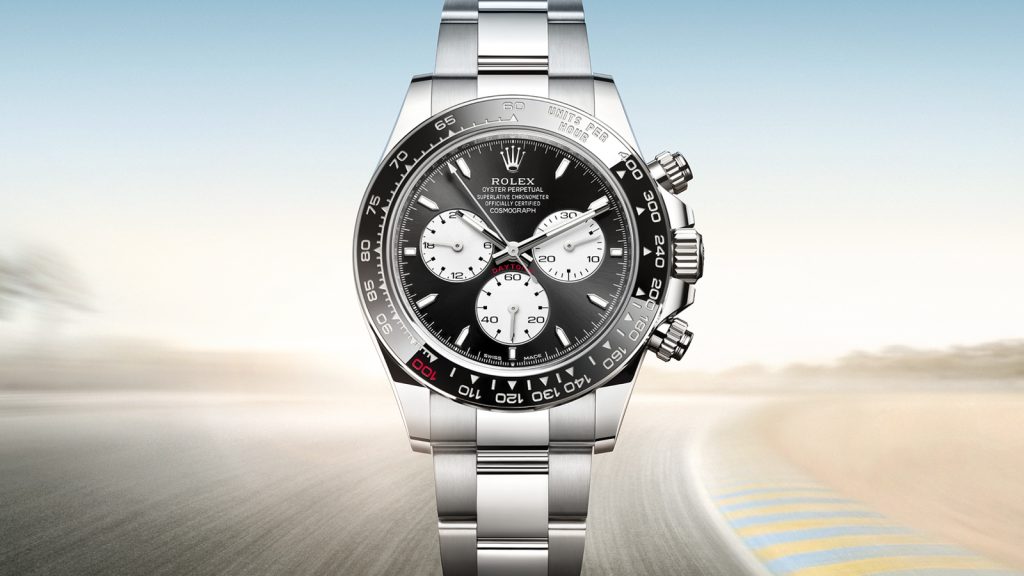
Brands like Rolex, Patek Philippe, Omega, and Audemars Piguet far exceed the legal minimums. They vertically integrate production, control alloys, and train watchmakers in-house. For them, “Swiss Made” is simply a baseline; the focus is on proprietary technology and artisanal mastery.
Industrial Swiss, Independent & Microbrand Players
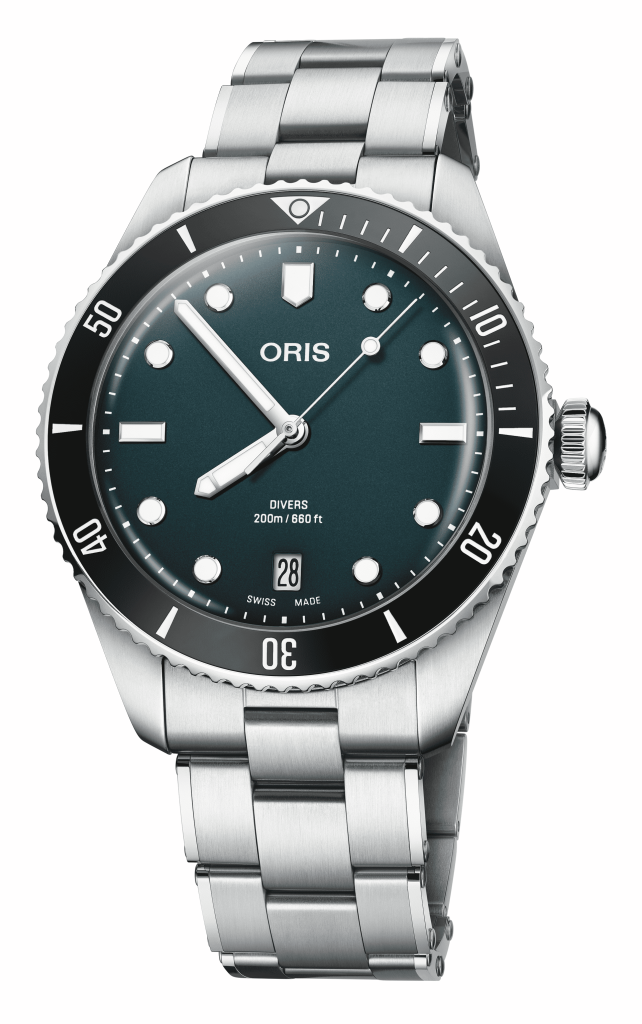
Mid-tier brands such as TAG Heuer, Longines, Tissot, and Oris combine high-volume production with Swiss assembly and testing. They balance global sourcing with Swiss precision, using the label as an assurance of quality at accessible price points. Smaller brands partner with Swiss suppliers for cases, dials, and especially movements from Sellita, Soprod, or La Joux-Perret. Many embrace transparency, sharing exactly which parts are Swiss and which aren’t—a move that resonates with today’s informed collectors.
Common Dial Terms and Confusion
Consumers often confuse related labels:
- ‘Swiss Movement’ means the movement is Swiss, but the watch may be assembled elsewhere.
- ‘Swiss Parts’ indicates some components are Swiss-made but assembly is not.
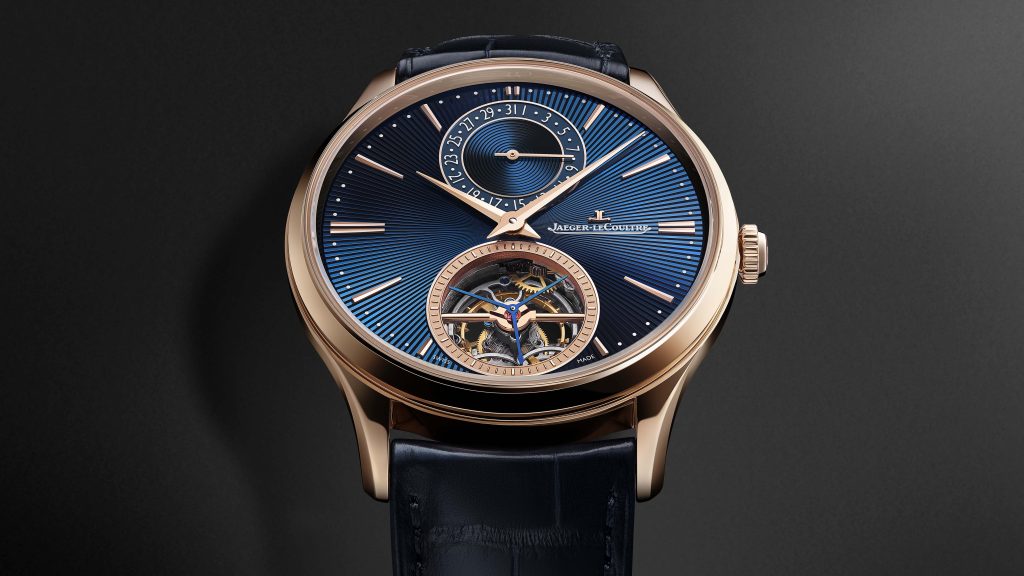
Placement on the dial is aesthetic, not regulated—absence doesn’t always mean the watch fails the criteria.
The Central Role of Movements
The movement determines much of a watch’s “Swissness.” Mechanical calibres from Swiss suppliers are regulated, tested, and often certified (COSC, METAS) in Switzerland. Quartz movements from ETA or Ronda also qualify, but with less assembly time, other parts often come from abroad. For collectors, knowing the calibre’s origin is the clearest indicator of value.
The 60% Rule: Strengths and Limits
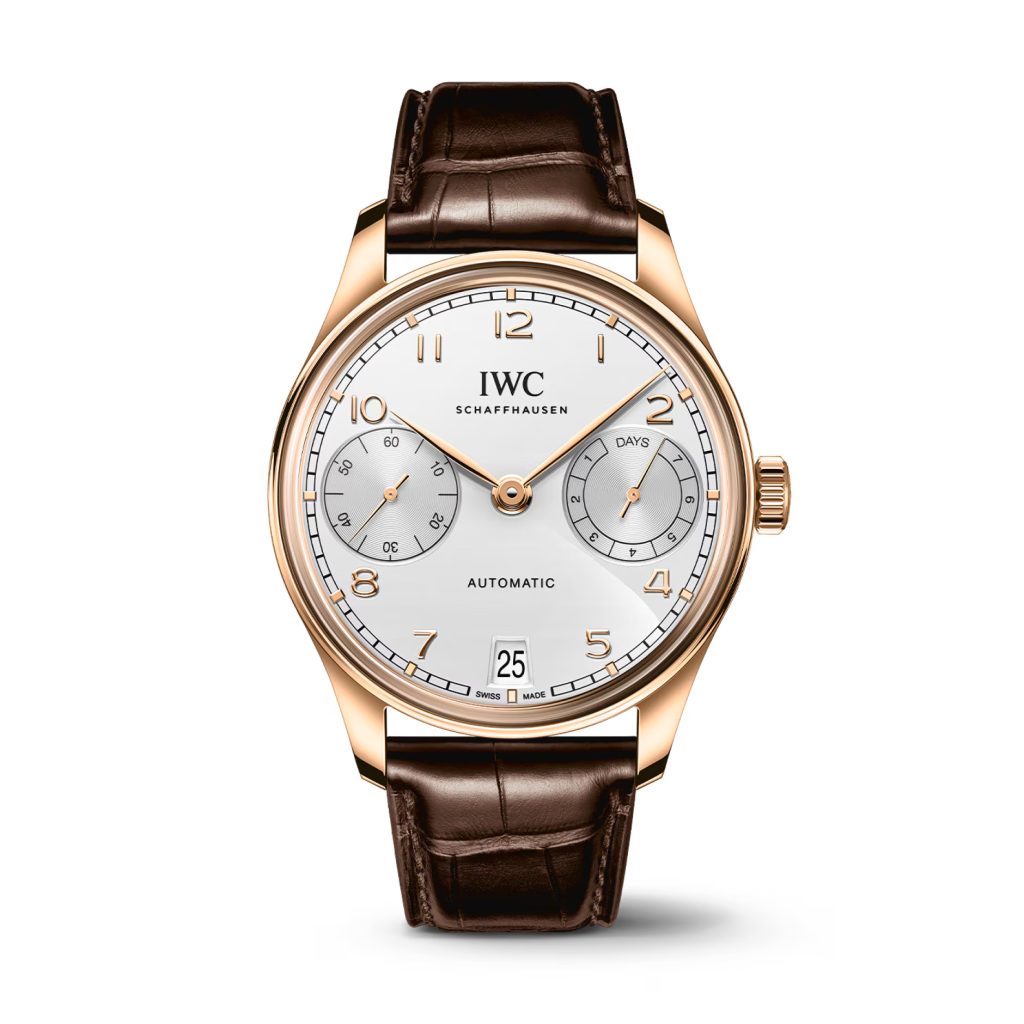
The threshold safeguards the label’s integrity by ensuring meaningful Swiss involvement, yet it also accommodates globalized supply chains. It doesn’t, however, guarantee that every component is Swiss, nor does it address sustainability or ethics—areas where brands are voluntarily increasing transparency.
Indian Market Perspective
For Indian buyers, “Swiss Made” remains a trust marker, especially in the ₹50,000-₹200,000 range, where it often signifies a robust Swiss movement paired with globally sourced components. Above ₹2,00,000, in-house calibres and finer finishing dominate. Service availability is crucial without local after-sales support, the Swiss origin matters less. In the resale market, the label still carries weight, especially with original documentation.
How to Read It Right
To judge the real value behind “Swiss Made”:
- Identify the movement and its origin.
- Look for testing claims and certifications.
- Check assembly and inspection details.
- Evaluate the brand’s service network.
- Consider whether the price reflects more than just the dial text.
The Road Ahead
The label’s future lies in greater transparency and technological innovation. As brands adopt silicon components, anti-magnetic materials, and advanced testing, the Swiss R&D advantage will grow. Consumers increasingly expect brands to explain how they qualify for “Swiss Made,” not just display it.
Final Word
“Swiss Made” remains one of watchmaking’s most reliable quality signals, ensuring that the most critical work—from movement assembly to final testing—occurs in Switzerland. But it’s a starting point, not the full story. Informed buyers look beyond the two words, seeking proof in engineering, transparency, and long-term serviceability—because a watch is more than where it’s made; it’s how it’s made.