

If you were wandering through Kyoto in the 1980s and suddenly felt like you’d accidentally stepped onto the set of Star Wars, don’t panic—you hadn’t broken reality. You’d just found one of Shin Takamatsu’s buildings. While other architects were busy being tasteful, Takamatsu was erecting metallic fortresses that looked ready to launch TIE Fighters at a moment’s notice. His work is dark, imposing, unapologetically mechanical, and slightly intimidating—exactly the sort of place you’d expect Darth Vader to have an office. And while Lucasfilm has never officially confirmed any connection, it’s hard to look at Takamatsu’s architecture and not think of the Death Star, Imperial bases, and alien worlds built from steel, shadow, and sheer intimidation. Coincidence? Possibly.
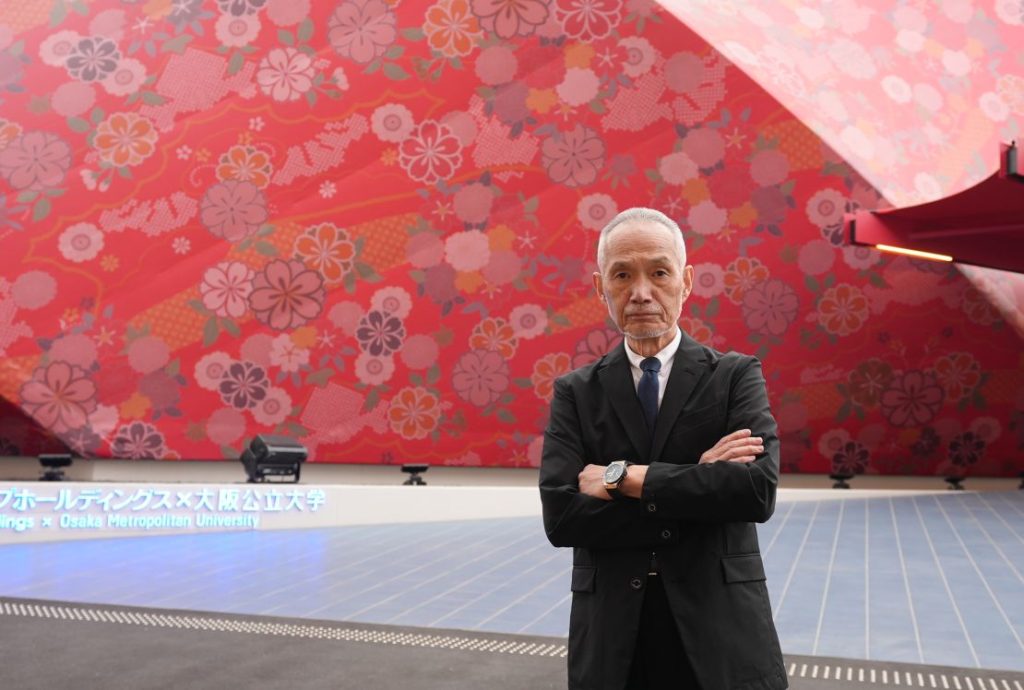
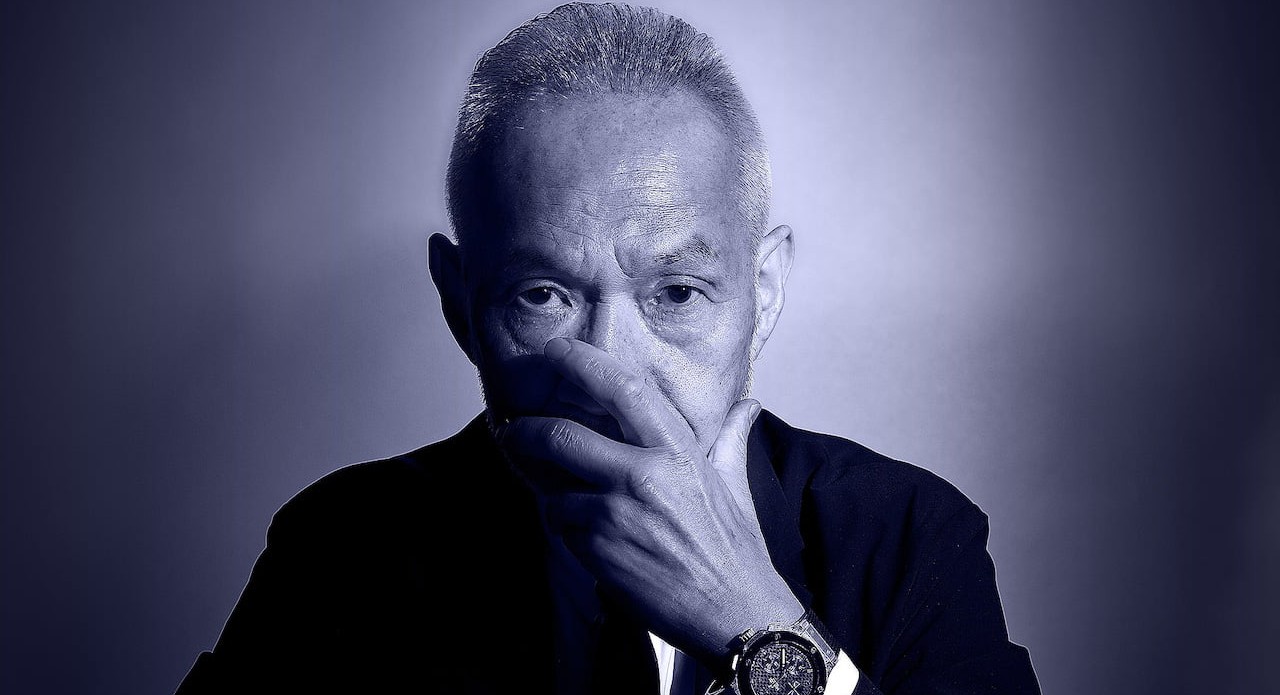
But it’s a very cinematic one. Born in 1948 in Nara, Shin Takamatsu emerged as a defining figure during Japan’s 1980s economic boom—a time when architecture was encouraged to be bold, experimental, and unapologetically futuristic. As cities expanded and technology accelerated daily life, Takamatsu rejected both traditional Japanese restraint and Western modernist neutrality. Instead, he embraced architecture as a statement of power, machinery, and speculation. His buildings became urban machines—designed not to blend in, but to dominate their surroundings.
Mechanically Brutalist Form
Takamatsu’s architecture is often described as futuristic brutalism, but even that feels like an understatement. His buildings resemble armoured exoskeletons, clad in steel plates, bolts, vents, ducts, and sharp-edged geometries. They appear engineered rather than designed—closer to industrial hardware than habitable space. This mechanical aggression is intentional. Takamatsu believed architecture should confront the viewer, reflecting the anxiety, power, and inevitability of technological progress. Beauty, in his world, is forged from intimidation and control.It is precisely this mechanically brutalist quality that has led many critics, designers, and sci-fi enthusiasts to draw parallels between Takamatsu’s buildings and the visual language of Star Wars. The Imperial bases, the Death Star interiors, and the franchise’s alien industrial worlds rely heavily on exposed mechanics, monumental scale, repetition, and an atmosphere of cold authority.
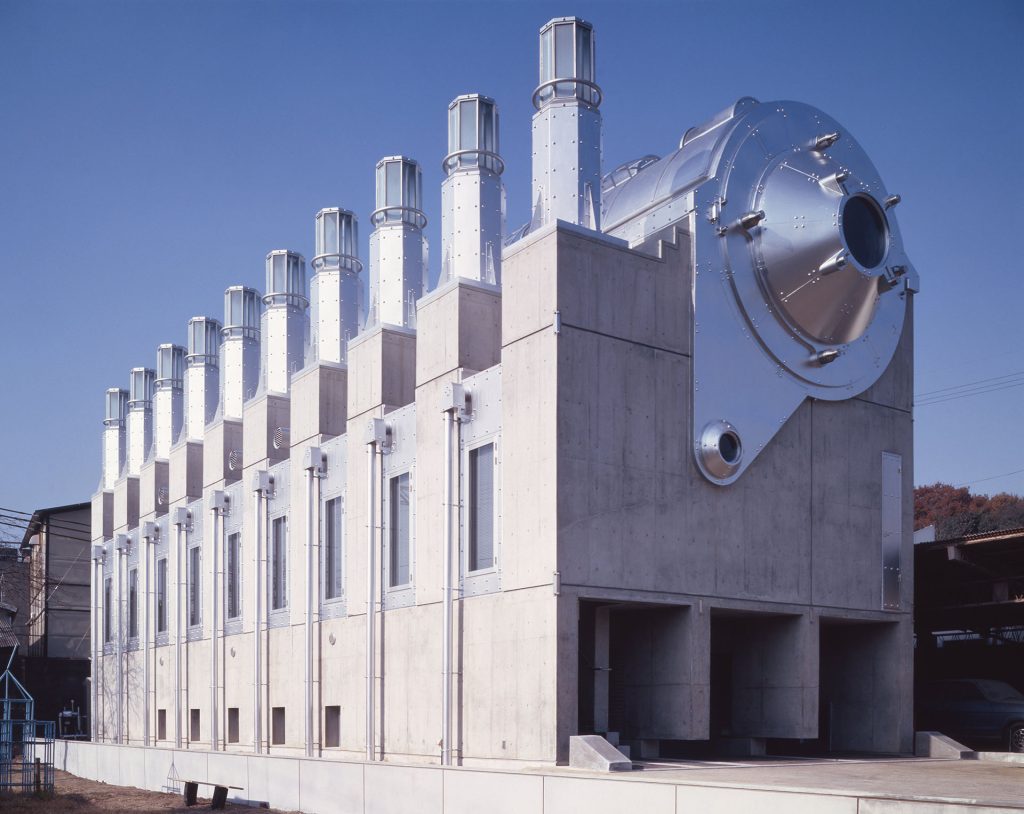
Takamatsu’s architecture embodies the same DNA—dark metallic surfaces, fortress-like massing, and spaces that feel designed for command rather than comfort. While no direct influence has been officially confirmed by Lucasfilm, the visual similarities are too striking to ignore. What connects Takamatsu’s buildings to Star Wars is not imitation but shared imagination. Both draw from industrial design, military hardware, and speculative technology to create environments that feel believable yet otherworldly. His architecture captures the same sense of a future shaped by machines—where structures feel mass-produced, hierarchical, and imposing. In this way, Takamatsu’s work functions almost as real-world science fiction, constructed not on a soundstage but in functioning cities.
Iconic Projects
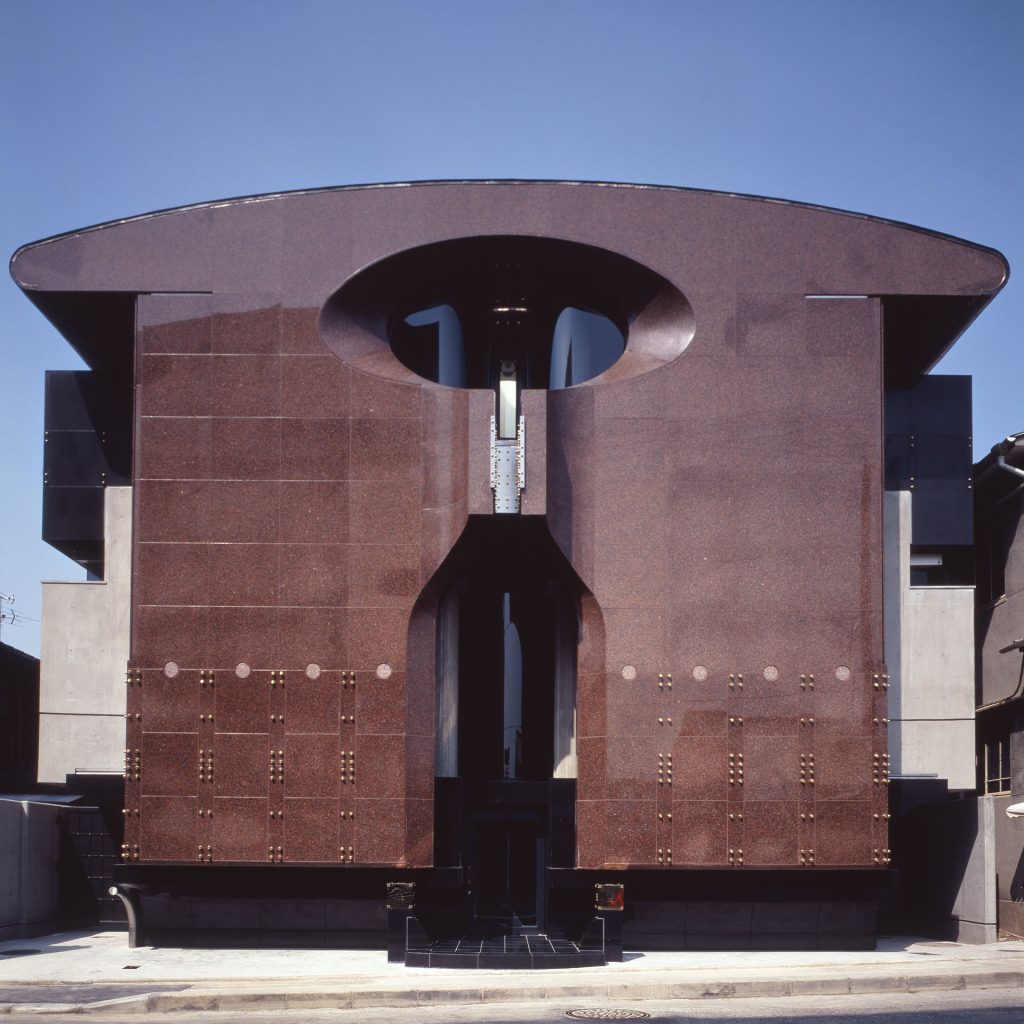
Buildings such as Ark in Kyoto resemble defensive space installations, while Pharaoh appears like a mechanised temple built for an unknown civilisation. Origin I presents a monolithic façade punctuated by industrial detailing that feels more science fiction than street-level architecture. These projects don’t merely house functions—they project authority, mystery, and narrative. They look like places where stories happen, much like the environments of Star Wars, where architecture actively reinforces power structures and emotional tension.
The legacy Of Shin Takamatsu
As of mid-2025, Takamatsu continues to shape contemporary architecture, most notably with his Brocade Pavilion for Expo 2025 Osaka, one of the world’s most significant global events. The project reaffirms that his futuristic, mechanically driven aesthetic is not a relic of Japan’s bubble era but a living architectural language still capable of responding to the present. Decades after his steel-clad structures first stunned cities, Takamatsu remains a master of speculative form, proving that architecture inspired by the future does not age—it evolves.