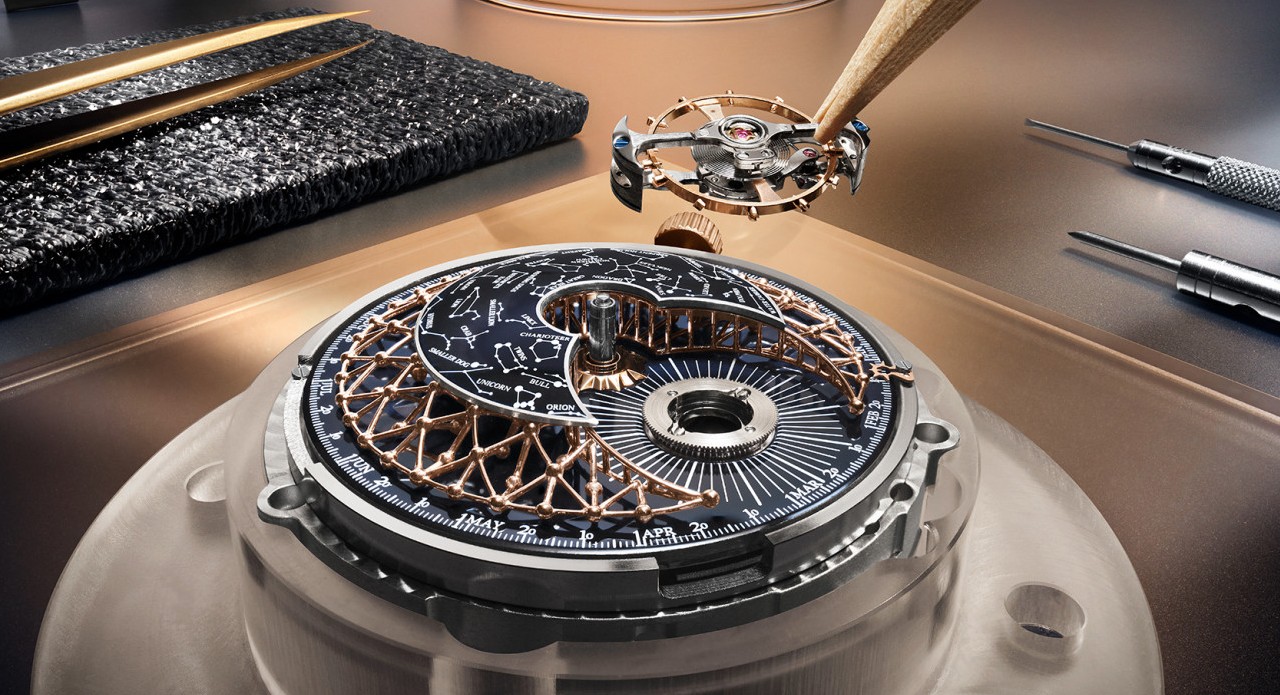


In a mechanical watch the balance wheel is not decoration. It is not there to look pretty under a loupe while someone mutters about heritage. It is the beating heart of the entire operation. If it misbehaves even slightly your watch will run like a confused dog chasing its own tail. This is why watchmakers treat the balance wheel with the sort of seriousness normally reserved for aircraft engines and nuclear reactors. And this is also why nobody in their right mind makes one out of brass.
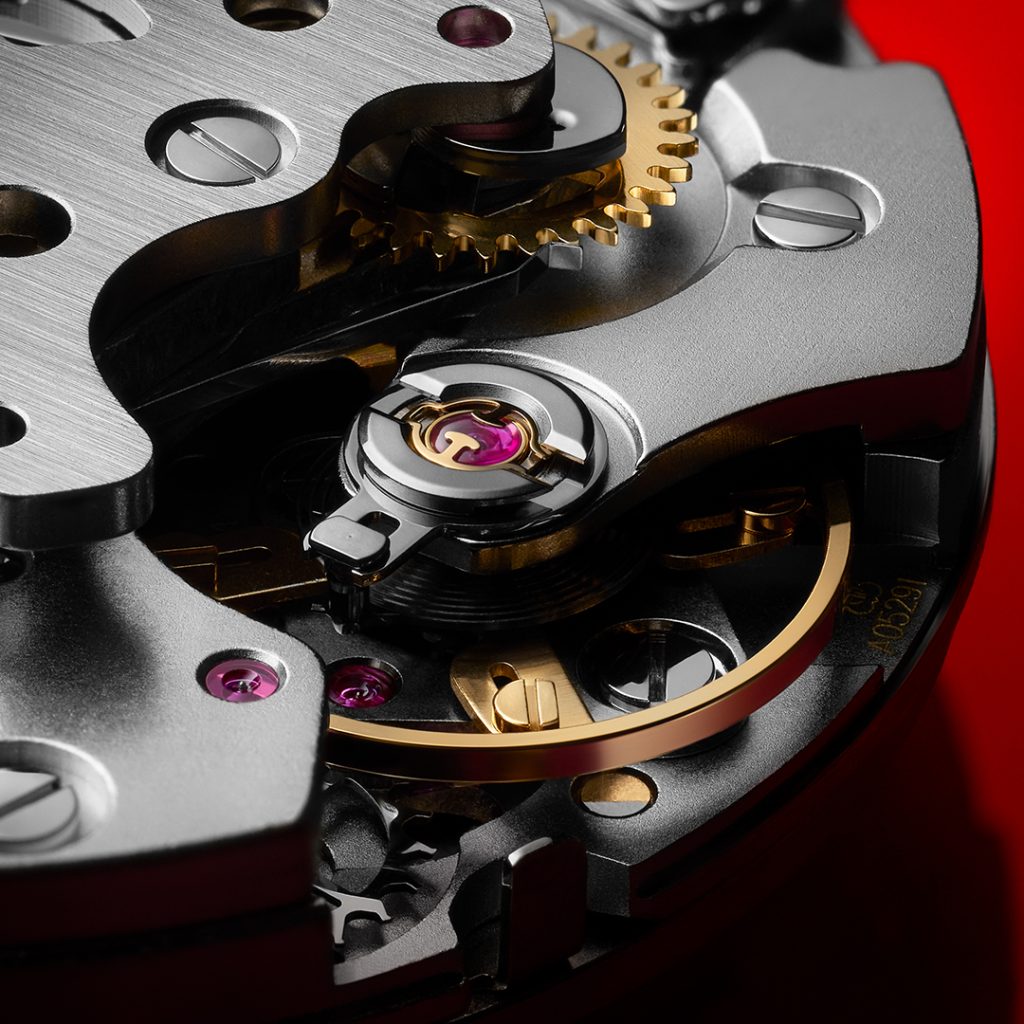
Brass expands and contracts with temperature changes in a way that is frankly unhelpful. When it warms up it grows. When it cools down it shrinks. That sounds harmless until you realise the balance wheel is meant to oscillate at a perfectly consistent rate. If its size changes then its inertia changes and your watch suddenly decides that time is more of a suggestion than a rule. Steel alloys and modern materials are chosen precisely because they behave themselves when the weather changes. Brass does not. It sulks and stretches and ruins everything.
Also Read: The Engineering Challenge Behind Ultra-Thin Watches
The balance wheel works with the hairspring as a team. One swings. The other pulls it back. This dance needs absolute consistency. Brass is comparatively soft and over time it can deform ever so slightly. We are talking microscopic changes but in watchmaking microscopic is enormous. These tiny shifts lead to inconsistent oscillations. That means poor rate stability. In simple terms your watch will be early on Monday and late by Thursday and nobody wants that sort of drama on their wrist.
While brass itself is not strongly magnetic it is often used in environments where magnetism is a concern. Modern balance assemblies are designed to be as magnetically indifferent as possible. Materials like Glucydur silicon and advanced alloys shrug off magnetic fields like they are mosquitoes. Brass does not play in that league. In a world filled with phones laptops speakers and handbag clasps a balance wheel must be resilient. Brass is not sufficiently bulletproof for modern life.
A fine watch is expected to last not years but generations. This is where brass really shows its age. Over long periods brass can suffer from stress relaxation and subtle structural changes. These are slow and invisible but they matter. Watchmakers want a balance wheel that behaves the same way in thirty years as it did on day one. Modern alloys are engineered for this sort of longevity. Brass belongs in fittings plates and decorative elements not in the part responsible for regulating time itself.
This is the knockout punch. Even if brass were decent which it is not there are far better options available. Glucydur for example is hard stable temperature resistant and wonderfully predictable. Silicon goes even further by being lightweight anti magnetic and immune to corrosion. When you have materials that do the job better in every measurable way choosing brass would be like fitting wooden tyres to a Formula One car. Possible perhaps but deeply stupid.