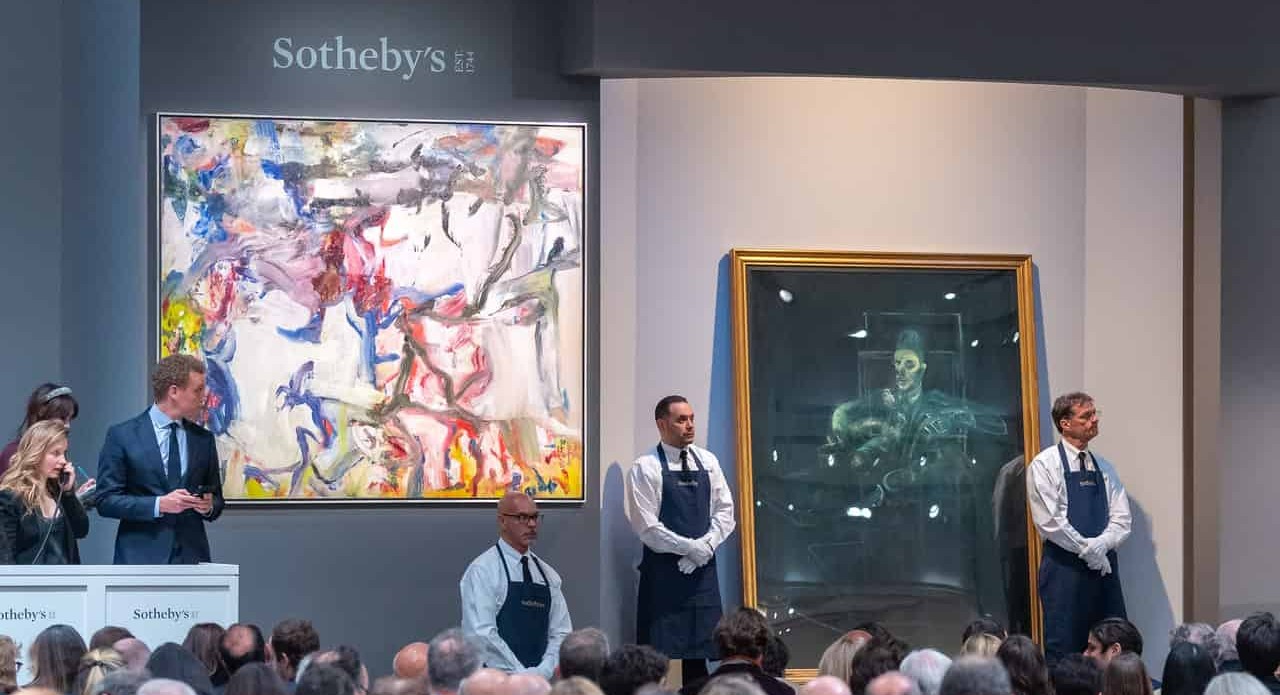


In the world of fine watch collecting, the most expensive watches are rarely expensive simply because they tell time. A watch entering an auction room carries something far more powerful than gears and springs. It carries history, scarcity, craftsmanship and a story that collectors are willing to chase. At Sotheby’s, the appeal of rare timepieces often comes from the combination of exceptional engineering and emotional value. A watch can become valuable because only a handful were ever produced, because it represents a turning point for a manufacturer, or because it carries a connection to a remarkable personality. The auction world does not simply sell watches. It sells legacy.
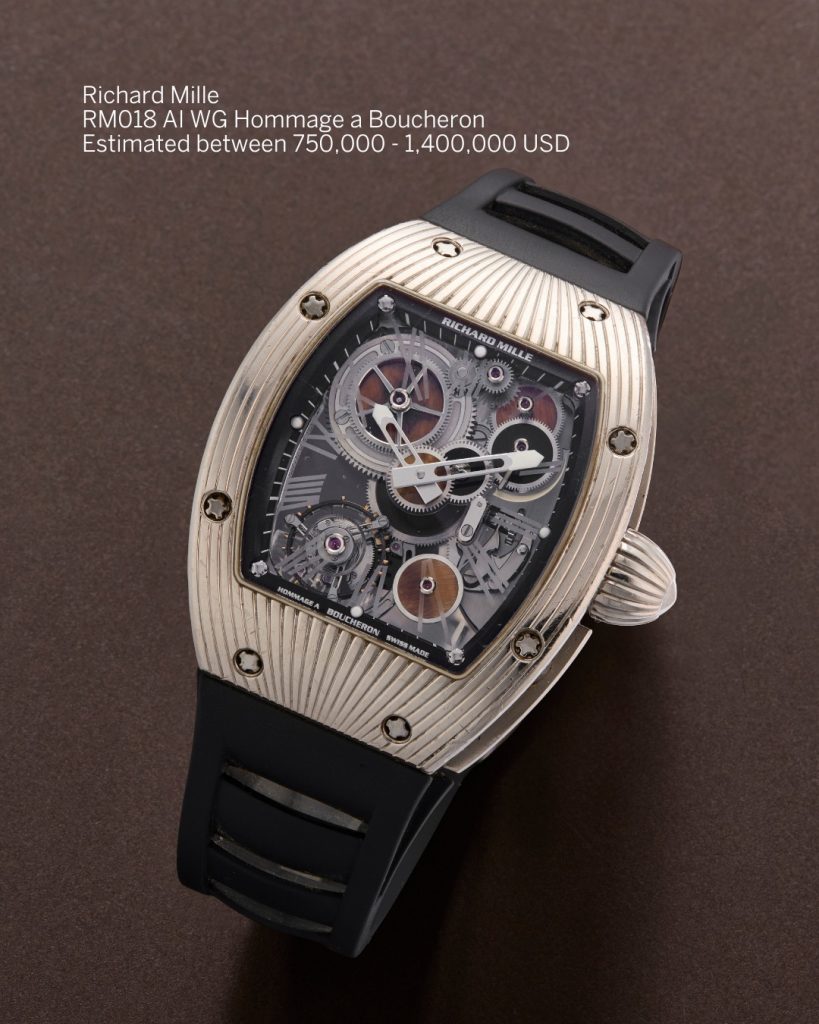
Limited production is one of the biggest factors that pushes a watch into collector territory. When a manufacturer creates only a small number of examples, the watch immediately becomes harder to acquire, and demand begins competing against availability. A piece like the Richard Mille RM 018 AI WG Hommage à Boucheron, estimated between $750,000 and $1.4 million, represents this philosophy perfectly.
Also Read: Top 5 Most Expensive Timepieces Ever Sold At Auctions
The value is not only in the precious metal case but in the extraordinary mechanical concept, the collaboration element and the exclusivity attached to a creation produced for a very limited audience. Collectors are not simply buying a watch. They are buying access to something almost impossible to replicate.
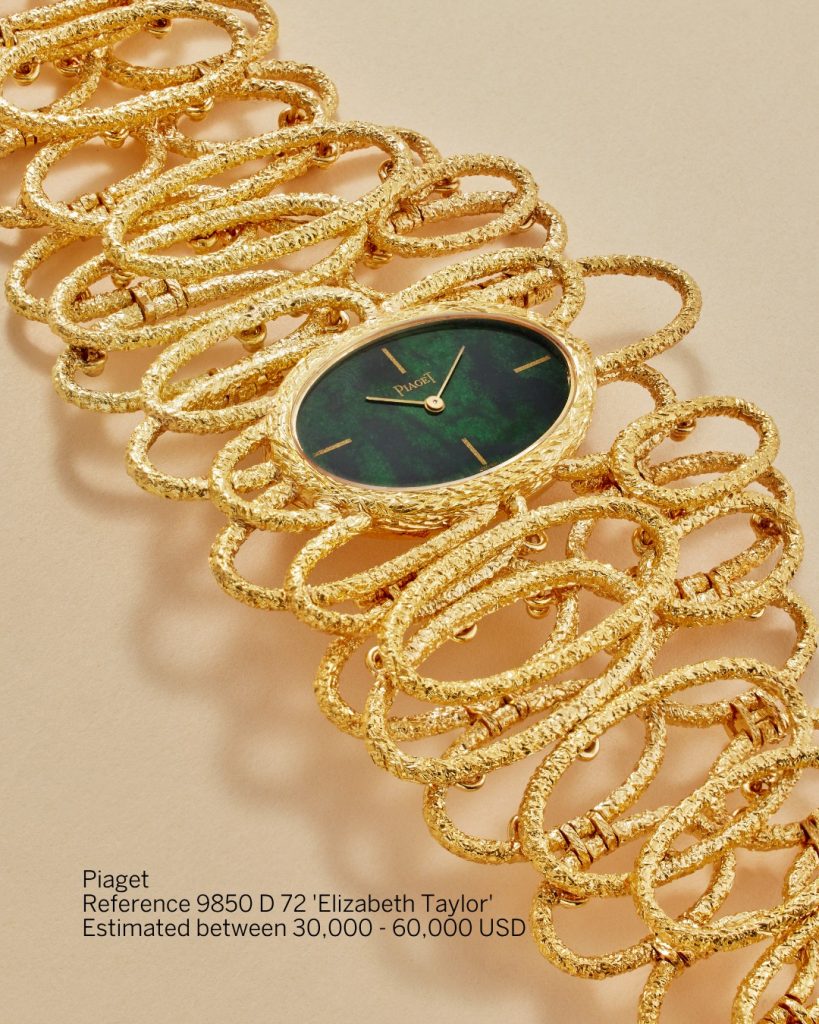
The most fascinating auction watches often have a past. A watch connected to a major collector, cultural figure or important moment gains another layer of value. Provenance transforms the object from a luxury product into a piece of history. The Piaget Reference 9850 D72 linked to Elizabeth Taylor carries a special appeal because the connection adds emotional significance beyond its design and craftsmanship. Collectors are drawn to objects that have witnessed something. A watch that once belonged to someone influential carries a narrative that a brand-new piece simply cannot recreate.
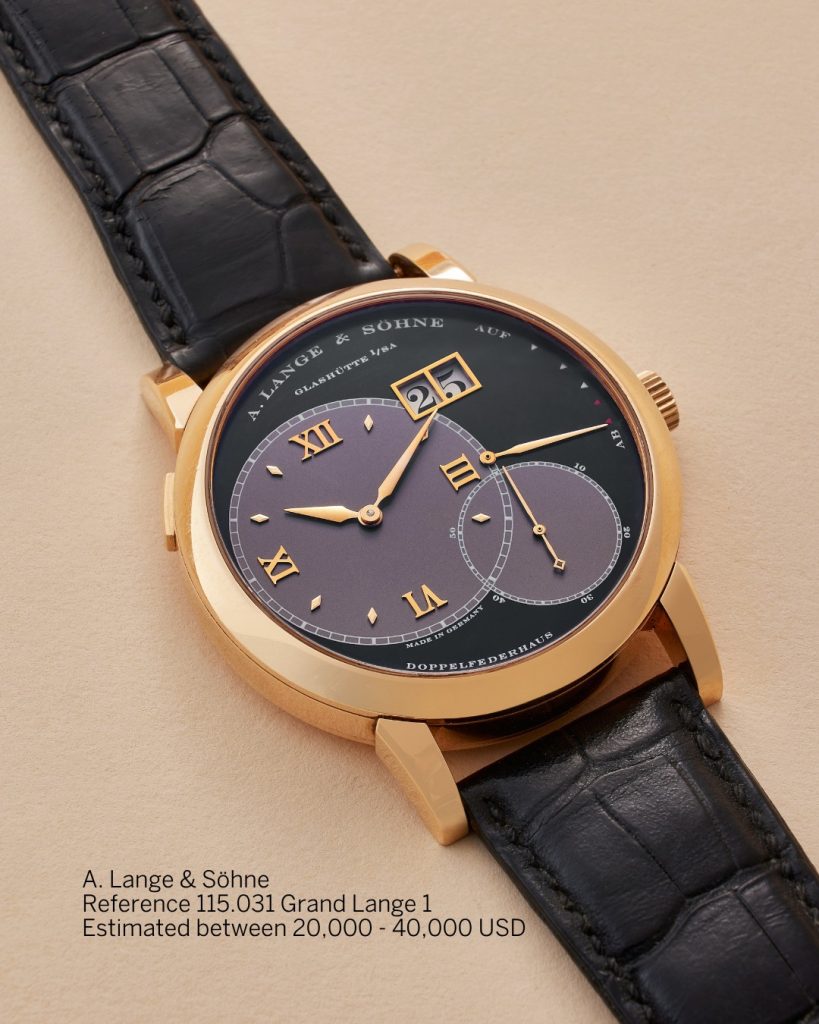
Mechanical excellence is another major reason watches appreciate. The finest examples of haute horlogerie require hundreds of hours of finishing, specialised skills and techniques that take decades to master. The A. Lange & Söhne 115.031 Grand Lange 1 represents German precision and the brand’s approach to finishing, movement architecture and traditional watchmaking.
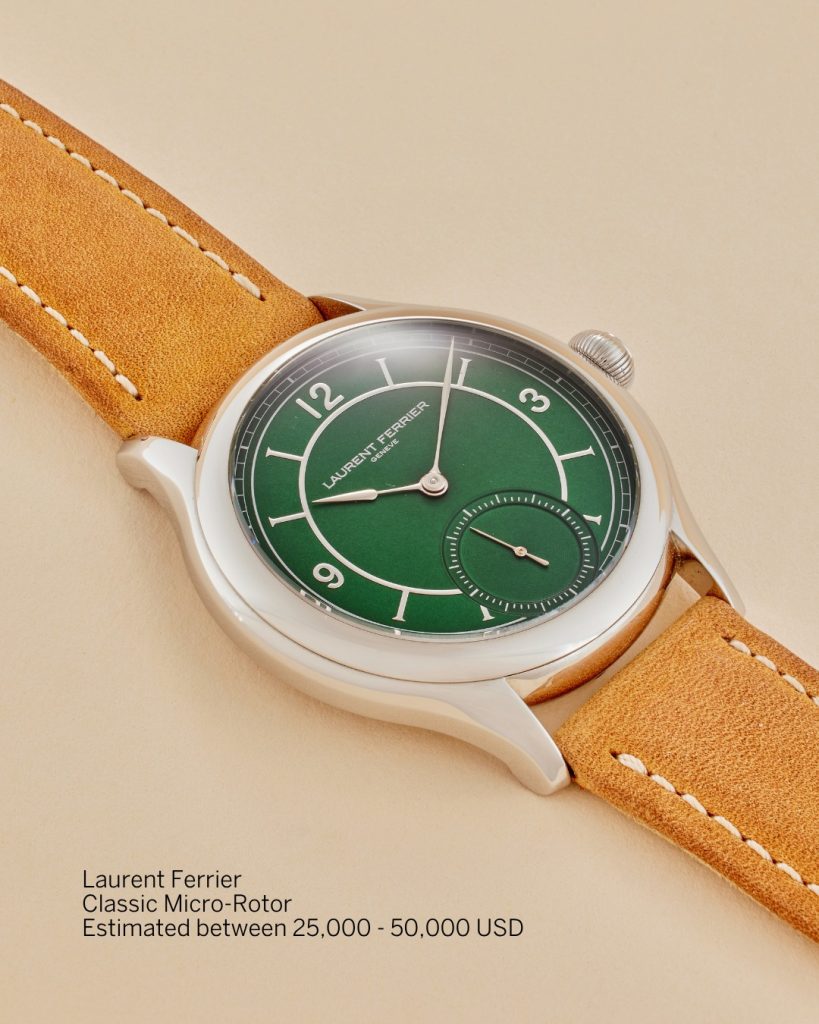
Likewise, the Laurent Ferrier Classic Micro-Rotor attracts collectors because it represents a smaller independent watchmaker’s philosophy: fewer pieces, meticulous execution and a distinctive approach that separates it from mass-produced luxury watches. A watch becomes even more desirable when the movement itself becomes a technical achievement. Complications such as chronographs, perpetual calendars, tourbillons or innovative rotor systems require greater engineering and often increase the appeal among serious collectors.
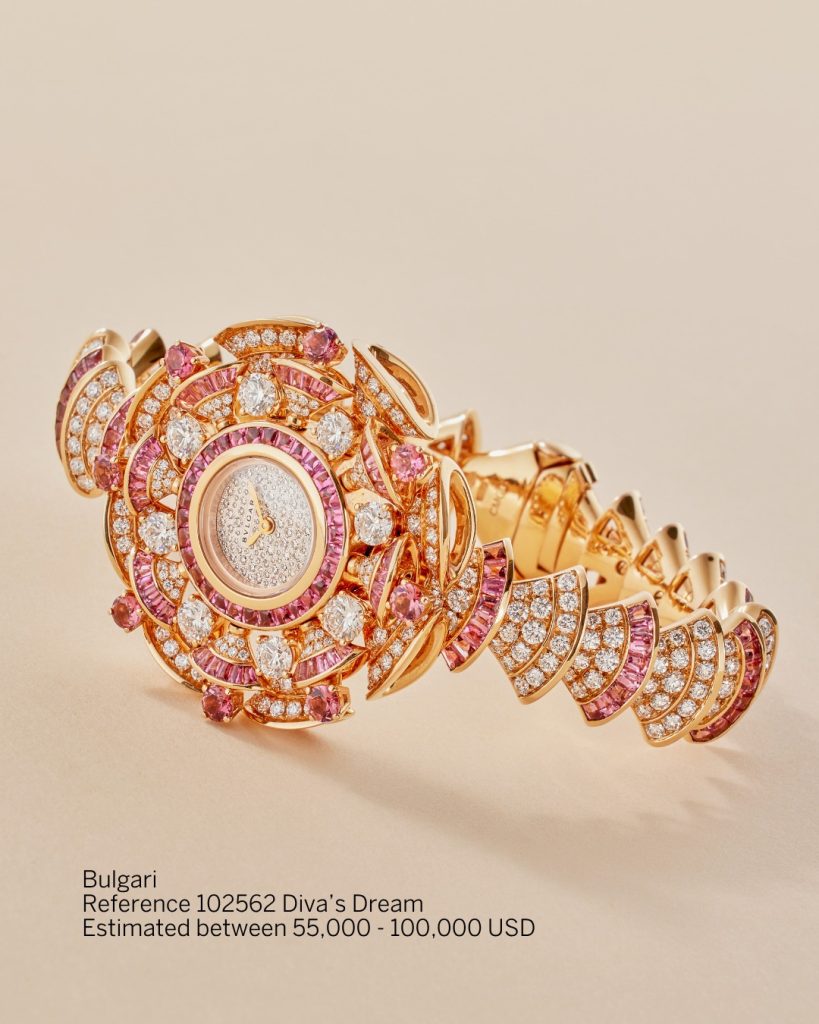
The mechanical story behind the watch becomes as important as its appearance. Collectors appreciate the fact that a complicated movement represents years of research, development and hand assembly. Some watches gain value because their design becomes instantly recognisable. The Bvlgari Diva’s Dream, estimated between $55,000 and $100,000, represents the connection between jewellery and watchmaking. Its appeal comes from a distinctive aesthetic identity, elegant proportions and the ability to exist as both a timepiece and a piece of luxury design.
In the auction world, originality matters. A watch that creates its own visual language often develops a stronger collector following over time. The most successful auction watches are not always the ones with the biggest price tags. They are the ones with the strongest stories. A collector is not just purchasing gold, titanium or complicated mechanics. They are buying a moment in watchmaking history. And that is why certain watches continue to rise in value long after they leave the boutique. They stop being products and become heirlooms.