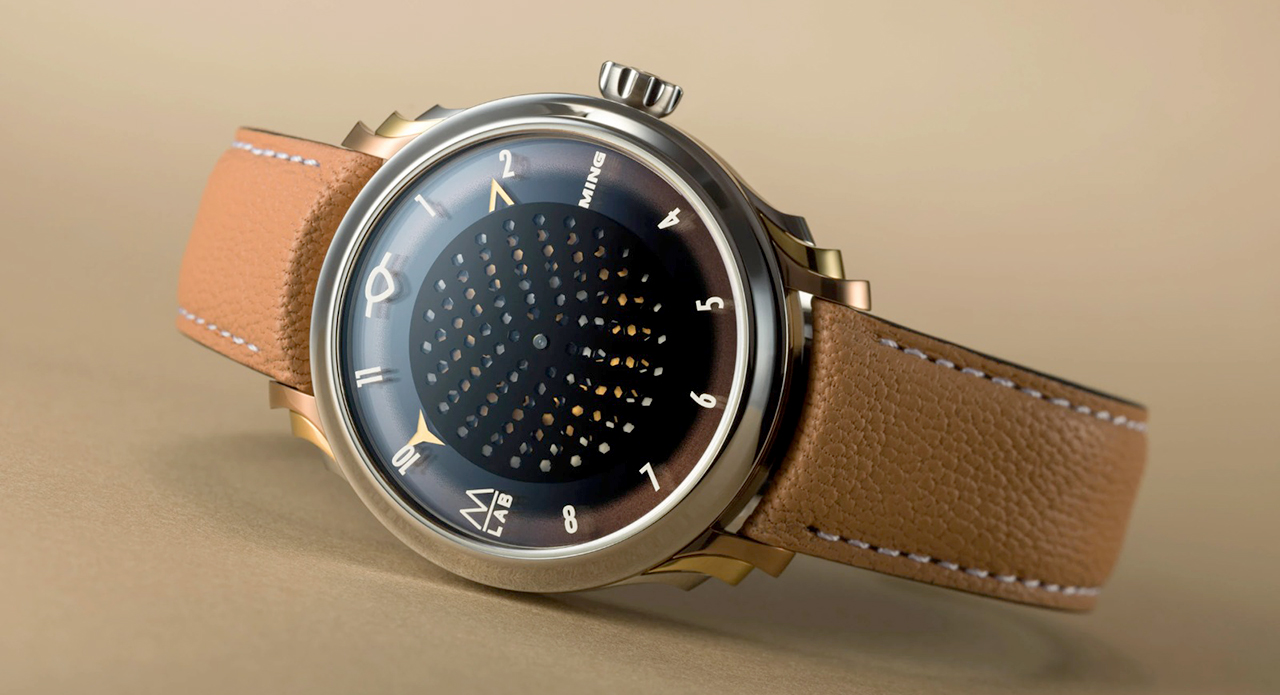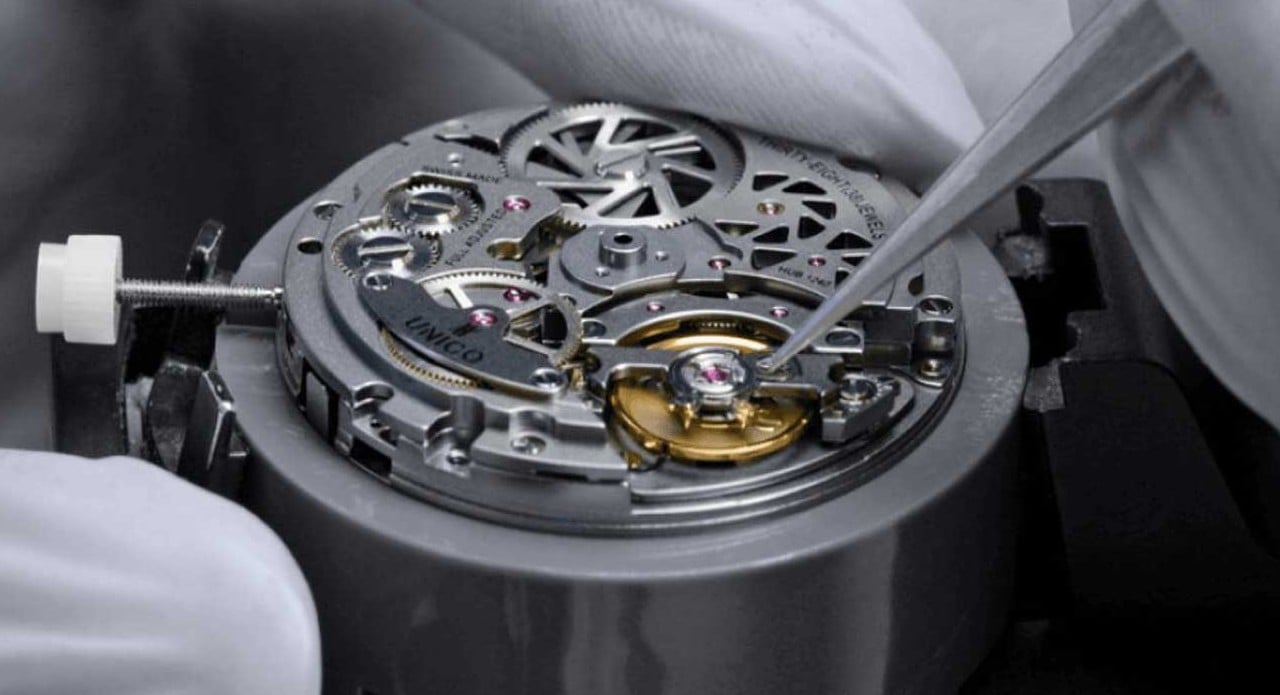


If watch movements were cars the escapement would be the engine gearbox and suspension rolled into one complicated noisy slightly temperamental lump. It controls how energy is released how accurately time is kept and how often your watch needs an awkward and expensive visit to the service centre.
Yet most people nod politely and change the subject. Swiss Lever Co Axial Silicon. Lovely words. Sound important. But what do they actually do and why should you care. Sit down. This is where it gets interesting.
Swiss Lever Escapement
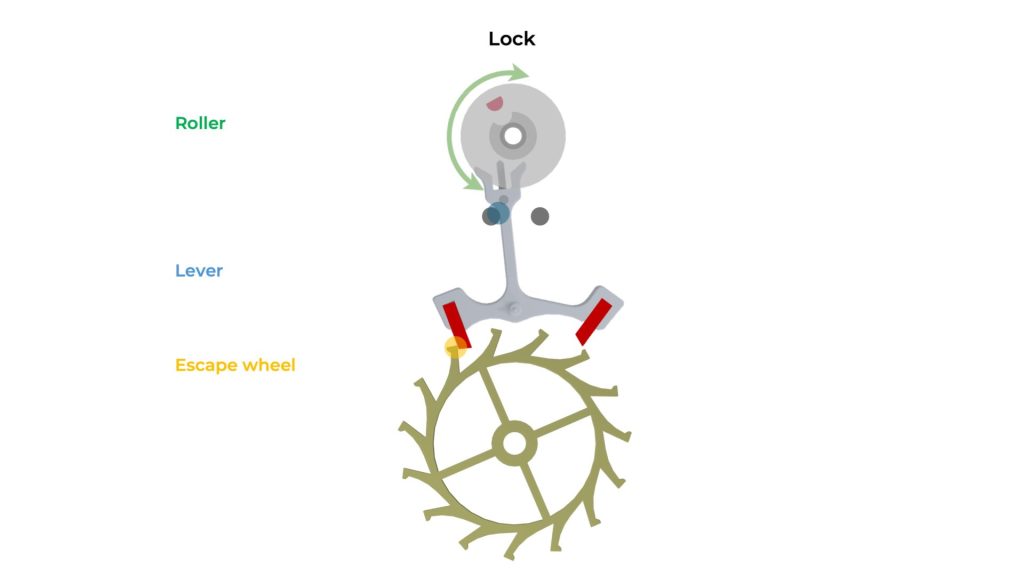
The Swiss Lever escapement has been around for centuries and shows no sign of going anywhere. It is simple robust and about as glamorous as a brick. And that is precisely why it works.
It relies on sliding friction. Metal rubbing against metal. Not ideal but predictable. Watchmakers understand it intimately. They can regulate it blindfolded half asleep and mildly annoyed. It survives shocks temperature changes and human stupidity with impressive resilience. Yes it needs lubrication. Yes that oil eventually degrades. But the Swiss Lever keeps going where cleverer ideas quietly gave up and went home.
Also Read: Different Crystals Used in Horology: Types, Features, And Why They Matter
The Problem Everyone Ignored
Friction is the enemy. Sliding friction in particular eats energy causes wear and shortens service intervals. For decades watchmakers accepted this as the price of mechanical timekeeping. Then along came someone who did not.
Co Axial: George Daniels Picks A Fight
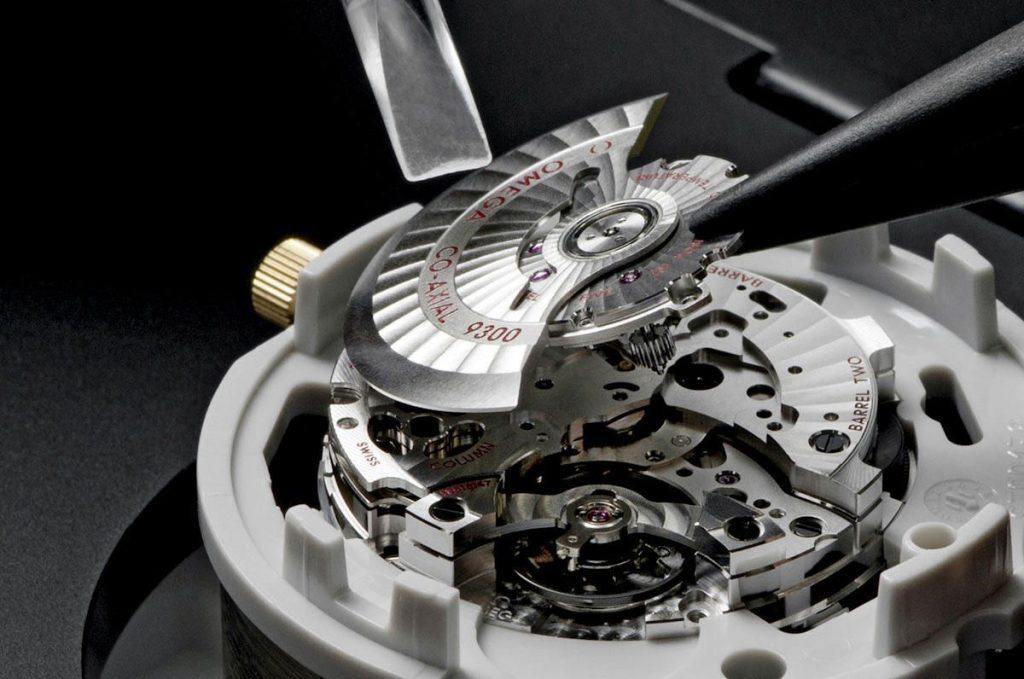
George Daniels looked at the Swiss Lever and said this is daft. Why are we wasting energy by rubbing parts together when we could make them push instead. The Co Axial escapement reduces sliding friction dramatically by separating the locking and impulse functions. In theory it is brilliant. Less friction means better long term accuracy longer service intervals and happier owners.
In practice it was a nightmare to industrialise. Tolerances had to be perfect. Manufacturing costs soared. Many brands politely admired it and backed away slowly. Omega did not. They committed fully and spent years refining it until it became not just viable but dependable. Today the Co Axial is a proper alternative not a curiosity.
Silicon: The Quiet Revolution
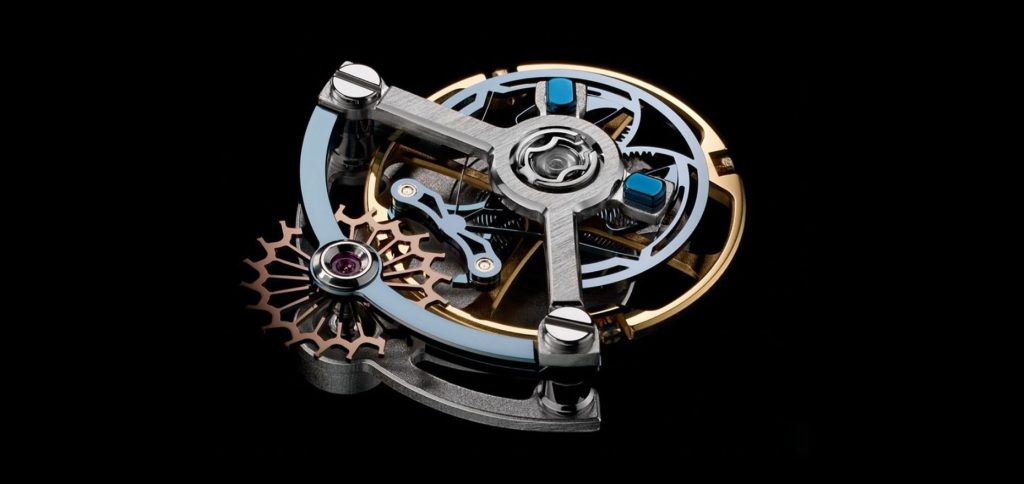
Then something unexpected happened. Material science entered the chat. Silicon does not need lubrication. It is anti magnetic. It is incredibly light and can be manufactured with microscopic precision. In one stroke it solved problems watchmakers had been wrestling with for centuries.
Silicon hairsprings and escapement components brought consistency on a scale mechanical watches had never seen. No oils to degrade no magnetism to ruin your weekend no temperature tantrums. Purists complained of course. Not traditional. Not romantic. Too modern. But accuracy does not care about romance.
Tradition Meets The Future
Here is the fascinating part. These are not competing ideas. They are layers of evolution. The Swiss Lever remains dominant because it is proven and dependable. The Co Axial exists because one man refused to accept compromise. Silicon now enhances both turning old designs into something quietly extraordinary.
Modern escapements often combine centuries old geometry with space age materials. It is watchmaking at its most honest. Respecting the past while unapologetically fixing its flaws. So which escapement is best? The answer will annoy everyone. It depends. Swiss Lever is like a naturally aspirated V8. Familiar reliable and deeply satisfying. Co Axial is the clever engineering solution that sacrifices simplicity for long term gains. Silicon is the hybrid tech that actually works rather than just sounding good at dinner parties. Together they explain why mechanical watches still matter. Not because they are perfect but because they keep evolving while pretending they have not.