

There was a time when owning a remarkable watch meant simply knowing the time. Those days disappeared somewhere between the invention of the quartz movement and the moment collectors realised a mechanical watch could be something far more interesting than a practical object. A great timepiece became a miniature world of engineering, artistry and history, sitting quietly on the wrist while carrying decades of human imagination inside it.
But in a market filled with limited editions, numbered releases and endless claims of exclusivity, the word rare has become rather complicated. A watch being difficult to buy does not always mean it is truly special. Sometimes rarity is created by scarcity, but the finest examples earn their reputation through something much deeper.
A truly rare watch is not just something few people own. It is something that few people could have created. From hand finished movements and unique materials to historic significance and emotional connection, the world’s greatest watches are defined by details most people never notice. For serious collectors, understanding these details is what separates a purchase from a legacy.
True Rarity Begins With Craftsmanship
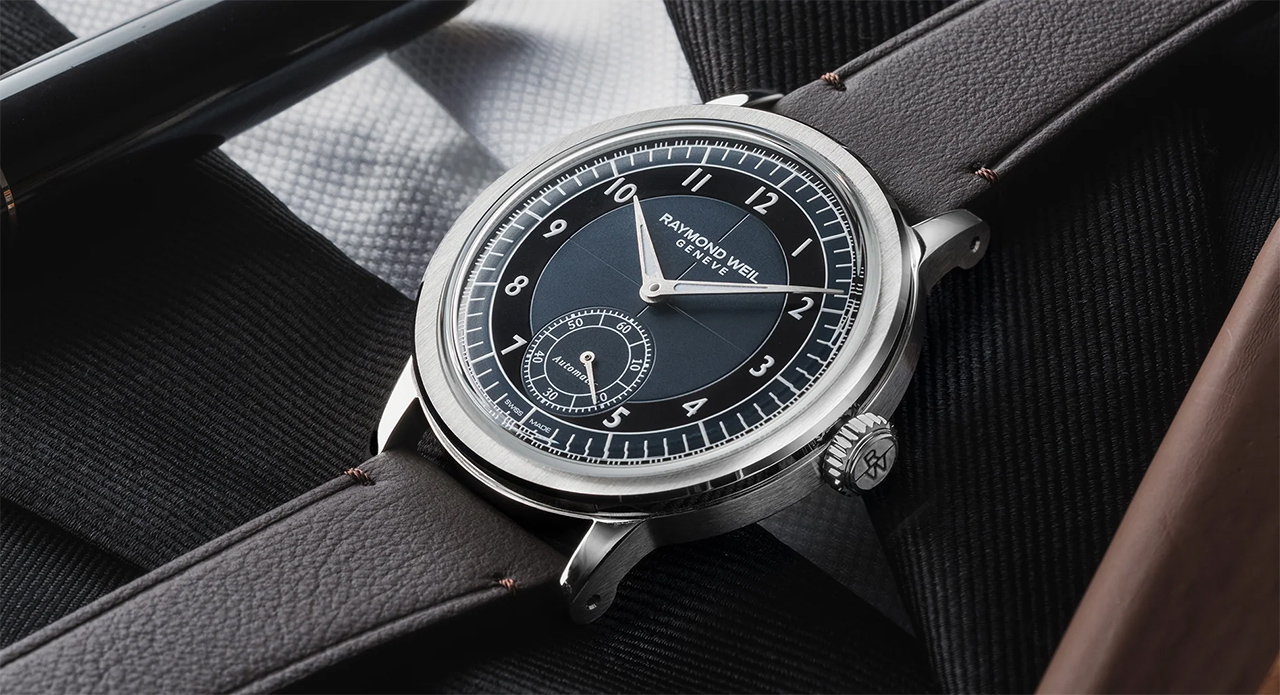
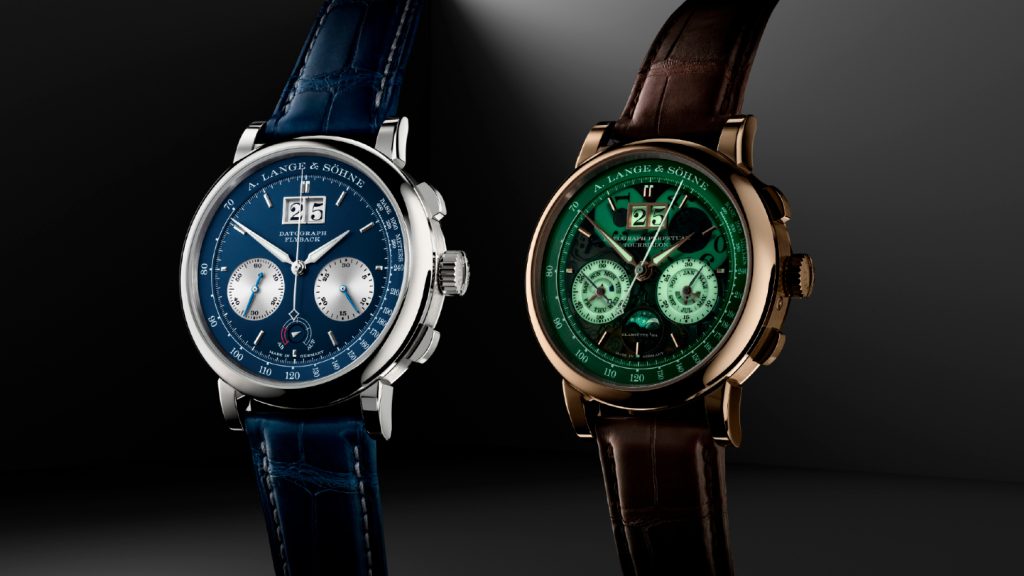
The first sign of a truly exceptional watch is often found where nobody immediately looks: inside. A beautifully finished movement represents hours of patience, skill and tradition. Anglage, polishing, engraving and decorative techniques transform mechanical components into works of art. These details are not created for attention. Many exist in places only visible to the wearer or the watchmaker.
This is where true watchmaking separates itself from ordinary manufacturing. A rare watch carries the fingerprints of the people who created it. Every polished edge, every engraved detail and every carefully assembled component reflects human expertise that cannot simply be replicated by machines.
Also Read: 5 Remarkable Watch Collaborations That Made Headlines In Horology
Limited Production Does Not Always Mean Rare
The word limited has become one of the most common terms in modern watchmaking. But producing fewer pieces does not automatically create a collectible masterpiece. A genuinely rare watch combines scarcity with meaning. A limited production timepiece becomes important when it introduces something significant: a new design language, an important movement, a historic moment or an approach that changes how people view watchmaking. Numbers matter, but the reason behind those numbers matters more.
The Movement Is Where The Story Lives
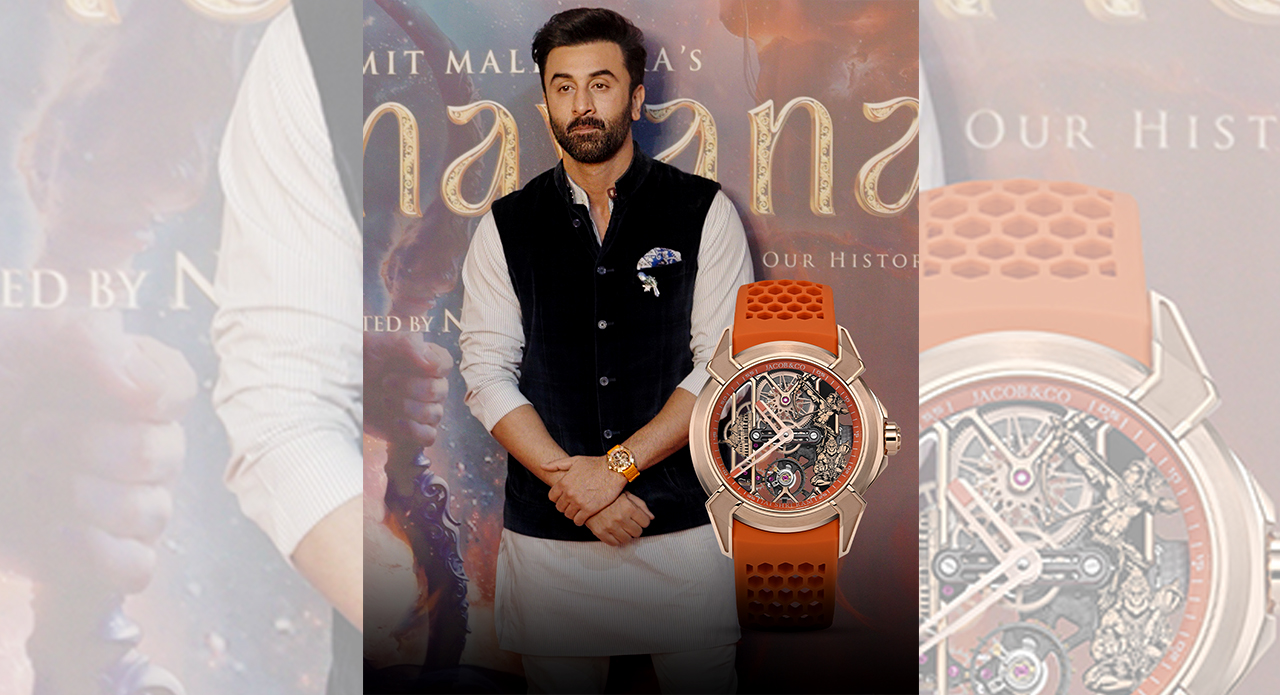
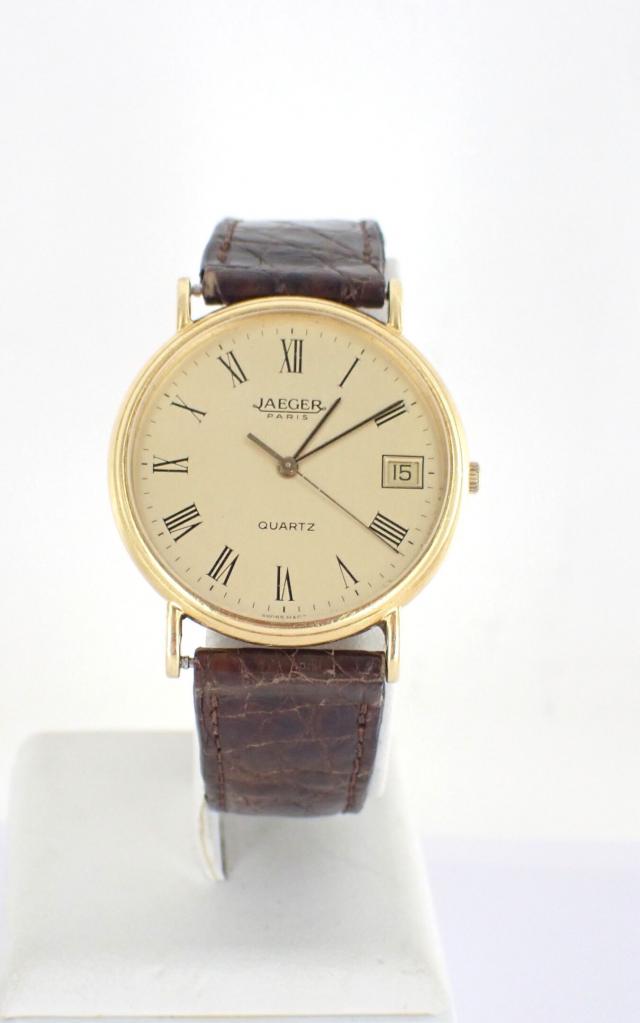
A watch’s exterior may attract attention, but collectors often look deeper. The movement is where a brand reveals its philosophy. Some focus on technical innovation, others on traditional craftsmanship, while some attempt to reinvent the relationship between mechanical engineering and design. A truly rare watch often carries a movement that tells its own story. It represents years of research, experimentation and the pursuit of something that has never existed before.

Materials That Create Identity
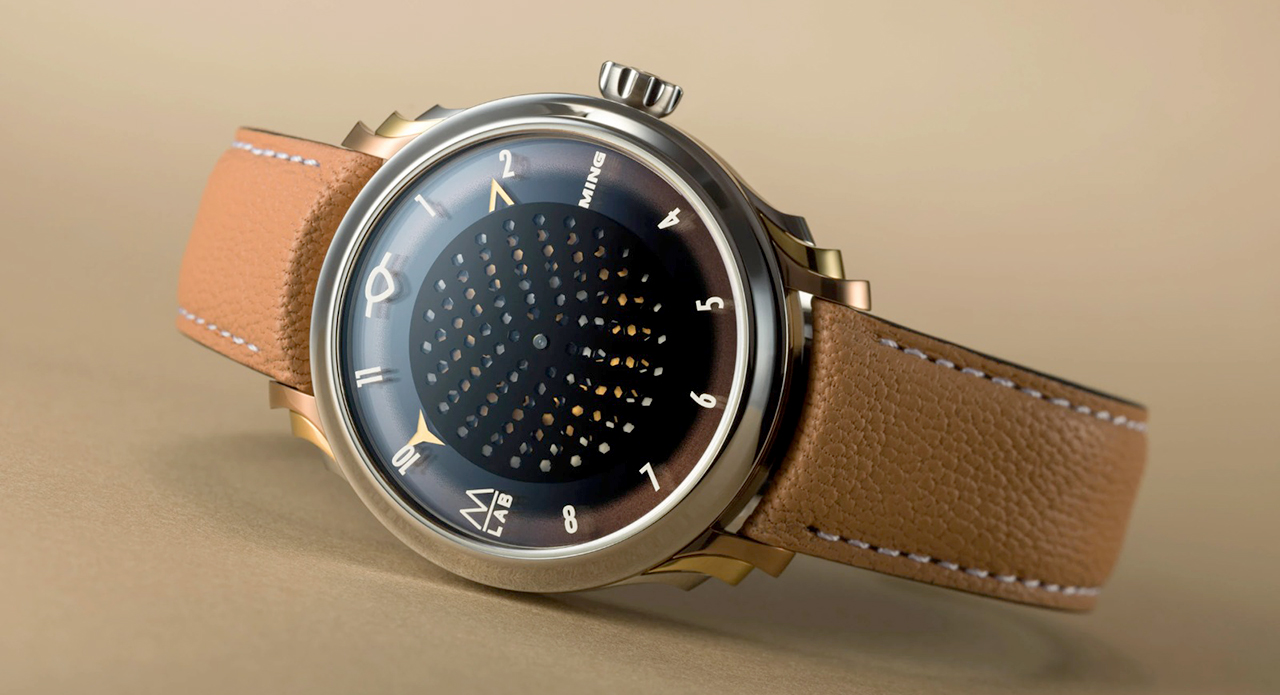
Materials have always played a crucial role in watchmaking. Gold, platinum and precious stones have long represented traditional luxury, but modern collectors increasingly appreciate unusual materials that give a watch its own personality. Titanium, ceramics, specialised alloys and rare stones can transform a timepiece into something entirely different. The material is not just about appearance. It influences the weight, durability and emotional connection of the watch. A rare material, when combined with meaningful design, becomes part of the watch’s identity.
Also Read: Top Collaborative Timepieces Of 2026: The Most Exciting Watch Partnerships
Heritage And Provenance Create Value
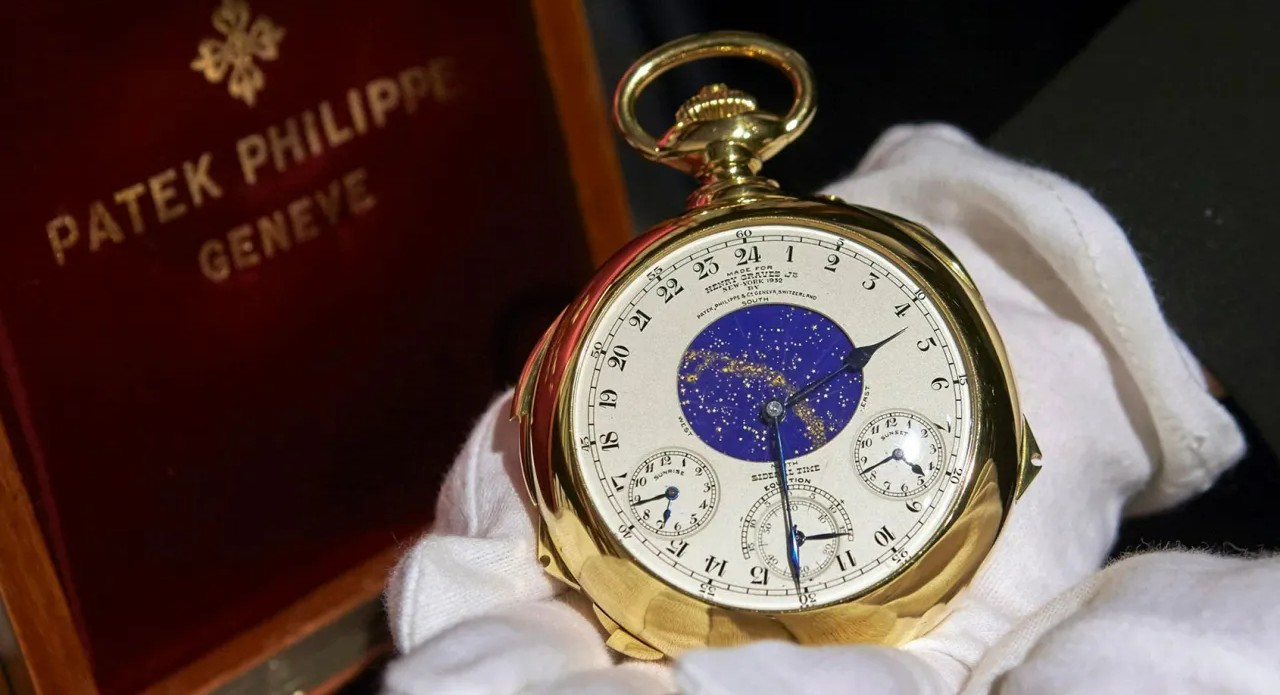
Some watches become legendary because of the stories attached to them. A connection to an important historical moment, a significant owner, a pioneering achievement or a remarkable event can elevate a timepiece beyond its physical components. Collectors are not only buying steel, gold and gears. They are buying history. The most valuable watches often carry a narrative that cannot be reproduced.
The Future Of Watch Collecting
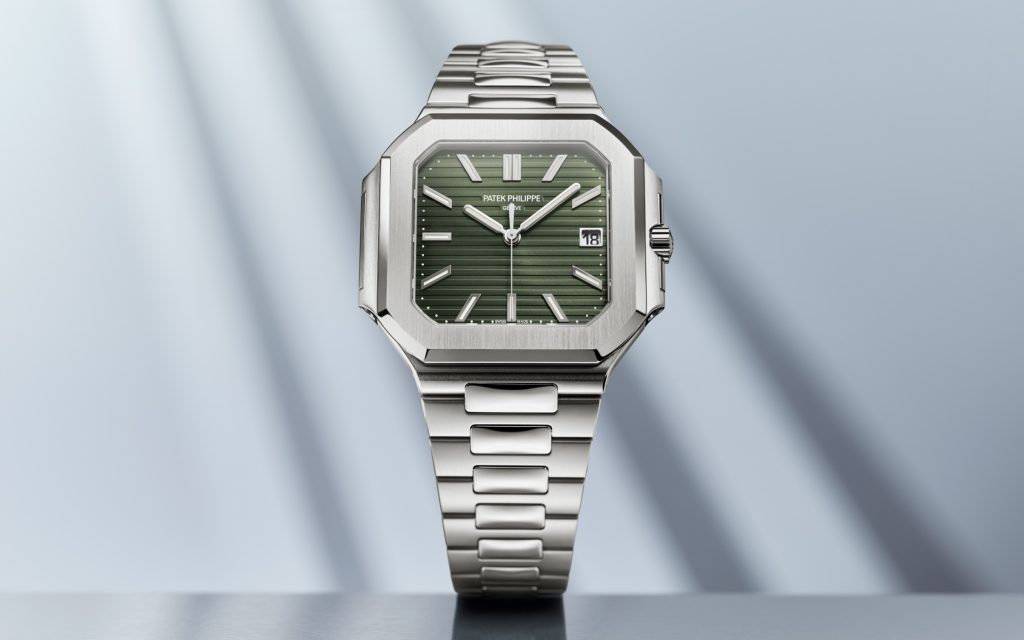
As watchmaking continues to evolve, the definition of rarity will continue to change. Technology, new materials and independent creativity are reshaping what collectors value. But one thing remains constant. The rarest watches are not necessarily the loudest, the most expensive or the hardest to find. They are the ones that represent something impossible to repeat.