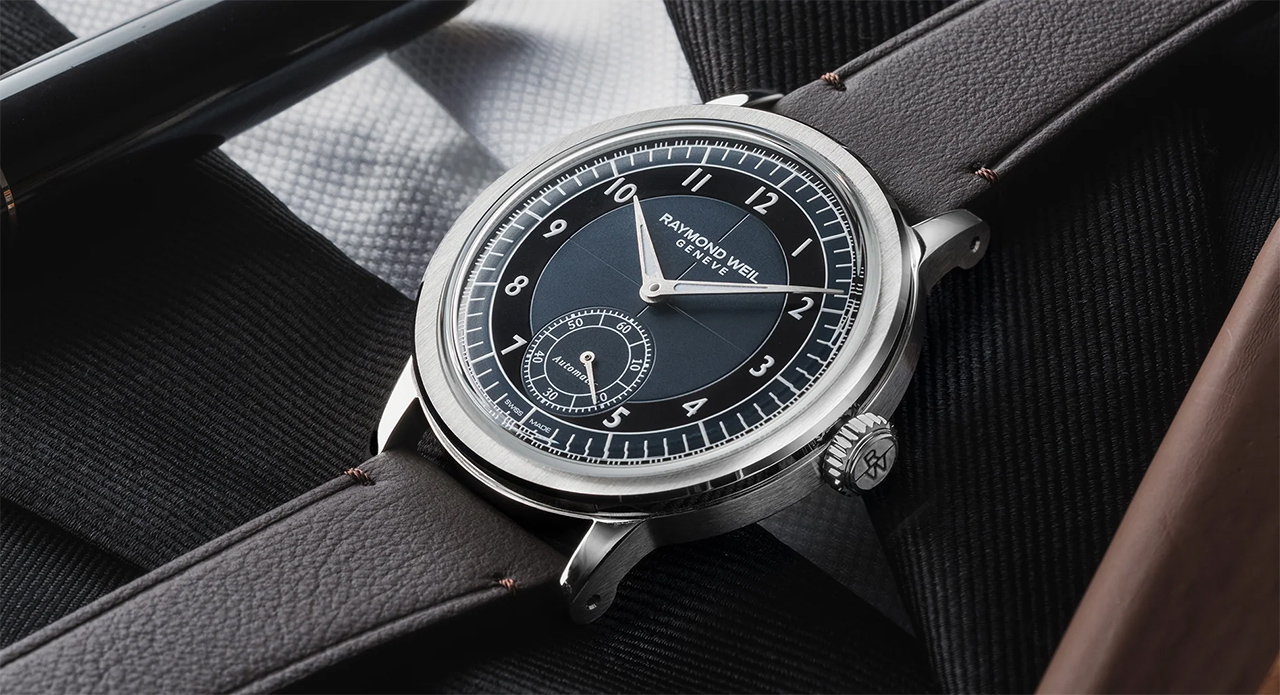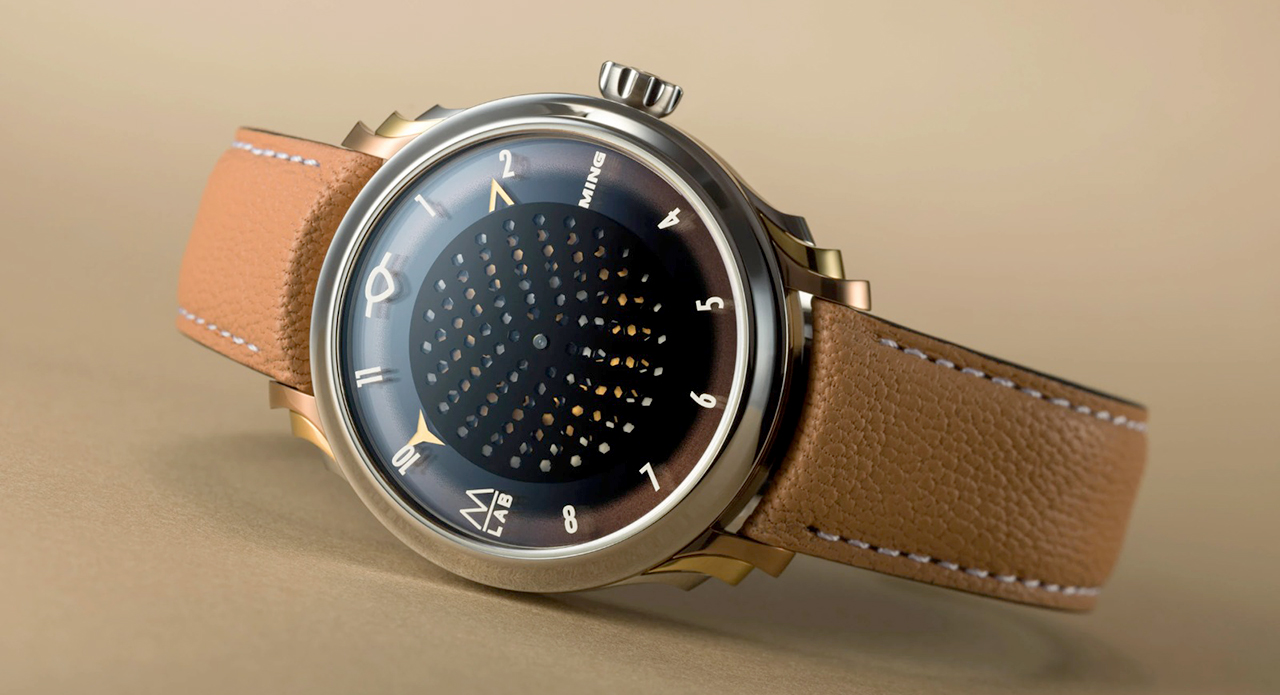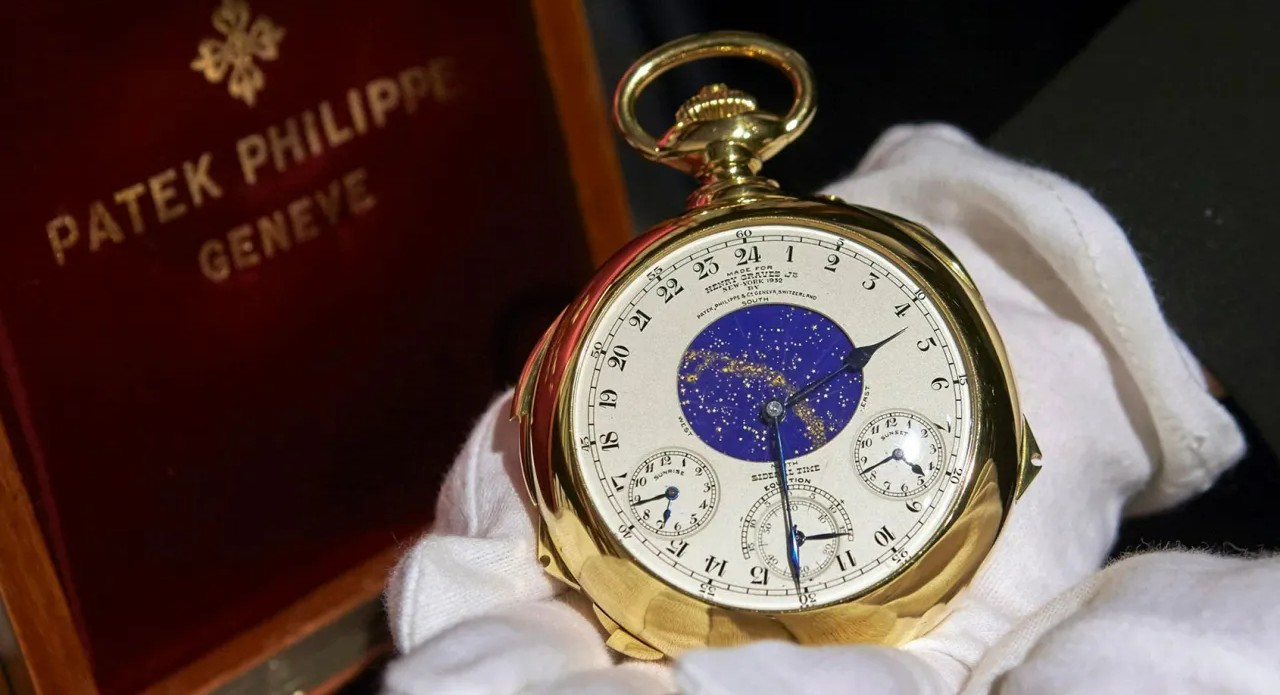


Ask someone at a watch dinner what 4Hz means and you will get a knowing nod followed by silence thick enough to lubricate a tourbillon. Hertz sounds scientific. Important. Something engineers argue about while normal people check the time and leave the room. But 4Hz is not mystical wizardry. It simply means the balance wheel oscillates eight times per second. Tick tick tick tick tick tick tick tick. That rhythm is the heartbeat of modern mechanical watchmaking and it has stubbornly refused to go away.
The Goldilocks Zone Of Watchmaking
Watchmakers tried everything before settling here. Slower movements at 2.5Hz or 3Hz promised romance and tradition but delivered accuracy that wandered off like a distracted spaniel. Faster movements at 5Hz and beyond looked marvellous on paper and dreadful on wrists. Parts wore out quicker power reserves collapsed and lubricants waved a white flag.
4Hz sits right in the middle. Not too slow not too frantic. It is the Goldilocks frequency. Accurate enough for daily life robust enough for shock vibration and the occasional desk thump when your spreadsheet crashes again.
Why Accuracy Loves 4Hz
The faster the balance wheel beats the more often errors are corrected. Think of it like steering a car. Make tiny adjustments frequently and you stay straight. Wait too long and you are suddenly in a hedge explaining yourself to insurance.
At 4Hz the movement corrects itself eight times every second. That smooths out small disturbances from wrist movement gravity or enthusiastic gesturing during arguments about which chronograph is best. Accuracy improves without asking the movement to sprint until it collapses.
Durability The Bit No One Brags About
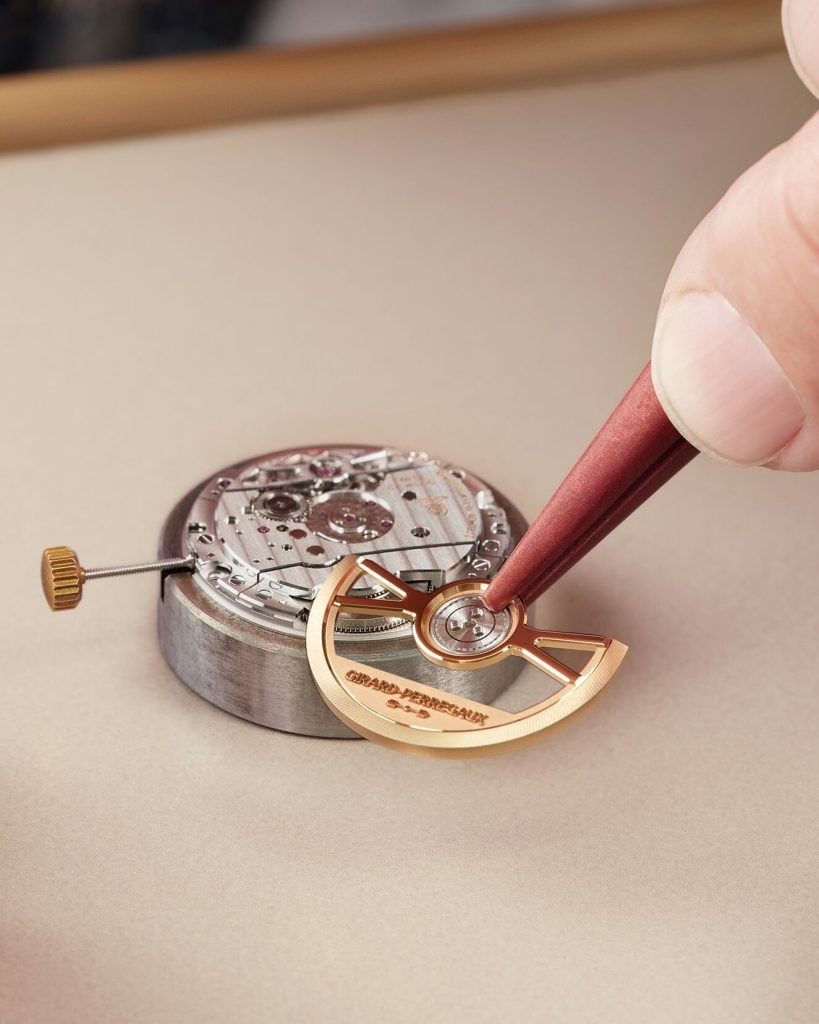
Here is the truth. Watches are machines. Machines wear out. Higher frequencies mean more friction more stress and more maintenance. At 4Hz components still move briskly but not violently. Oils last longer pivots suffer less and the watch survives years of real world abuse rather than living a pampered life in a safe.
This is why brands that care about long term ownership not just brochure numbers quietly stay at 4Hz. Rolex Omega Patek Philippe Grand Seiko. They could chase higher beats. They choose not to because customers tend to dislike expensive servicing surprises.
Power Reserve And The Laws Of Physics
Every tick costs energy. Faster ticks cost more. Simple. Push frequency too high and power reserve collapses faster than a folding chair at a family barbecue. At 4Hz watchmakers can still deliver respectable power reserves without fitting barrels the size of oil drums. It allows room for complications chronographs calendar modules and automatic winding systems without turning the case into a flying saucer.
Chronographs Behave Better At 4Hz
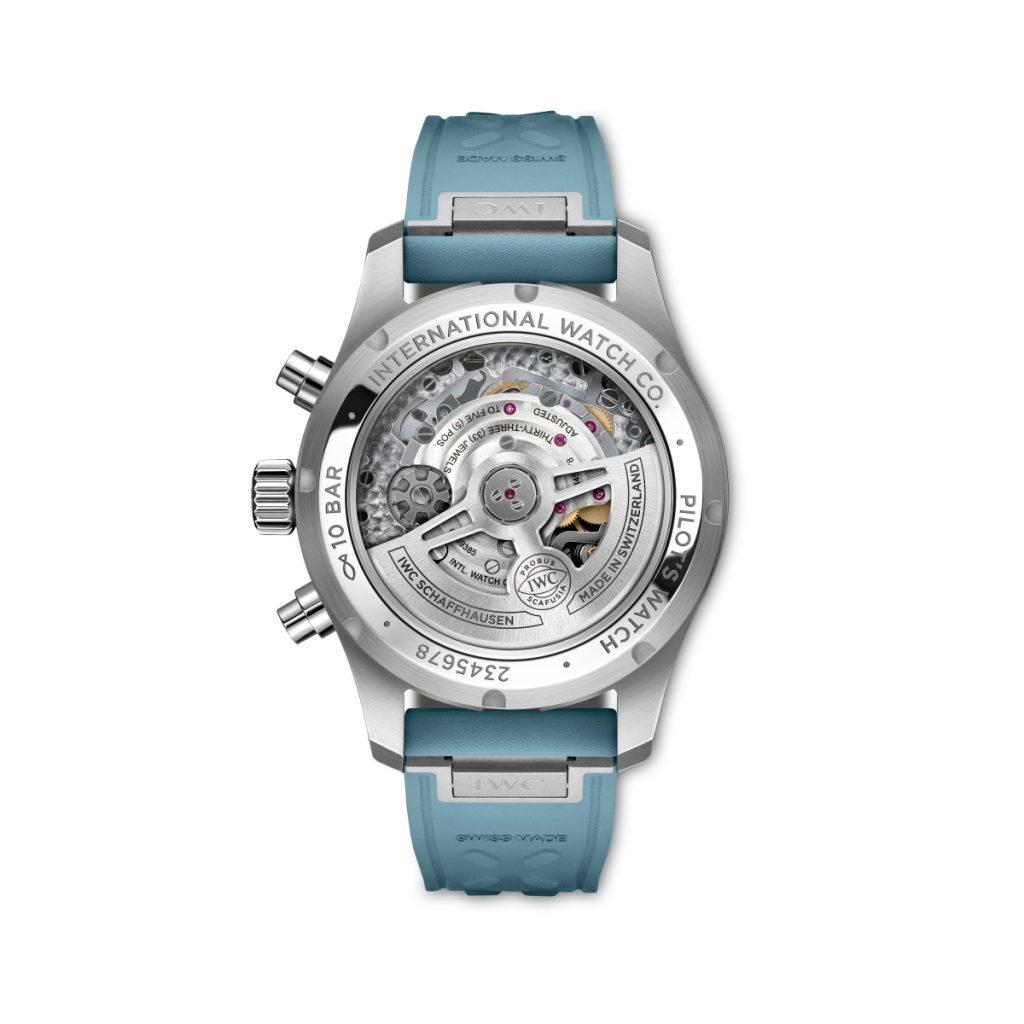
Chronographs are divas. They demand precision stability and smooth engagement. At 4Hz the seconds hand sweeps cleanly without judder and timing remains consistent even when the chronograph is running continuously. Lower frequencies can look charming but timing suffers. Higher frequencies improve measurement resolution but stress the chronograph works mercilessly. Once again 4Hz is the calm rational adult in the room.
The Myth Of Higher Equals Better
Marketing departments adore numbers. Bigger sounds better. 5Hz 10 beats per second ultra high frequency. It all sounds thrilling until you own one. Yes higher frequencies can measure time more precisely in laboratory conditions. But watches are worn by humans who knock them on doors drink coffee gesticulate wildly and occasionally drop them. In that environment consistency matters more than theoretical perfection. 4Hz delivers repeatable performance day after day without drama.
Why It Refuses To Die
Trends come and go. Silicon hairsprings arrive materials evolve escapements improve. And yet 4Hz remains because it works. It adapts beautifully to modern manufacturing tolerances advanced lubrication and antimagnetic components.
It is not nostalgia. It is engineering maturity. The industry reached a consensus through decades of broken parts angry watchmakers and very expensive lessons. So why does 4Hz still dominate mechanical watches? Because it is sensible. And in a world of over engineered nonsense that is deeply unfashionable. It does not shout. It does not promise the moon. It simply turns up every day ticks reliably keeps decent time and refuses to embarrass you. Which is rather like the best cars the best engines and the best ideas generally.