How Lina Bo Bardi Changed Modern Architecture With A People-First Vision
Lina Bo Bardi rejected architecture as personal spectacle, creating some of Brazil's most celebrated buildings by placing culture, community and human connection above the architect's ego
There are architects who spend their careers trying to leave monuments to themselves. Gleaming towers with signatures so large they practically shout, “Look what I built.” Then there was Lina Bo Bardi, who looked at that entire philosophy with the sort of quiet disbelief normally reserved for someone wearing socks with sandals. She believed the architect should almost disappear. The building, she argued, wasn’t the star of the show. The people inside it were. Born in Italy but spiritually reborn in Brazil, Bo Bardi spent her career proving that great architecture isn’t about intimidating skylines or impossible engineering. It’s about creating places where strangers meet, children play, artists perform, neighbours gather and everyday life becomes just a little richer. In an era increasingly obsessed with celebrity architects, she quietly dismantled the very idea that architecture should ever be about the architect.
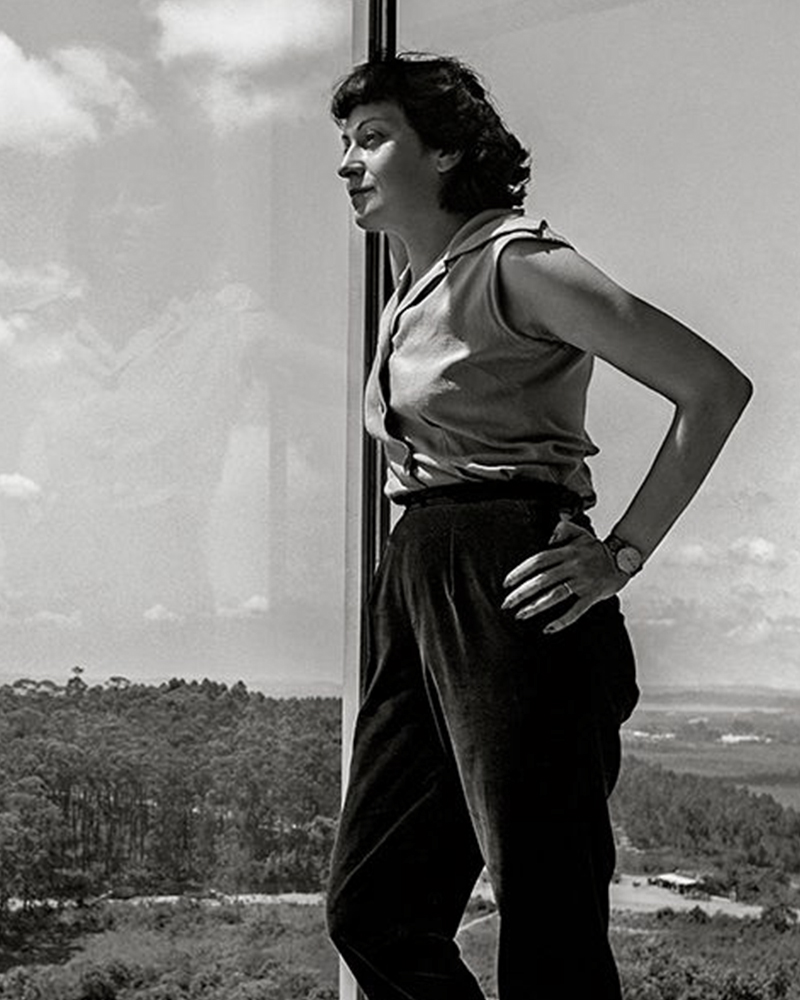
From War Torn Italy To A New Beginning In Brazil
Born in Rome in 1914, Lina Bo Bardi graduated as an architect during one of Europe’s most turbulent periods. The devastation of the Second World War fundamentally altered her understanding of architecture, convincing her that buildings could never exist in isolation from the societies they served. In 1946, she moved to Brazil with her husband, art critic Pietro Maria Bardi, where she discovered a country whose cultural diversity, craftsmanship and openness transformed her architectural philosophy. Brazil became more than her adopted home. It became the place where she redefined what architecture could achieve.
Also Read: Carlo Mollino: The Visionary Italian Architect Behind Beautiful Excess
MASP Where A Museum Became Part Of The City
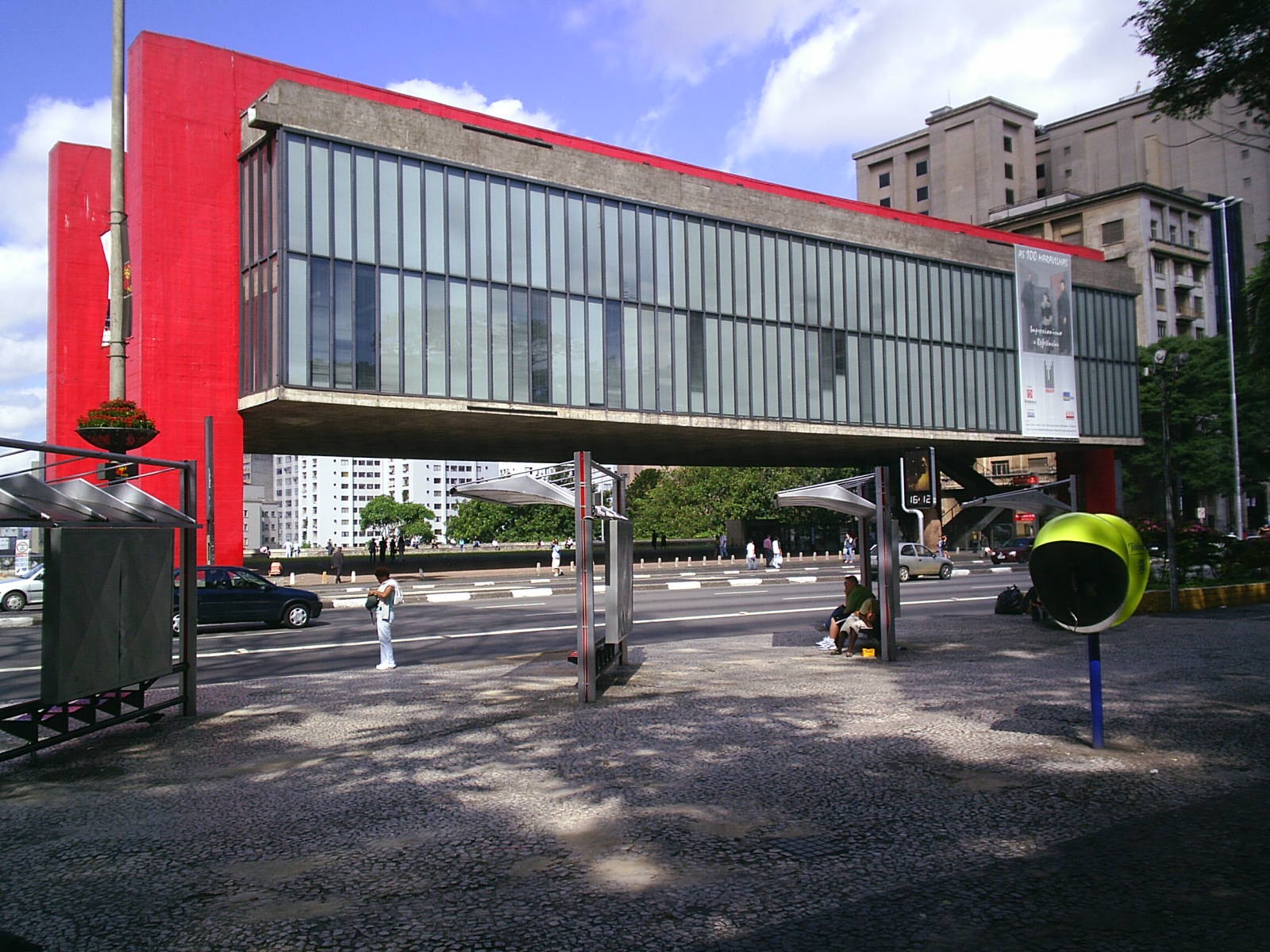
The Museu de Arte de São Paulo (MASP) remains one of Bo Bardi’s most revolutionary works. Suspended dramatically above a vast public plaza by two enormous red concrete beams, the museum appears to float above the city rather than dominate it. The decision wasn’t merely structural bravado. By lifting the gallery into the air, Bo Bardi preserved an open civic space beneath where markets, protests, concerts and daily life could unfold freely. Inside, paintings were originally displayed on crystal easels rather than fixed walls, allowing visitors to experience art without conventional hierarchies. It was a museum designed not to isolate culture but to make it part of everyday urban life.
SESC Pompéia Where A Factory Became A Community
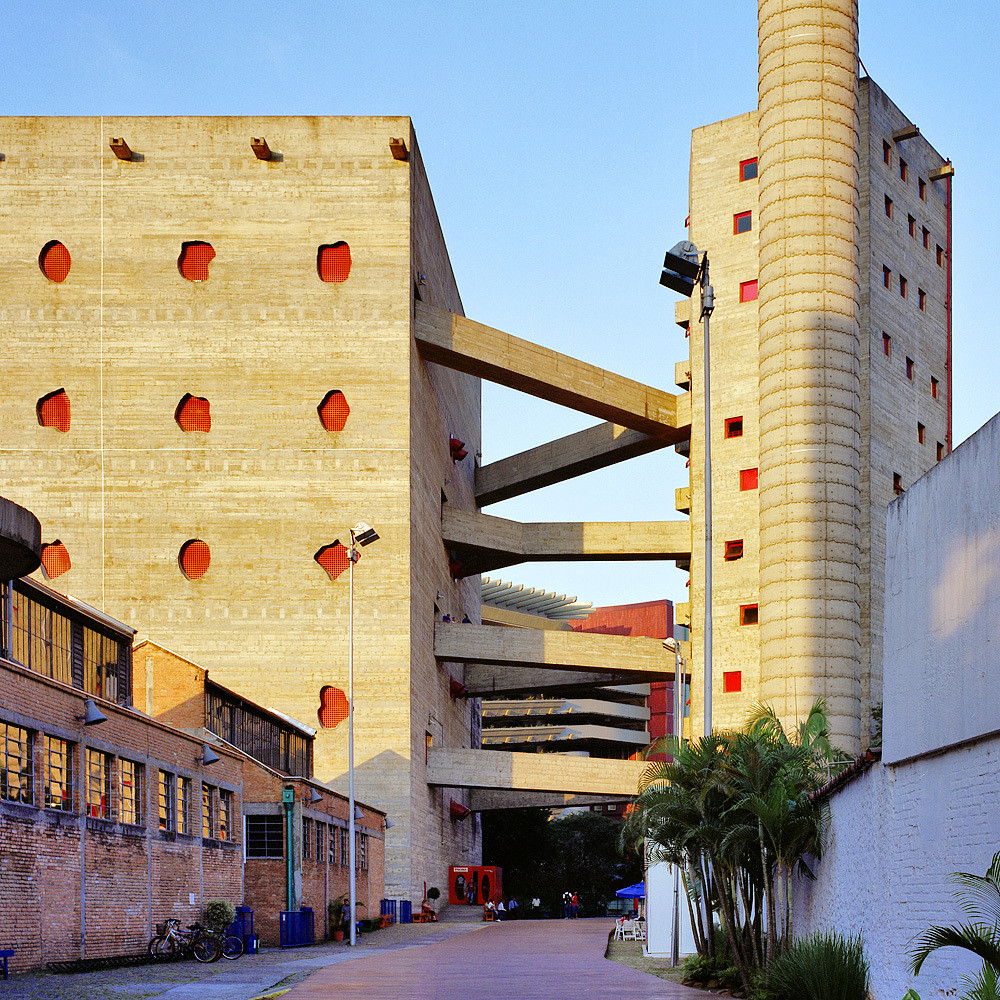
Few adaptive reuse projects have influenced modern architecture quite like SESC Pompéia in São Paulo. Rather than demolishing an abandoned industrial complex, Bo Bardi embraced its rough concrete structures and transformed them into one of Brazil’s most vibrant cultural centres. Libraries, workshops, theatres, cafés, swimming pools and sports courts coexist within a series of boldly sculpted towers connected by elevated walkways. Children, artists, pensioners, musicians and athletes all occupy the same spaces without barriers or social divisions. Instead of designing a monument, Bo Bardi created a living neighbourhood under one roof, proving that architecture succeeds when people instinctively make it their own.
Teatro Oficina Where The Audience Became Part Of The Performance
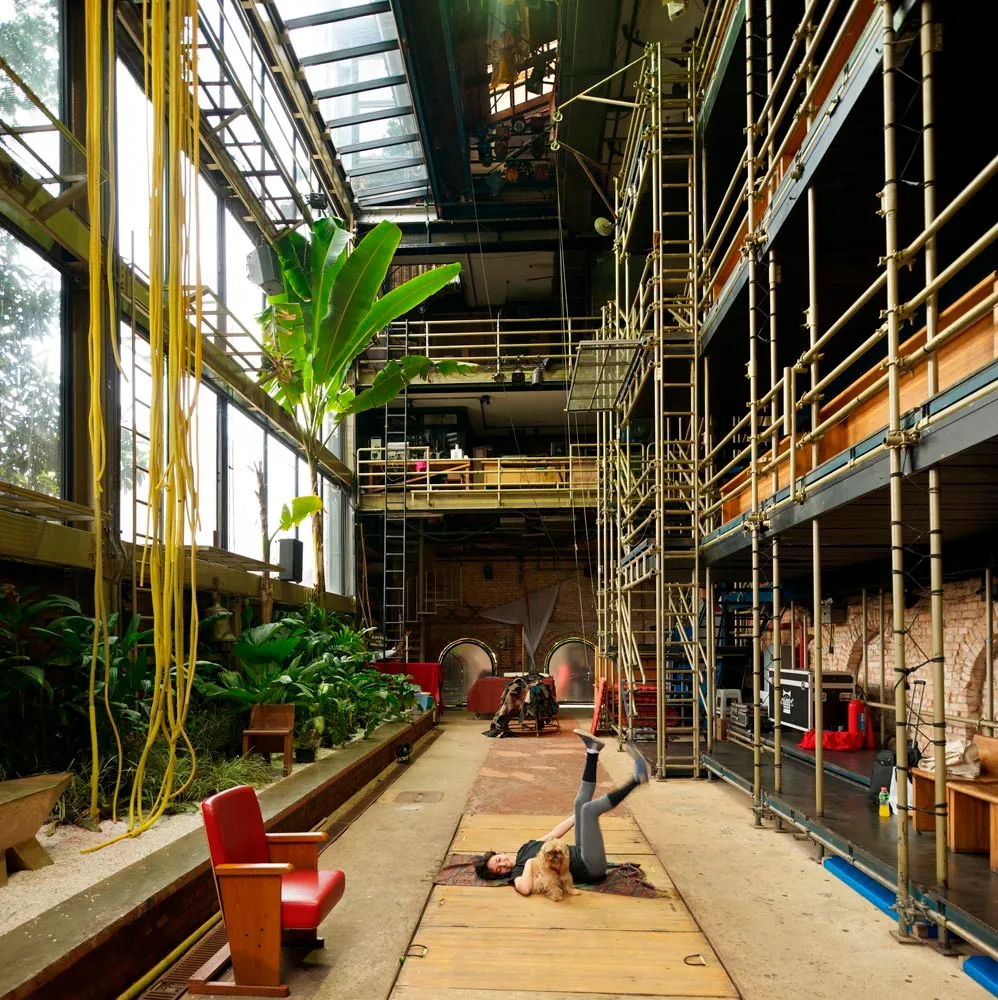
Conventional theatres separate actors from audiences with rigid boundaries. Teatro Oficina does precisely the opposite. Bo Bardi stripped away traditional stage arrangements, replacing them with a long central performance space where actors and spectators occupy the same environment. Performances unfold around, beside and sometimes through the audience, dissolving the distinction between observer and participant. The architecture itself becomes an active performer, encouraging movement, interaction and spontaneity rather than passive observation.
Also Read: Masters of Steel: Architects Behind the World’s Most Iconic Structures
Architecture Built Around People Rather Than Prestige
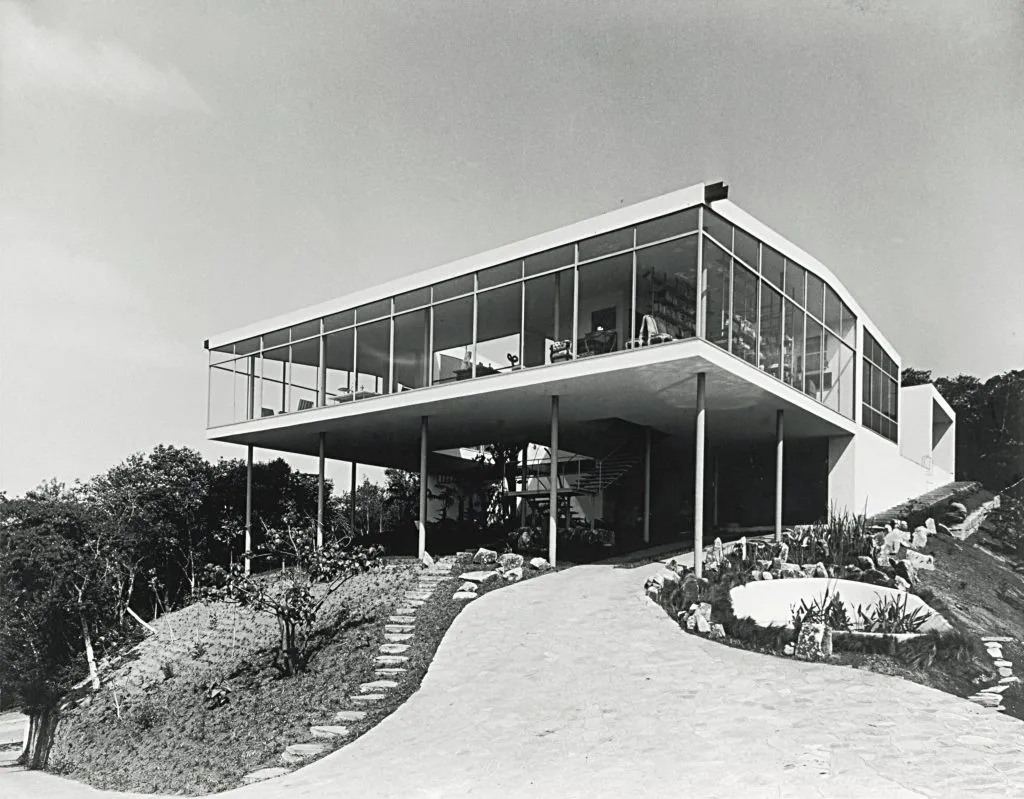
Throughout her career, Bo Bardi consistently rejected polished perfection in favour of honesty. She celebrated exposed concrete, reclaimed materials, handcrafted furniture and vernacular construction methods. She believed architecture should reflect the lives of ordinary people rather than the ambitions of wealthy patrons or famous designers. Markets, festivals, conversations and everyday routines mattered just as much as carefully drawn floor plans. Her buildings feel welcoming because they were designed to be lived in rather than merely admired.
The Architect Who Refused To Become A Celebrity
Perhaps Bo Bardi’s greatest achievement wasn’t any single building, but the philosophy that united them all. She refused to treat architecture as an exercise in personal authorship. Instead, she viewed every project as a collaboration between culture, craftsmanship, history and community. Long before words like sustainability, adaptive reuse and social architecture became fashionable, she was quietly demonstrating what they looked like in practice.
Simply Lina
Lina Bo Bardi proved that architecture achieves its highest purpose not when it dominates a skyline, but when it enriches everyday life. Her museums invite conversation instead of intimidation. Her cultural centres encourage participation instead of admiration. Her theatres erase the distance between performer and audience. Decades later, her work remains astonishingly contemporary because it asks the one question many buildings still forget to answer. Not “How impressive does this look?” but “How will people actually live here?” And in answering that question with unwavering generosity, Lina Bo Bardi became one of architecture’s greatest names without ever making architecture about herself.