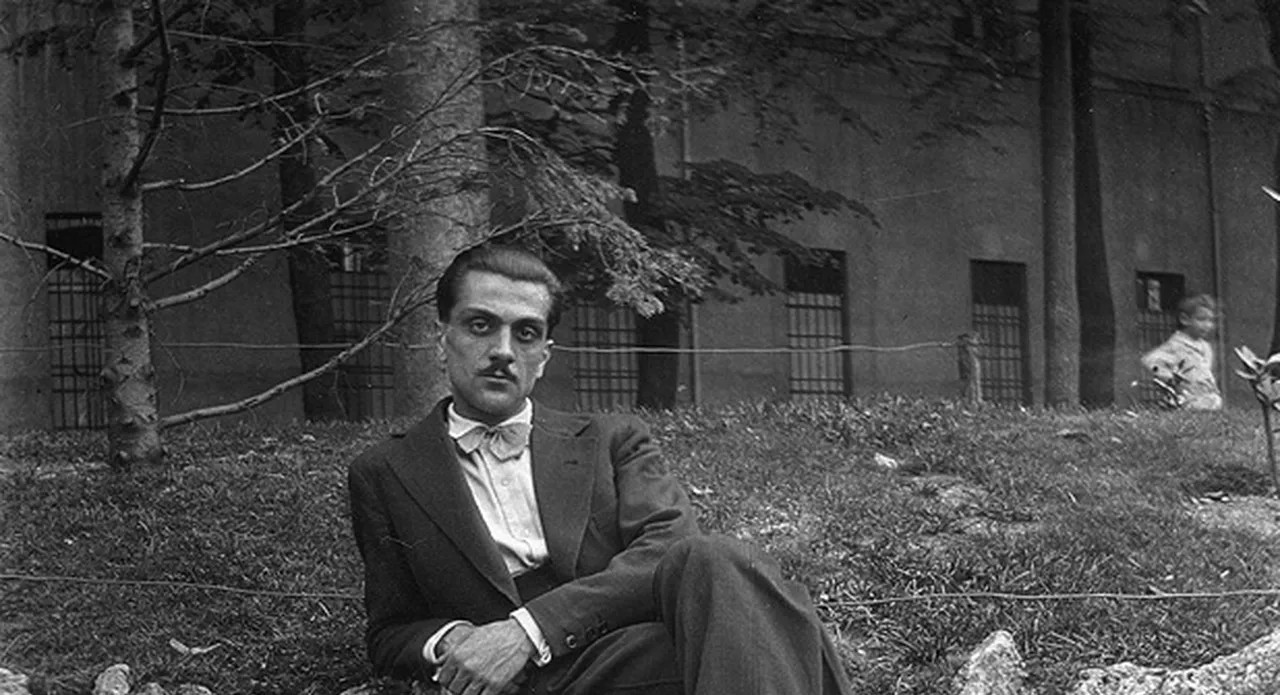


There are architects who design buildings, and then there was Carlo Mollino, a man who seemed to wake up every morning asking himself, “How can I make reality just a little less ordinary?” He designed houses that felt like film sets, theatres that swallowed you whole, furniture that looked more like sculpture than something you’d dare place a cup of coffee on, and interiors so layered with symbolism they bordered on theatrical illusion. He raced cars, piloted aircraft, photographed fashion, wrote books, skied competitively and somehow found time to become one of Italy’s most enigmatic architects. Calling him merely an architect feels rather like calling Leonardo da Vinci a decent sketch artist. Mollino wasn’t interested in buildings that simply functioned. He wanted them to seduce, provoke and linger in your imagination long after you’d walked away. His architecture wasn’t built to shelter life. It was built to elevate it into performance.
Architecture As Theatre Rather Than Shelter
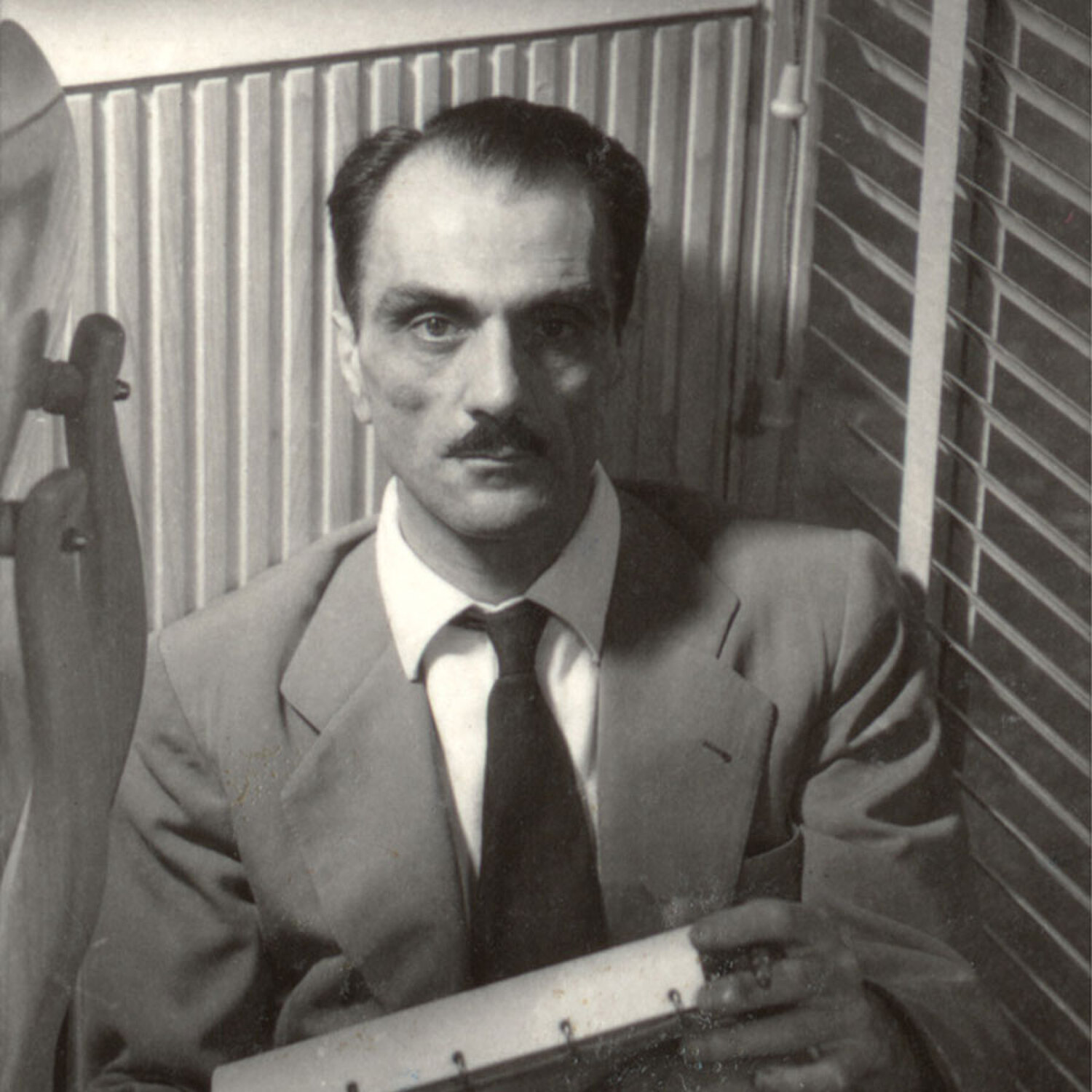
For Mollino, architecture was never about walls, roofs or floor plans. Those were merely the stage upon which life unfolded. Every project became an opportunity to choreograph movement, manipulate light and create emotional drama. Rather than embracing the cold rationalism that dominated much of post-war Modernism, Mollino celebrated ornament, symbolism and sensuality. Spaces unfolded like carefully directed performances, where every staircase, doorway and material was positioned to heighten anticipation and emotion. His buildings asked visitors not simply to occupy space, but to experience it.
Also Read: Top Architecture in Brazil: TopArchitects The Redefine Brazilian Design
Teatro Regio Turin
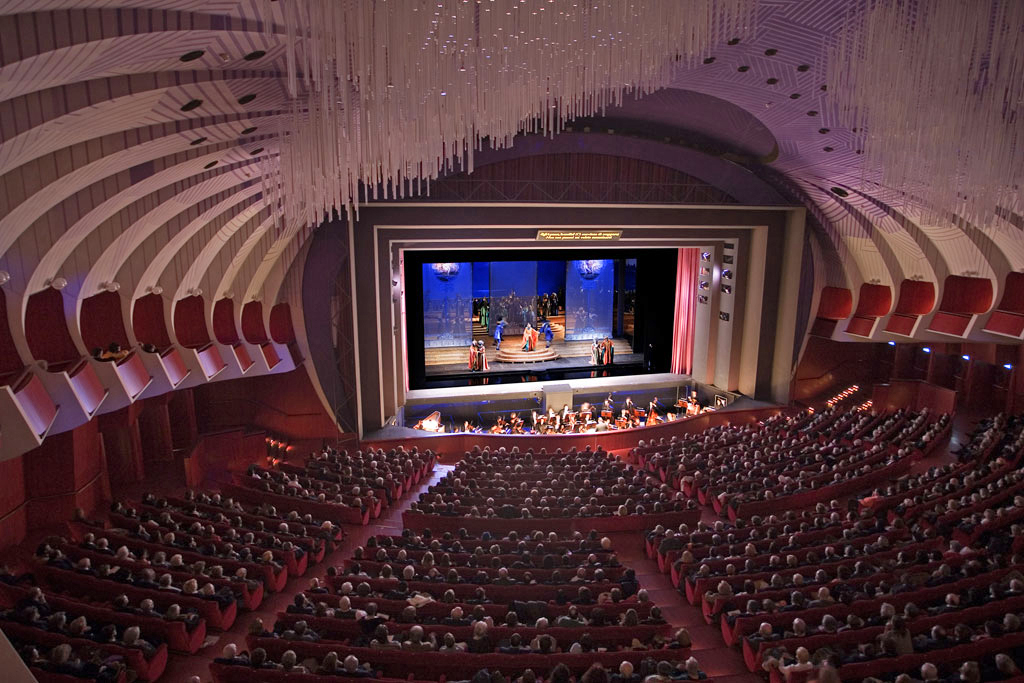
If there is one building that captures Mollino’s extraordinary imagination, it is the Teatro Regio in Turin. Rebuilt after a devastating fire destroyed the original nineteenth-century opera house, the theatre opened in 1973 as one of Europe’s most dramatic performance spaces. Visitors pass through understated public areas before suddenly entering an astonishing crimson auditorium where flowing balconies, sculptural curves and warm lighting dissolve conventional architectural order. The sweeping red interior doesn’t merely frame performances on stage; it transforms the audience into participants within a theatrical spectacle of its own. Even before the curtain rises, the building has already begun telling its story.
Casa Mollino
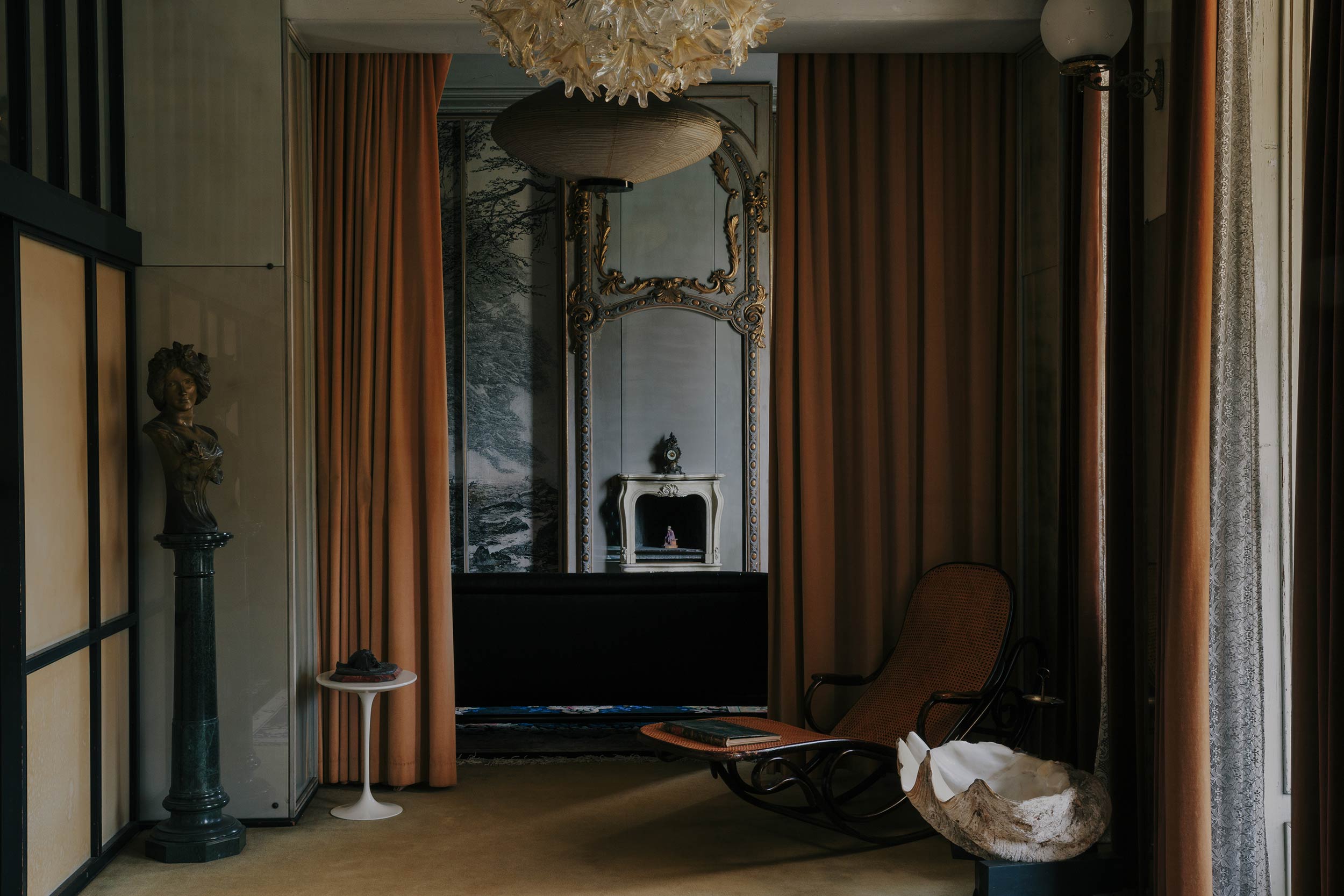
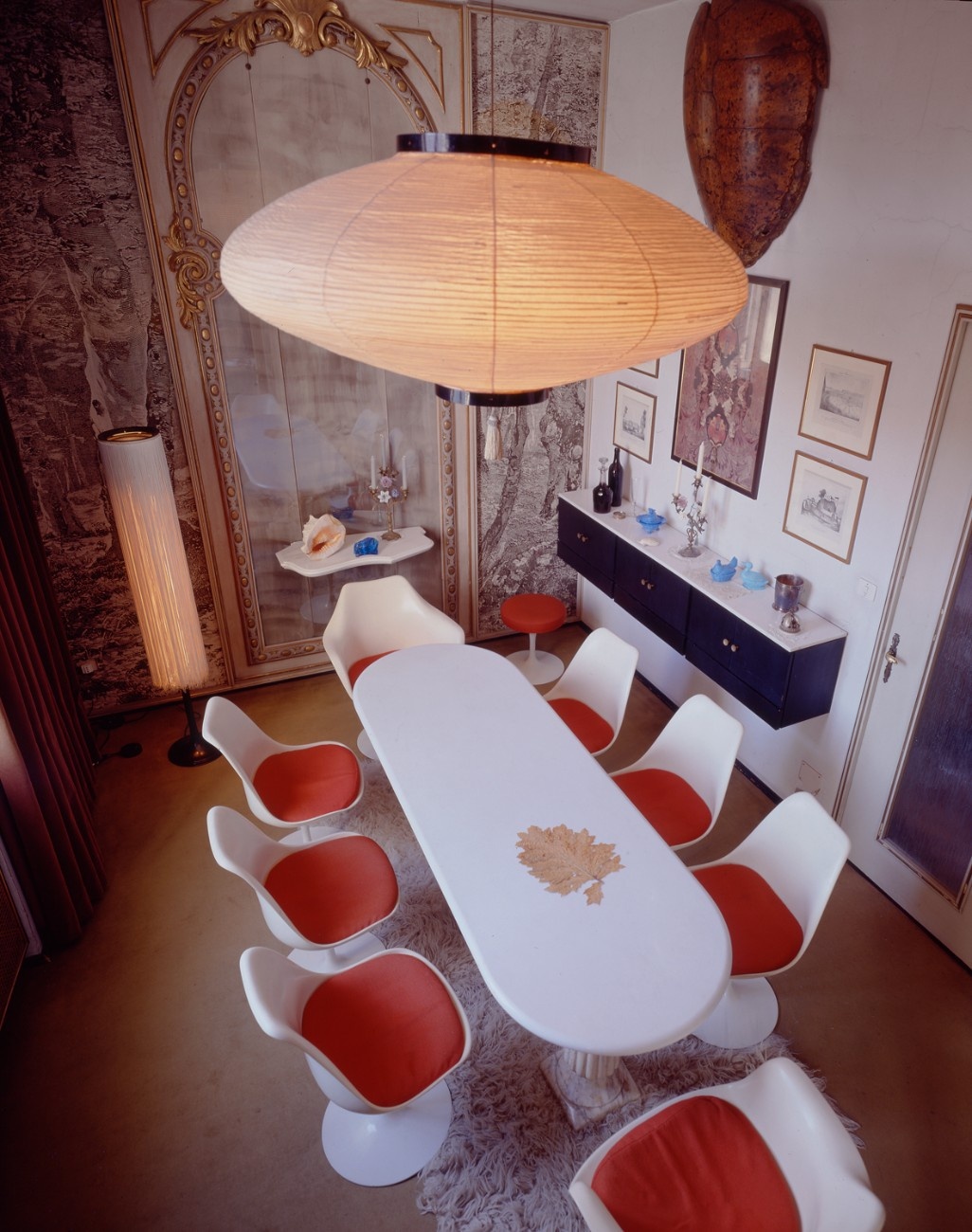
Perhaps the most fascinating project of Mollino’s career was one that almost nobody knew existed during his lifetime. Casa Mollino, his private apartment in Turin, remained hidden until after his death in 1973. Rather than serving as an everyday residence, it functioned as an intensely personal sanctuary where architecture, ritual, memory and symbolism merged into one carefully orchestrated composition. Every object, mirror, artwork and piece of furniture was deliberately positioned with almost obsessive precision. The apartment feels less like a home and more like a surreal stage set suspended somewhere between dream and reality, offering an intimate glimpse into the extraordinary mind of its creator.
Furniture That Floated Like Sculpture
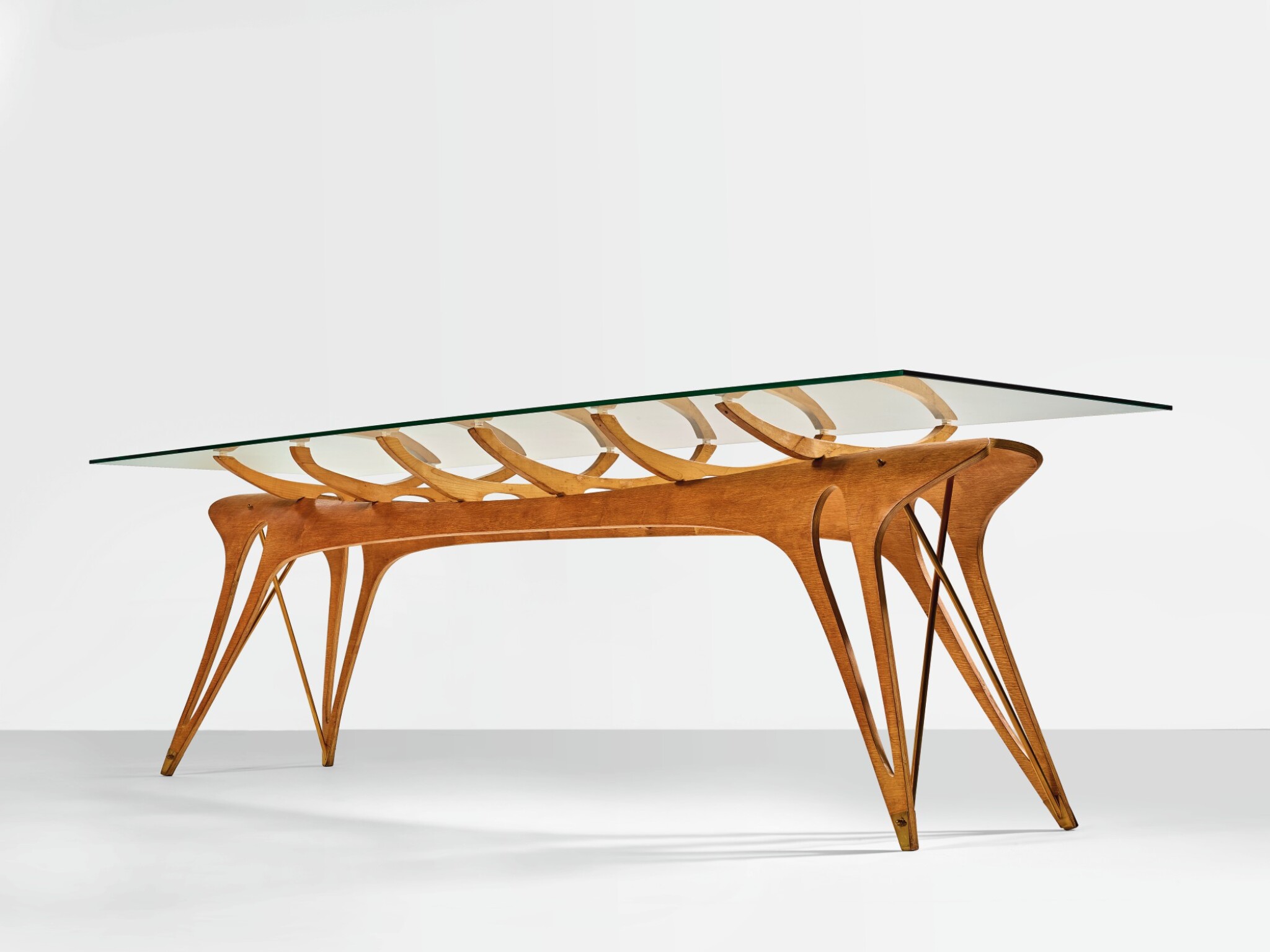
Long before collectible design became fashionable, Mollino was producing furniture that challenged every conventional idea of craftsmanship. His tables, desks and chairs balanced delicate timber structures with sweeping organic forms inspired by aviation, anatomy and engineering. Pieces such as the famous Arabesque Table remain among the most coveted works in twentieth-century design, often commanding extraordinary prices at auction. Their elegance lies not only in their appearance but in their structural ingenuity, where complex engineering disappears beneath effortless beauty.
The Man Who Refused To Stay In One Lane
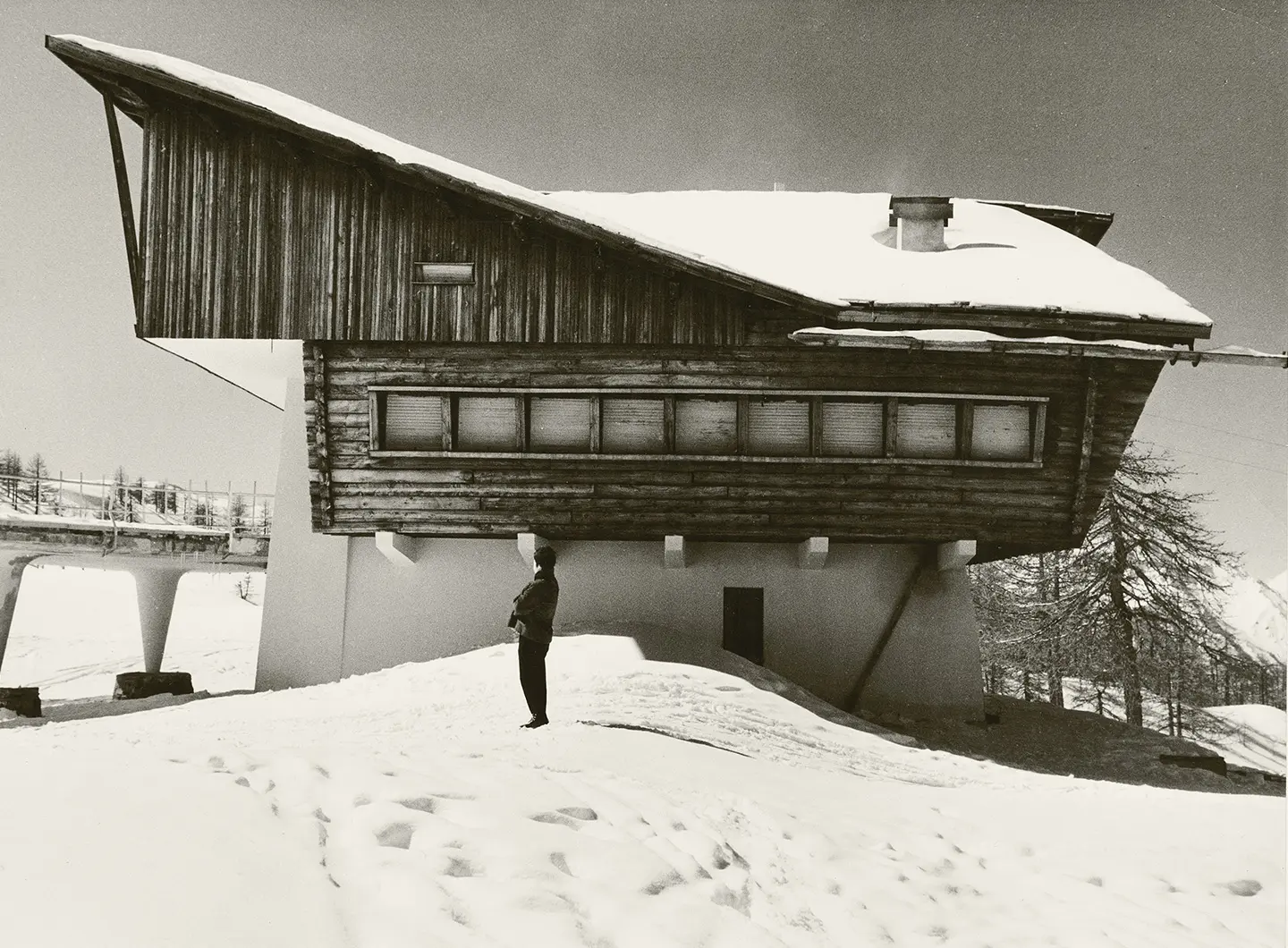
Architecture was only one chapter in Mollino’s remarkably varied life. He was an accomplished racing driver, an aerobatic pilot, an expert skier, a prolific furniture designer and an influential photographer whose work explored fashion, movement and surrealism with remarkable originality. Each discipline informed the next. His fascination with speed influenced his furniture. Aviation shaped his structural thinking. Photography sharpened his understanding of composition, light and atmosphere. Rather than separating these passions, Mollino treated them as different expressions of the same relentless creative curiosity.
Also Read: Meet Ana María Gutiérrez, The Colombian Architect Redefining Bamboo Architecture
A Legacy That Continues To Fascinate
Many architects leave behind buildings. Carlo Mollino left behind mysteries. Every rediscovered drawing, forgotten photograph or carefully preserved interior seems to reveal another layer of his extraordinary imagination. His work refuses to fit neatly into any architectural movement because it was never concerned with trends. Instead, it explored beauty as emotion, architecture as storytelling and design as psychological experience. Decades after his death, his creations continue to captivate architects, designers and collectors who recognise that true originality rarely arrives in tidy packages.
Beautiful Excess Never Goes Out Of Style
Carlo Mollino understood something that architecture occasionally forgets. Function may make a building useful, but imagination makes it unforgettable. His theatres, interiors and furniture continue to remind us that the greatest spaces don’t merely protect us from the weather. They ignite curiosity, stir emotion and transport us somewhere entirely unexpected. In an age increasingly obsessed with minimalism, Mollino remains proof that sometimes more really is more, and that beautiful excess, when guided by genius, becomes timeless.