Meet Fernanda Canales: The Visionary Shaping Contemporary Mexican Architecture
She does not design buildings to dominate the landscape, she designs them to belong to it, with a language shaped by memory, material, and modernity, Fernanda Canales is quietly rewriting the architectural identity of Mexico
Architecture, for far too long, has suffered from an ego problem. Too many glass towers shouting for attention, too many concrete boxes pretending to be intelligent, and too many architects behaving as though they are designing monuments to themselves rather than places for people to actually live. Then along comes Fernanda Canales, and suddenly the conversation changes. She is not interested in architectural arrogance. She is interested in context, in landscape, in history, and in the peculiar magic of how a building can feel like it has always belonged exactly where it stands. And that, frankly, is far more difficult than making something shiny and expensive.
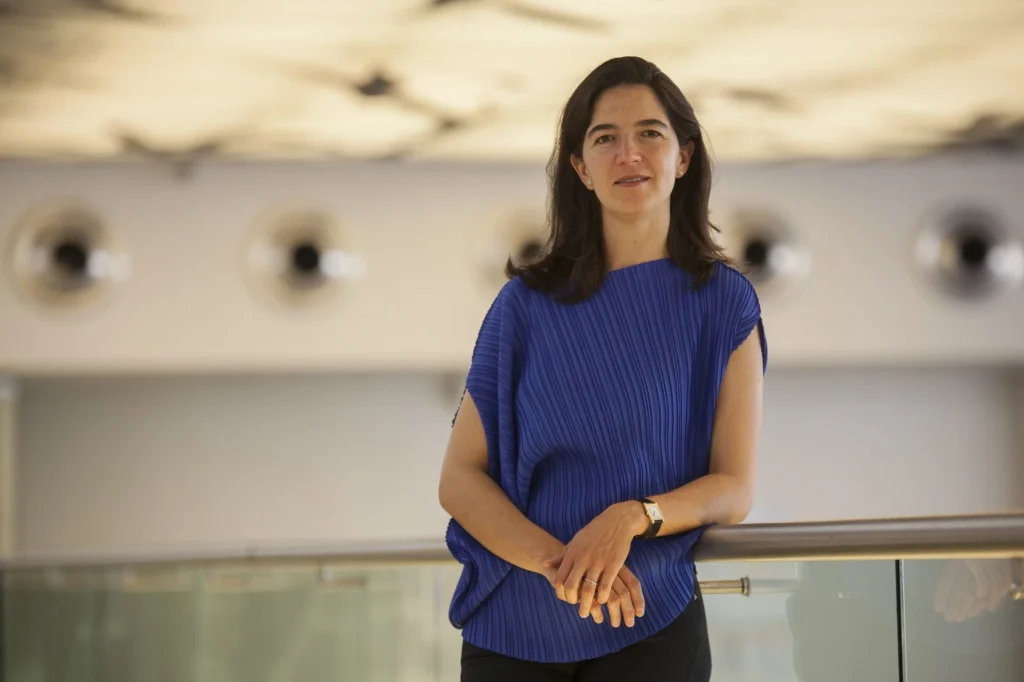
Born in Mexico City, Fernanda Canales has emerged as one of the most compelling voices in contemporary Latin American architecture. Her work sits in that rare sweet spot where intellectual rigor meets emotional clarity. It is thoughtful without being cold, modern without being detached, and luxurious without the vulgar need to scream about it. She trained as both an architect and a scholar, which explains a great deal. There is depth to her work because she understands that architecture is not simply construction, it is culture made physical. Buildings are not objects; they are arguments. They say something about how we live, how we gather, what we value, and what we choose to remember.
Also Read: Who Was Jacques Couëlle? The Visionary Behind Organic Architecture
Her projects range from private residences to public institutions, but what binds them together is a sense of calm precision. Consider Casa Bruma, one of her most discussed residential works. Set within a forested landscape outside Mexico City, it is not one house but a composition of separate volumes that move with the land rather than against it. Stone, concrete, glass, shadow, silence, everything feels intentional. It does not impose itself on nature; it negotiates with it. That is perhaps her greatest strength. She understands restraint. In an era where everyone wants architecture to be “iconic,” she seems far more interested in making it meaningful. There is an elegance in that refusal. Her buildings do not demand applause. They earn it slowly.
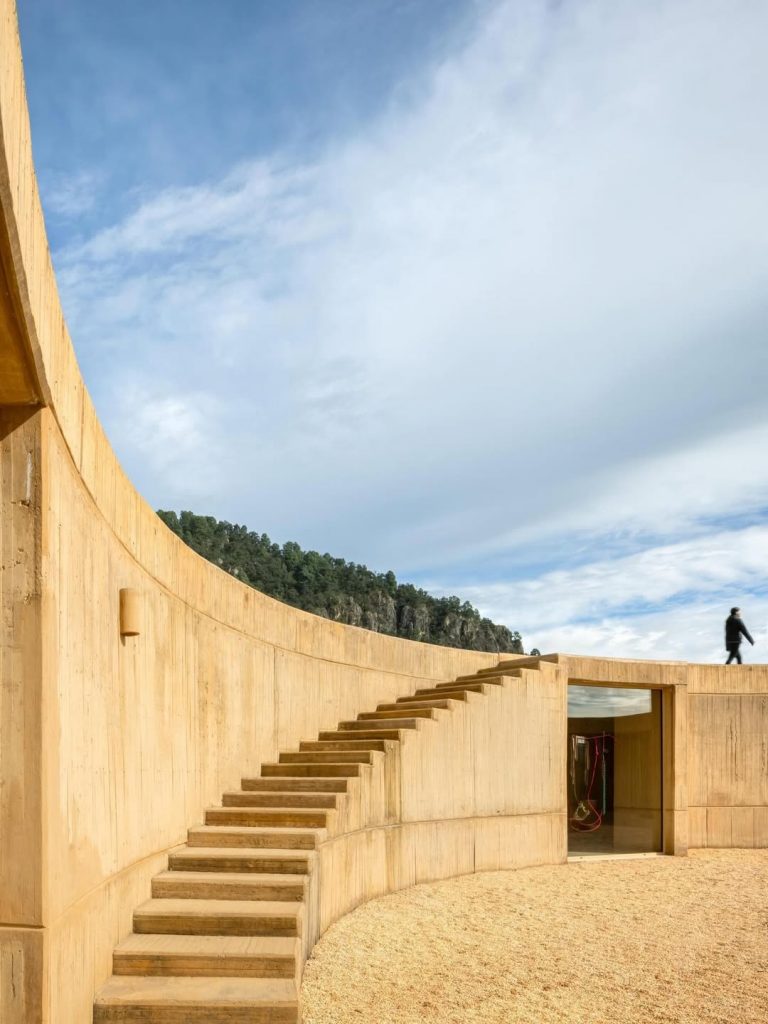
But to reduce her to beautiful houses would be missing the point entirely. Canales has also been deeply involved in housing research, urban questions, and the politics of public space. She has written extensively on architecture in Mexico and has consistently pushed the conversation beyond aesthetics. Because good architecture is not just about beauty, it is about access, dignity, and the relationship between people and place. This is where she becomes genuinely important. Many designers can create luxury. Very few can create relevance.
Also Read: Is the Orient Express Corinthian The World’s Largest Yacht? Size, Features And Launch Details
Her work often reflects the layered identity of Mexico itself, where colonial history, indigenous knowledge, modernist ambition, and contemporary urban chaos all exist at once. Rather than simplifying that complexity, she embraces it. Materials are local. Light is treated almost like a building material in itself. Courtyards, thresholds, and transitions are given the respect they deserve. Space is never accidental. There is also an honesty to her architecture that feels increasingly rare. Nothing is pretending to be something else. Stone looks like stone. Concrete behaves like concrete. The beauty comes from proportion, texture, and light rather than decoration. It is architecture with confidence, and confidence rarely needs embellishment.
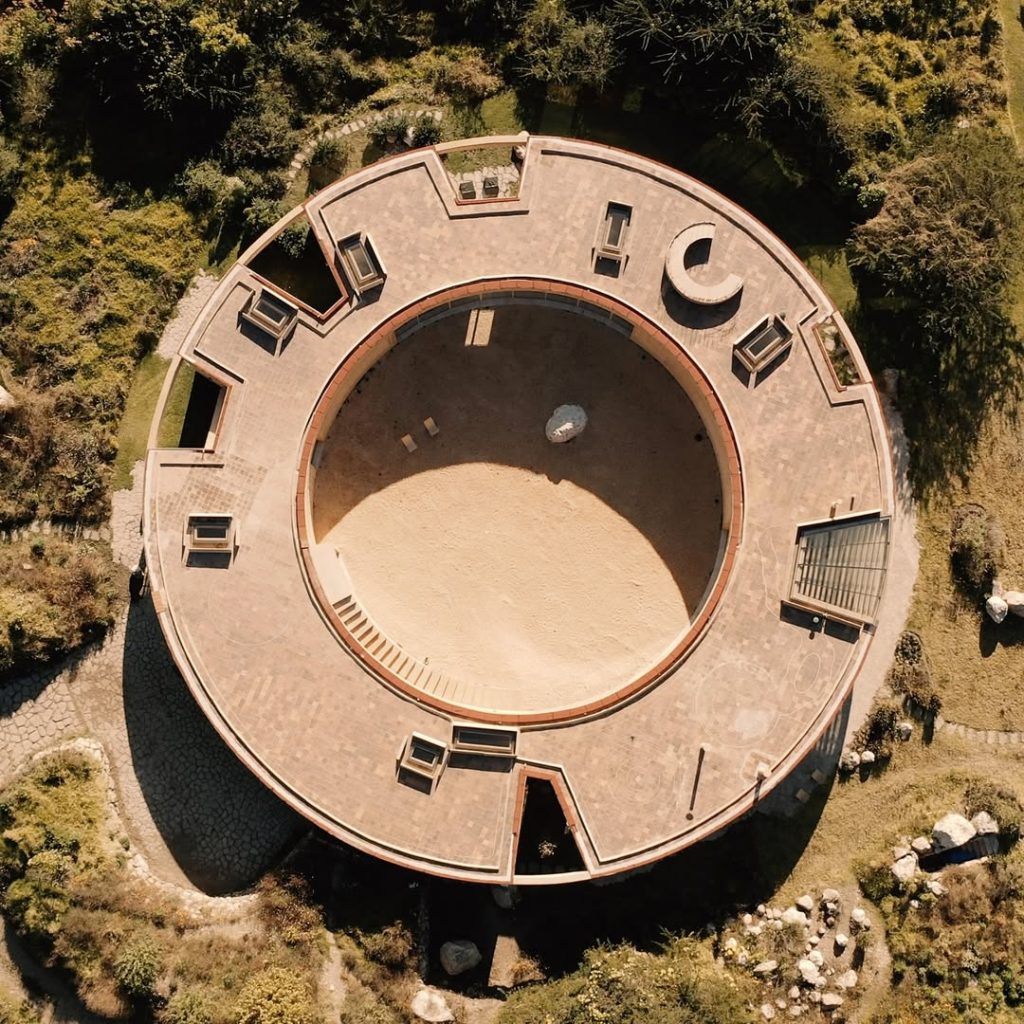
Internationally, her influence continues to grow. She has lectured globally, exhibited at major design forums, and become part of the wider conversation about what the future of architecture should look like, particularly in the Global South. Not as imitation of European minimalism or American scale, but as something rooted in local intelligence and cultural specificity. And that matters. Because the next big voice in architecture should not be the loudest. It should be the clearest.
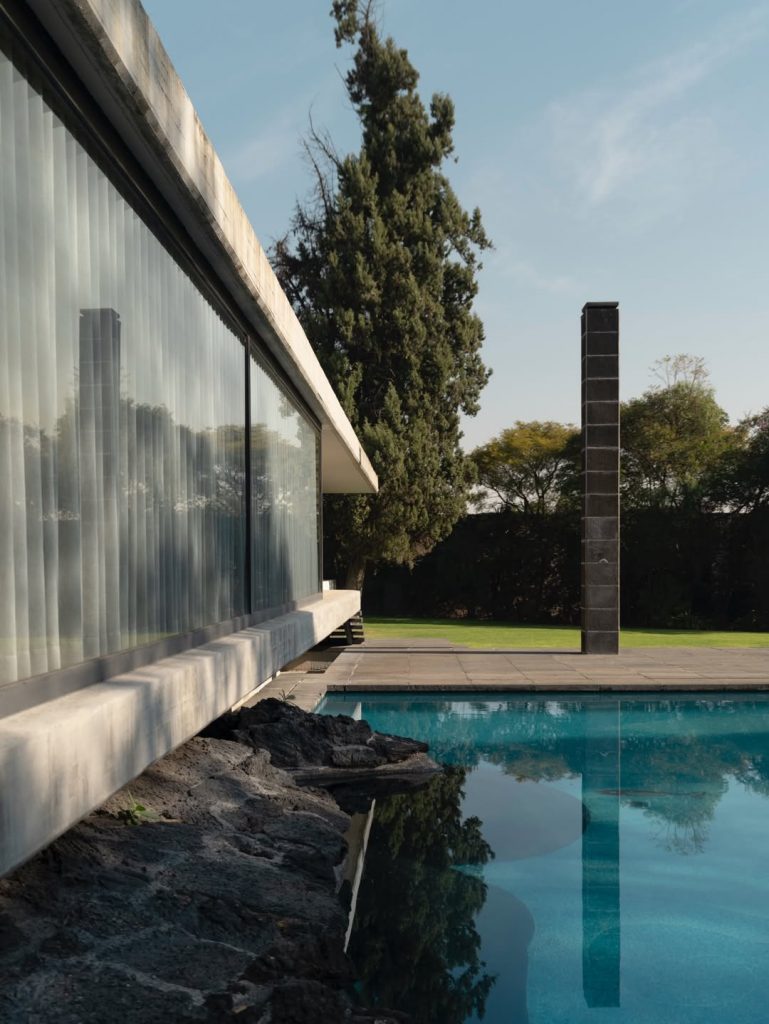
Fernanda Canales represents that clarity. She proves that architecture can be ambitious without being arrogant, contemporary without abandoning history, and beautiful without becoming superficial. In a discipline often obsessed with spectacle, she has chosen substance. Which, in the long run, is infinitely more radical. She is not building monuments. She is building memory, permanence, and possibility. And in doing so, she may well be shaping not just contemporary Mexican architecture, but the future of how we think about living itself.