

Most architects spend their lives worshipping the straight line. They trust symmetry, adore the grid, and seem convinced that beauty must arrive wearing sharp corners and polished concrete. Walls must behave, roofs must sit properly, and every building should look as though it has been approved by a boardroom full of men in grey suits discussing parking spaces. Then came Jacques Couëlle, who looked at all of that and decided it was complete rubbish.
Born in 1902, Couëlle did not treat architecture as engineering with decorative ambitions. He approached it like a sculptor attacking stone. Where modernism celebrated repetition and efficiency, he wanted movement, instinct, and forms that felt alive. He rejected standardisation with the confidence of a man who knew that nature had never once produced a perfect square and seemed to be doing just fine.
His buildings did not sit on the land like obedient objects. They emerged from it. Walls curved like dunes. Roofs folded like cliffs. Surfaces carried texture, shadow, and irregularity. A Couëlle house looked less like something constructed and more like something unearthed, as though the hillside itself had quietly decided to become habitable.
Also Read: How Tradition Became Design: Demas Nwoko’s Architectural Legacy
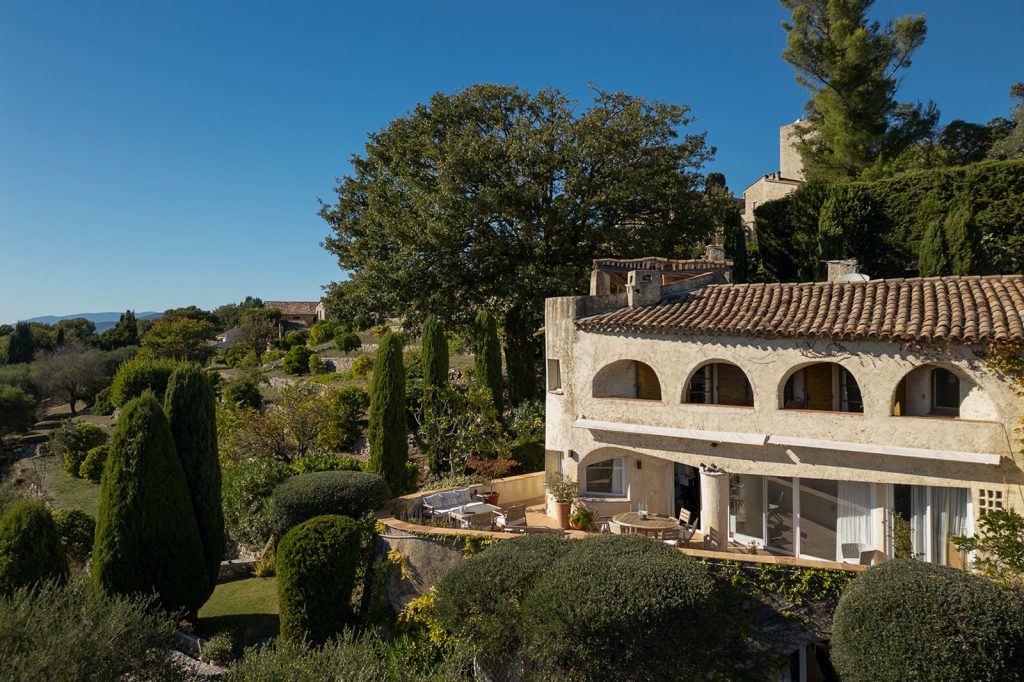
That philosophy reaches its finest expression in the Maison-Sculpture de Castellaras-le-Neuf in France, a project that sounds dramatic because it absolutely deserves to. This is not merely a house. It is architecture behaving like geology. Perched on the hillside, it rises as a continuous sculptural mass, blending into the terrain through flowing surfaces and irregular volumes that refuse conventional geometry.
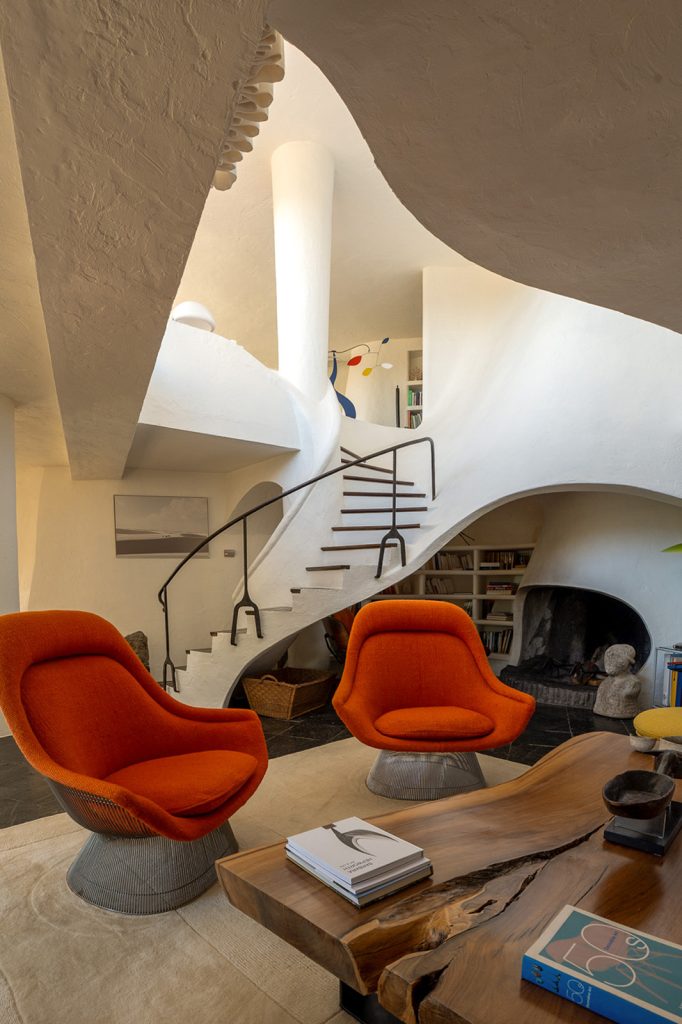
There are no obedient right angles here, no predictable boxes politely arranged for magazine photography. Instead, the structure feels organic, almost ancient. The walls curve as though shaped by wind rather than tools. Openings appear where light demands them, not where geometry insists. It is luxurious without shouting about it, which is infinitely more impressive than marble floors and an unnecessarily large chandelier.
Also Read: How Dong Gong and Vector Architects Redefine Site-Specific Architecture In Modern China
he real brilliance is that it belongs to the landscape rather than dominating it. Most luxury homes scream for attention like a man revving a sports car outside a quiet restaurant. Couëlle’s architecture does the opposite. It whispers. It blends. It understands that elegance is often found in restraint and that true sophistication does not need to announce itself from three postcodes away.
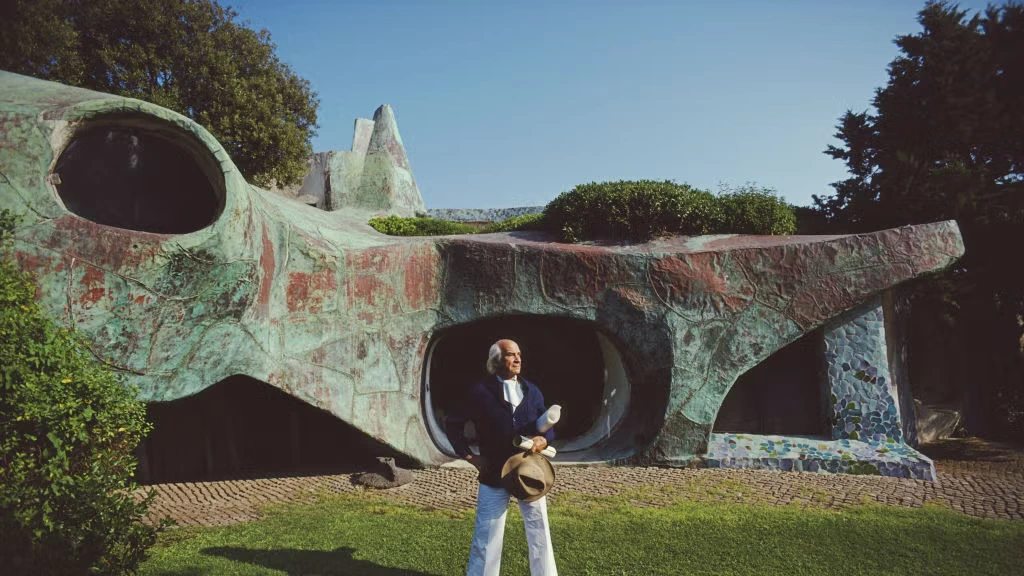
This same sculptural language continued in his work along Italy’s Costa Smeralda, where the Mediterranean landscape gave him the perfect stage. Here, his buildings dissolve into rock, vegetation, and light. Instead of interrupting the coastline, they participate in it. Walls follow the rhythm of the terrain. Rooflines echo the horizon. Stone and shadow become part of the architecture rather than decorative afterthoughts. It feels less like architecture and more like choreography.
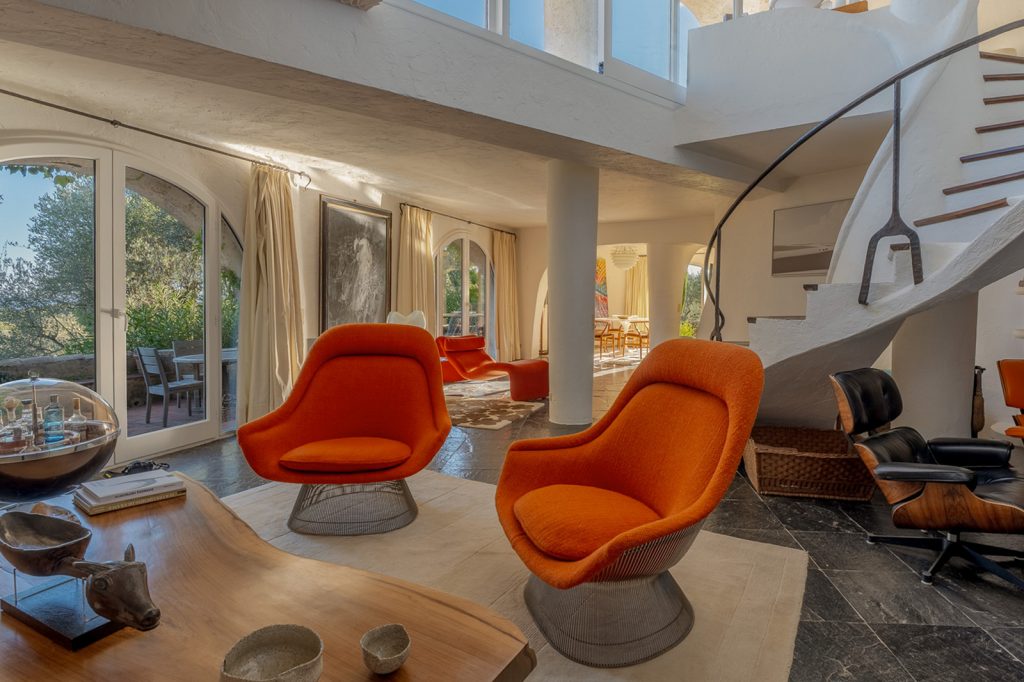
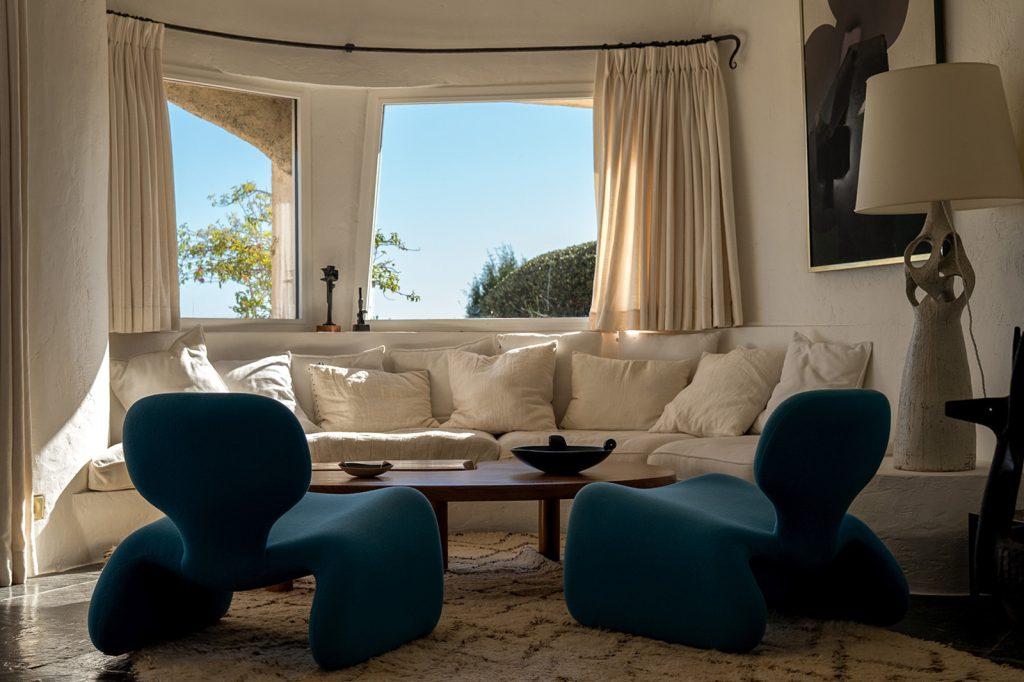
This is where Couëlle becomes genuinely extraordinary, because he was not designing buildings so much as experiences of inhabiting space. Walking through one of his homes does not feel like moving through rooms arranged by mathematics. It feels like wandering through a landscape that happens to have furniture. Light arrives unexpectedly. Shadows stretch with theatrical precision. Corners soften into curves that make the entire space feel strangely human.
That comes, unsurprisingly, from his background in sculpture. Couëlle did not see walls as barriers but as surfaces to be shaped. He understood texture the way a painter understands colour. His buildings invite touch. They feel alive because they reject the sterile perfection that so often passes for luxury. Beauty, in his world, lived in irregularity, in roughness, in surfaces that caught sunlight unevenly and told stories through material.
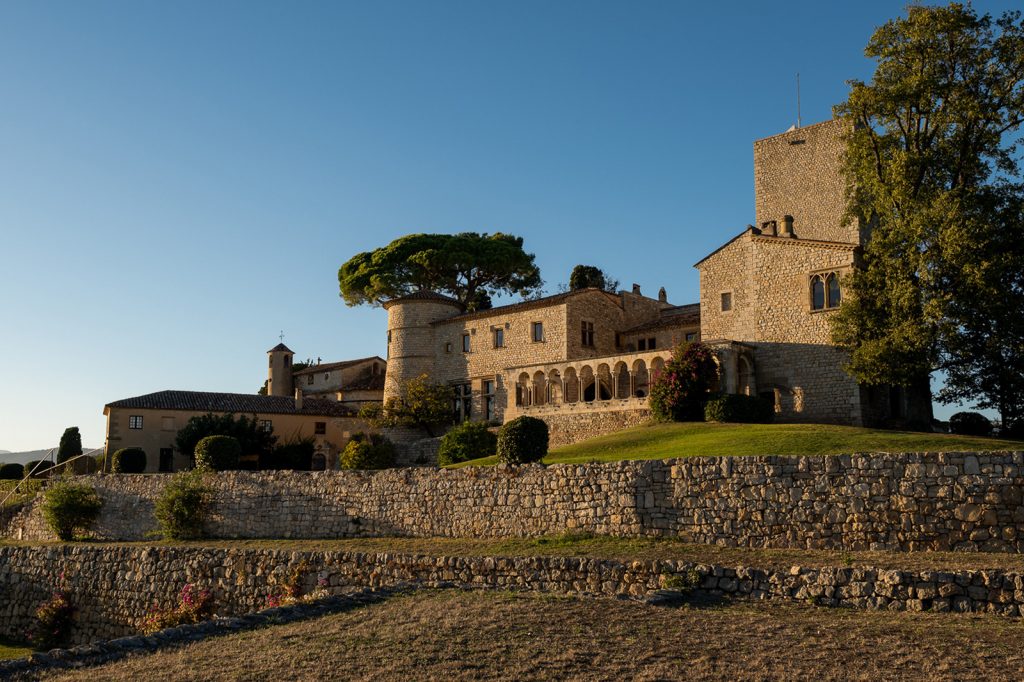
In an age where architecture often feels trapped by global sameness, glass towers, polished minimalism, and interiors that look suspiciously like expensive airport lounges, Couëlle remains gloriously rebellious. He reminds us that design does not have to be detached from place. Tradition is not the enemy of modernity. Nature is not something to be framed through a window but something to build with.
Jacques Couëlle created an architecture liberated from convention, where building became sculpture and inhabiting space meant living in dialogue with the earth itself. In his hands, a house was never just a house. It was a living extension of the landscape, shaped by craft, instinct, and a complete refusal to believe that beauty should ever arrive in straight lines.