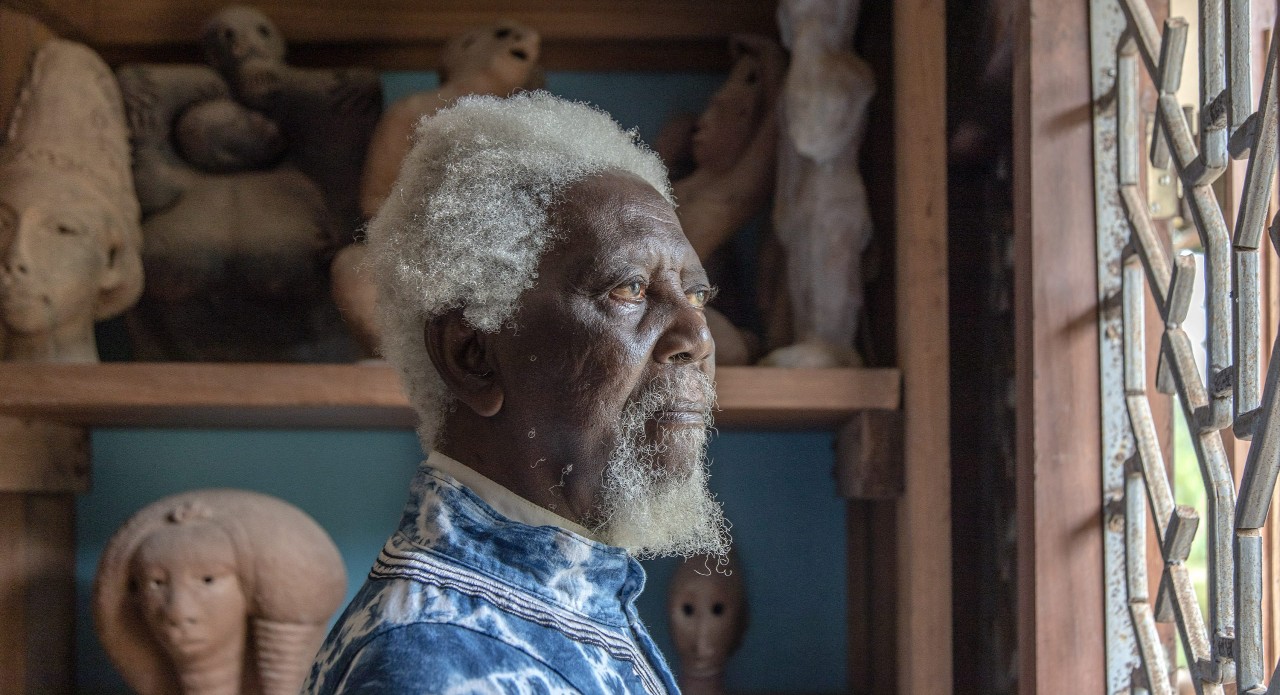


There are architects who spend their careers borrowing from elsewhere, assembling ideas like flat pack furniture and hoping no one notices, and then there are those who decide, quite deliberately, to build something that actually belongs. Demas Nwoko falls firmly into the latter category, a figure who did not merely design buildings but quietly redefined what architecture could mean when it is rooted in its own soil rather than imported from someone else’s imagination.
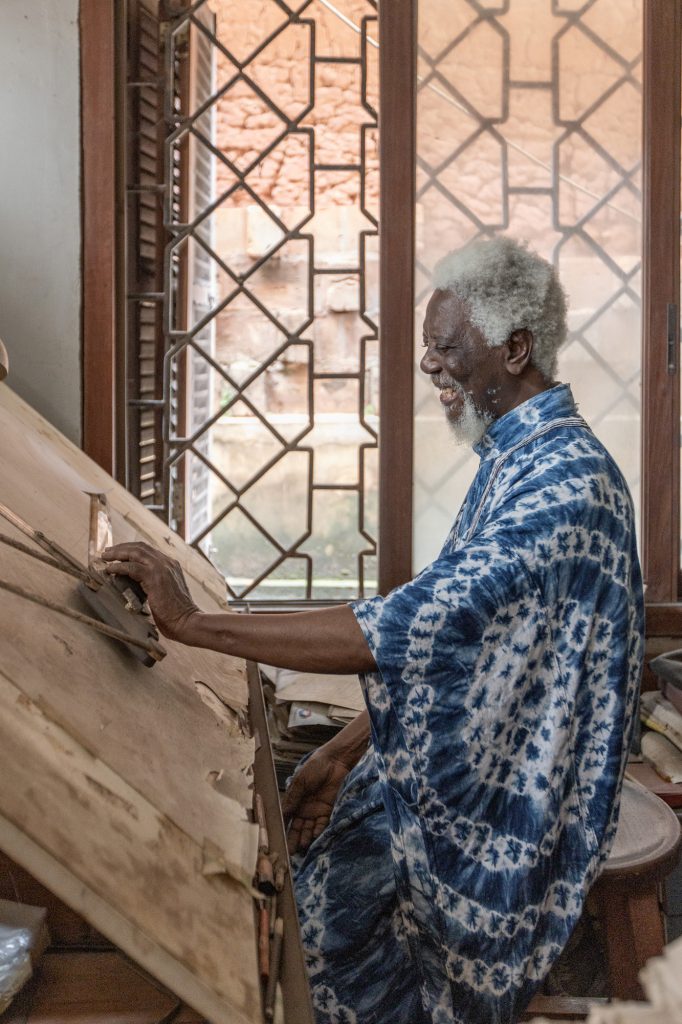
An architect who refused imitation and instead built a language shaped by culture, climate, and craft, his work moves seamlessly from theatre to architecture with rhythm, shadow, and a deep understanding of place. This is not a poetic exaggeration, it is a rather precise description of how he approached design. Because before architecture, there was art. And before art, there was theatre. Nwoko’s early engagement with stage design gave him something most architects never quite acquire, an instinct for movement, for sequencing, for the way space reveals itself not all at once, but gradually, almost theatrically. And that changes everything.
Also Read: How Dong Gong and Vector Architects Redefine Site-Specific Architecture In Modern China
Because when a building is treated like a performance, it stops being a static object and starts becoming an experience. Spaces unfold. Light is controlled, not just allowed. Shadows are not accidents, they are tools. Materials are not decorative, they are expressive. It is architecture that feels alive, not in a dramatic, attention seeking way, but in a manner that is deeply considered and quietly confident. What makes this even more remarkable is the context in which it emerged. At a time when much of the architectural world was looking outward, chasing international styles and replicating them with varying degrees of success, Nwoko was doing something altogether more intelligent. He was looking inward. Not as an act of defiance, but as an act of logic.
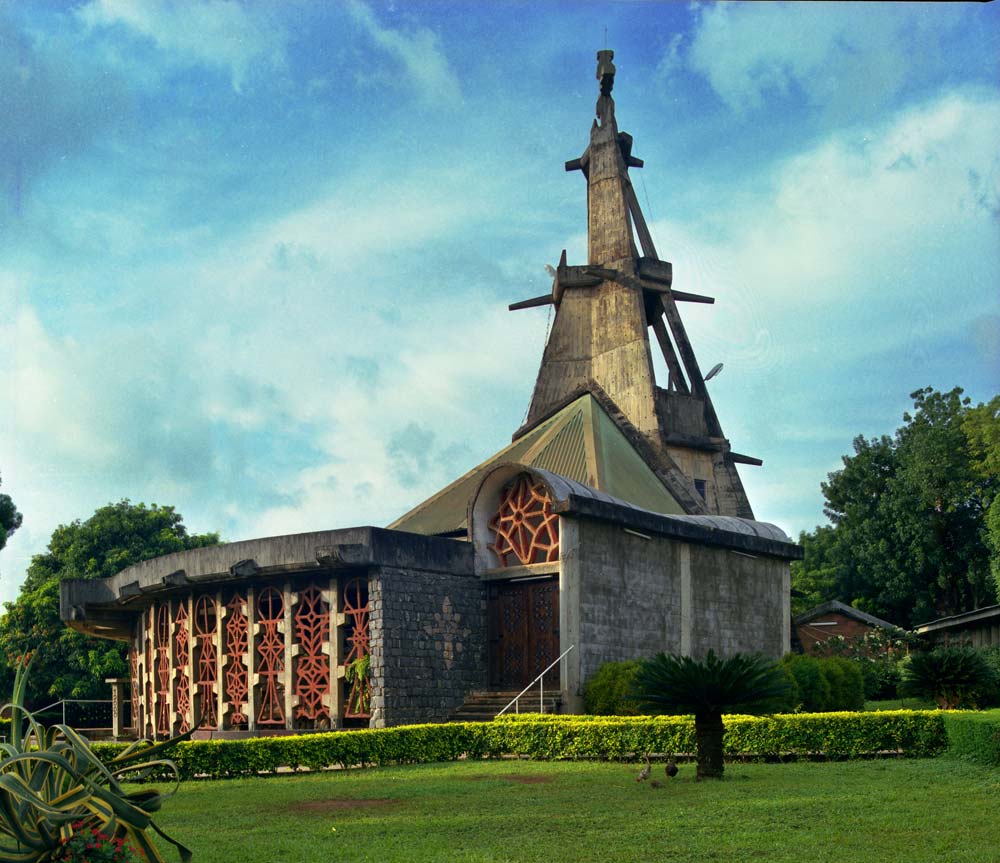
Because the climate does not care about trends. In regions where heat, humidity, and environmental conditions demand thoughtful responses, the idea of importing glass heavy, climate insensitive designs begins to look rather absurd. Nwoko understood this instinctively. His use of materials like laterite and clay was not a nostalgic nod to the past, but a practical, effective solution rooted in local knowledge. These materials breathe. They regulate temperature. They work with the environment rather than against it.
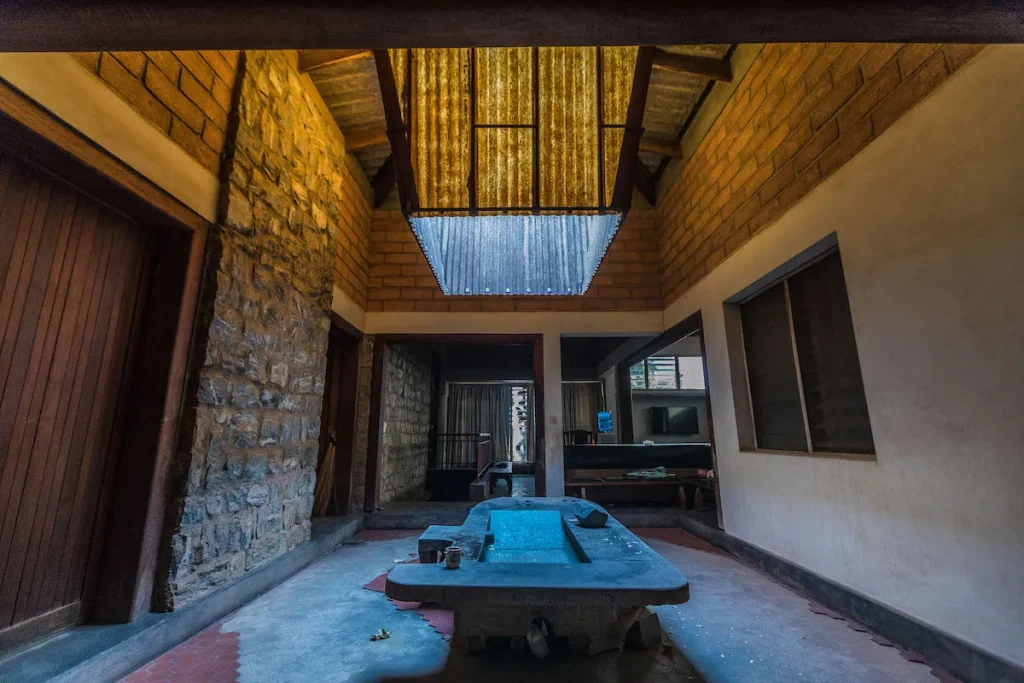
And then there are the passive cooling strategies. Deep overhangs, shaded courtyards, thick walls, all working together to create interiors that remain comfortable without relying on mechanical systems that consume energy and often fail to respond to the nuances of climate. It is, in many ways, a masterclass in common sense, something that modern architecture occasionally seems to forget. But to describe his work as merely functional would be missing the point rather spectacularly.
Also Read: Meet Anupama Kundoo: The Architect Challenging Cultural Standardisation In Modern Architecture
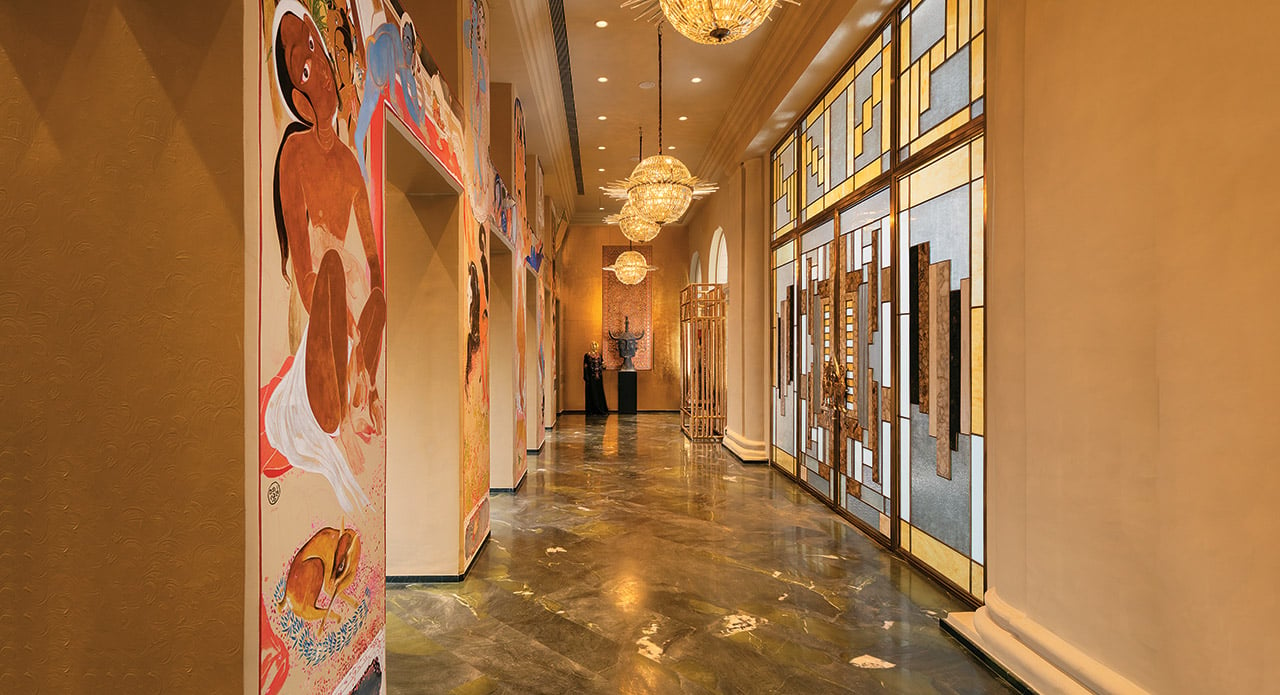
Because there is also a strong sense of craft, of texture, of material honesty that runs through everything he created. Surfaces are not polished into submission. They are allowed to express themselves. Forms are not dictated by external expectations but by internal logic. The result is architecture that feels both experimental and grounded, innovative yet entirely at ease with its surroundings. And this is where Nwoko’s contribution becomes truly significant.
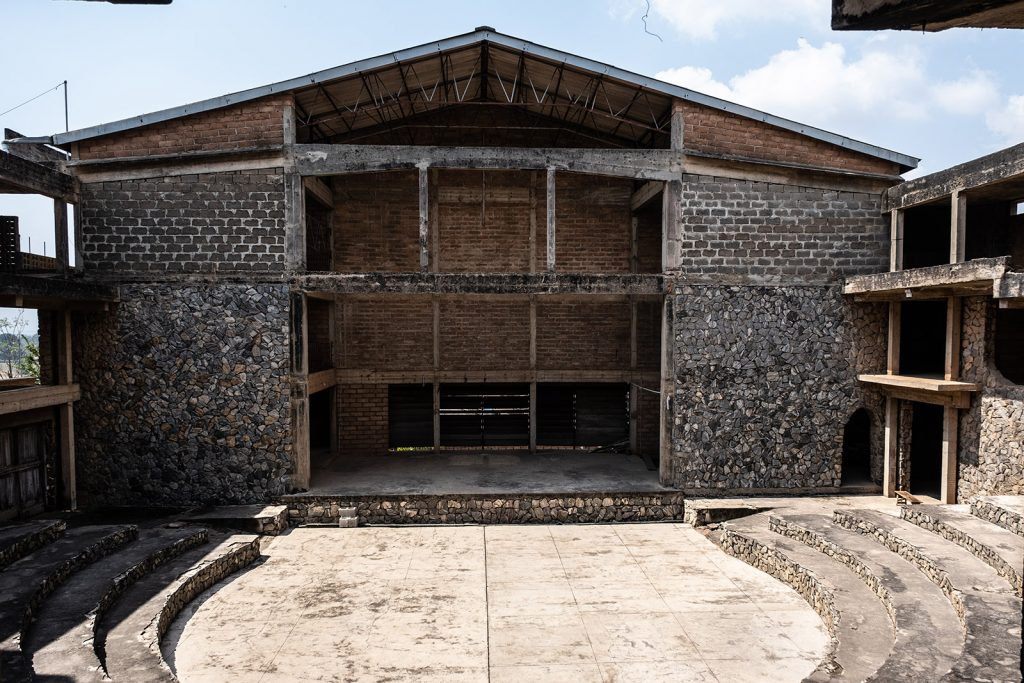
He did not treat tradition as something to be preserved behind glass, admired from a distance, and referenced occasionally for decorative effect. He treated it as a living, evolving system, one that could be adapted, reinterpreted, and applied to contemporary design without losing its essence. Tradition, in his hands, was not a limitation. It was a resource. A remarkably powerful one. By doing this, he effectively bridged a gap that many architects struggle to even acknowledge. The divide between past and present, between heritage and innovation, between identity and modernity. His work demonstrates, quite convincingly, that these are not opposing forces. They are, in fact, deeply interconnected.
And yet, his approach never feels heavy handed. There is no overt declaration of intent, no attempt to make a grand statement about cultural identity. Instead, there is a quiet confidence, an understanding that if a building responds correctly to its context, if it uses the right materials, if it respects the climate and the people who inhabit it, then everything else follows naturally. Which is a rather refreshing idea. In a world where architecture is increasingly driven by spectacle, where buildings are designed to be photographed rather than lived in, Nwoko’s work offers an alternative. It suggests that perhaps the purpose of architecture is not to impress, but to function, to endure, and to belong.
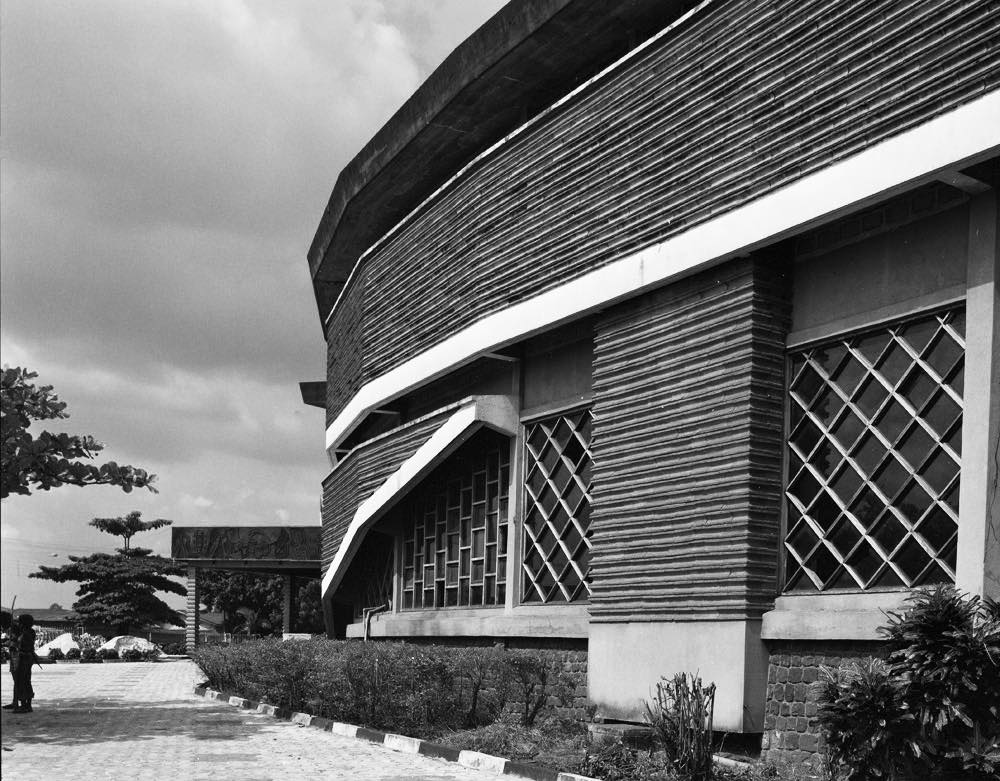
And belonging, as it turns out, is a far more complex and valuable quality than it might initially appear. Because when a building truly belongs, it does not need to shout. It does not need to compete. It simply exists, confidently, comfortably, as though it could never have been anywhere else. That is the kind of architecture Nwoko created. Not universal, not interchangeable, but specific, rooted, and deeply connected to its environment. In doing so, he left behind more than just a collection of buildings. He left behind a way of thinking, a framework that challenges the very notion of standardisation in design. At a time when cities across the globe are beginning to look increasingly alike, his work serves as a reminder that difference is not something to be ironed out. It is something to be celebrated.