Who Was Javier Senosiain? The Visionary Behind Organic Architecture
Fluid forms and living spaces define Javier Senosiain whose organic architecture dissolves the boundary between nature structure and human experience
In the vast and often rigid lexicon of modern architecture, where straight lines and sharp geometries have long prevailed, the work of Javier Senosiain emerges as a lyrical counterpoint, softening the built environment into something more intuitive, more humane, and profoundly more alive. Deeply influenced by the philosophies of Frank Lloyd Wright and Antoni Gaudí, Senosiain championed organic architecture as a design language that seeks harmony between human habitation and the natural world. His structures do not impose themselves upon the land but appear to grow from it, echoing the quiet intelligence of nature itself.
Architecture That Feels Alive
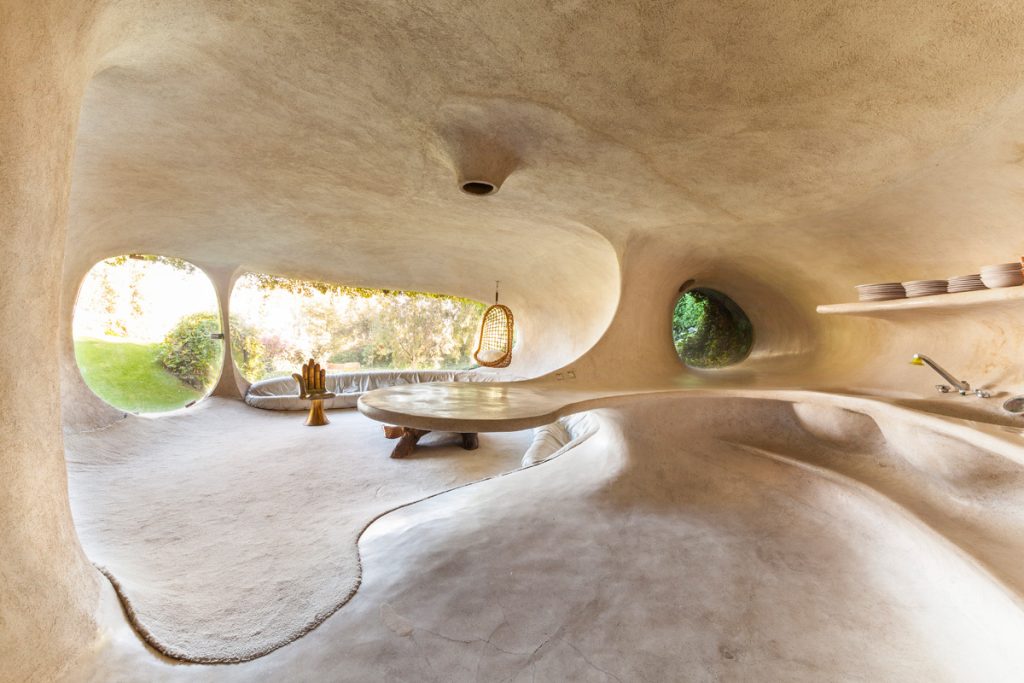
To encounter Senosiain’s work is to step into a realm where architecture abandons rigidity in favour of fluidity. His celebrated Casa Orgánica exemplifies this ethos with its subterranean form and undulating geometry. The absence of sharp corners, the continuity of surfaces, and the embrace of earth as both shelter and structure create spaces that feel instinctively comforting. These are not houses in the conventional sense, but environments that respond to the human body and mind with remarkable sensitivity.
Beyond Aesthetic Expression
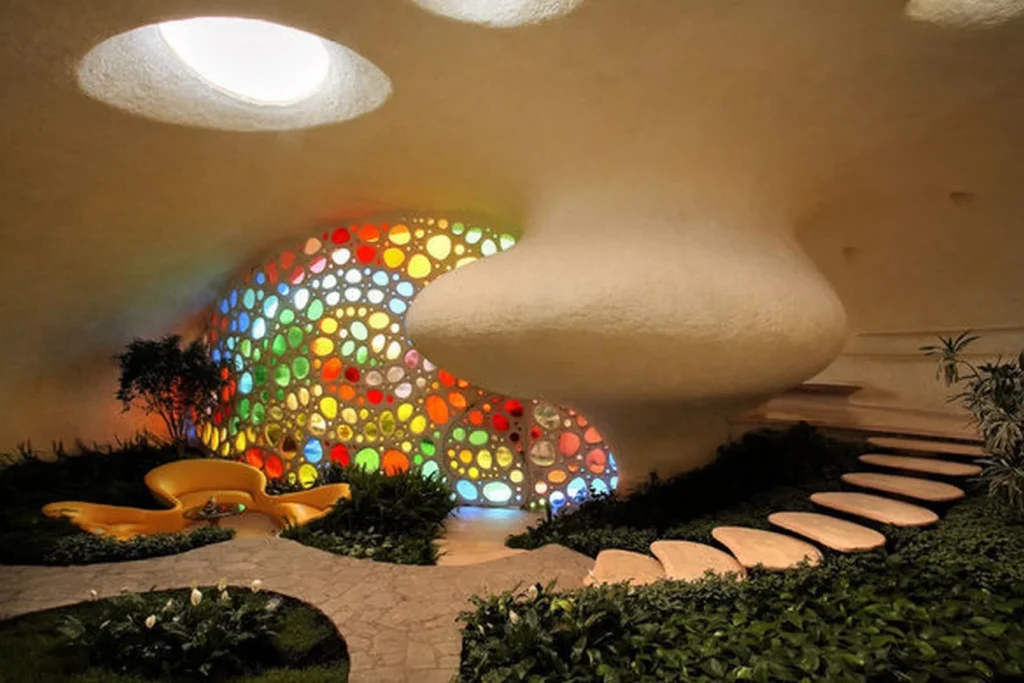
Yet, beneath this visual poetry lies a rigorous intellectual framework. Senosiain’s designs are grounded in an acute understanding of ergonomics, climate, and spatial psychology. Curved walls guide movement with subtle precision, while carefully positioned openings allow natural light to animate interiors throughout the day. His architecture is not merely seen; it is experienced. Each space unfolds gradually, encouraging interaction rather than passive observation.
Also Read: Who Is Ludwig Godefroy? The Mexican Architect Behind Viral Hyped Houses
A Digital Age Rediscovery
In recent years, Senosiain’s work has found renewed admiration across platforms such as Instagram, where his surreal, nature inspired homes captivate a global audience. Yet their appeal extends far beyond visual spectacle. In a world increasingly defined by uniformity and excess, his designs offer a sense of retreat, a return to something more elemental and grounded.
A Legacy That Endures
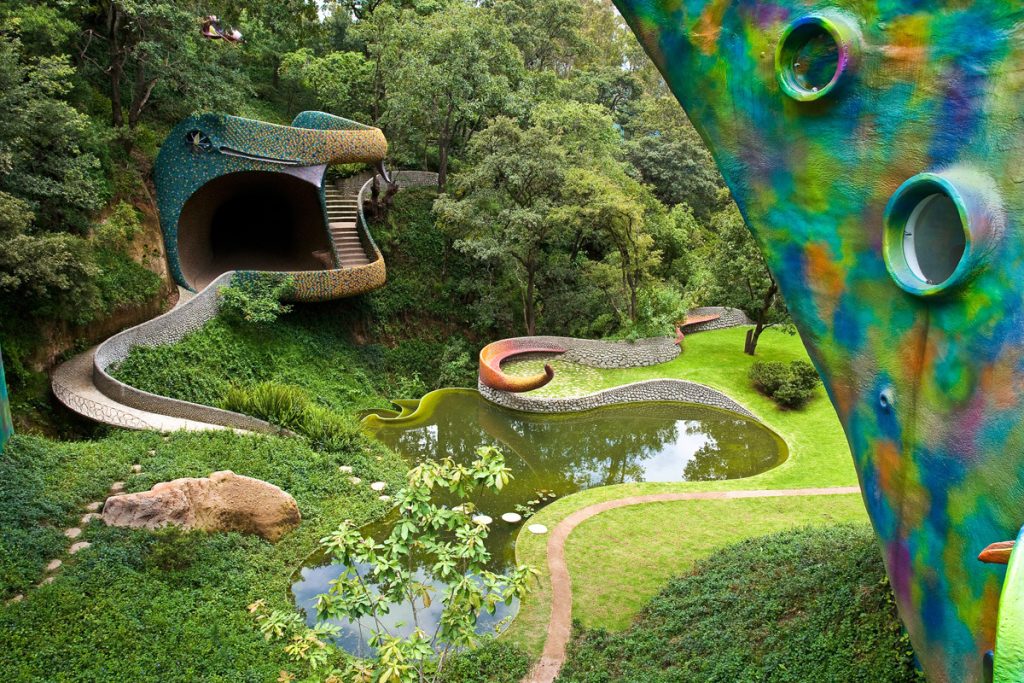
Projects like the Serpent House and El Nido de Quetzalcóatl further illustrate his commitment to integrating architecture with landscape, preserving natural contours while enhancing them through thoughtful design. Senosiain’s work suggests that true innovation does not always lie in complexity, but in understanding. His legacy invites us to reconsider how we build and how we inhabit space, reminding us that the most meaningful architecture does not dominate nature, but lives in quiet conversation with it.