Valentino Garavani: The Fashion Icon Who Mastered Romance, Power And Women’s Style
Indian fashion designer Jatin Malik reflects on the legacy of Valentino Garavani, one of the greatest couturiers of all time, and his enduring influence on the global fashion landscape
Valentino Garavani’s legacy rests on an exceptional understanding of women. He possessed an intuitive grasp of the female form – how it moves, how it occupies space, and how clothing can amplify confidence without eclipsing the wearer.
He did not dress women to impress a room; he dressed them to command it.
Seen through the lens of an Indian sensibility, where colour, embroidery, and ornamentation are woven into cultural expression, Valentino’s aesthetic feels instinctively familiar. He celebrated richness and spectacle, but never at the expense of structure. His gowns were intricate without excess, elaborate yet never chaotic. There was always a poised equilibrium – between softness and strength, romance and authority. His glamour was deeply emotional, but his craftsmanship remained precise and exacting.
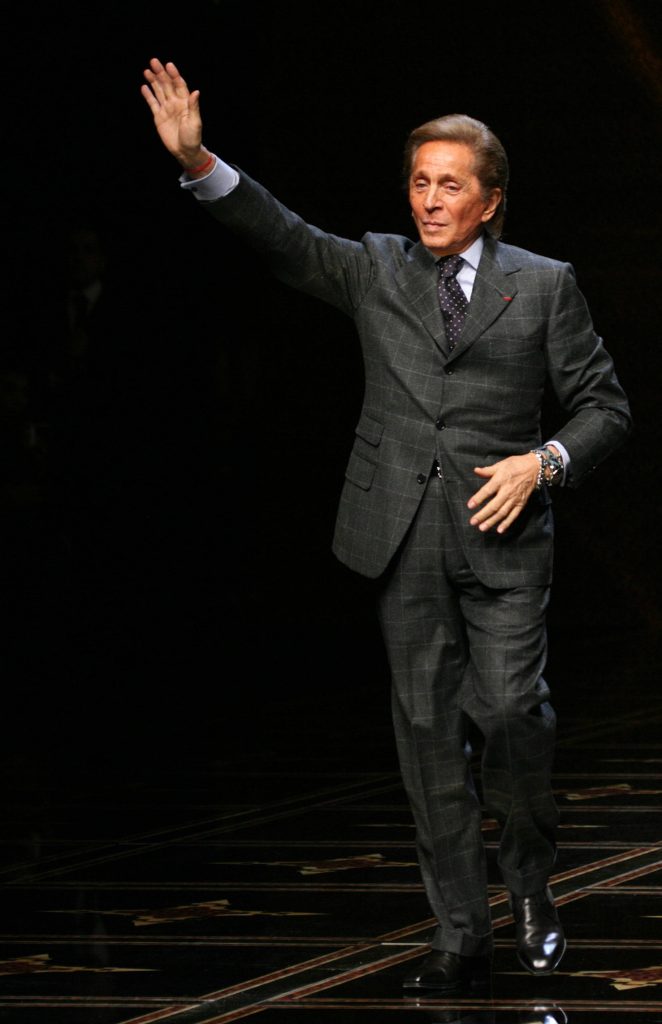
One of the most defining elements of Valentino’s work was his use of strong, structured shoulders. The heavy shoulder pads weren’t a trend; they were a statement. They gave women presence and power long before power dressing became mainstream. That silhouette changed how women occupied space. Before power dressing had a name, Valentino gave it a form.
Also Read: Giorgio Armani – The Man Behind The Empire
What stands out to me is how complete his vision was. Valentino put enormous thought into accessorising. Jewellery, belts, bows, shoes, even hats — every element was carefully considered. He understood that fashion isn’t just about a dress, but about the full image. In his world, nothing was an afterthought. He founded the House of Valentino in 1960 in Rome, and that sense of Roman grandeur stayed with him. Rome is timeless, layered, and emotional — much like his work. From there, his vision travelled globally, dressing women for moments that would be remembered. He built a house not on trends, but on permanence.
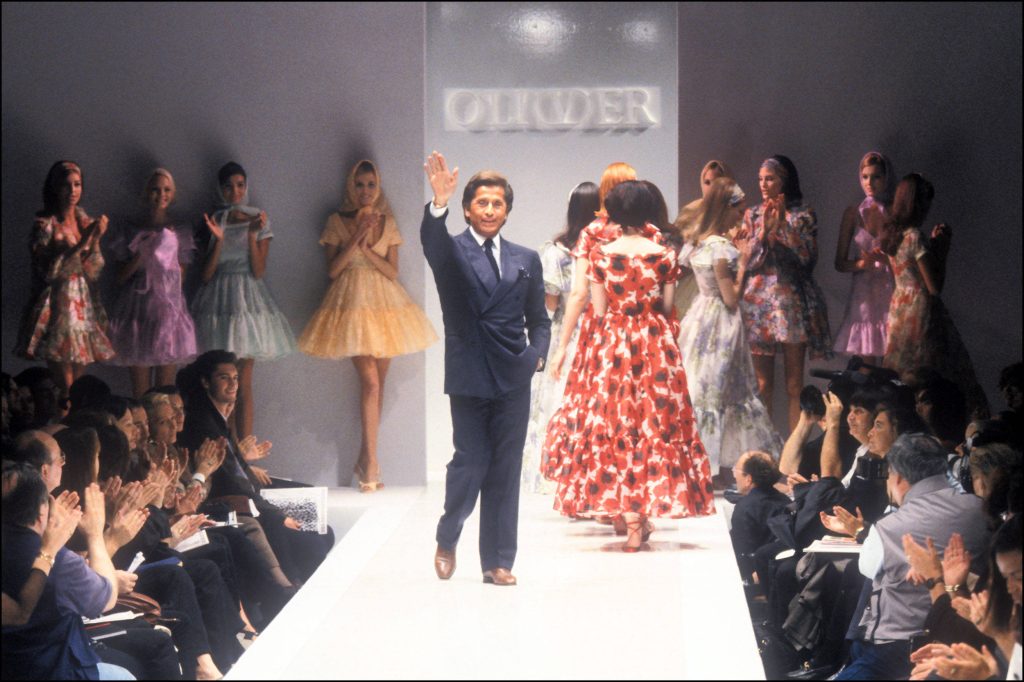
Valentino was always ahead of his time, yet he never chased change for the sake of it. He refined his language instead of constantly reinventing it. Some may call that traditional, but I see it as clarity. In fashion, longevity comes from knowing who you are. Style lasts when a designer knows their voice and refuses to dilute it. His final haute couture show in 2008 felt like a full-circle moment. It wasn’t about nostalgia; it was about confidence in one’s legacy. The collection revisited everything he stood for — strong silhouettes, intricate detailing, romance balanced with structure. When he took his final bow, it felt less like an ending and more like a quiet acknowledgment of a life’s work done with conviction. He didn’t leave fashion — he sealed his legacy.
Also Read: The Iconic Properties Of Valentino Garavani: A Legacy Of Luxury From Rome To The World
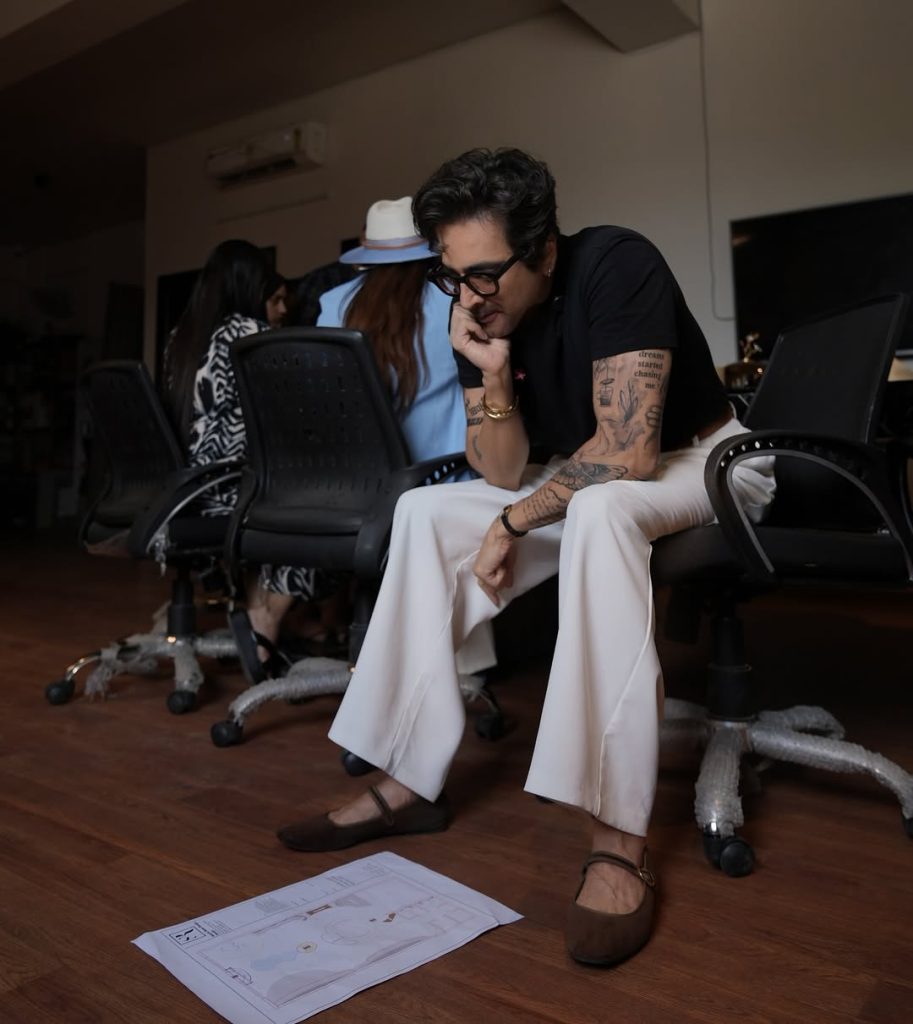
For me, Valentino represents the idea that fashion can be powerful without losing emotion. That glamour and strength don’t have to be opposites. That understanding the body — and the person inside it — is where true design begins. Fashion succeeds when it empowers without overpowering.
Jatin Malik is an Indian fashion designer who decided the world deserved better-dressed men. He is known for blending art, spirituality, and luxury into fashion.