Beyond Greenwashing: What True Sustainability In Luxury Real Estate Should Look Like
If your “sustainable luxury” starts and ends with a few solar panels, you’re not building the future - you’re decorating the problem. Here’s why
Sustainability today sits at the centre of real estate conversations, yet it has also become one of the most diluted ideas in the industry. The vocabulary is familiar – green buildings, eco-conscious design, sustainable living. But in practice, these are often reduced to visible interventions rather than deeply embedded decisions. For a sector with a significant environmental footprint, this gap between narrative and execution is increasingly difficult to ignore.
Having spent the last decade building in the luxury segment, one thing has become clear: sustainability cannot be introduced as a layer, it has to originate from the very first decision. We need to rethink not just how we build, but what we choose to value, and what we consciously decide not to build. Because the greatest impact is shaped long before design begins, at the level of philosophy, intent, and the purpose that defines a place.
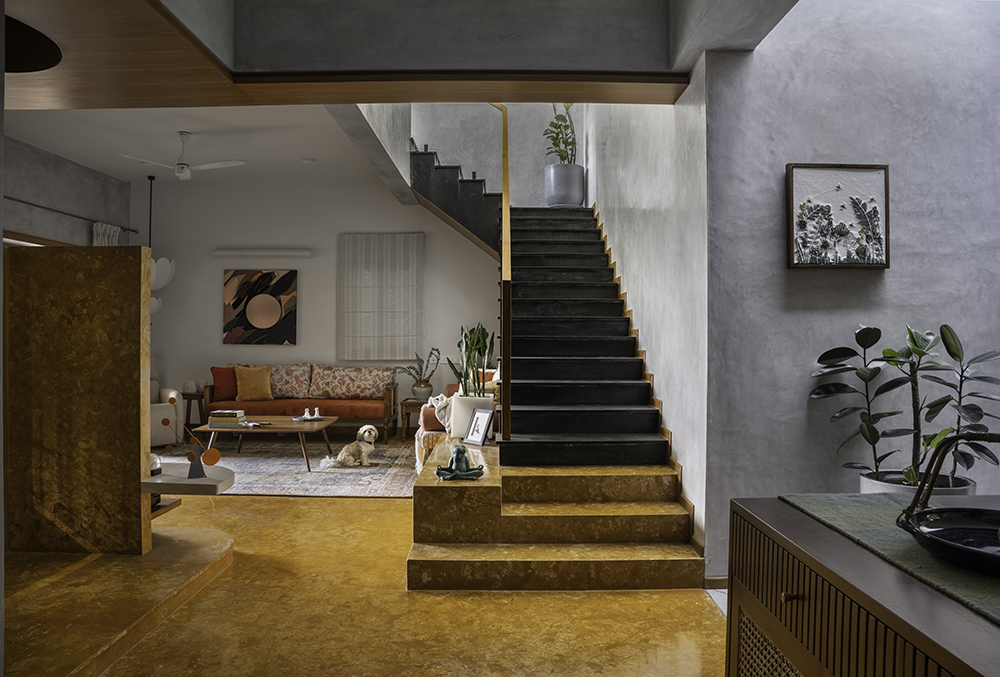
Where Sustainability Truly Begins
A large part of the industry still approaches sustainability as an overlay, introduced after the master plan is in place. At that stage, it becomes a compromise. Every site carries its own intelligence – natural gradients, water movement, vegetation, and microclimate. In our experience, when these become starting points rather than constraints, design shifts from imposition to response. This often requires stepping away from efficiency-led planning, reducing footprint, reworking layouts, or discarding plans that maximise built area but disrupt the land.
These are harder decisions upfront. But over time, they create developments that perform better, often reducing baseline energy demand by 20-30% through passive design alone, before any mechanical systems are introduced.
Rethinking Density And Value
In luxury real estate, value is often equated with built-up area. We’ve found that long-term value comes from restraint. At White Lotus, we consciously design at lower densities, often limiting developments to single-digit homes per acre, even when land can support more. This enables higher ground permeability, deeper tree systems, and a more stable microclimate.
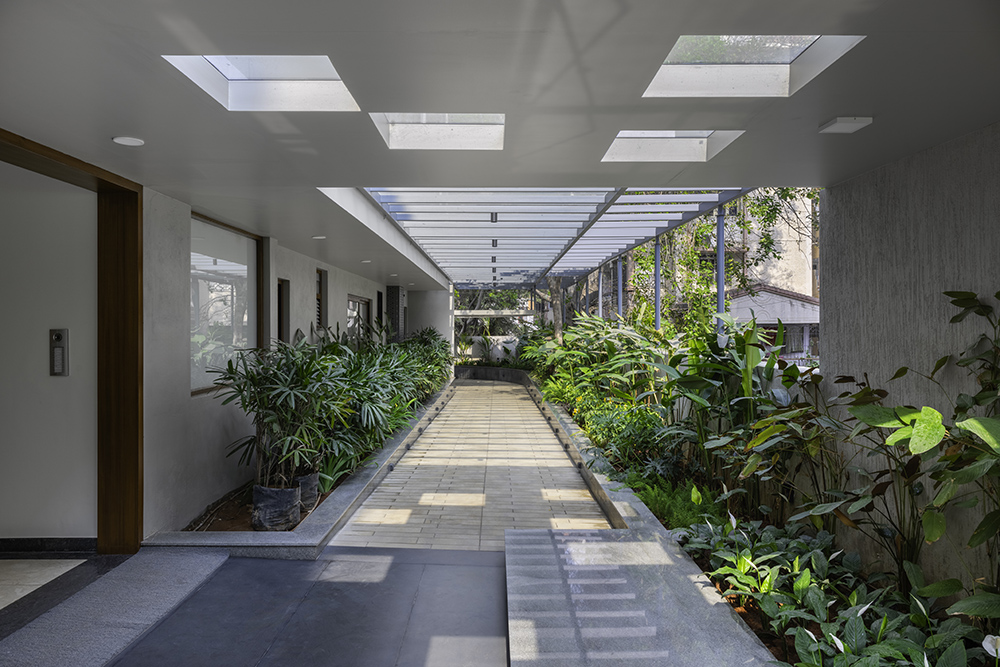
At our upcoming community in North Bangalore, nearly 70% of the land is preserved as open, breathable space, with a density of just 7 homes per acre across the 14-acre development, creating measurable differences in temperature, airflow, and environmental comfort.
Luxury, in this context, is not about maximising space, but creating space that sustains itself.
Designing Water As A System
Water will define urban growth constraints. Most developments address it at an operational level. A more sustainable approach is to design for water at an ecosystem level.
At Amanvana, this meant building a closed-loop water system designed as a net-zero water eco-system from the outset, where rainwater and grey water are captured, treated, and reused. Natural water channels were regenerated and integrated into the landscape rather than concealed. In one instance, instead of covering an existing drain, we transformed it into a lagoon ecosystem improving retention while creating a shared ecological space. These systems – rainwater harvesting, treatment, reuse, and water-conscious landscaping work together to meet 40-60% of water demand through internal cycles, with communities designed to operate as net-zero water systems.
Also Read: Crafting Homes In Nature With Care And Conscience, Through An Architect’s Lens
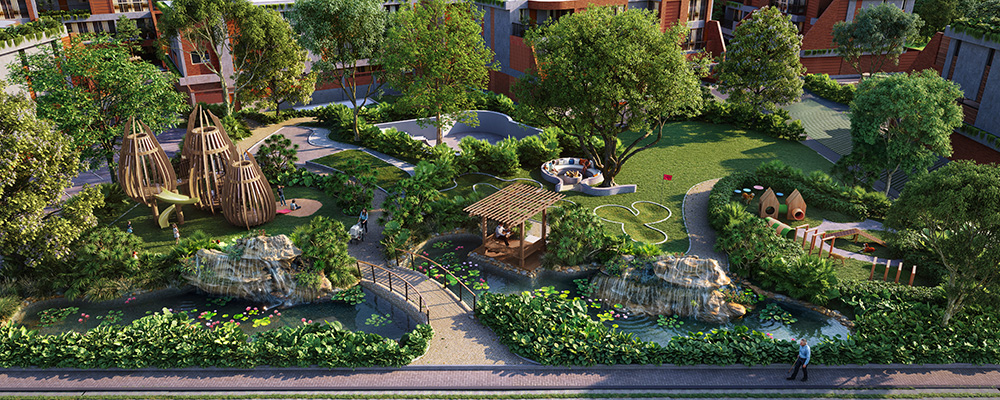
This shift, from consumption to regeneration, is where sustainability becomes measurable.
Where Sustainability Meets Human Behaviour
Sustainability is often discussed technically, but its real impact is behavioural.
Homes designed for cross-ventilation, natural light, and shaded movement reduce dependence on artificial systems and change how people live.
Design should begin with conversations with families, before construction ever starts – so homes are shaped around how people actually live. That way, sustainability becomes a natural part of everyday life, not something added on afterward.
From Demand To Accountability
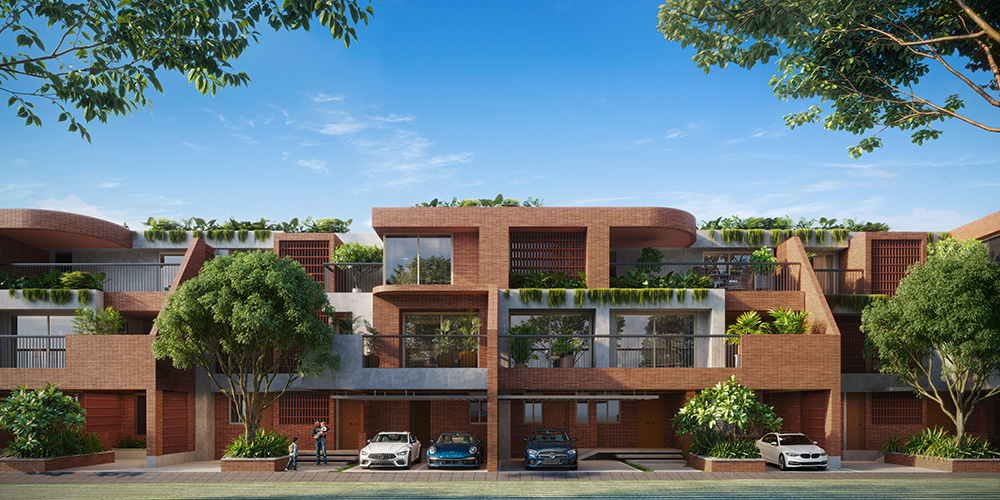
Today’s luxury buyer is more informed and deliberate than ever. Projects are increasingly being committed to even before construction, driven by a desire for early involvement rather than post-build adaptation. The conversation is shifting from specifications to intent, performance, and credibility – pushing the industry beyond narrative and toward real accountability.
Redefining Luxury
As India moves towards its climate commitments, real estate will play a critical role. For developers, the opportunity is not just to build greener buildings, but to build more responsibly. In our personal journey, sustainability shapes every decision from engaging with land to designing communities. This includes material choices such as exposed masonry and wire-cut bricks that improve thermal performance, passive strategies that reduce energy demand, and solar integrations that offset consumption on an efficient base.
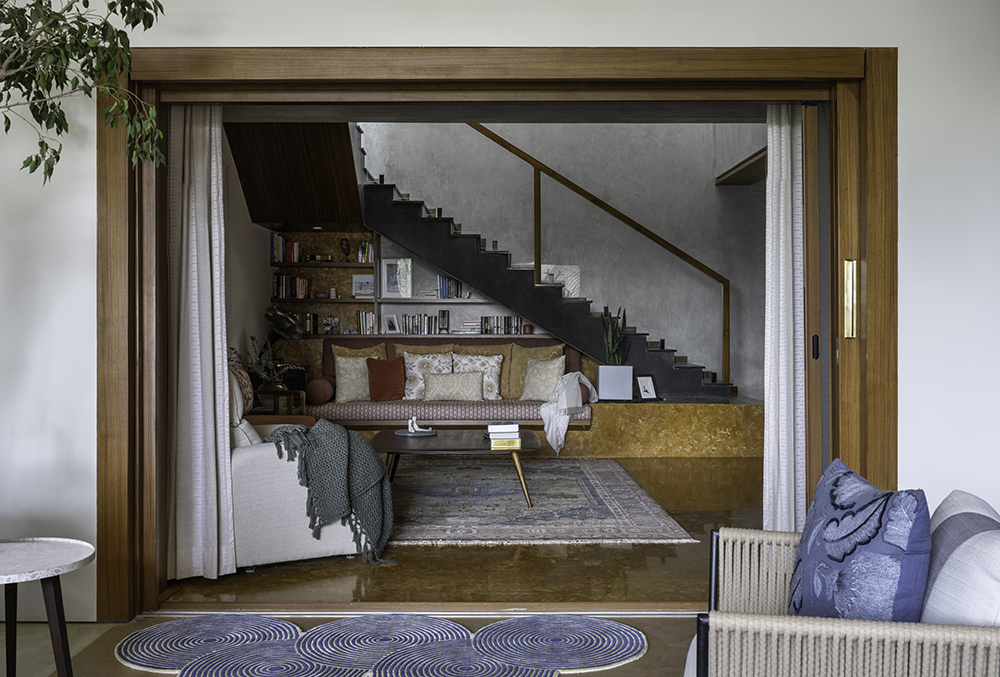
Luxury is already evolving away from scale and specification, towards restraint, relevance, and long-term thinking. Because ultimately, enduring developments are not those that say the right things, but those built on the right principles.
Also Read: Celebrating Timeless Heritage: Adaptive Reuse To Create Modern, Sustainable And Luxurious Spaces
Pavan Kumar is the Founder and CEO of White Lotus Group.