INR 220 Crore Venetian Palace Immortalised by Claude Monet Is Up For Sale
From Pietro Lombardo's extraordinary façade to lavish interiors, meticulous restoration and enduring legends, the palazzo remains an enduring symbol of Venetian artistry, history and architectural excellence
Venice has always possessed an extraordinary ability to blur the boundaries between architecture and theatre. Every palace appears to float effortlessly upon the Grand Canal, every façade reflects centuries of artistic ambition, and every doorway seems to conceal another remarkable story. Yet among this magnificent collection of Gothic palazzi and Renaissance masterpieces stands one residence that has captivated artists, historians and architects for more than five hundred years. Ca’ Dario is not the largest palace in Venice, nor the most extravagant. Instead, it achieves something far more remarkable. Through perfect proportions, exquisite craftsmanship and extraordinary restraint, it proves that timeless architecture rarely depends on scale. It depends on harmony, detail and an unwavering confidence in beauty.
A Renaissance Masterpiece
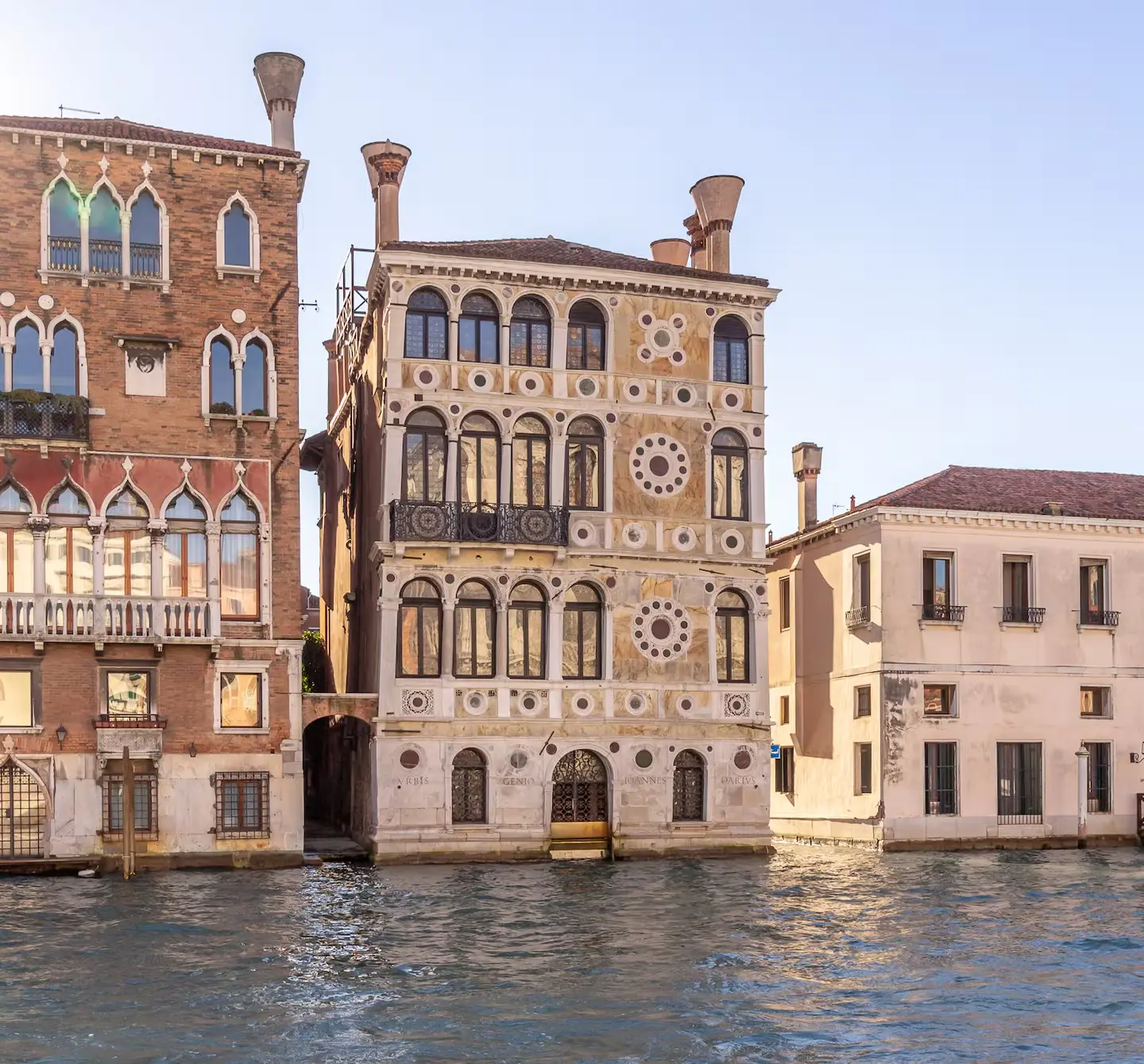
Constructed during the late fifteenth century for the distinguished diplomat Giovanni Dario, Ca’ Dario was designed by celebrated Renaissance architect Pietro Lombardo upon the foundations of an earlier Gothic residence. Positioned along the most prestigious stretch of the Grand Canal between the Accademia Bridge and the San Marco Basin, the palace immediately established itself as one of Venice’s most refined residences. Though modest compared to neighbouring palaces, its elegance has endured across generations, inspiring artists including Claude Monet, who immortalised its façade in a series of celebrated paintings in 1908.
Also Read: Why Floating Homes Are Becoming the Ultimate Luxury Lifestyle Choice
Its Asymmetrical Façade
The exterior of Ca’ Dario remains one of the defining achievements of the Venetian Renaissance. Crafted in luminous Istrian stone and enriched with richly coloured marble inlays, the façade features nearly eighty sculpted circular medallions, elaborate polychrome decoration and the Latin inscription honouring Giovanni Dario. Its deliberate asymmetry gives the building remarkable visual rhythm, while elegant quadrifora windows, precious porphyry and serpentine stonework, distinctive oculi and finely carved details reveal Pietro Lombardo’s remarkable understanding of proportion and ornament. John Ruskin famously praised it in The Stones of Venice, describing it as one of the finest examples of Renaissance architecture delicately woven into the city’s Byzantine traditions.
Extraordinary Refinement Of Venetian Aristocratic Life
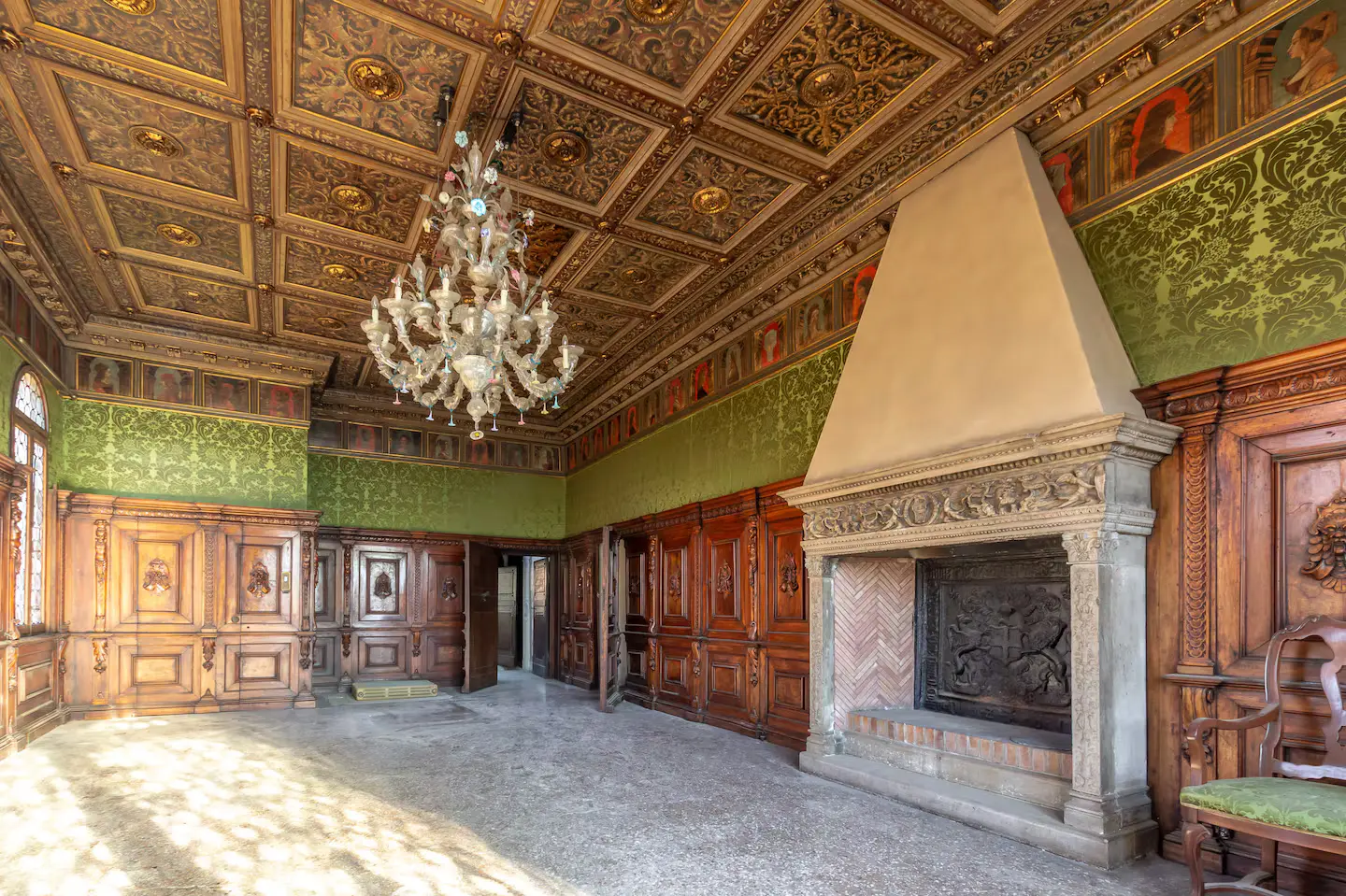
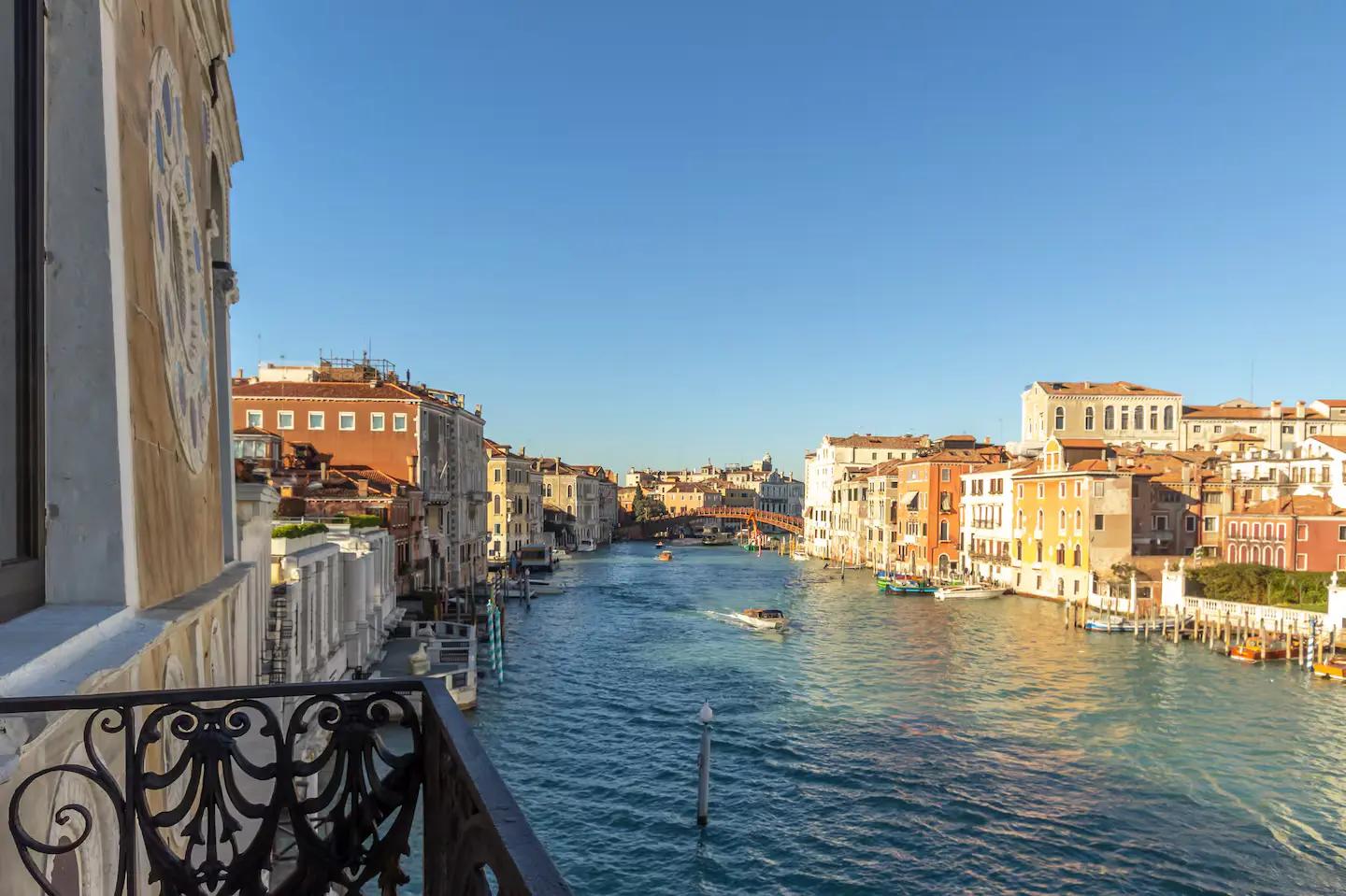
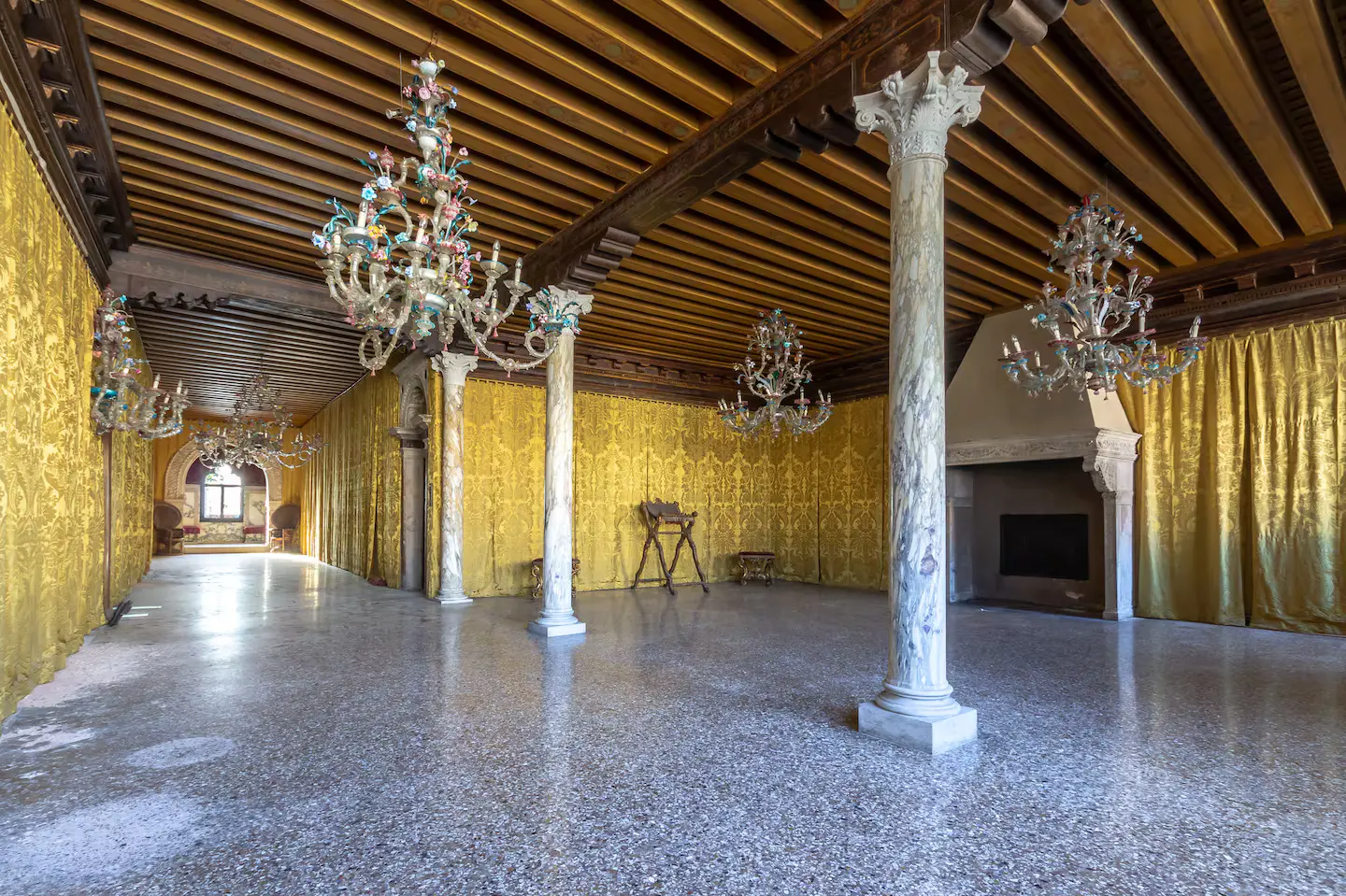
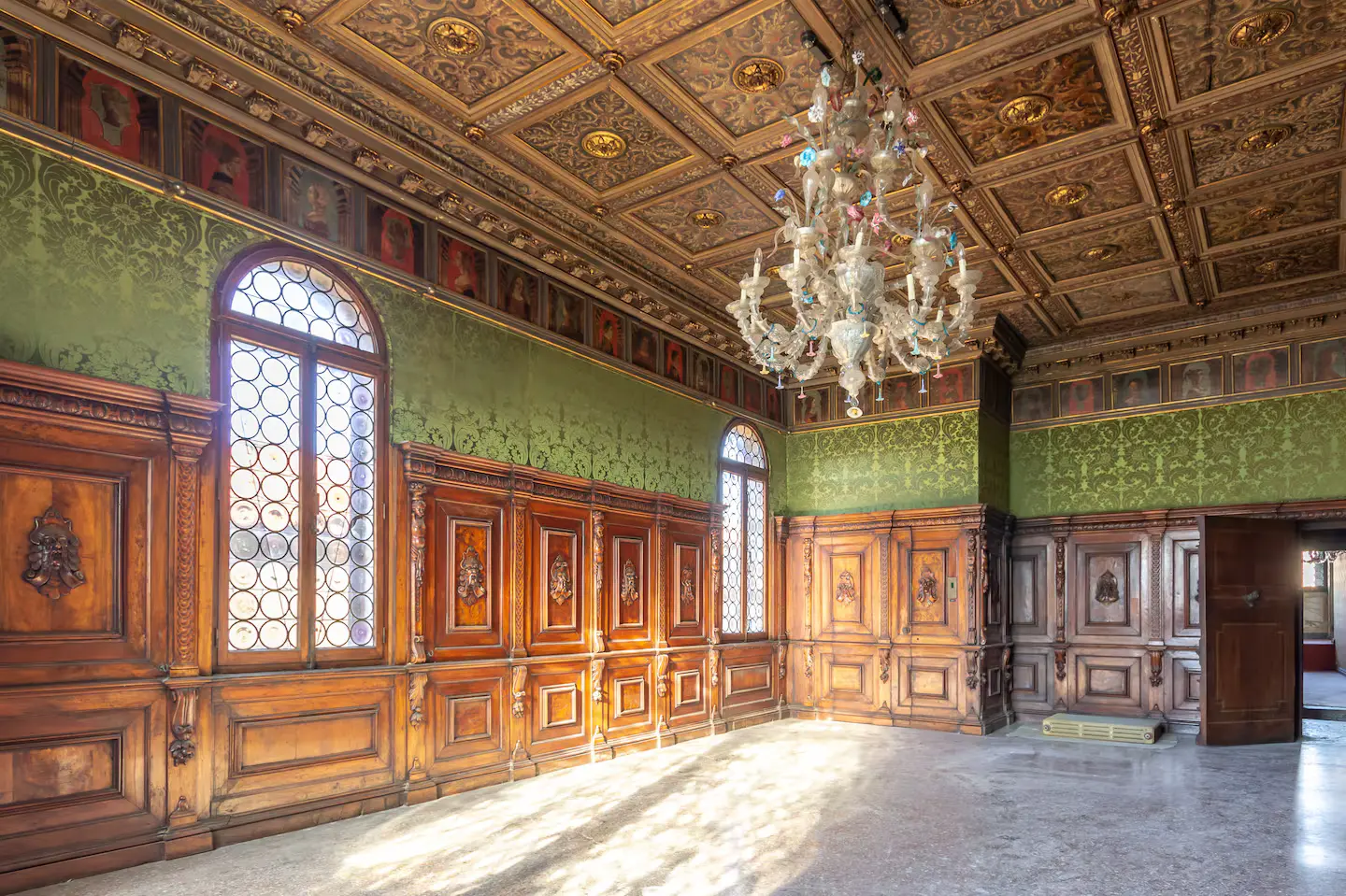
Behind its celebrated façade unfolds approximately one thousand square metres of beautifully preserved interiors spread across four levels. Visitors arriving directly from the Grand Canal are welcomed into a luminous atrium featuring a monumental fireplace, carved marble wellhead and elegant staircase leading towards the magnificent piano nobile reception rooms. Delicate marble columns support richly decorated halls adorned with seventeenth century French boiserie, historic Tessitura Bevilacqua textiles and exquisite Murano glass chandeliers. Elsewhere, an extraordinary marble fountain occupies an intimate drawing room illuminated by a rare Arab inspired window, while the upper floors accommodate nine elegant bedrooms, luxurious marble appointed bathrooms, tranquil garden views and a traditional Venetian rooftop altana overlooking the Grand Canal and Santa Maria della Salute.
Also Read: Spiral Staircases: The Design Secret Behind Timeless Luxury Homes
Restoration Without Compromise
Few Renaissance residences have survived as thoughtfully as Ca’ Dario. Beginning with Rawdon Lubbock Brown’s careful restoration during the nineteenth century, followed by structural reinforcement in the early twentieth century and culminating in an extensive historical preservation completed in 2025, every intervention has respected the building’s architectural integrity. Rather than modernising the palace, restorers focused on safeguarding its original materials, intricate masonry, decorative finishes and remarkable craftsmanship, ensuring that Ca’ Dario continues to embody the artistic and cultural legacy of La Serenissima.
The Palace Inspired Venice’s Most Enduring Legends
Few historic residences have accumulated as much mythology as Ca’ Dario. During the late twentieth century, stories emerged suggesting the palace carried a mysterious curse following the deaths or misfortunes of several owners and visitors. Yet closer examination reveals that many of these tales owe more to sensational storytelling than historical fact. Former owner Raul Gardini died not within the palace but at his Milan residence, while Kit Lambert, manager of The Who, passed away years after leaving Venice altogether. Equally overlooked are those who enjoyed long and prosperous lives connected to the palace, including Giovanni Dario himself and distinguished guest Henry Kissinger. Rather than tragedy, Ca’ Dario’s greatest legacy remains its remarkable endurance through centuries of political change, artistic evolution and cultural fascination.
Some buildings impress through overwhelming scale. Others through extravagant decoration. Ca’ Dario achieves something considerably rarer. It demonstrates how perfect proportions, masterful craftsmanship and architectural restraint can create beauty that remains untouched by changing fashions. Standing quietly beside the Grand Canal, its marble façade still catches the Venetian light exactly as it did five hundred years ago, reminding us that truly great architecture does not simply survive history. It becomes part of it.