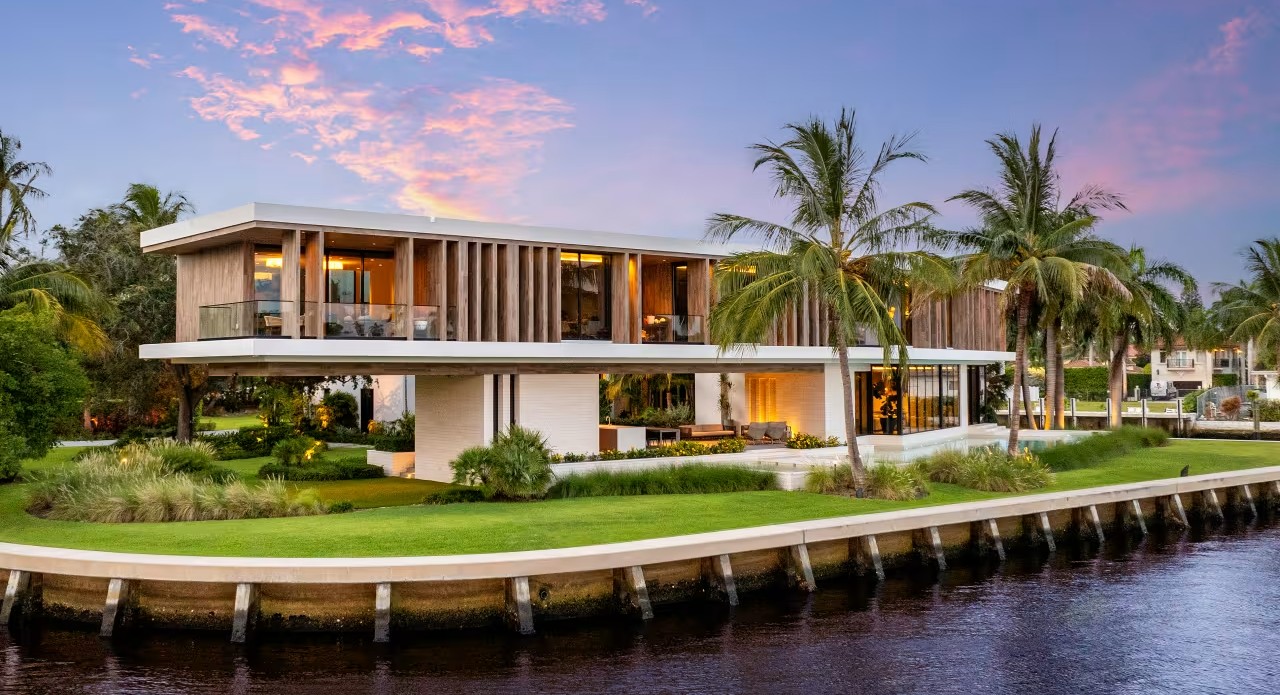


For centuries, humanity has built its greatest homes on the highest ground, believing permanence was the ultimate symbol of wealth. Today, that idea is quietly changing. As coastlines evolve, cities become denser and luxury buyers increasingly seek experiences over possessions, architecture has begun looking towards the water not merely as a view, but as a place to live. Floating homes, once associated with practical houseboats and niche waterfront communities, have transformed into some of the world’s most extraordinary residences. Designed with the sophistication of contemporary villas and the engineering precision of advanced marine technology, these homes offer an entirely different relationship with nature. Gentle movement replaces rigid foundations, reflections become part of the architecture, and every sunrise or changing tide becomes an extension of daily life. Far from being experimental concepts, floating residences are now appearing across Europe, the Middle East and Asia as architects respond to both rising sea levels and a growing desire for more sustainable, experiential forms of luxury. They represent not simply a new category of home, but an entirely new philosophy of living where architecture adapts to nature instead of resisting it.
Waterfront living reaches an entirely new level
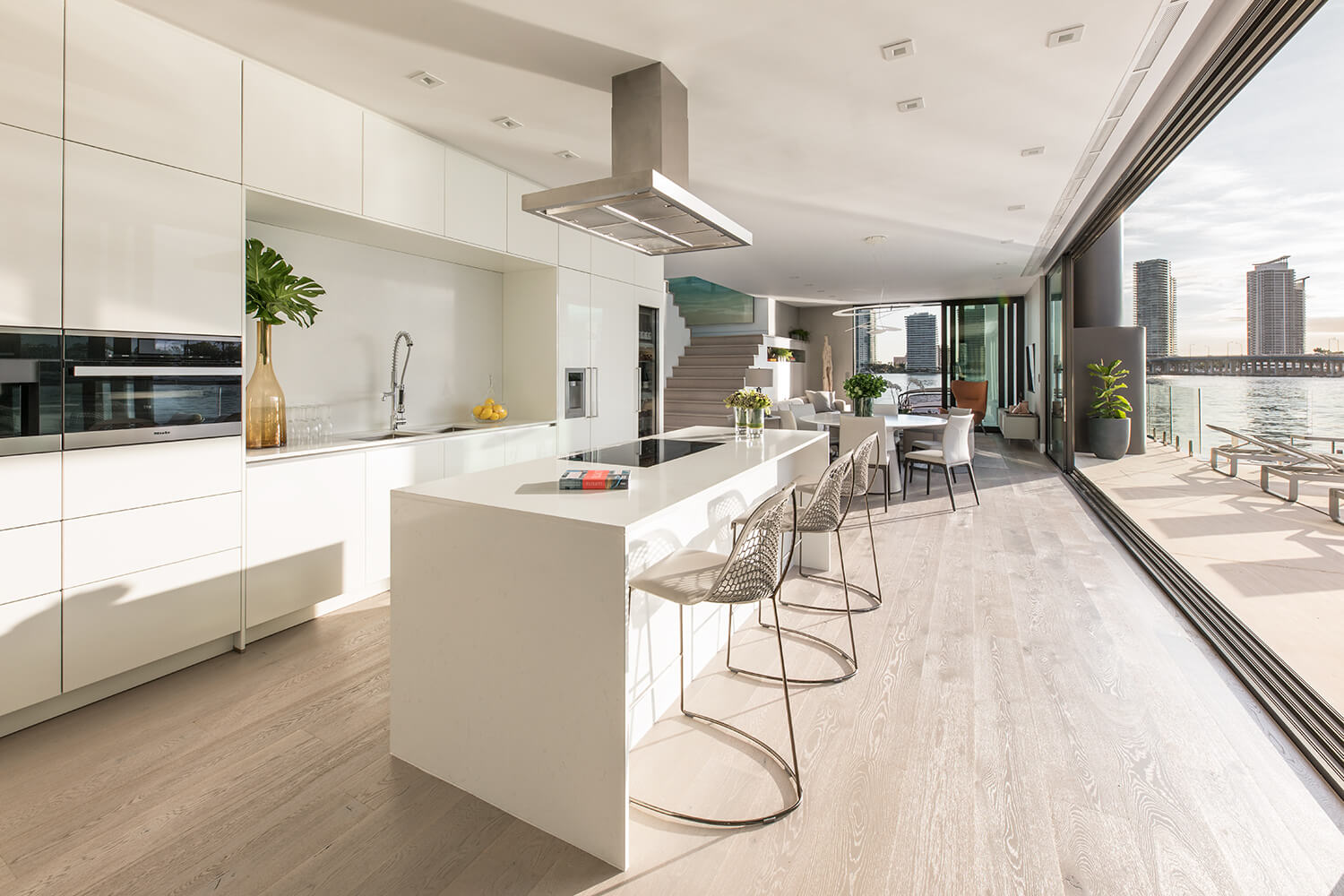
Unlike conventional beachfront properties that merely overlook the water, floating homes immerse residents within it. Every room enjoys uninterrupted panoramic views, while terraces, decks and floor to ceiling glazing dissolve the boundaries between interior and exterior spaces. The constantly shifting reflections, changing weather and gentle movement of the water create a living environment that feels dynamic rather than static, making every day subtly different from the last.
Also Read: Spiral Staircases: The Design Secret Behind Timeless Luxury Homes
Engineering makes modern floating homes remarkably resilient
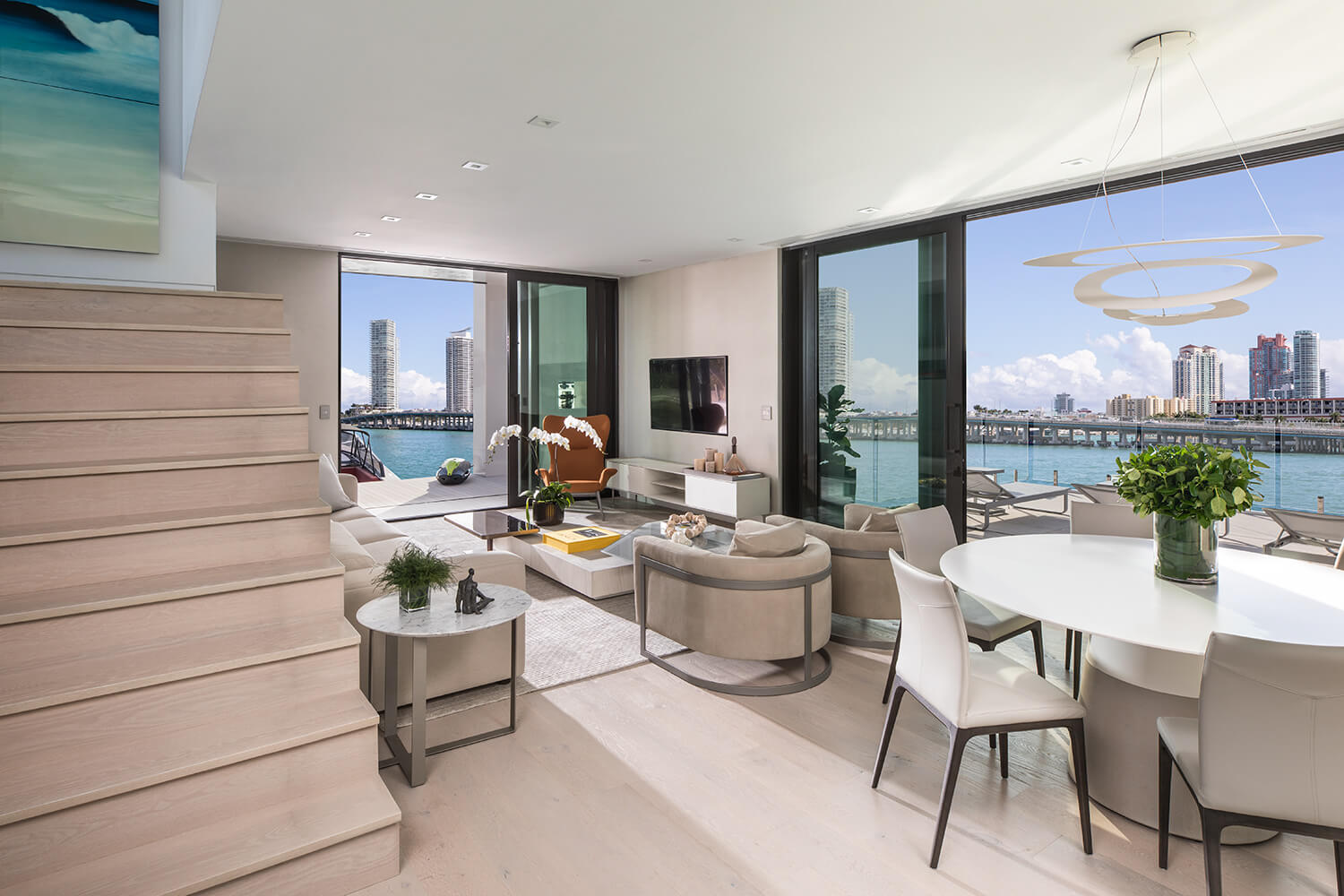
Today’s floating residences bear little resemblance to traditional houseboats. Built upon highly engineered buoyant foundations using reinforced concrete, marine grade steel and advanced composite materials, they are designed to remain exceptionally stable even as water levels change. Sophisticated anchoring systems allow the structure to rise and fall naturally with tides while remaining securely fixed in position. Many projects are also engineered to withstand extreme weather conditions, making them surprisingly robust long term residences.
Sustainability lies at the heart of floating architecture
Floating homes have become symbols of environmentally conscious luxury. Many incorporate solar panels, rainwater harvesting systems, natural ventilation and energy efficient construction techniques that minimise their environmental footprint. Because they require little disturbance to surrounding landscapes compared with conventional construction, they also preserve delicate waterfront ecosystems. As rising sea levels increasingly influence urban planning, floating architecture is emerging as an innovative response to climate resilience rather than simply an architectural novelty.
Also Read: The Art Of First Impressions: Why Grand Entrances And Facades Matter
Privacy and exclusivity define the experience
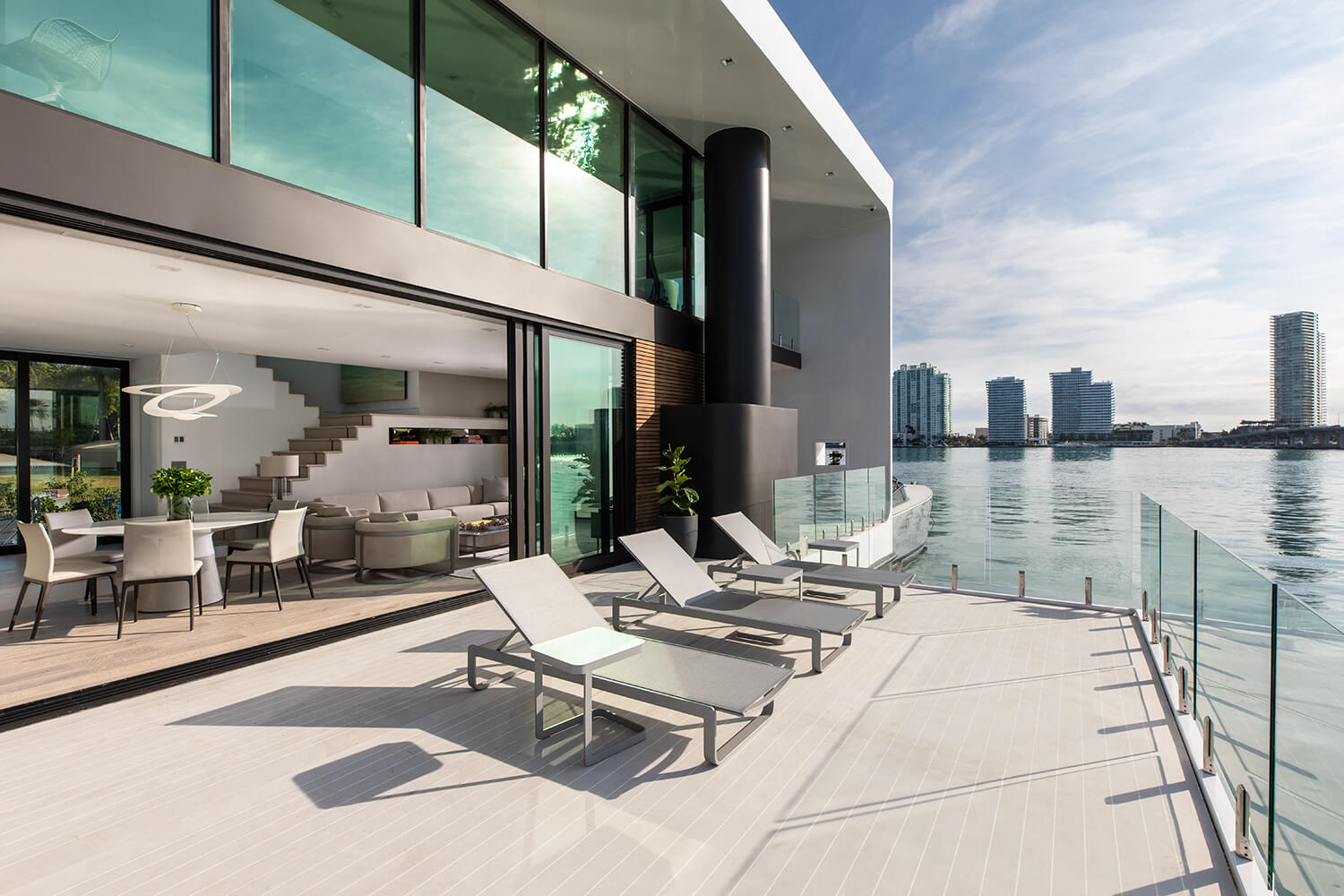
For affluent homeowners seeking greater seclusion, floating homes offer a level of privacy difficult to achieve in traditional residential developments. Positioned away from busy roads and dense urban environments, they create a tranquil retreat surrounded by water, where the sounds of traffic are replaced by gentle waves and open horizons. This sense of isolation, combined with direct marina access and bespoke luxury interiors, has made floating residences increasingly attractive to discerning buyers worldwide.
Architecture embraces movement instead of resisting it
Conventional buildings are designed to remain immovable, but floating homes celebrate gentle movement as part of the architectural experience. Rather than viewing water as a challenge to overcome, architects treat it as an active design element that shapes light, reflections and spatial perception. The result is architecture that feels alive, constantly responding to its environment while maintaining exceptional comfort and stability for its occupants.
The future of luxury may float
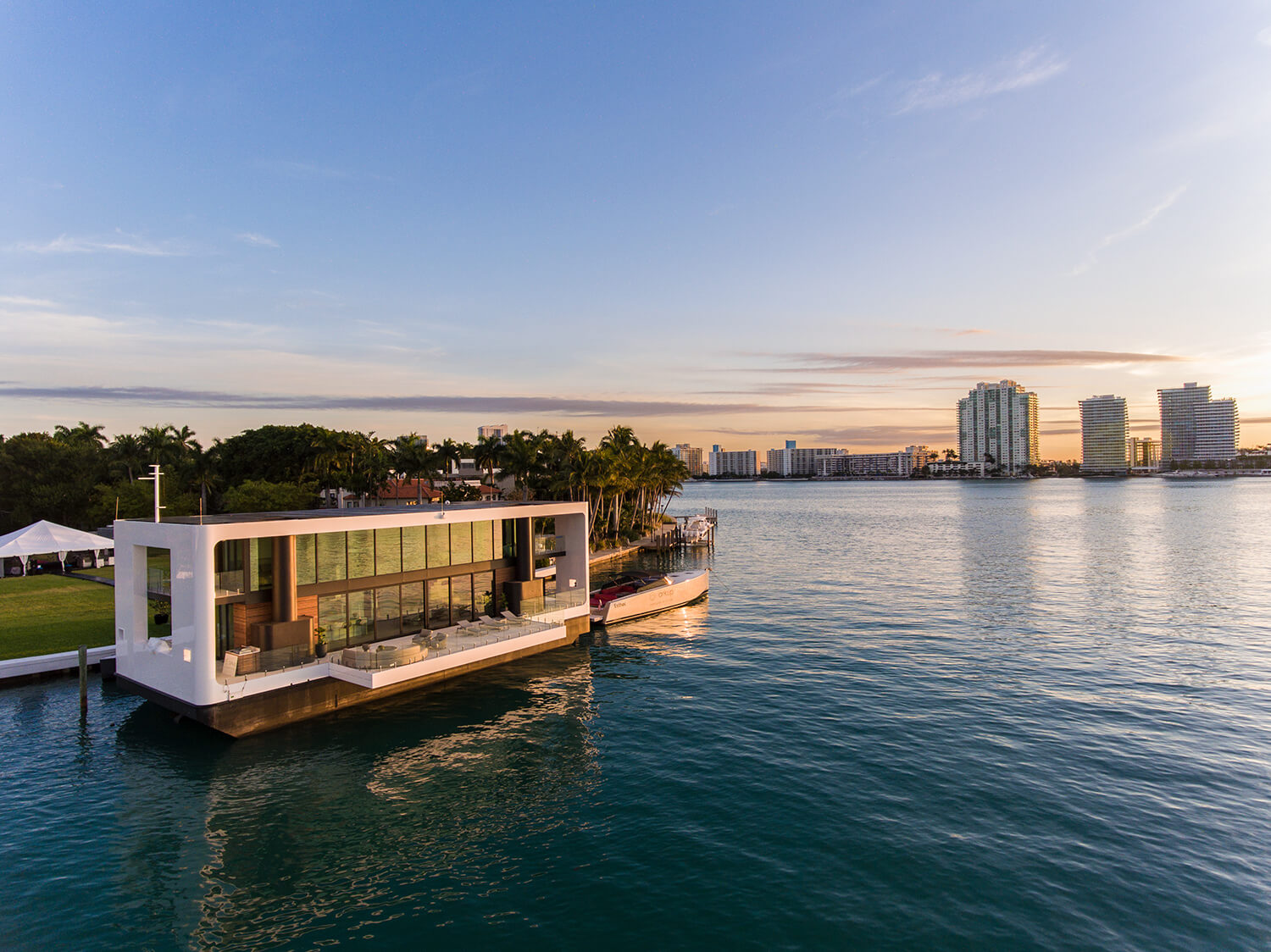
As climate challenges reshape the world’s coastlines and luxury buyers increasingly prioritise sustainability, wellness and unique experiences, floating homes are becoming far more than an architectural curiosity. They represent a bold evolution in residential design, demonstrating that the future of luxury may not lie in building ever taller or larger homes, but in creating residences that exist in harmony with the natural world. In an age where true exclusivity is defined by experience, few addresses offer a lifestyle as extraordinary as a home that rises and falls with the rhythm of the water.