Spiral Staircases: The Design Secret Behind Timeless Luxury Homes
Modern spiral staircases have evolved into symbols of timeless craftsmanship, seamlessly blending engineering, artistry and movement to create some of the most captivating interiors in contemporary architecture
A staircase is often treated as nothing more than a means of moving between floors. The finest architects, however, have always understood that it can become the defining experience of an entire home. Few architectural elements capture this idea more beautifully than the spiral staircase. Rising gracefully around a central axis, it transforms a purely functional necessity into an object of sculpture, where every step becomes part of an unfolding architectural journey. Its appeal has endured for centuries, from medieval castles and Renaissance palaces to contemporary penthouses and private villas, not because it follows trends, but because it effortlessly combines engineering precision with visual poetry. Whether carved from stone, crafted in timber, forged in steel or cast in flowing concrete, the spiral staircase possesses a rare ability to command attention without overwhelming its surroundings. It introduces rhythm, movement and vertical drama while occupying remarkably little space, proving that practicality and beauty can coexist in perfect harmony. Today, as architects increasingly blur the boundaries between structure and sculpture, the spiral staircase remains one of residential architecture’s most enduring masterpieces, reminding us that sometimes the journey between two floors can become the most memorable space in the house.
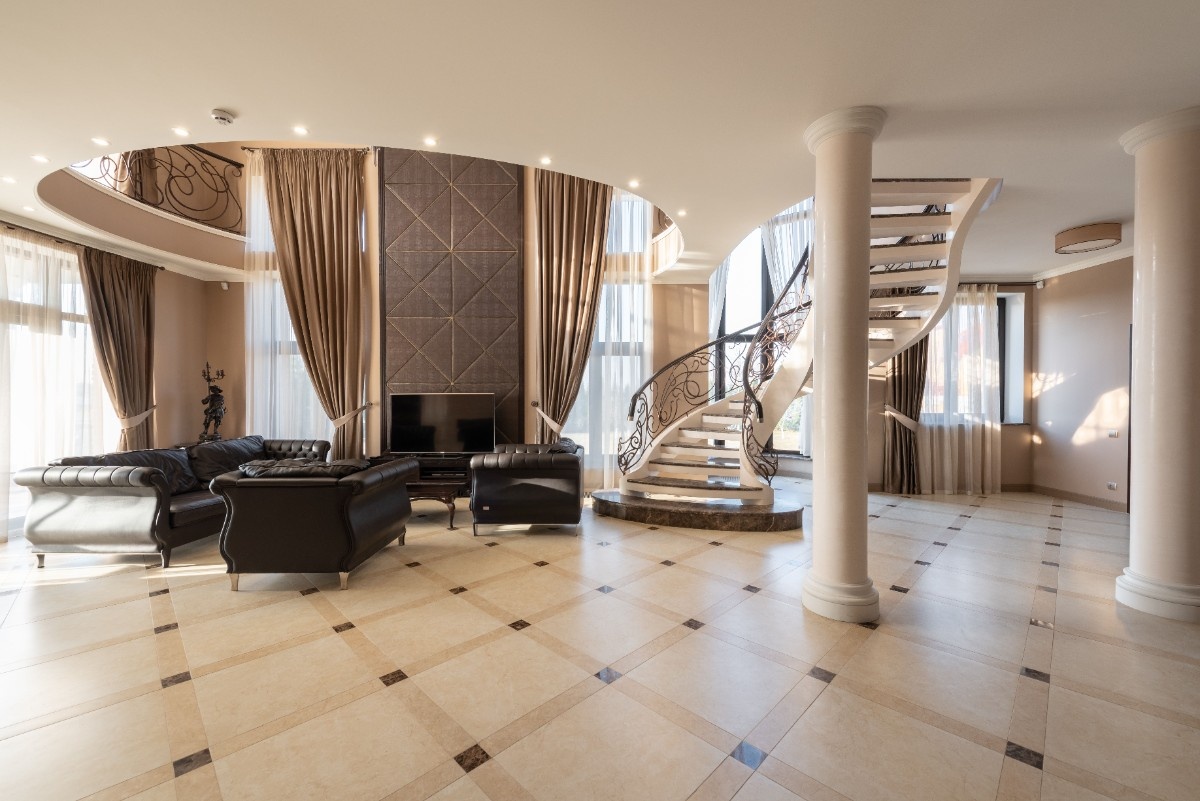
What began as a practical invention became an architectural icon
The earliest spiral staircases appeared not as decorative features but as intelligent engineering solutions. Medieval castles incorporated them into defensive towers, where their compact footprint conserved valuable space while offering strategic advantages during conflict. As architecture evolved through the Renaissance and Baroque periods, architects recognised their sculptural potential, transforming staircases from hidden circulation routes into dramatic centrepieces. Over time, they became symbols of refinement, craftsmanship and architectural ambition, appearing in grand estates, palaces and civic buildings across Europe before finding their place in modern luxury residences.
Also Read: The Art Of First Impressions: Why Grand Entrances And Facades Matter
A balance of engineering & artistry
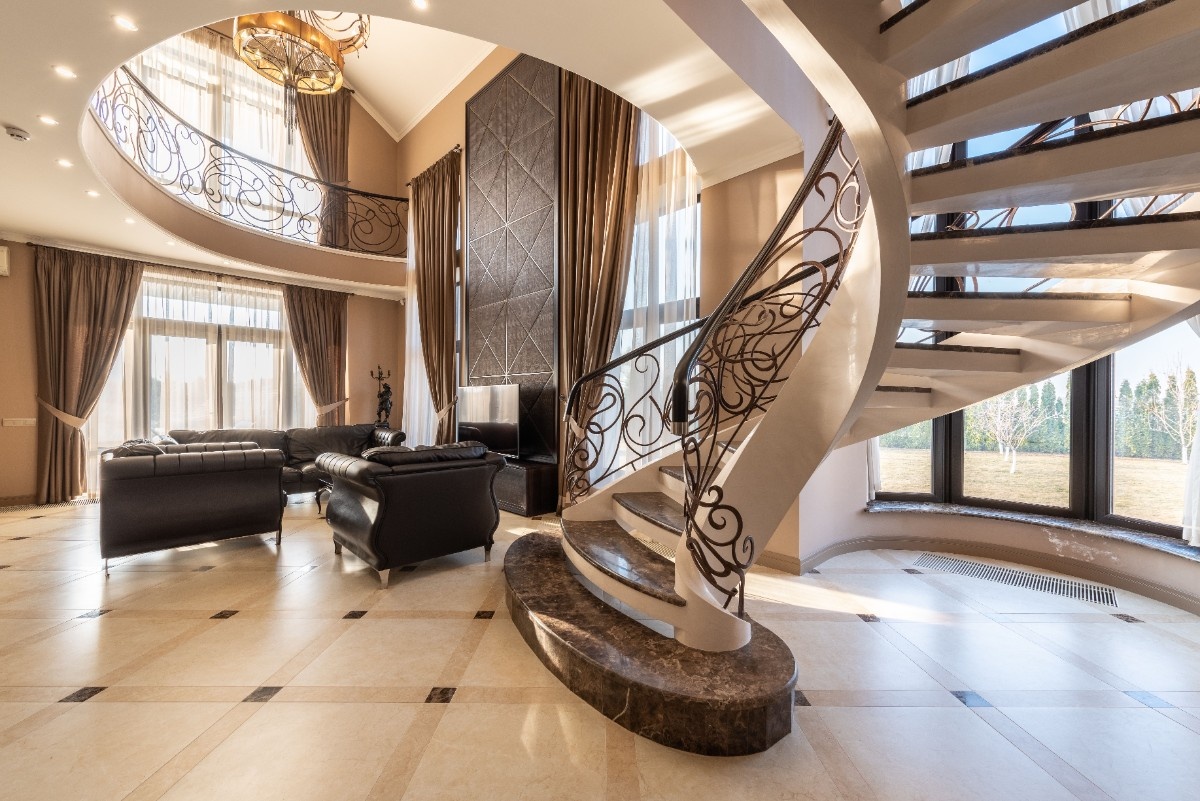
Designing a spiral staircase requires far more than arranging steps around a central column. Every curve, rise and tread must be carefully calculated to achieve structural stability while maintaining comfort and elegance. The geometry demands exceptional precision, ensuring each step feels natural despite the continuous rotation. Architects often work closely with structural engineers and artisans to achieve this delicate balance, creating staircases that appear effortlessly light while supporting significant loads. The result is architecture where mathematics quietly disappears behind visual grace.
Materials shape both character & experience
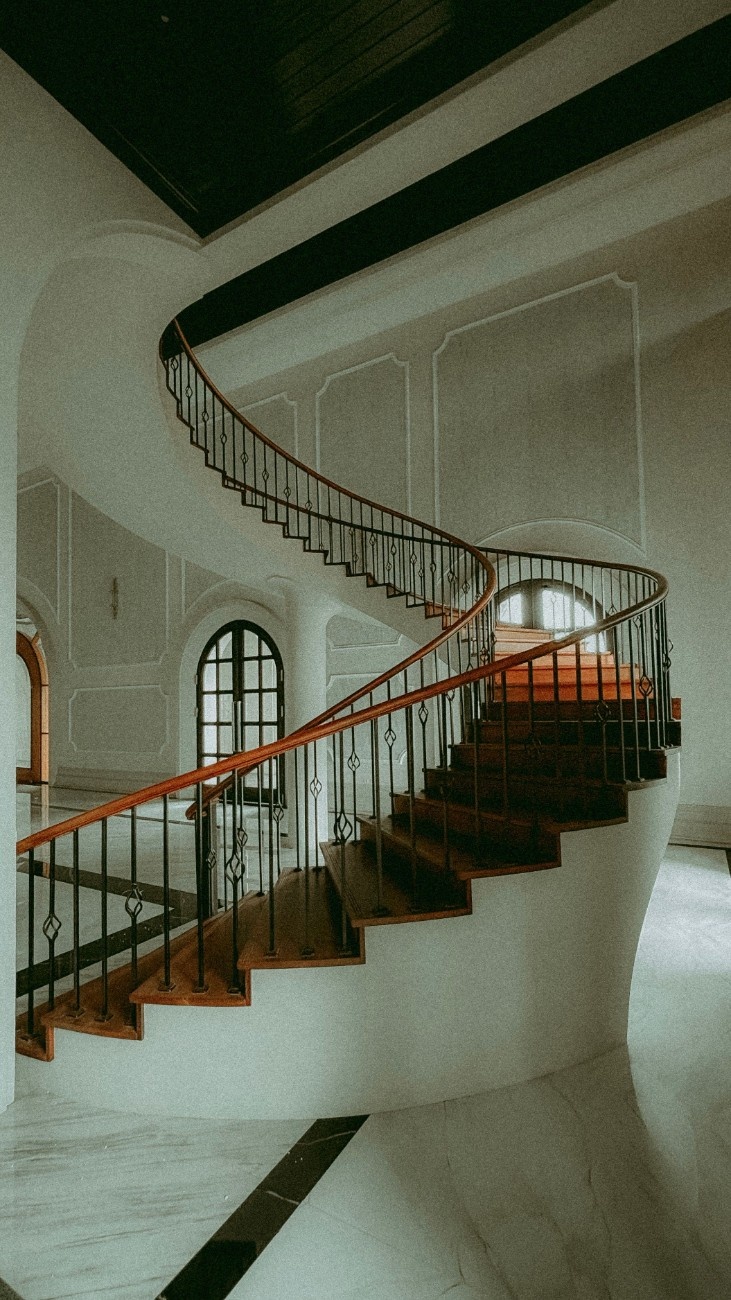
The personality of a spiral staircase is defined as much by its material as by its form. Natural stone conveys permanence and grandeur, recalling the monumental staircases of historic palaces and cathedrals. Timber introduces warmth, texture and craftsmanship, making contemporary homes feel inviting and intimate. Steel enables remarkably slender profiles that appear almost weightless, while cast concrete allows sculptural forms to emerge with extraordinary fluidity. Increasingly, architects combine multiple materials such as timber, glass and metal to create staircases that feel both timeless and unmistakably modern.
Also Read: The Branded Residence Every Zodiac Would Invest In
Light transforms staircase into sculpture
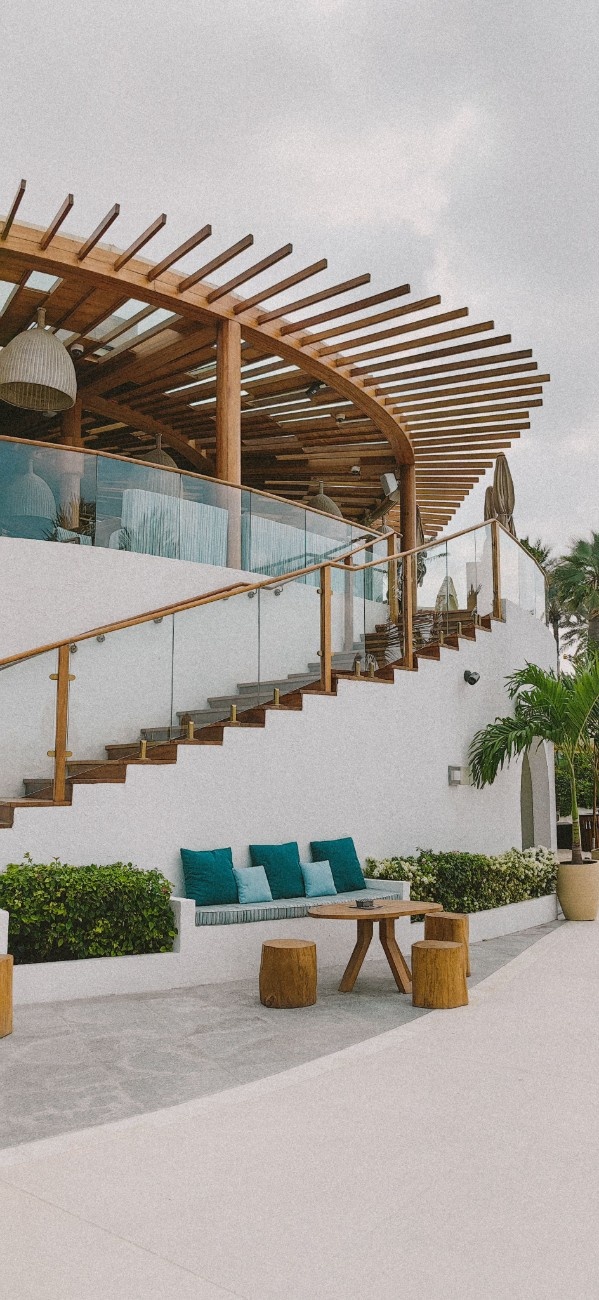
Natural light has an extraordinary relationship with spiral staircases. As sunlight filters through skylights, clerestory windows or glazed façades, shadows sweep across the rotating treads, constantly changing the perception of form throughout the day. The staircase becomes a kinetic sculpture, animated by light rather than ornamentation. At night, discreet architectural lighting further enhances its sculptural qualities, highlighting curves, handrails and structural details while creating an atmosphere of quiet drama that extends across the surrounding interior.
Why luxury homes continue to them
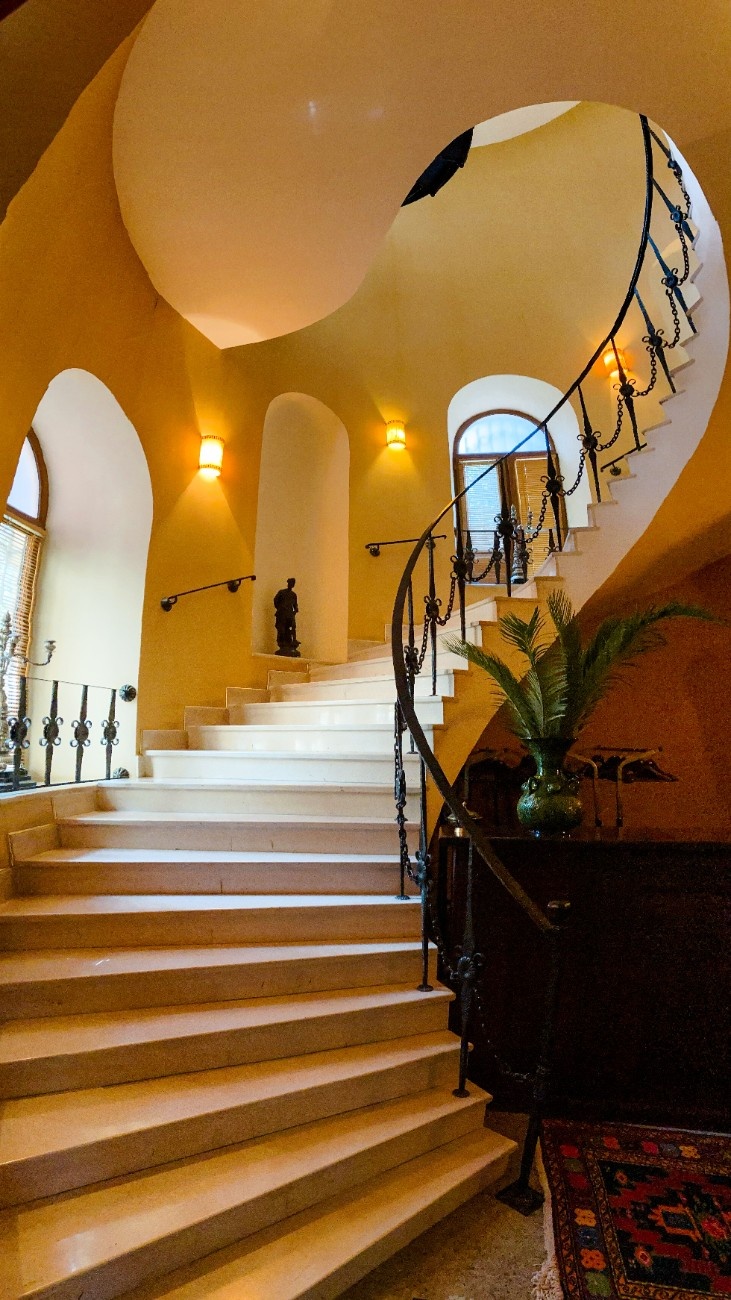
In today’s finest residences, spiral staircases rarely exist simply to connect floors. They establish the identity of the home itself. Positioned within double height atriums, grand entrance halls or open living spaces, they naturally become gathering points and visual anchors around which the architecture unfolds. Beyond their undeniable elegance, they maximise usable floor area while introducing movement and vertical continuity, qualities particularly valued in contemporary homes where openness and spatial flow are essential.
A timeless expression of architectural craftsmanship
Few architectural features have remained relevant across so many centuries while evolving so effortlessly with changing styles and technologies. The spiral staircase continues to demonstrate that great design is never defined solely by appearance, but by its ability to unite function, engineering and beauty into a single, enduring gesture. Whether found in a centuries old château or a minimalist contemporary villa, it reminds us that architecture is experienced not only through the spaces we inhabit, but through the graceful journeys that connect them.