Met Gala 2026: Ananya Birla Wears Indian Utensils As Armour In Her Quirky Headgear Look
Conceptualised by artist Subodh Gupta in collaboration with Wun, the stainless steel and acrylic mask/ headpiece reimagined traditional Indian utensils like rolling board, tongs, ladle and bowls into avant-garde forms
By now, the Met Gala has evolved far beyond the act of dressing up. In 2026, with the theme Costume Art and the dress code Fashion Is Art, attendees were urged to treat clothing as a medium of storytelling. And debutants often have the pressure of making their mark on their first red carpet apperance itself, to stay remembered.
Well, Ananya Birla’s Met Gala 2026 debut was less of pressure and more about standing out for clarity with a look that had Indian utensils morphed as a face mask in a creative way to tell the ‘India story’ on global stage.
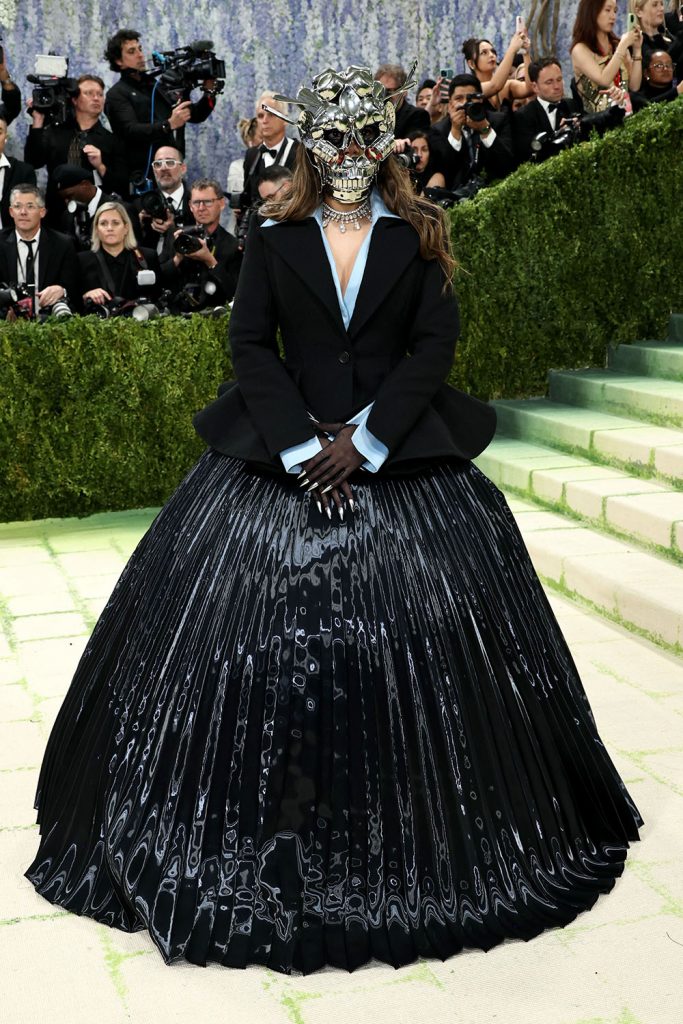
Birla wearing custom couture by Robert Wun, stepped out in a sharply tailored blazer crafted from a silk-wool-cotton blend. Cinched at the waist and finished with a flared peplum, the structure evoked a sense of modern armour. This was paired with a pleated gunmetal glass organza ballroom skirt that brought movement and a liquid metallic sheen. It created a striking contrast between rigidity and flow.
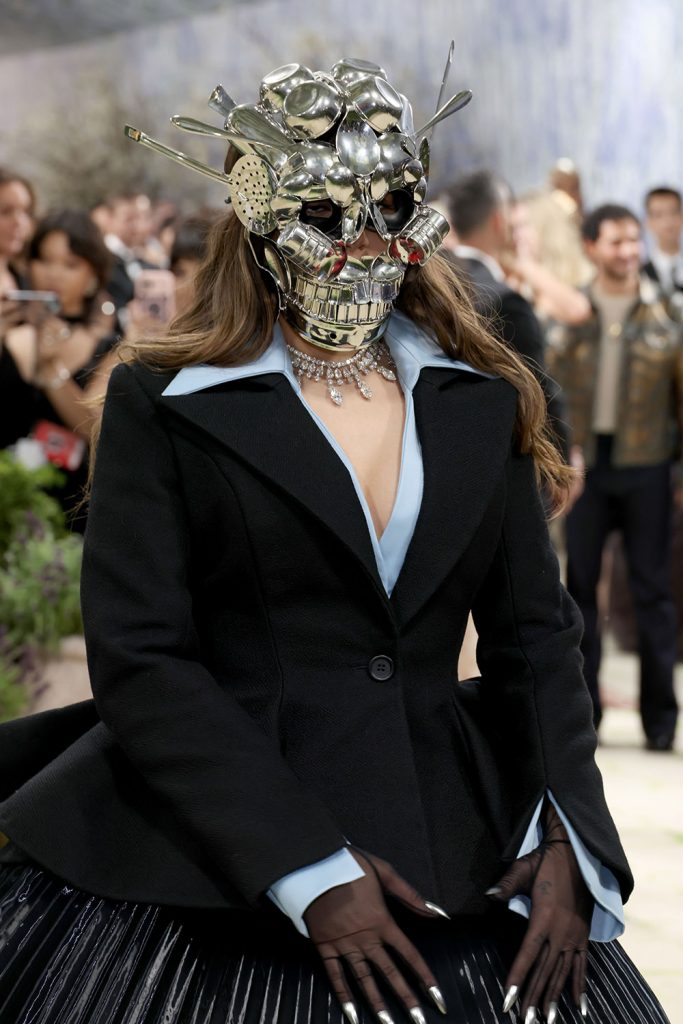
However, the eye-catching element of the ensemble was the headpiece. Conceptualised by artist Subodh Gupta in collaboration with Wun, the stainless steel and acrylic mask reimagined traditional Indian utensils like rolling board, tongs, ladle and bowls into an avant-garde sculptural form. Gupta, known for transforming everyday domestic objects into globally recognised art, translated that vocabulary into couture here. Familiar utensils that once symbolised utility in Indian kitchens were reconfigured as armour, in an ode to Indian heritage.
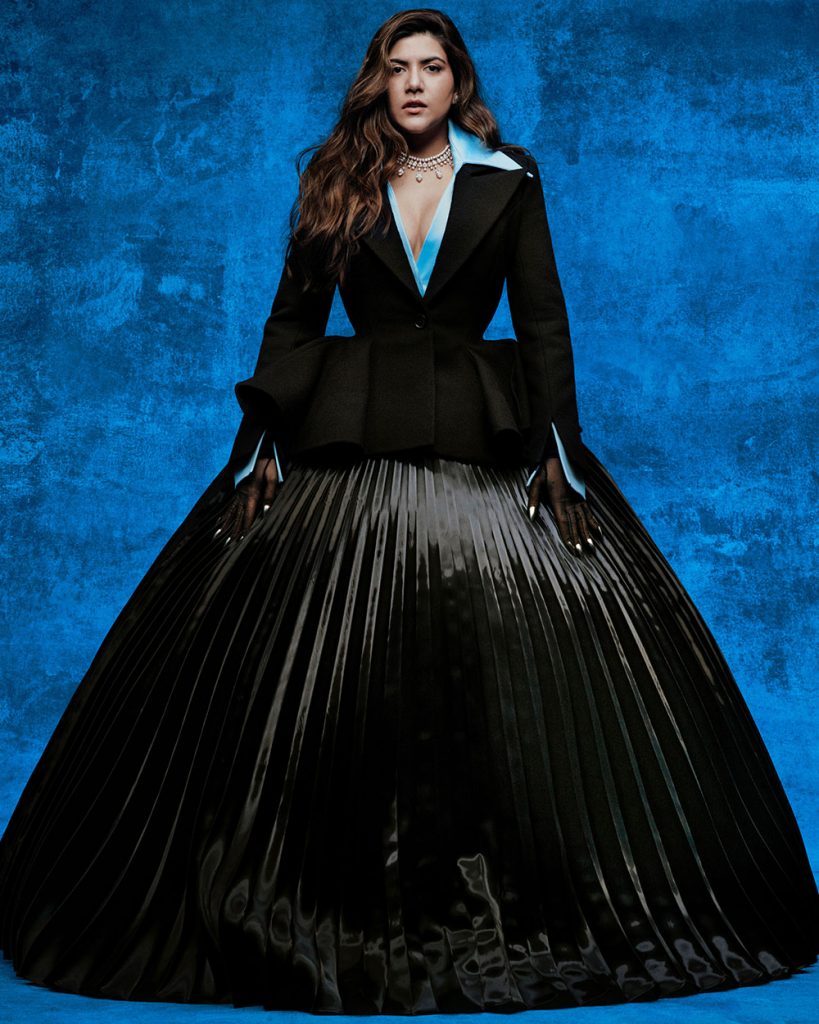
Styled by Rhea Kapoor, the look maintained restraint despite its conceptual scale. Birla chose to wear her own jewellery, allowing the silhouette and mask to command attention. Makeup by Loveleen Ramchandani remained luminous yet understated, while hair by Marissa Marino added sleek polish. Captured through the lens of Rafael Pavarotti, every detail translated with striking clarity, cementing the debut as memorable.
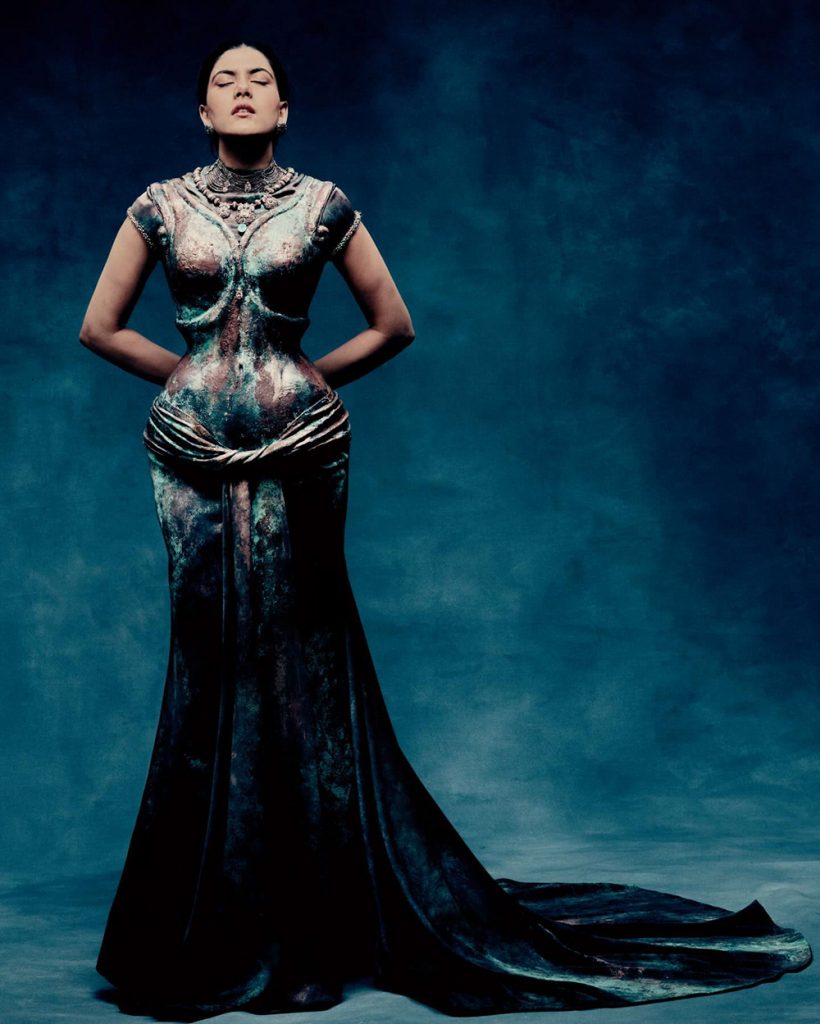
For someone straddling music and entrepreneurship, Ananya Birla didn’t arrive to make an appearance; she put out a strong case for the India narrative, especially with her headpiece.
Her appearance also coincided with a significant moment for Indian representation on the global stage that saw Isha Ambani, Karan Johar, Natasha Poonawalla, Sudha Reddy and Manish Malhotra, amongst others at the 2026 red carpet. Each highlighted India not as a peripheral presence but as a driving force in the evening’s creative discourse.