Expert Speak: Why Retinol Is The Secret To Glow, Renewal And Skin Repair
Beauty trends may change, but retinol is likely to remain a constant in evidence-based skincare due to its effective role in skin renewal and repair. Here are its miraculous benefits, usage, and application
Retinol has long been a part of dermatological treatments and was initially used to treat acne due to its ability to unclog pores and regulate oil production. However, over time, its additional benefits became more evident such as better skin texture and reduction in early signs of ageing, which led to its transition into mainstream skincare. Retinol is a derivative of vitamin A that works by increasing skin cell turnover. It helps remove dead skin cells, basically exfoliation and promotes the growth of newer, healthier cells. At the same time, it supports collagen production, which improves skin firmness and reduces the appearance of fine lines over time.

This dual action improves overall skin tone and texture, enhances radiance and reduces fine lines and wrinkles, as well as rejuvenates a more youthful and stronger skin tone. Furthermore, retinol is one of the essentials of pore refinement and oil production regulation, which is especially effective in people with acne, congestion, or uneven skin texture.
When To Use Retinol?
Now that retinol has proven to be one of the most effective ingredients in skincare, its results depend largely on how it is used. It does not work better with overuse or higher strength. In our practice, we focus on introducing retinol gradually as part of a consistent skincare routine. For most people, it can be started in the mid to late twenties, when collagen levels begin to decline. However, those dealing with acne or pigmentation may benefit from starting earlier with the right guidance. The goal is to build tolerance slowly so that the skin adjusts comfortably and delivers better, long-term results.
How To Apply Retinol?
In the case of beginners, it is necessary to start very carefully and gradually to achieve the best possible results without the danger of irritation or any other side effects. The pea-sized amount is enough to cover the whole face and should be applied at night on dry and clean skin. To begin with, two to three applications per week are recommended, and then increase slowly as the skin becomes used to it over time.
Using a moisturiser will aid in supporting the skin barrier and reduce drying or flaking. Regular use of a broad-spectrum sunscreen during the day is also necessary, as retinol increases photosensitivity and makes the skin more prone to sun damage.
How to Pick
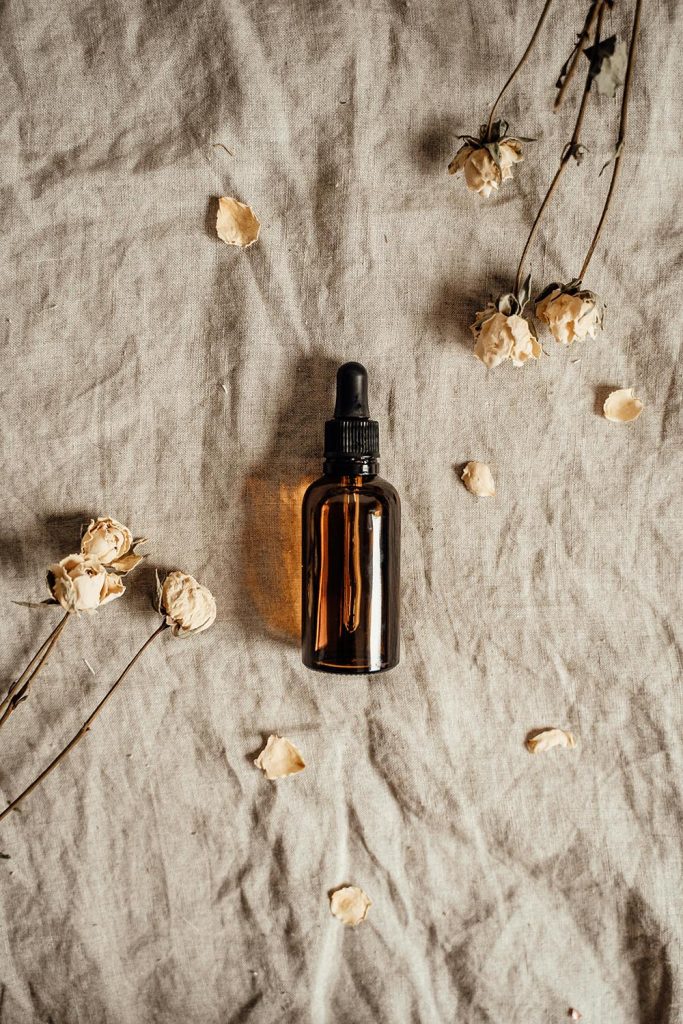
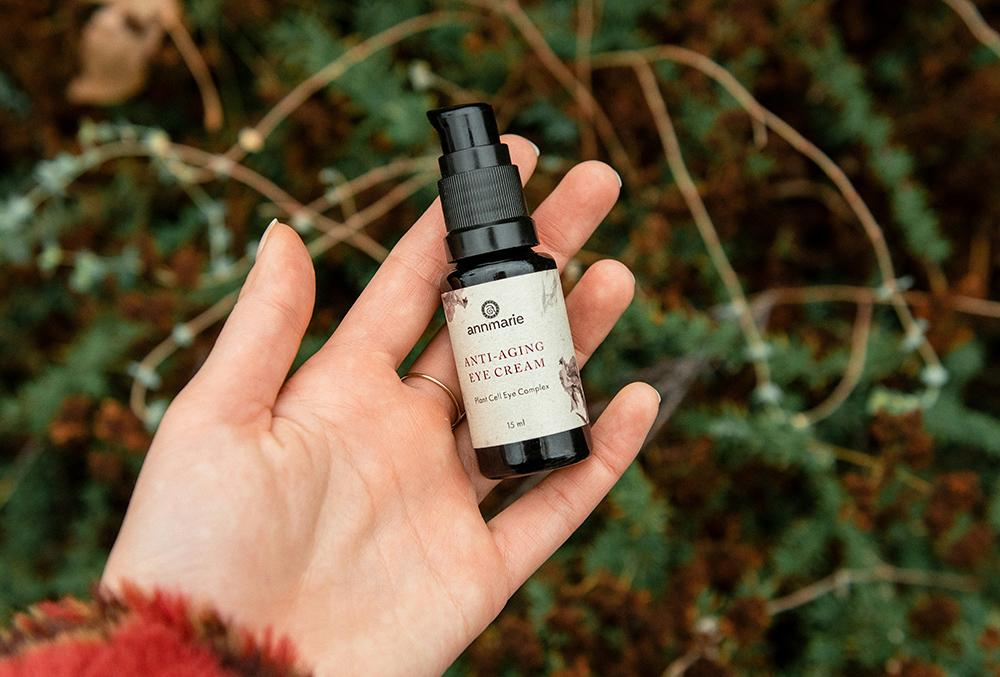
Choosing the right retinol product is just as important as how you use it. For beginners, starting with a lower concentration, such as 0.25 per cent or 0.5 per cent is usually more comfortable for the skin. Products that are designed to release retinol slowly tend to be gentler and reduce the chances of irritation. It is also worth paying attention to packaging. Retinol can break down when exposed to light and air, so products in airtight and opaque containers are more reliable. Keeping the routine simple in the beginning helps the skin respond better.
Benefits of retinol
It is normal for the skin to go through a short adjustment phase when starting retinol. Mild dryness, redness or slight peeling can happen in the first few weeks. This is temporary and typically settles as the skin builds tolerance. If irritation becomes excessive, reducing frequency or pausing use can help. Retinol should not be used on already irritated or damaged skin, and it is usually avoided during pregnancy.

It is also necessary to understand that results take time. Retinol does not work overnight, but with regular use, the skin gradually becomes clearer and more even.
Benefits of Retinol
As the skin builds tolerance to retinol, combining it with compatible ingredients can improve both comfort and results. Hydrating agents such as hyaluronic acid help maintain moisture, while ceramides and niacinamide support the skin barrier and reduce irritation. Peptides work well with retinol too, as they support skin repair and improve overall skin quality. At the same time, it is advisable to avoid combining retinol with strong exfoliating acids like AHAs and BHAs, or actives such as benzoyl peroxide, especially during the initial phase, as this may increase sensitivity. Keeping the routine simple and balanced usually gives better results than layering too many actives together.
Retinol’s journey from a prescription treatment to a widely accepted skincare ingredient reflects the strength of the science behind it. As formulations continue to evolve, there is a clear shift towards making it more accessible, more stable and easier to tolerate across different skin types. Future innovations are expected to focus on targeted delivery and personalised skincare, allowing more precise and consistent results.
Dr Bindu Sthalekar is a Mumbai-based Celebrity Dermatologist, Cosmetologist, and Trichologist with over three decades of experience. She is the Founder and Medical Director of Skin Smart Solutions.