Ralph Lauren’s Rs 44,800 Bandhani Skirt Sparks Row: Is the Brand Ignoring India’s Craft Legacy?
Ralph Lauren is once again in the centre of controversy. After showcasing “Indian jhumkas” as “vintage earrings,” the brand is now facing criticism over a “Bandhani-inspired” skirt
Ralph Lauren is facing backlash again, and this time, it’s over something Indians have been calling out for years. The latest uproar involves the American fashion brand selling a Bandhani-inspired skirt for Rs 44,800 on their site.
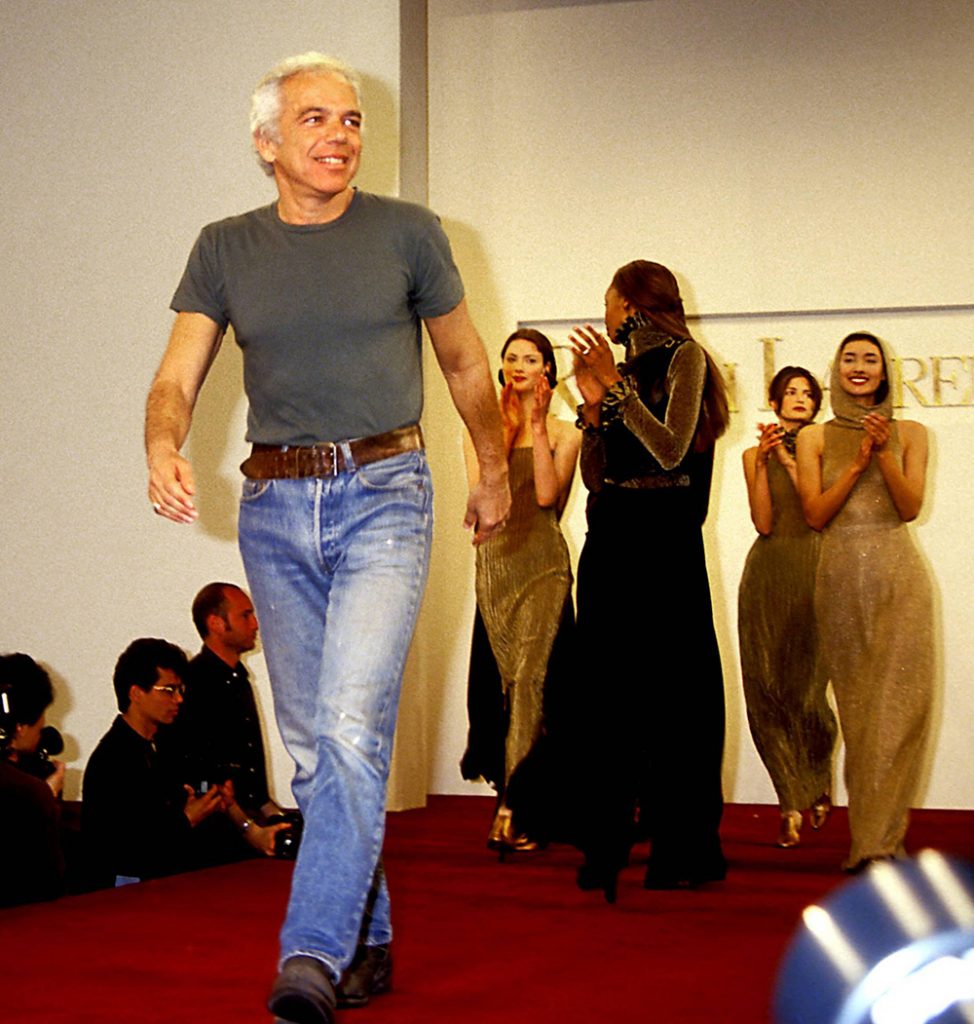
At this point, it’s hard not to ask: Why, Ralph, why? And why does it feel like these brands never really take the criticism on board?
Ralph Lauren’s Rs 44,800 Bandhani Skirt
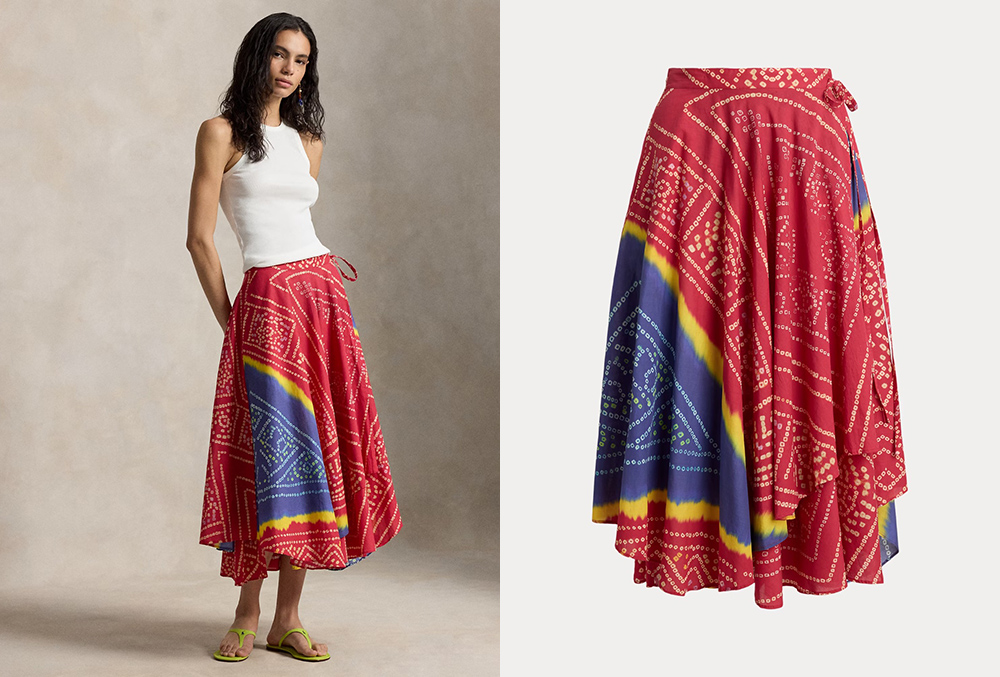
The skirt, listed on the Ralph Lauren website, is described as a cotton wrap piece with a print “inspired by traditional Bandhani tie-dye techniques.” It’s designed with a tied waist, an asymmetrical hem, and practical details like side pockets and an inner button closure.
On the official website, this is how the product is described: ‘This beautifully draped cotton skirt is printed with a vibrant design inspired by traditional Bandhini tie-dye techniques and motifs. Its true wrap silhouette features a tied waist and a cascading angled hem for effortless movement with every step.’
Also Read: Discover India’s Textile Legacy: 6 Books You Shouldn’t Miss
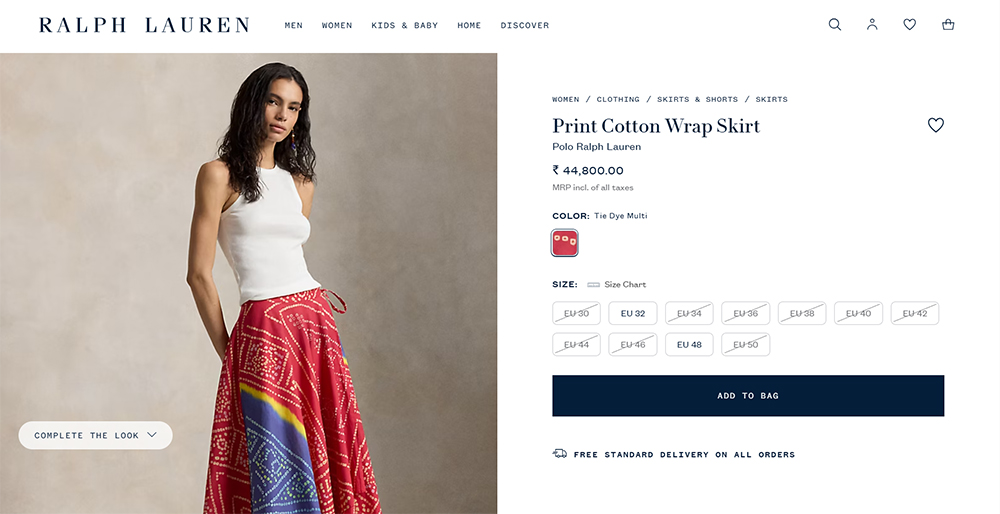
On paper, it sounds fine. But the sticking point is this: it isn’t actual Bandhani – it’s just a printed version of it, sold at a luxury price.
That distinction is exactly what sparked outrage online. Digital creator Radha Patel called out the brand, questioning why the design wasn’t credited to India and pointing out that printing a Bandhani pattern is not the same as creating one using the traditional method.
View this post on Instagram
And honestly, this isn’t new. We’ve seen similar situations play out before, whether it was Prada and its Kolhapuri-style sandals, or Dior being criticised over a Mukaish garment that initially lacked proper acknowledgment. Even Ralph Lauren has previously showcased the Indian jhumka as generic “vintage earrings”. The pattern is hard to ignore.
The issue isn’t that designers draw inspiration from different cultures. Fashion has always done that. The problem is what happens next. When something clearly rooted in a specific culture is stripped of its context and sold without giving credit where it’s due.
And with something like Bandhani, that context matters.
The History Of Bandhani
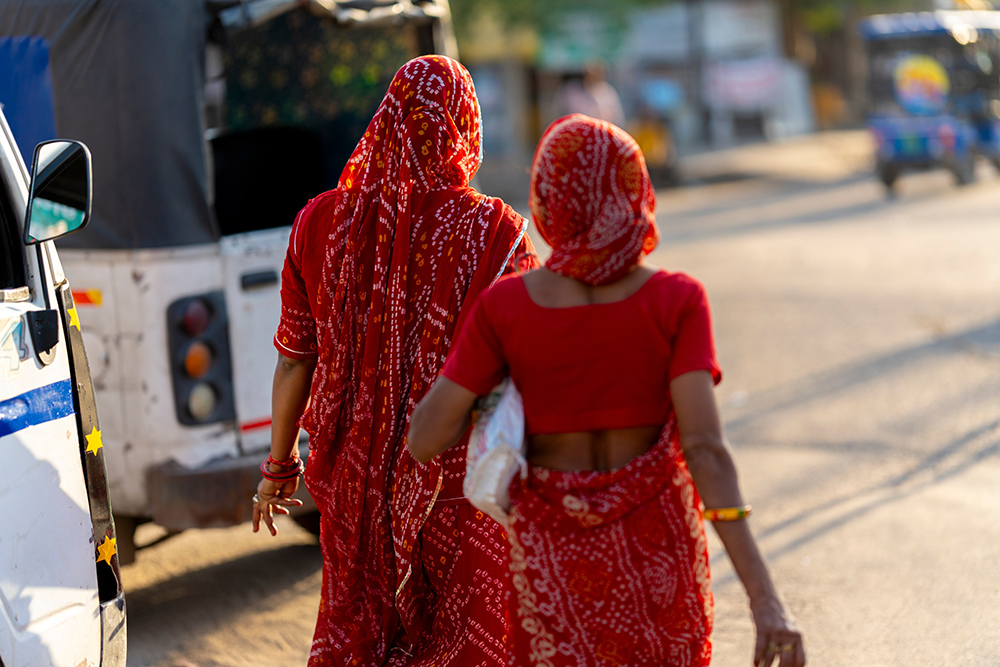
Bandhani isn’t just a visual style, it’s a centuries-old craft. The word comes from the Sanskrit verbal root bandh, meaning “to tie,” and bandhan (“tying”), which is exactly what artisans do. The technique dates back to the Indus Valley Civilization, with early traces even seen in paintings at the Ajanta Caves.
How Bandhani Is Made
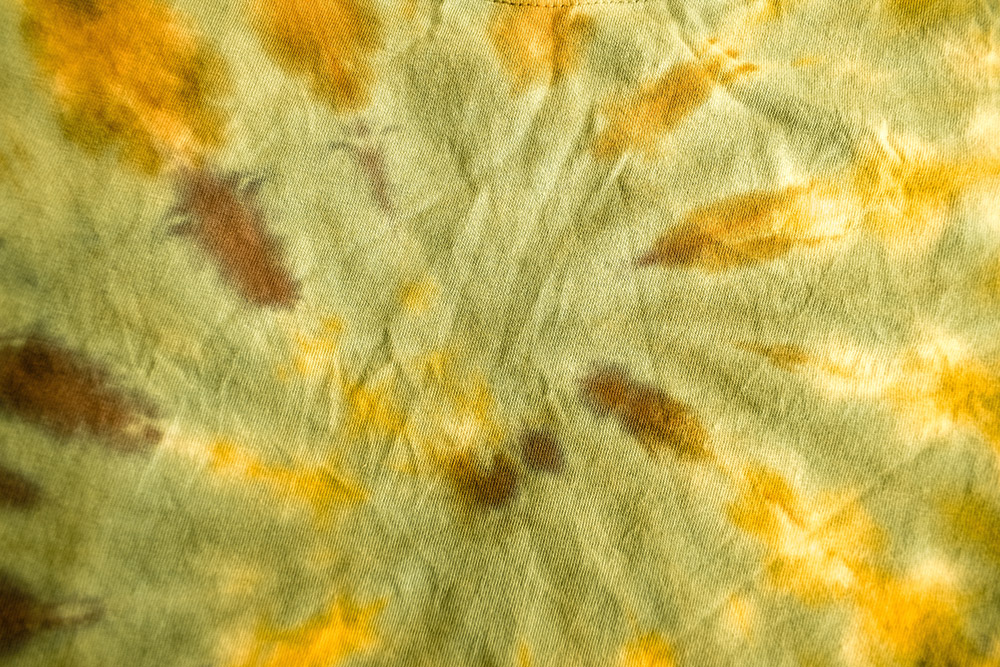
The process itself is painstaking. Fabric, usually cotton or silk, is first prepared and marked. Then artisans hand-tie thousands of tiny knots across the cloth. Each knot resists dye, which is what creates those signature dotted patterns. The fabric is dyed in stages, often moving from lighter to darker shades, before the threads are finally removed to reveal the design.
No two pieces ever turn out exactly the same. That’s the beauty of it. Which is why a printed version, however polished, doesn’t really capture what Bandhani is about. It’s not just a look – it’s labour, history, and identity woven together.
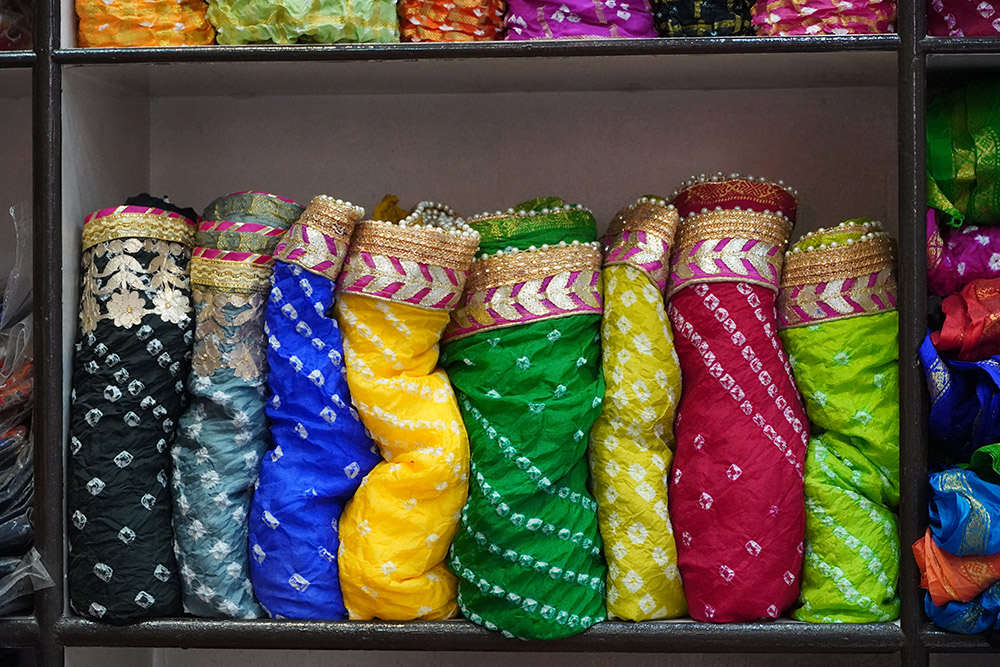
So when global brands borrow from traditions like this, the least they can do is acknowledge where it comes from. That’s not a big ask, it’s just basic respect. Agreed?
Also Read: Luxury Brands Are Betting Big On India—From Prada Kolhapuris To Louis Vuitton’s Autorickshaw