Bentleys To Basras: The Collector’s Chronicles
The Collector’s Chronicles: Meet collectors who are on a constant quest to acquire and preserve rare gems, vintage cars, archival cameras and classic weaves
When I was younger my grandmother had a sandook, or a trunk. It was my version of a treasure chest. She kept it like one. It only used to come down from the attic, once every year, like clockwork. The door of her room used to get locked and I was left to wonder, in my humble home, what is this treasure that is kept hidden?
Many years down the line, I finally convinced her to let me have a look. It was my grandmother’s version of a collector’s chronicle. Old photos from the 70s and 80s that we used to get developed because the instant gratification of a phone camera did not exist, some sarees she received as a young bride, some jewellery that she kept keeping away for a rainy day. But more than anything else, it was memories. Decades worth of them, locked away in a humble sandook.
As Indians, I feel, we learn to preserve our heritage and culture from a young age. It is almost a part of our DNA. And what better way of preservation than collecting, restoring and giving a new lease of life to things that most feel are old and discarded.
Diljeet Titus: The Art Of Restoring Mechanical Legacies
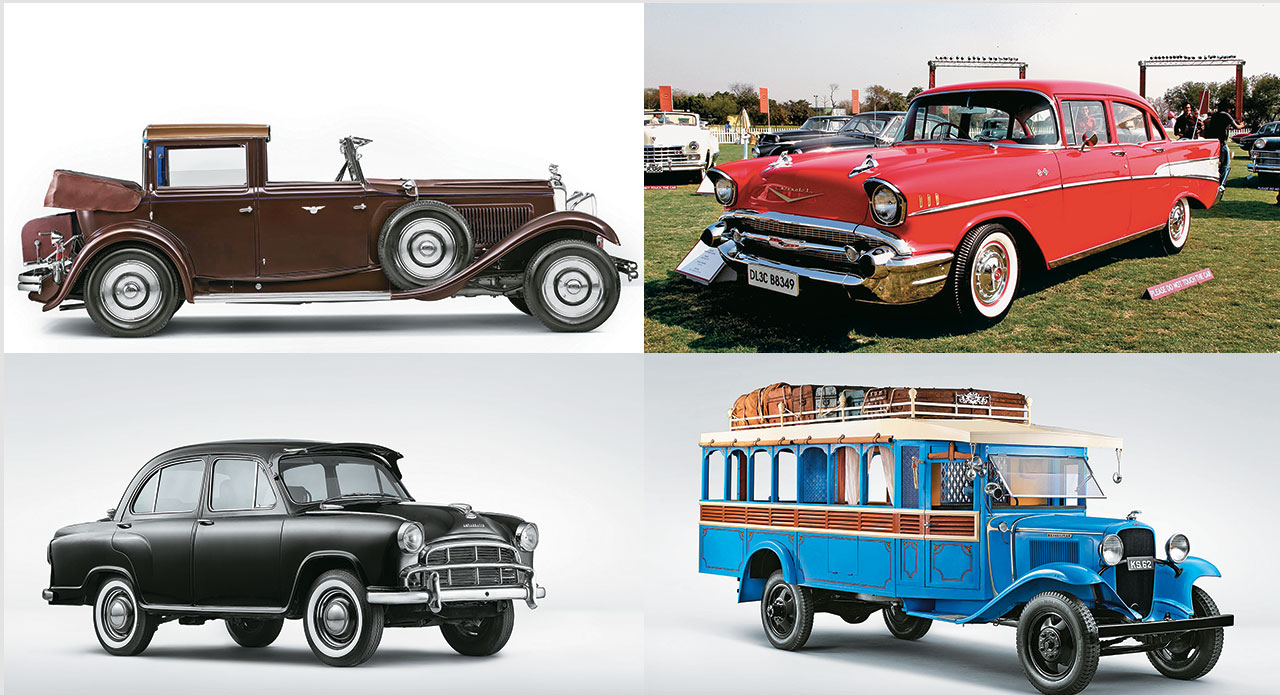
For Diljeet Titus, the Founder of Titus Museum of Transportation and Collectibles, one of the largest private museums with rare vintage cars and other automobiles, the love for cars started early . “I began driving my grandfather’s 1966 Fiat 1100D inside his compound in Allahabad when I was 11 years old. Since I could not drive on the roads, I spent the next 7 years cleaning our cars at home and standing around workshops whenever our cars were sent for servicing or repairs. But I soon developed an interest beyond Ambassadors and Fiats… Classic cars like Packards, Cadillacs, Buick, Rolls Royce, Bentley and Jaguar were more appealing because they stood out from the crowd.”
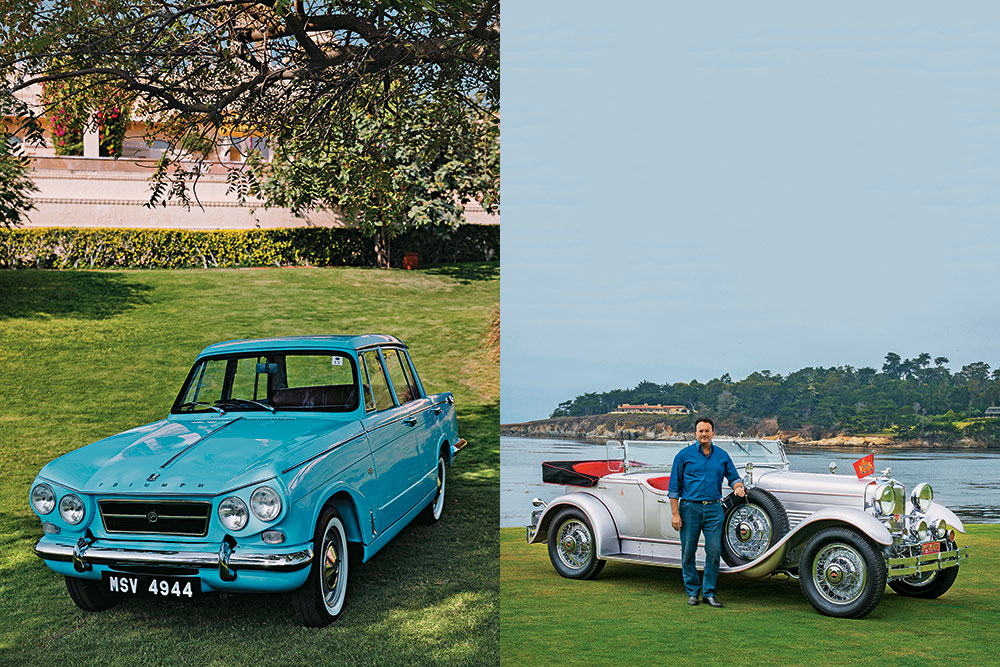
He also narrates a whimsical anecdote, “…as a boy of 5 years, I planted little toy cars in our garden, in the hope that they would yield trees full of cars! Probably that dream never left me. I started collecting cars in 1999 and in 2003 set up The Titus Museum. I now own 75 classics including the historic 1933 Minerva Type AL, 1929 Bugatti, 1932 Auburn V12, 1930 Stutz amongst several great marques…”
When asked about his restoration process, Titus elaborates, “I start with thorough research to understand how the car left the factory, then prioritize preserving original materials and components whenever possible rather than automatically replacing them. The goal is to repair and refinish instead of over-restore, maintaining period-correct details, finishes, and even subtle imperfections that reflect its era. In the end, the aim is to honour the vehicle’s history and craftsmanship.”
I was curious about what he views his collection as; a museum, an archive or a living experience. He answers eloquently, “I consider my collection a living experience because it evolves rather than remains static. While it honours preservation and documentation, it is ultimately shaped by continuous growth, reinterpretation, and engagement. It reflects an active relationship with history, creativity, and personal meaning…”
Gaurang Shah: Weaving Heritage
In India, textiles have long existed at the intersection of craft, culture and identity. Yet for Gaurang Shah, they represent something even deeper: living archives of memory. “I never believe in altering the soul of a weave,” he explains. In his approach, the foundational elements of the textile — the hand-spun yarn, the intricate jamdani inlay technique and the traditional grammar of the weave — remain intact. Instead, the reinterpretation happens through subtle shifts in design language. For Shah, handloom textiles already belong in the realm of collectible art. Beyond their beauty, they embody history, craftsmanship and cultural memory. “Handlooms already belong in museums,” he says.
When created with intention and respect for tradition, a handwoven textile transcends fashion cycles and enters a space of permanence. This philosophy led him to establish India’s first Living Textile Museum — the Gaurang Museum in Hyderabad, a space dedicated to preserving and celebrating the country’s extraordinary weaving traditions.
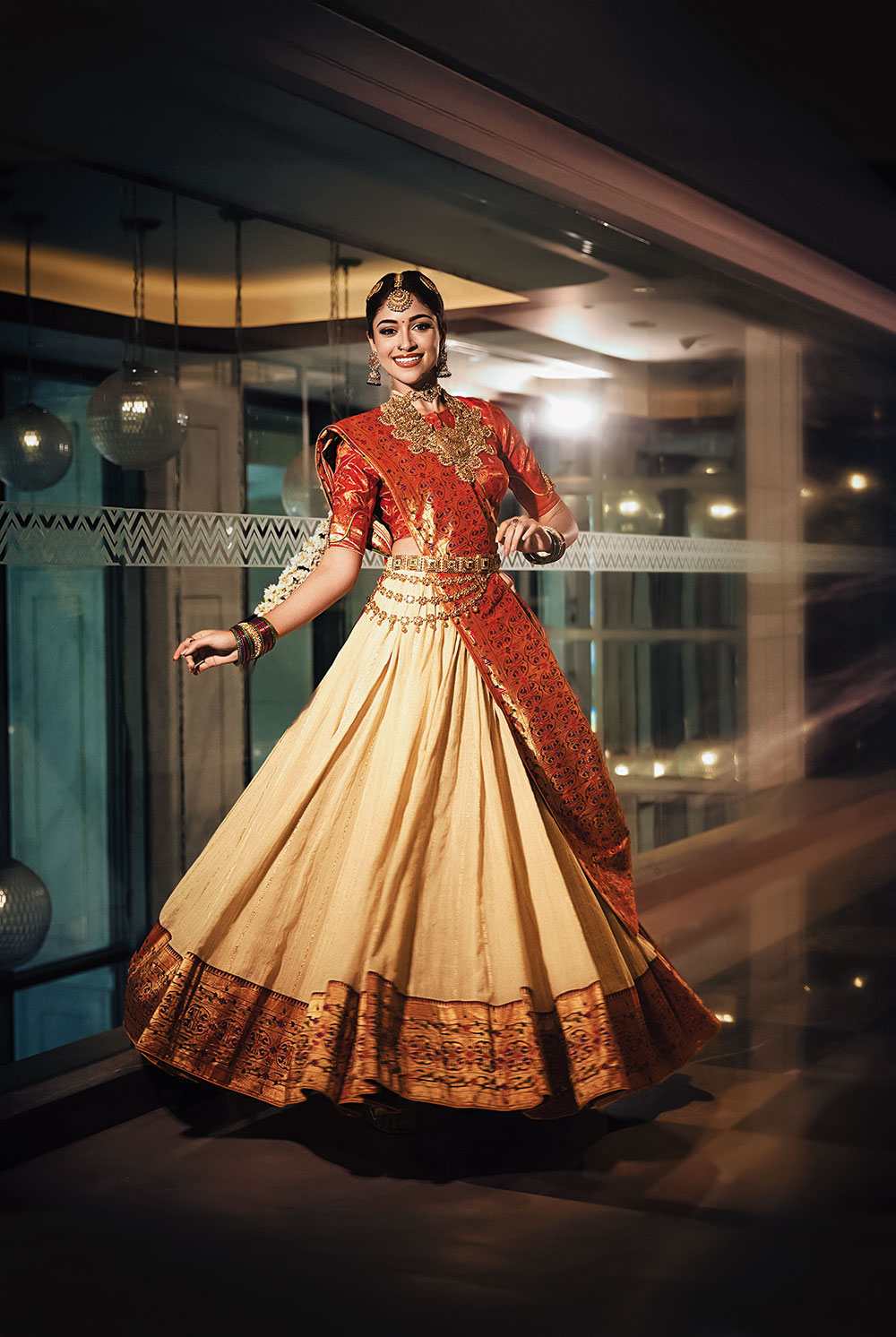
Asked about his process of working with artisans to preserve the authenticity while modernising design, he adds, “My relationship with artisans is like warp and weft, interdependent. I spend time at the loom, understanding their rhythm before suggesting any change. We innovate within the technique, not outside it. The integrity of the weave comes first; design evolves organically from dialogue, not instruction.”
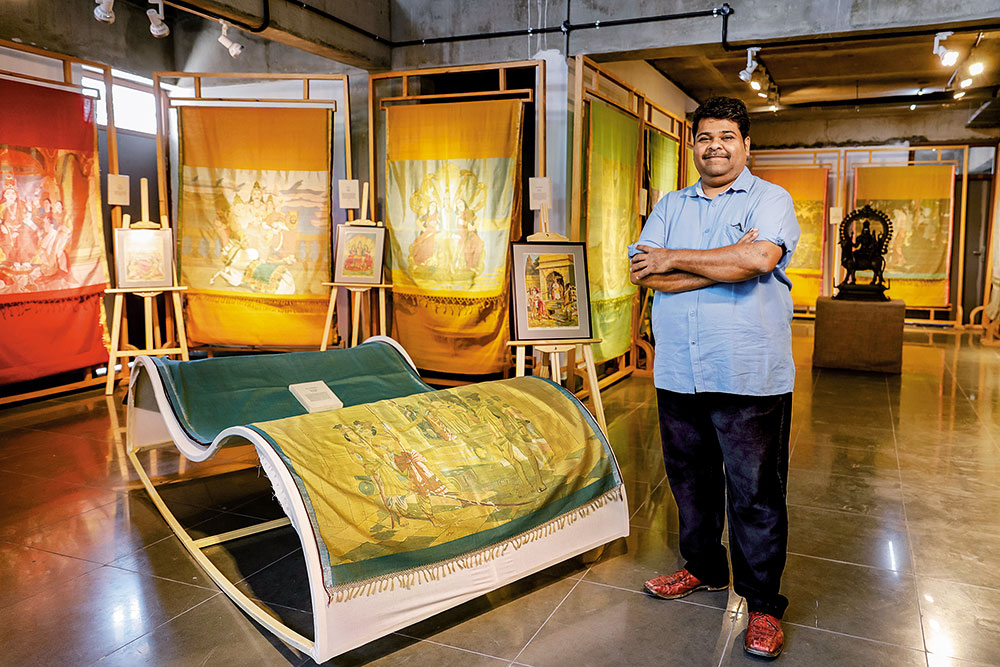
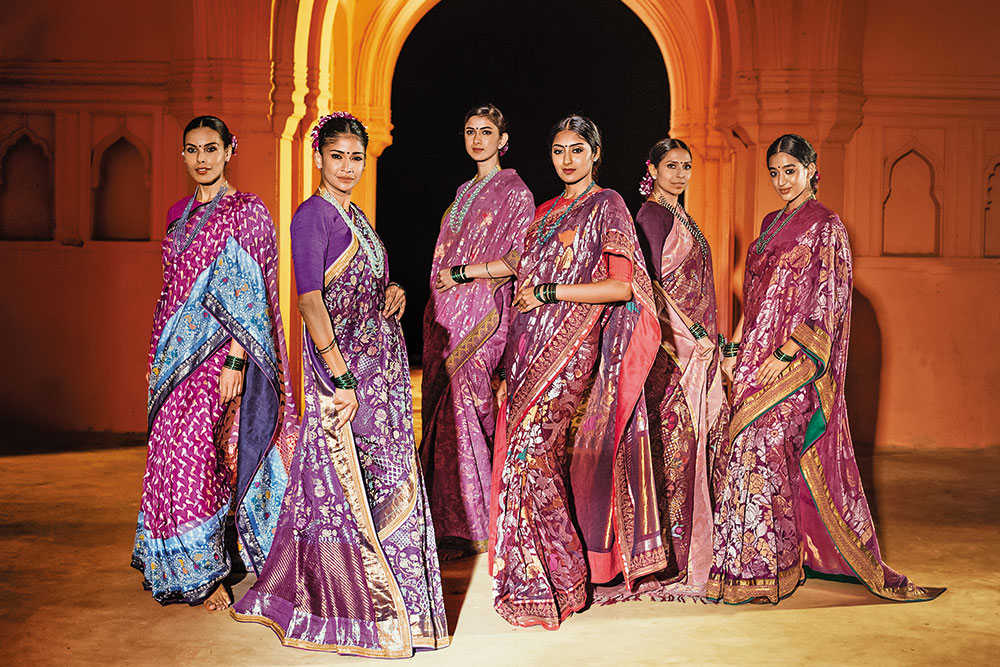
Looking ahead, Shah believes archival textiles will play a crucial role in shaping the future of luxury couture. In an era seeking authenticity, heritage techniques offer something machines cannot replicate: depth, craftsmanship and cultural memory. For him, the past is not merely nostalgic—it is the foundation upon which new stories in luxury fashion will continue to be woven.
Aditya Arya: Archiving India’s Visual Memory
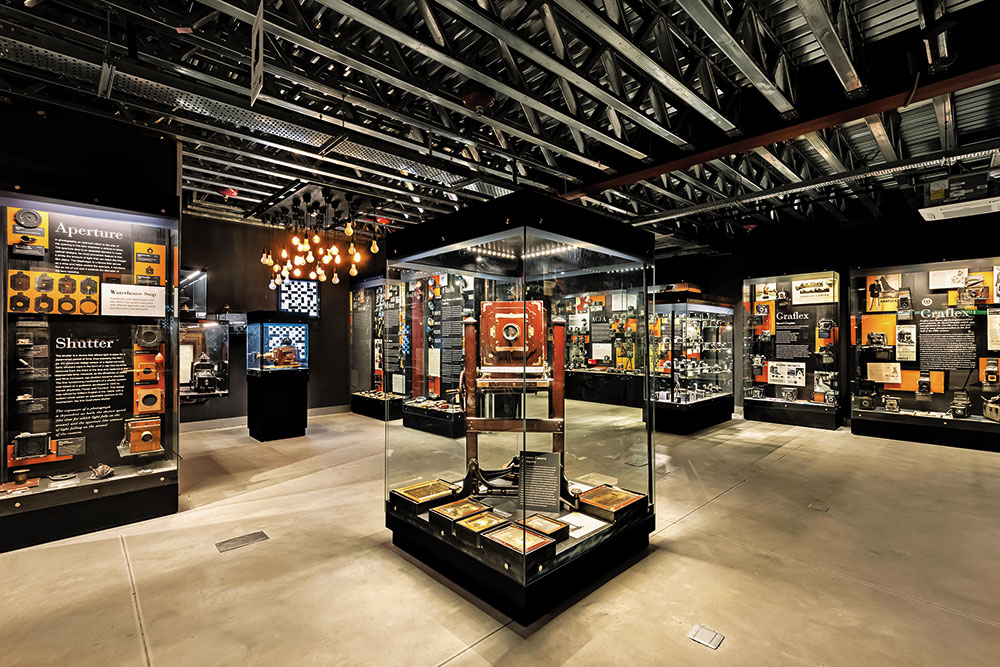
For Aditya Arya, Founder, Museo Camera, photography is more than an art form; it is a powerful repository of history. This belief led him to establish Museo Camera Centre for the Photographic Arts, a private initiative dedicated to preserving and presenting the evolution of photography in India. Today, the museum houses thousands of historic cameras and rare photographic ephemera dating back to the 1860s, offering visitors a remarkable journey through the technological and artistic development of the medium.
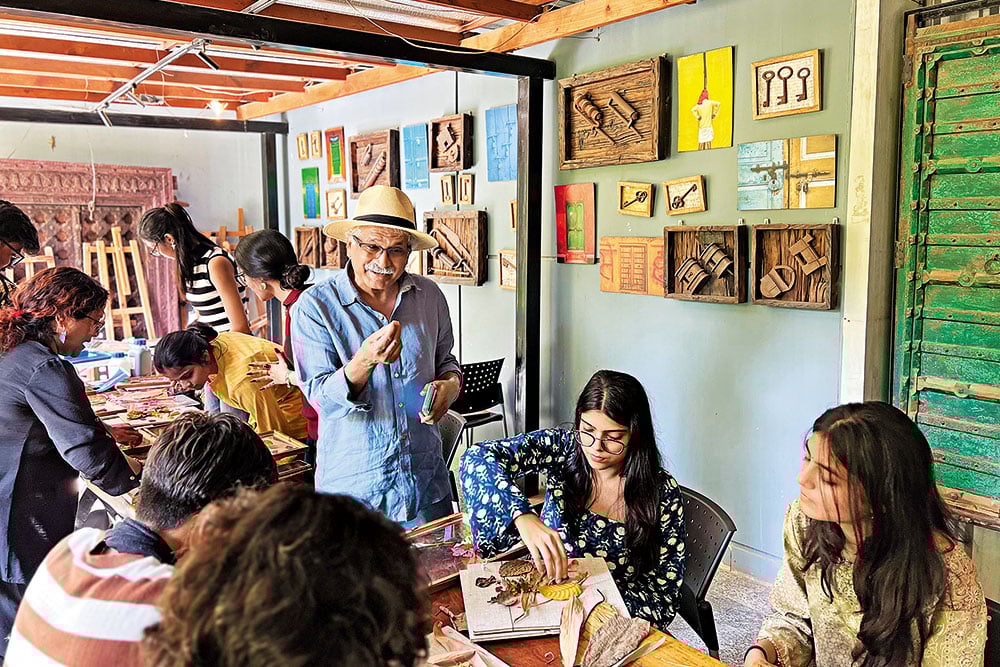
For Arya, making historical photography relevant to younger generations requires transforming it from something distant and archival into an immersive experience. At Museo Camera, this is achieved by allowing visitors to engage directly with the processes that once defined photography. Students are guided through what he describes as a “touch and feel” journey, an introduction to the slower, hands-on methods that shaped early photographic practice.
Through this interactive approach, Museo Camera bridges past and present, guiding visitors through photography’s evolution—from silver grains to pixels. In doing so, Arya ensures that the history of photography remains not just preserved, but actively experienced by new generations discovering the visual stories of the past.
Pratiksha Prashant: Legacy Of Timeless Jewellery
For centuries, jewellery has been passed down through generations, not merely as adornment, but as vessels of memory, heritage and legacy. Few houses embody this philosophy as elegantly as Kishandas & Co., a name synonymous with rare gemstones, historic jewels and the art of preserving India’s royal jewellery traditions while adapting them for the modern collector.
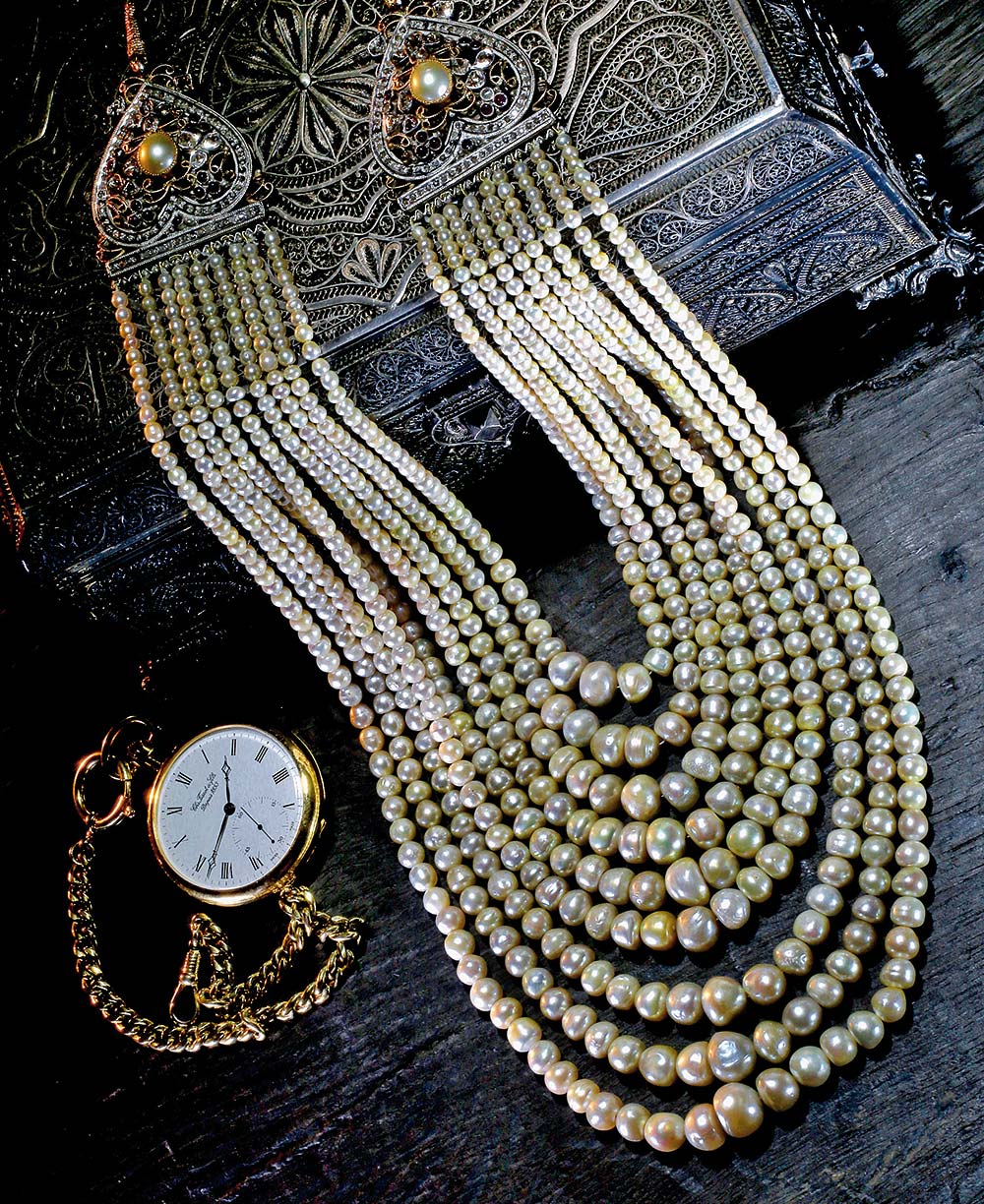
Among the treasures that define this legacy are the legendary Basra pearls. According to Pratiksha Prashant, these natural pearls sourced from the Persian Gulf have held a special place in royal collections for centuries. “Basra pearls hold immense cultural and historical significance in Indian jewellery heritage,” she explains. “Prized for their exceptional lustre, light weight and delicate creamy-pink hue, they were favoured by the Nizams and Maharajas and often featured in iconic heirloom pieces such as the Satlada necklace.” Today, their rarity and timeless elegance continue to make them among the most coveted elements of historic jewellery.
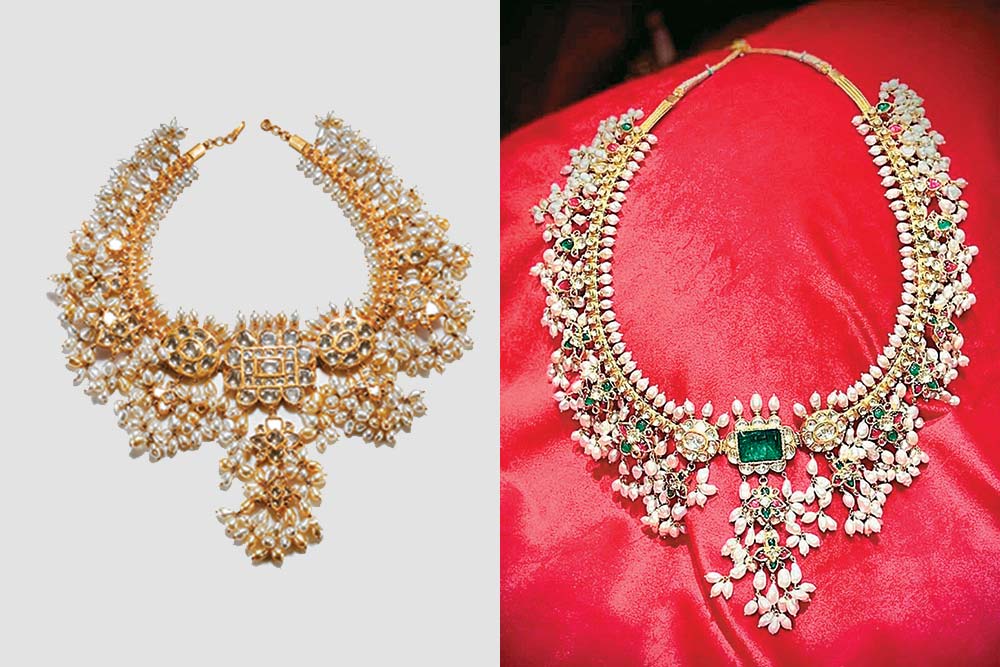
Interestingly, the way collectors approach heirloom jewellery is also evolving. Pratiksha elaborates that there is a growing shift among connoisseurs who no longer want historic jewels locked away in vaults. Instead, many collectors are choosing to reinvent and wear their heirlooms, allowing their stories to remain alive and relevant.
Working with jewels that may carry royal lineage adds another layer of emotional depth to the process. Kishandas reflects that legacy stones often hold stories of the families and eras they have passed through. Handling such pieces is both a privilege and a responsibility, she says, requiring a deep respect for the past while ensuring the jewel continues its journey into the future.
As appreciation for rarity and provenance grows, heritage jewellery is also emerging as a compelling form of investment luxury. Pratiksha observes that collectors increasingly value pieces with natural pearls, rare gemstones and historical significance not only for their beauty, but also for their enduring worth. In this sense, heritage jewellery transcends fashion—it becomes a timeless asset, one that carries both emotional resonance and lasting value as it passes from one generation to the next.
In the hands of collectors like the ones chronicled aboves, objects of the past transform into living archives, carrying history forward for generations yet to discover.