The Return of the Anarkali: Why the Regal Silhouette Is Having a Luxury Revival
Heritage craftsmanship, fluid silhouettes and modern couture are driving the Anarkali's revival in India's luxury fashion landscape
Once reserved largely for bridal trousseaus, the silhouette is increasingly finding a place in festive wardrobes, couture collections and celebrity dressing, where timeless craftsmanship takes precedence over fleeting trends.
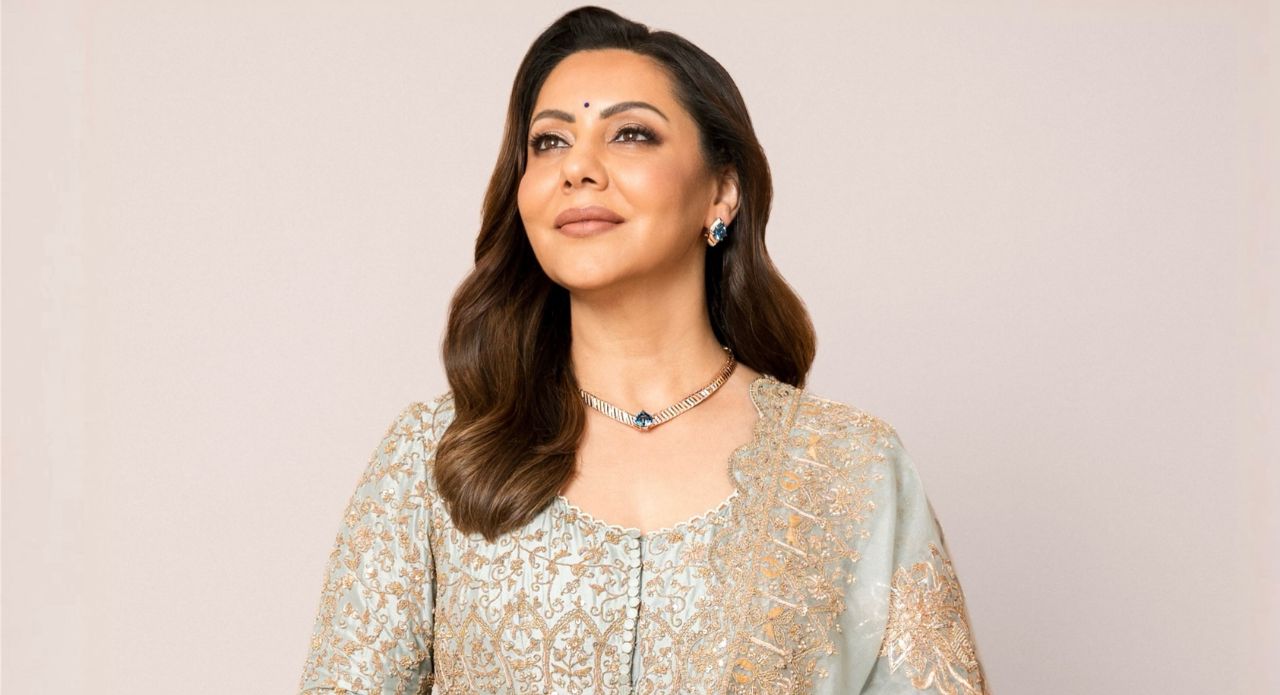
Gauri Khan recently wore a powder blue Anarkali set by Anamika Khanna coupling the look with jewels from Zoya on a social media platform. Anamika Khanna has captured classic elegance through this ensemble, integrating zardozi embroidery, hand worked golden threads developing floral and paisley motifs across the entire suit. The rich look creates a contrast between powder blue and light pastel colour.
Khan’s recent appearance is a reminder that some of India’s most enduring silhouettes never truly disappear, instead, they simply evolve.
A Tale of Romance
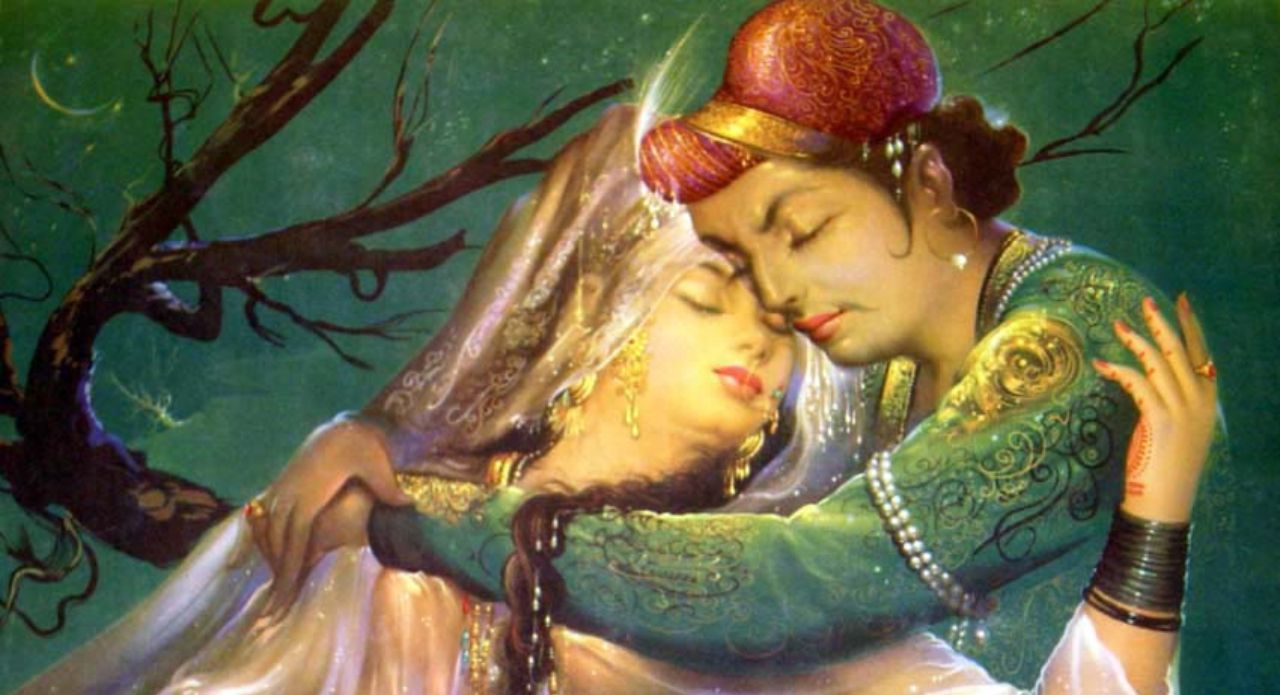
Steeped in the grand romance and tragic lore of the Mughal court, the Anarkali silhouette owes its name to the legendary 16th century courtesan whose unparalleled grace captivated Emperor Akbar’s court and stole the heart of Prince Salim.
Meaning “pomegranate blossom”, her moniker became synonymous with the fluid, panelled kurtas she famously wore, garments crafted from opulent silks, brocades and delicate chiffons designed to gracefully accentuate movement during court dances.
Also Read: Top Celebrity Looks Decoded From Manish Malhotra’s Pre-Diwali Party 2025
Though her forbidden love story with the prince was ultimately immortalised in myth and tragedy, the flowing, umbrella-frock silhouette she championed transcended time altogether, evolving from a symbol of royal opulence into an enduring tribute to historic romance that continues to drape modern women in a sense of regal nostalgia.
The Anarkali’s Revival
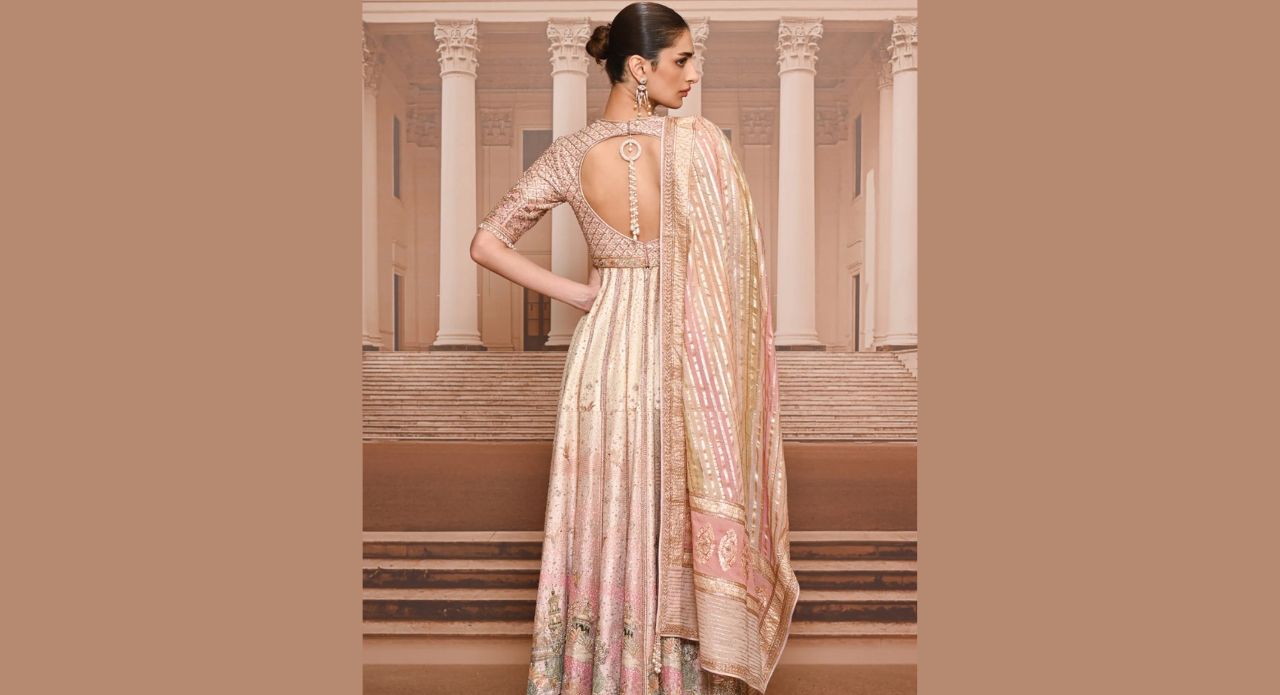
The renewed interest in the Anarkali is driven by a broader shift in Indian luxury fashion. Designers are moving away from garments that feel costume-like in favour of pieces that combine comfort, fluidity and longevity.
Veteran couturier Tarun Tahiliani has often spoken about refining silhouettes instead of chasing novelty, arguing that thoughtful design and enduring craftsmanship outlast seasonal trends. Similarly, Anamika Khanna continues to champion fluid, wearable couture that celebrates Indian karigari while embracing contemporary ease. Together, these approaches have made the Anarkali relevant to a generation seeking investment-worthy occasion wear.
Also Read: Why Vintage Couture Is Becoming Luxury’s New Status Symbol in India
The silhouette also provides an expansive canvas for India’s textile traditions. Zardozi embroidery lends sculptural richness through metallic threadwork, while chikankari introduces delicate, hand-embroidered textures ideal for daytime celebrations. Mukaish work, characterised by tiny metallic inserts hand-embedded into fabric, creates subtle luminosity without overwhelming the garment. Gota patti, with its appliqued ribbons of gold and silver, continues to lend festive brilliance rooted in Rajasthan’s artisanal heritage. Combined with flowing panels and contemporary tailoring, these crafts transform the Anarkali into an heirloom-worthy statement.
Designers Leading The Revival
Anamika Khanna
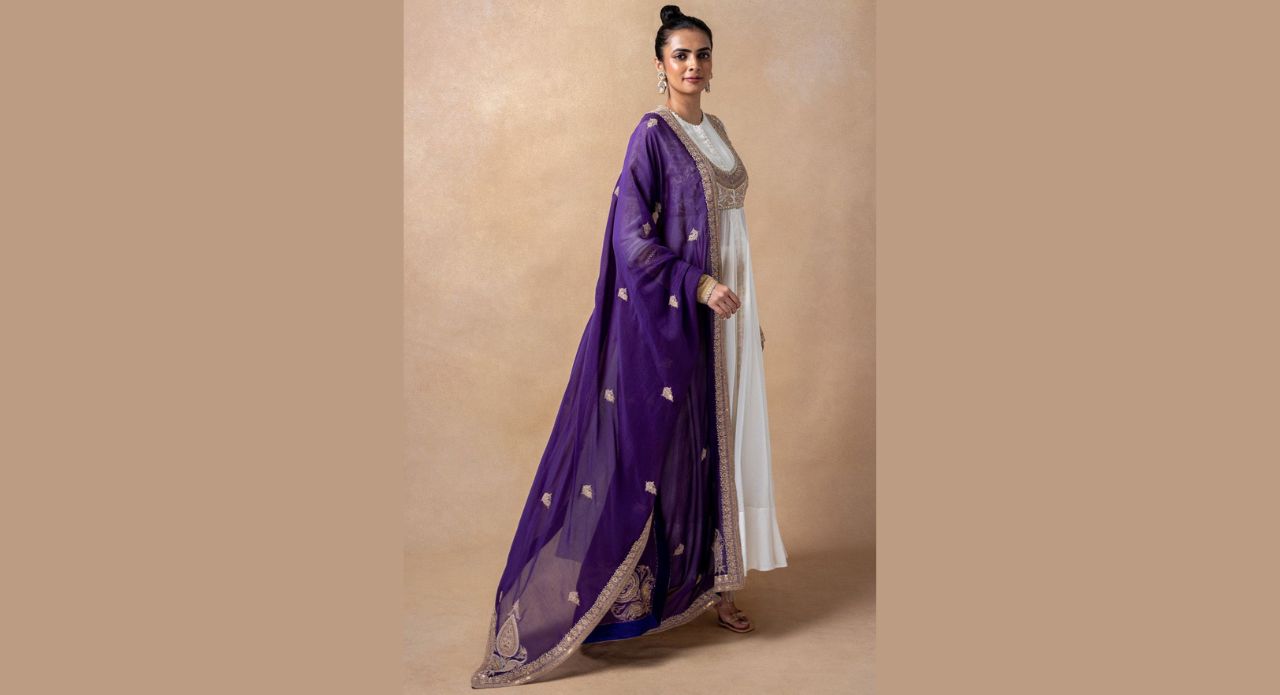
Beyond the custom powder blue set worn by Khan, Khanna’s broader work showcases her mastery over heritage textiles. For instance, her Ivory Embellished Anarkali Set, emphasises an intricately designed, regal palla paired with a traditional churidar. The result is understated couture that feels both regal and refreshingly contemporary.
Tarun Tahiliani
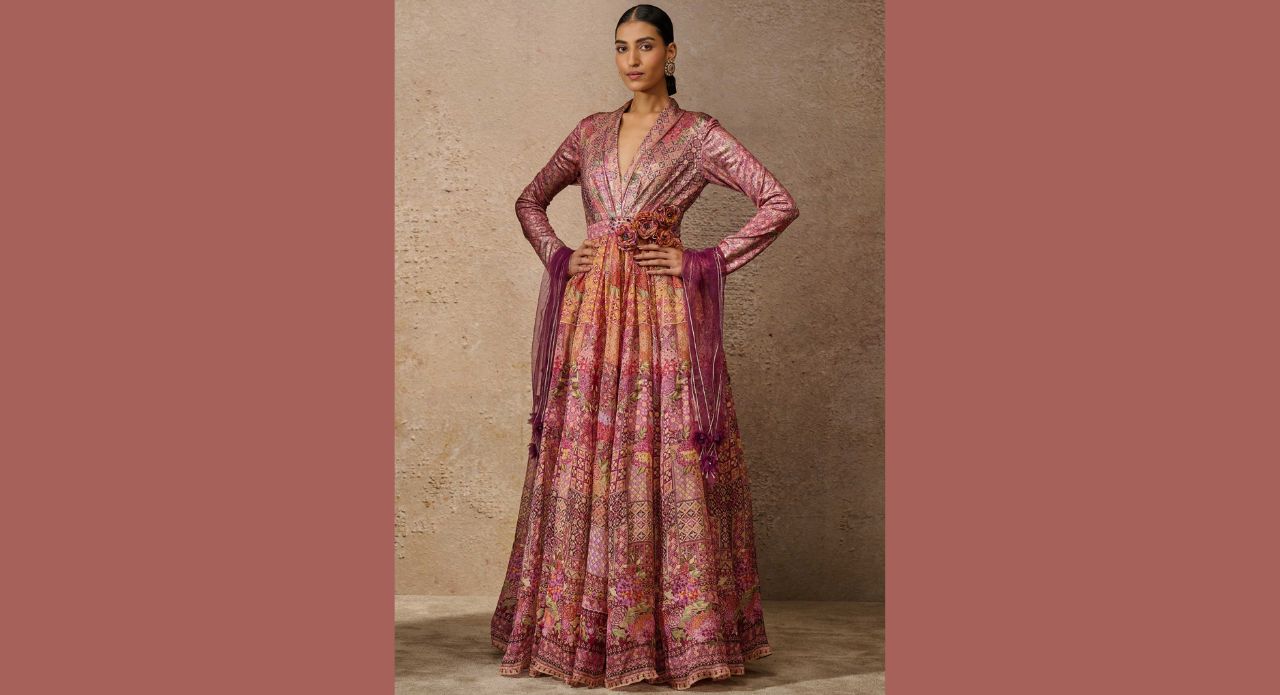
Known for marrying structured drapes with Indian craftsmanship, Tahiliani’s contemporary Anarkalis feature corseted bodices, weightless layering and finely embroidered panels. They retain the grandeur of couture while prioritising movement, comfort and versatility for today’s luxury dresser.
Jayanti Reddy
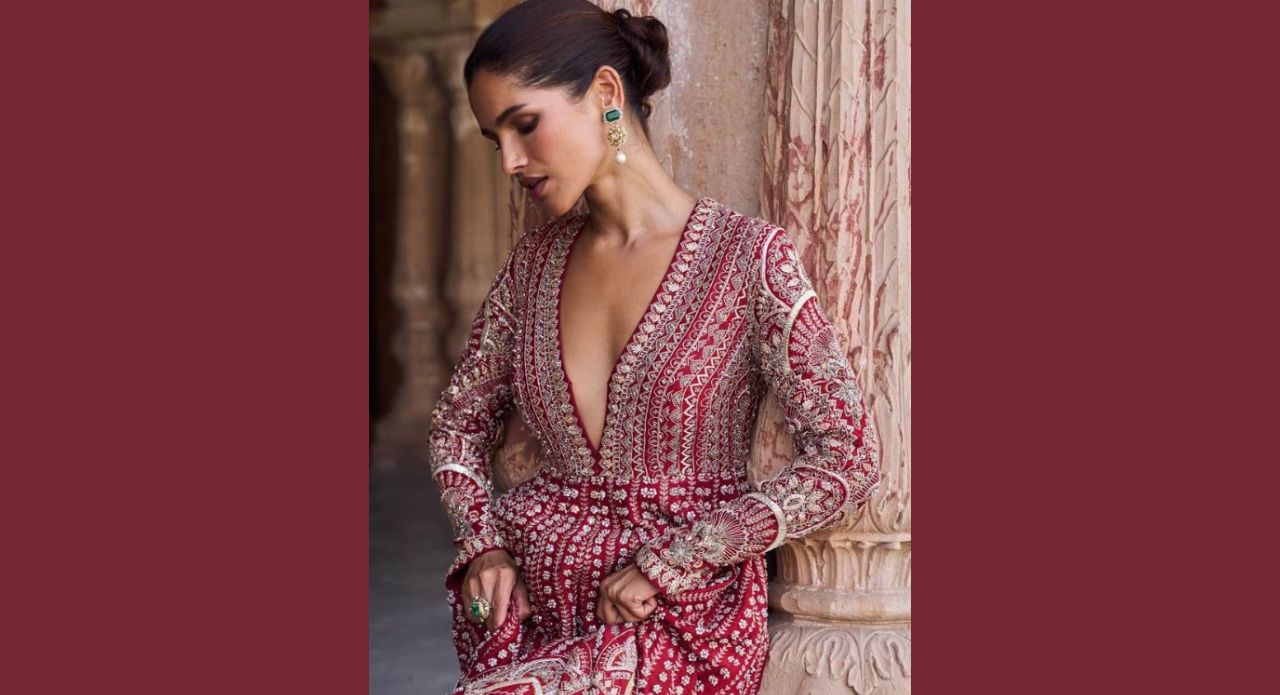
Jayanti Reddy’s silk Anarkalis often celebrate Hyderabad’s royal aesthetic through handwoven textiles, antique zardozi and heritage-inspired motifs. Rich jewel tones, intricate borders and graceful flares create timeless occasionwear that honours traditional craftsmanship without appearing overly ornate.
Ridhi Mehra
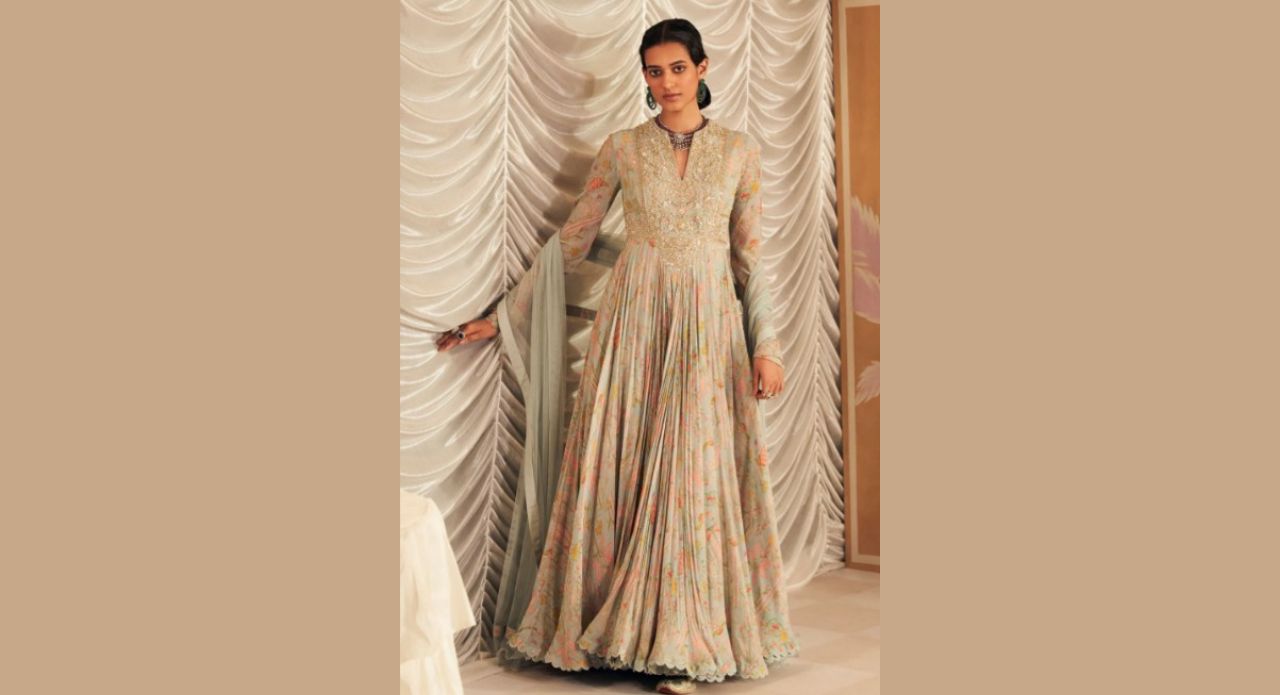
Ridhi Mehra reinterprets the Anarkali with lighter constructions, contemporary cuts and floral embroidery. Layered with organza capes, embellished belts or embroidered dupattas, her creations appeal to younger consumers looking for effortless glamour across weddings and festive celebrations.
Torani
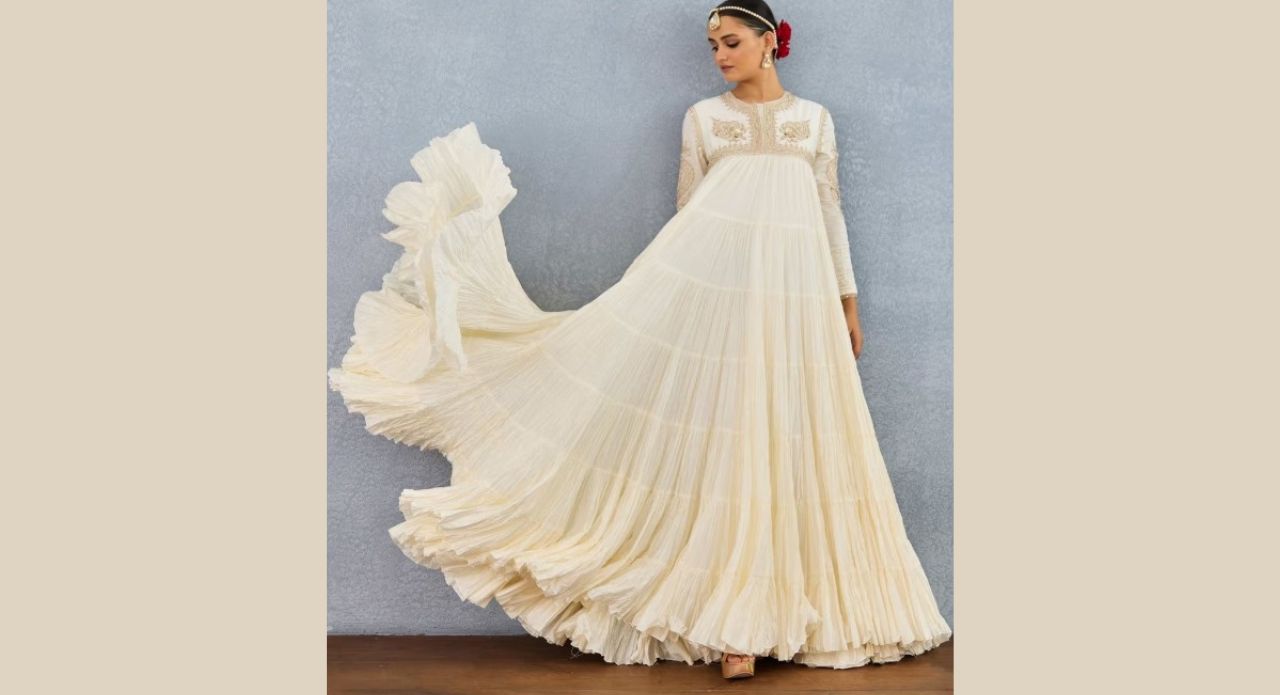
Torani’s Anarkalis are rooted in storytelling, drawing inspiration from Indian folklore and heirloom textiles. Handcrafted embroideries, vintage colour palettes and artisanal detailing create garments that feel deeply nostalgic while remaining relevant for modern celebrations.
The Anarkali’s renewed appeal lies in its ability to balance elegance with practicality. It offers the grandeur expected of Indian celebrations while allowing greater ease of movement than heavily structured lehengas. For today’s luxury consumer, who increasingly values craftsmanship, versatility and timeless design over one-time trends, the Anarkali represents an investment in heritage that can be worn across weddings, festive gatherings and milestone occasions for years to come.