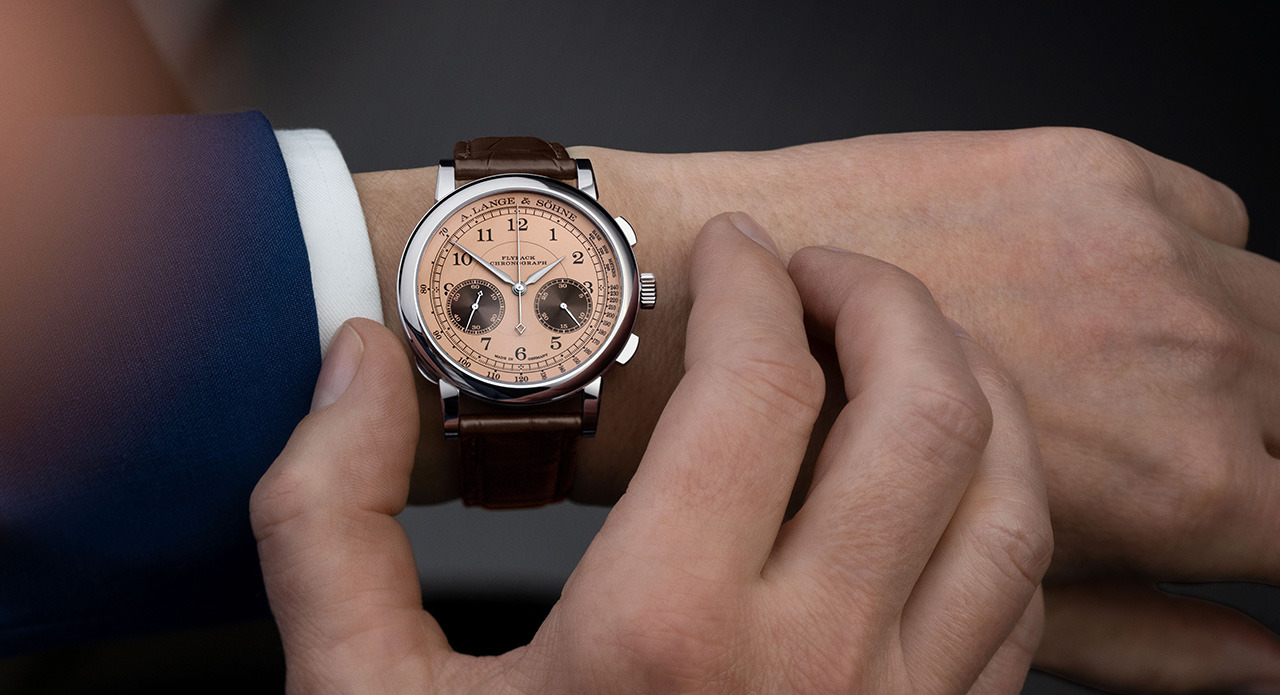


Swiss watchmaking may dominate the conversation, but across the border in Glashütte, one German manufacture has quietly rewritten many of horology’s most important chapters. Since its revival in 1994, A. Lange & Söhne has become synonymous with uncompromising precision, movement architecture and engineering solutions that are as practical as they are beautiful. Rather than chasing novelty for its own sake, every innovation introduced by the Saxon manufacture has served a genuine purpose, improving legibility, durability or mechanical performance while remaining unmistakably elegant. These are five inventions and innovations that continue to define A. Lange & Söhne’s remarkable contribution to modern haute horlogerie.
The Outsize Date That Redefined Legibility
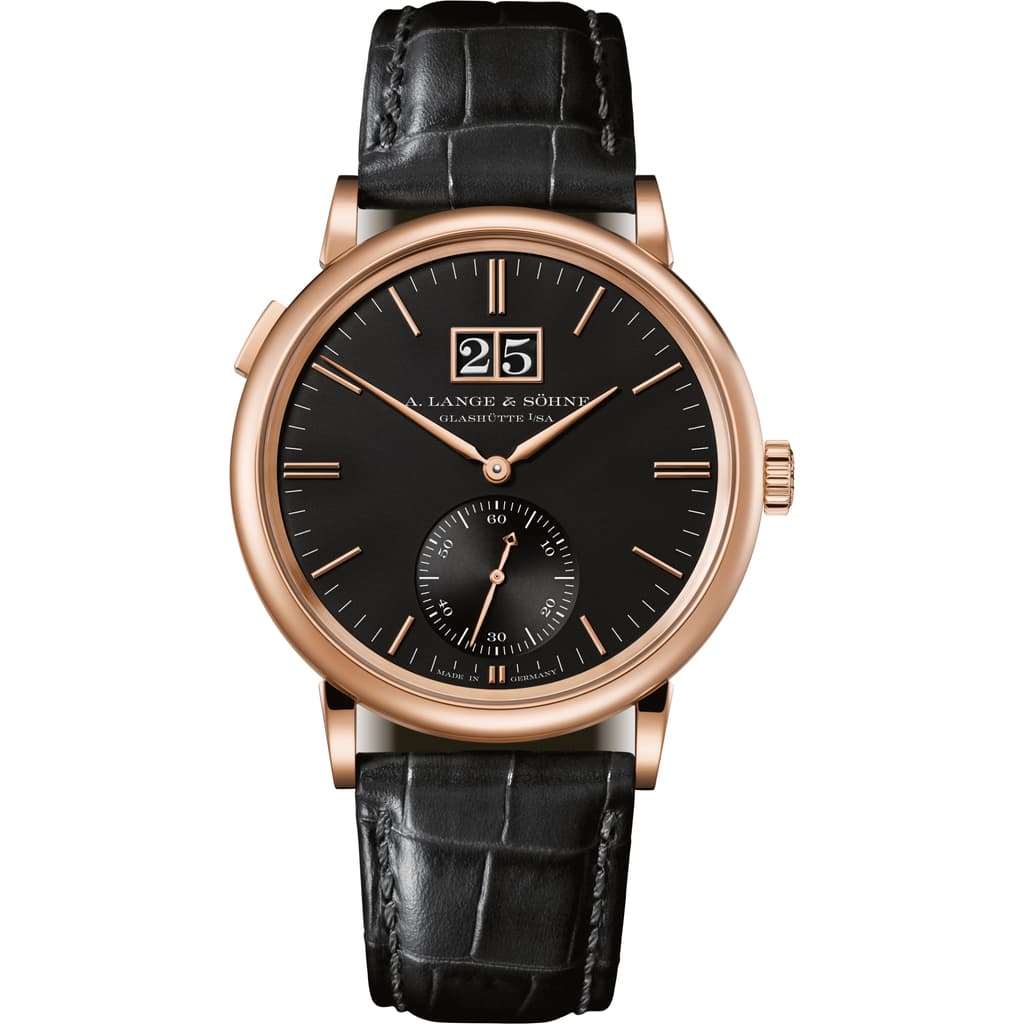
Introduced on the original Lange 1 in 1994, the Outsize Date has become one of the most recognisable signatures in modern watchmaking. Inspired by Dresden’s famous Semper Opera House digital clock, the display uses two separate discs to create a date display significantly larger than conventional date windows without compromising movement architecture. Its exceptional legibility transformed what had long been considered a purely functional complication into an unmistakable design icon, influencing countless manufacturers in the decades that followed.
The Three Quarter Plate
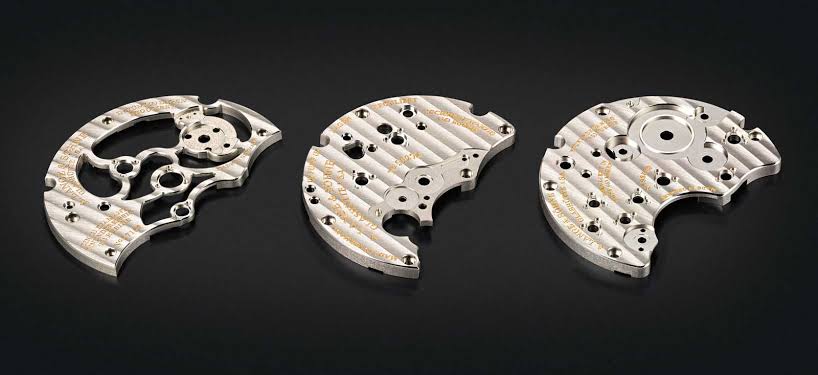
Originally developed by Ferdinand Adolph Lange during the nineteenth century, the Three Quarter Plate remains one of the defining characteristics of every A. Lange & Söhne movement. Instead of using multiple bridges, a single large untreated German silver plate supports nearly the entire gear train, dramatically increasing structural rigidity and long term reliability. Beyond its engineering advantages, the expansive surface provides the perfect canvas for Glashütte ribbing, hand engraving and exquisite finishing, making every Lange movement instantly recognisable through its caseback.
Also Read: A. Lange & Söhne Revives The Iconic Square Cabaret In 750 Honeygold
The Zero Reset Mechanism
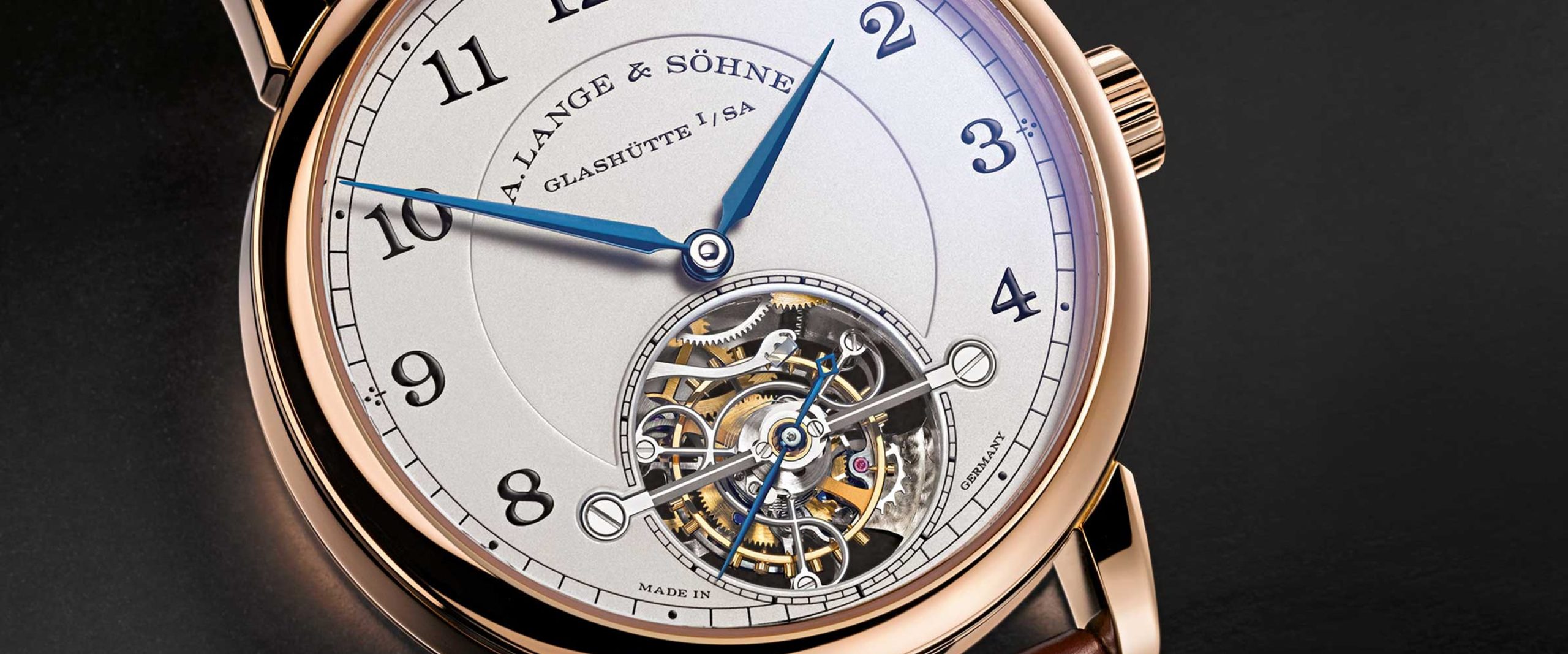
Debuting in the Lange 31 before becoming a signature feature across many of the manufacture’s collections, the Zero Reset mechanism allows the seconds hand to instantly jump to zero when the crown is pulled. Similar to the hacking seconds function but significantly more refined, this innovation enables the wearer to synchronise the watch with absolute precision. By eliminating guesswork during setting, A. Lange & Söhne demonstrated that even the smallest improvements in usability could elevate the overall ownership experience.
Honeygold
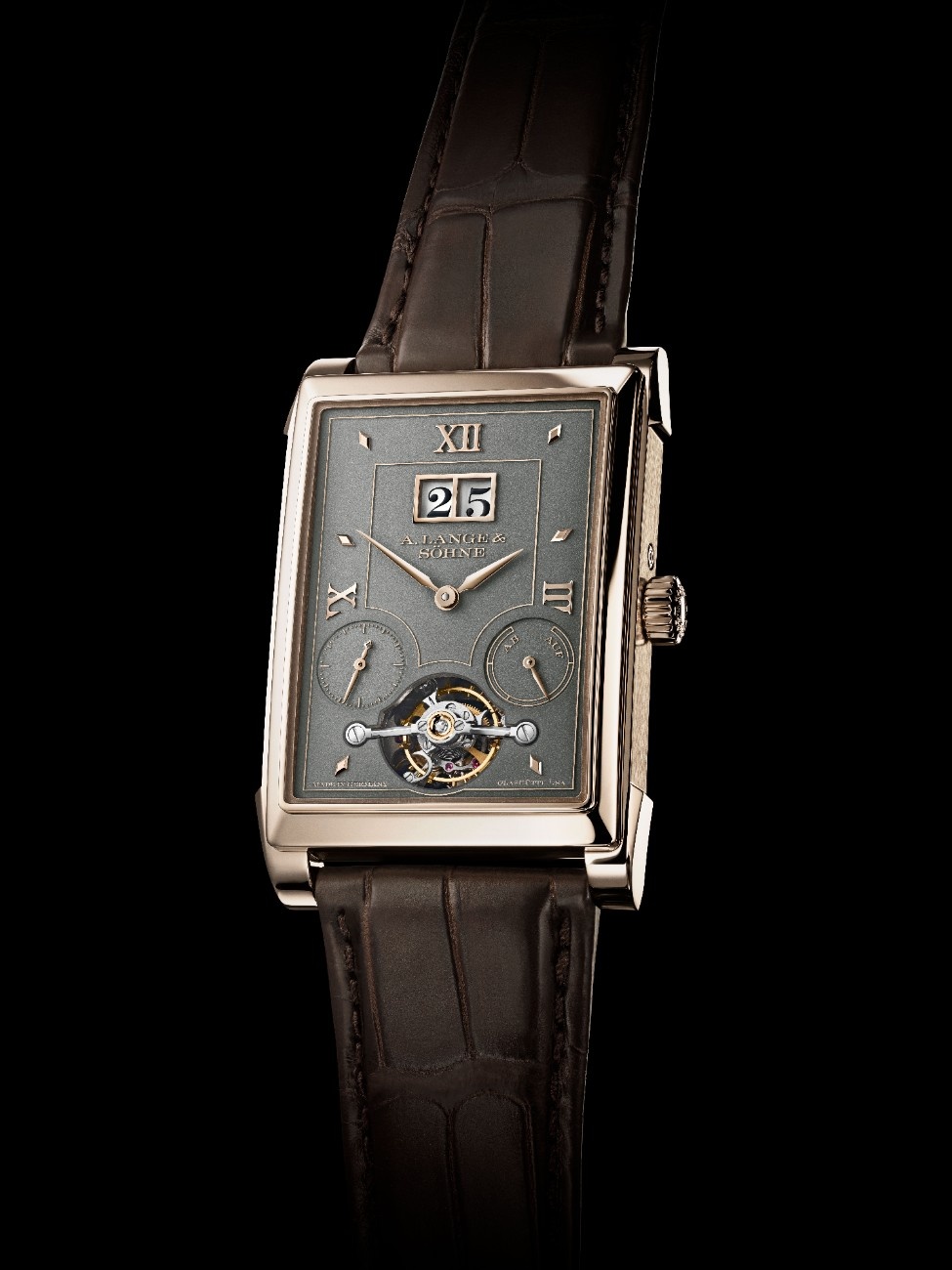
In 2010, A. Lange & Söhne introduced Honeygold, an exclusive gold alloy developed entirely in house. Distinguished by its warm honey coloured appearance that sits beautifully between yellow and rose gold, the alloy possesses a significantly higher hardness than conventional 18 carat gold, making it far more resistant to scratches while retaining the elegance expected of a precious metal. Reserved exclusively for the manufacture’s most exceptional limited editions, Honeygold has become one of the rarest and most coveted materials in contemporary haute horlogerie.
Zeitwerk
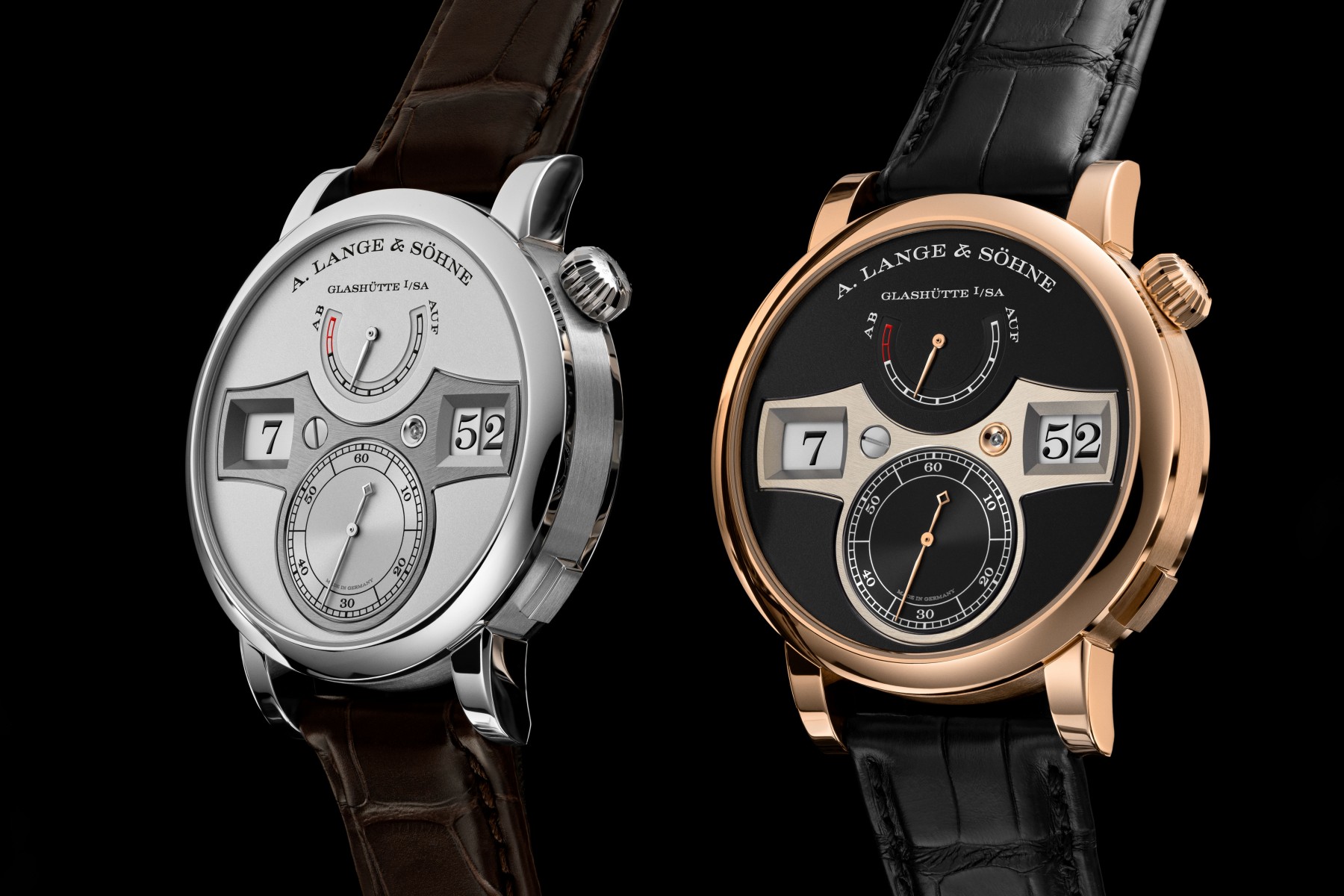
When the Zeitwerk debuted in 2009, it challenged centuries of traditional time display by replacing rotating hands with jumping digital discs. Unlike conventional digital displays, the Zeitwerk achieves instantaneous jumping hours and minutes entirely through mechanical means, powered by an ingenious constant force escapement that ensures consistent energy delivery despite the enormous power required to advance the display every sixty seconds. The result remains one of the most technically sophisticated and visually distinctive mechanical watches ever created, proving that innovation can honour tradition while completely redefining how time is presented.