Meet Akira Nakai: The Man Transforming Porsche Culture Worldwide
From underground workshops in Japan to global automotive icon status, Akira Nakai has redefined Porsche culture through RWB, blending raw craftsmanship, individuality, and rebellious design
There are two kinds of people in the Porsche world. The first group irons their trousers before attending concours events, speaks lovingly about originality, and believes touching a factory body panel should be treated like a federal crime. They worship panel gaps, factory paint codes, and the sacred phrase “matching numbers.” Then there is Akira Nakai—a man who looks at a perfectly respectable Porsche 911 and thinks, yes, but what if it were much wider, much louder, and looked like it had been designed by a samurai with an angle grinder. And somehow, against all logic, he was absolutely right.
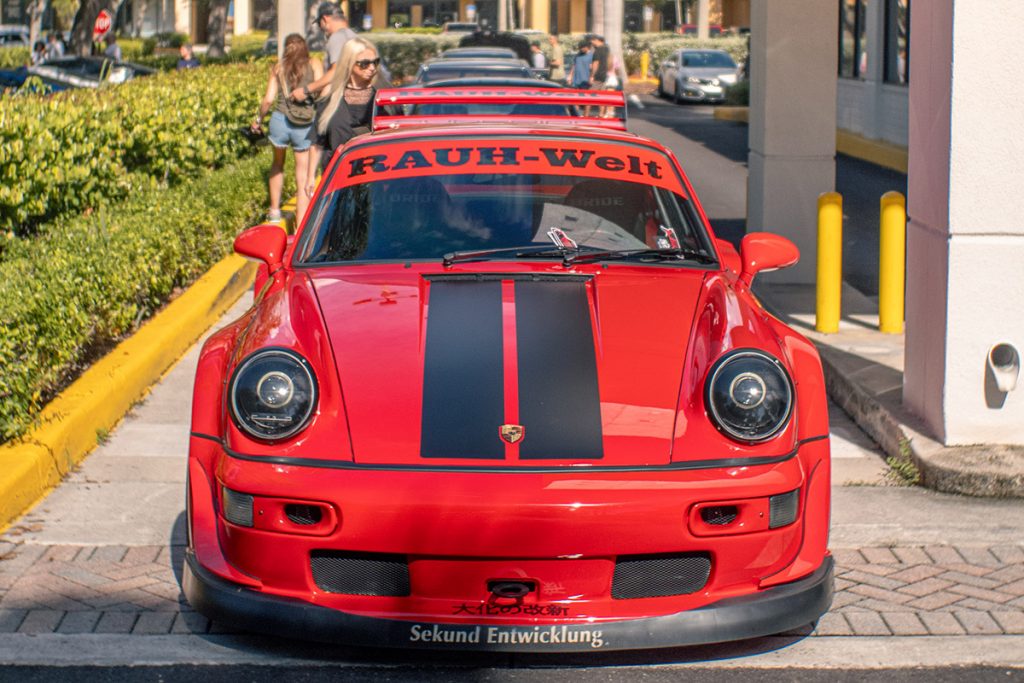
Nakai is the founder of Rauh-Welt Begriff, better known as RWB, a name that has become either sacred or offensive depending on which Porsche owner you ask. There is very little middle ground. Before RWB became a global phenomenon, Nakai-san was deep in Japanese underground car culture, modifying old Corollas and drifting with the sort of enthusiasm normally reserved for bad decisions and unpaid speeding tickets. But then came the Porsche 911, specifically the 930 generation, and like many great love stories, things became expensive very quickly.
He saw something others did not. While most people treated the 911 like fine china, Nakai treated it like a blank canvas. He wanted aggression, presence, and drama. He wanted a car that looked fast even while parked outside a ramen shop. So he began building widebody Porsches with exaggerated arches, impossibly low stances, massive rear wings, and a silhouette that looked like Stuttgart had been taken over by street racers. Purists were horrified, which frankly made it even better.
Also Read: New Lamborghini Fenomeno Roadster Debuts With 1,080 CV Hybrid V12 Power
The thing about RWB is that it is not simply a body kit. If it were, anyone with enough money and questionable judgment could do it. What makes it special is Nakai himself. He travels around the world personally installing each build, usually in a workshop full of nervous owners watching a man calmly take a saw to their six-figure Porsche. No elaborate ceremony, no robotic precision theatre, just Nakai, cigarettes, quiet focus, and absolute confidence. Imagine handing someone your vintage grand piano and watching them arrive with a chainsaw. That is roughly the emotional experience.
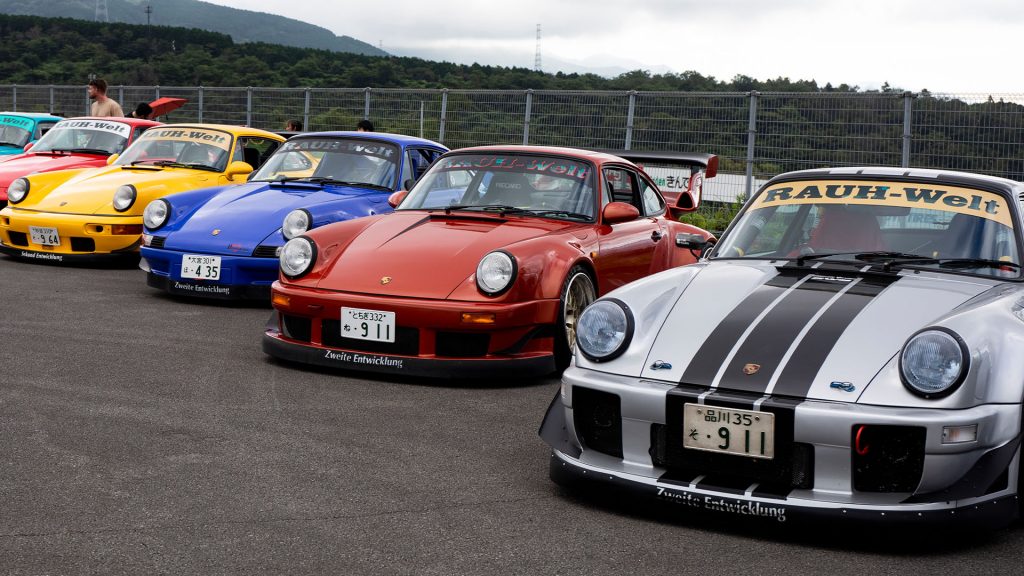
Yet the results are extraordinary. Each car feels individual, almost alive. No two are exactly the same because Nakai does not believe in sterile perfection. He believes in personality. A Porsche should not just be beautiful, it should feel like it has stories, flaws, and attitude, preferably all three. That philosophy is why RWB became bigger than tuning. It became culture. From Tokyo to Los Angeles, Dubai to Bangkok, owning an RWB is not about having a modified Porsche. It is about joining a kind of mechanical cult where taste is measured not by restraint, but by conviction. You are not buying subtlety, you are buying theatre.
And unlike so much modern luxury, it feels human. In a world of configurators, algorithms, and marketing departments deciding what individuality should look like, Nakai remains stubbornly analogue. He still shapes fenders by hand, still names cars with strange poetic intensity, and still builds machines that feel like personal statements rather than products. There is something wonderfully rebellious about that.
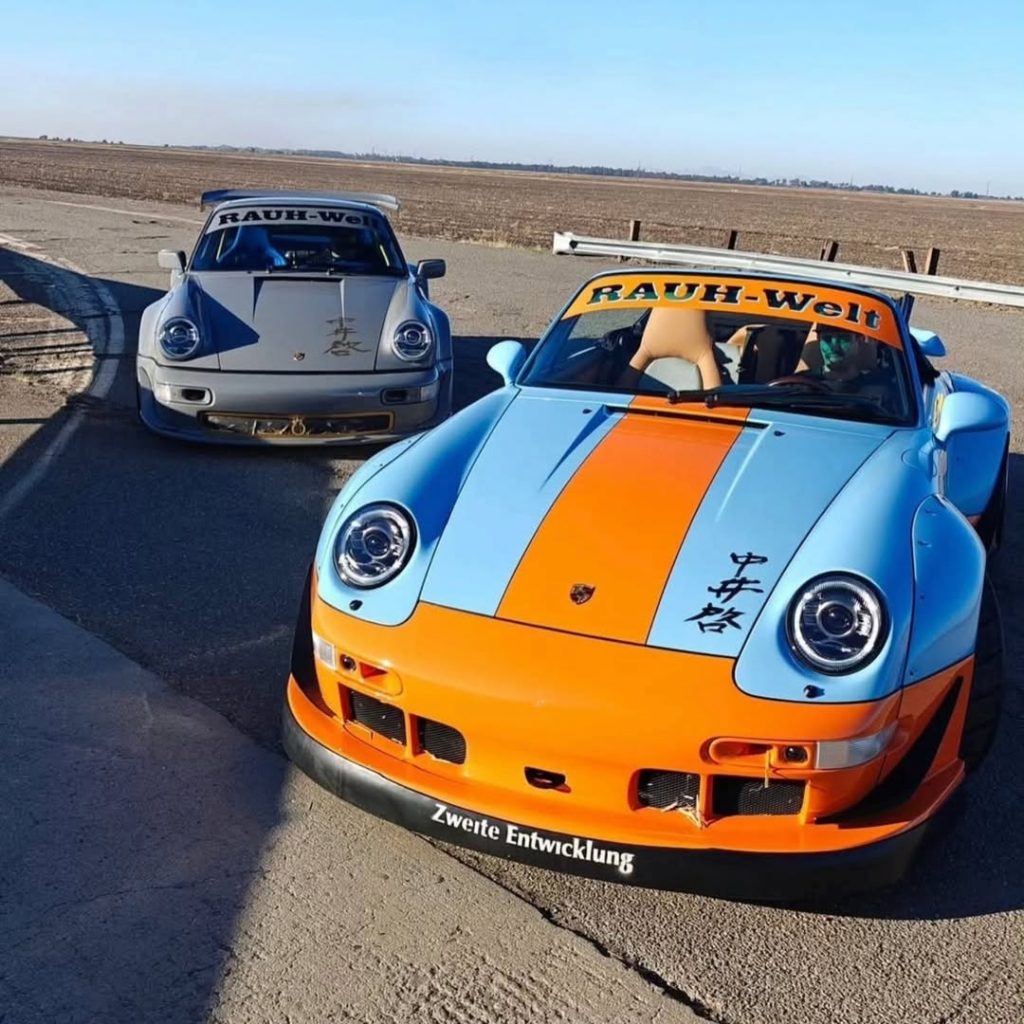
Especially today, when so many performance cars are technically brilliant but emotionally sterile—faster, safer, quieter, and about as soulful as airport furniture. Nakai’s work reminds people that cars should make you feel slightly unreasonable. They should start arguments, make neighbours complain, and force adults to question their financial decisions while children point at them in traffic. That is art, or at least the loud automotive version of it. Akira Nakai did not just transform Porsche culture. He challenged the entire idea of what reverence means. For some, respecting a Porsche means preserving it exactly as it left the factory. For him, respect means driving it harder, shaping it bolder, and making it entirely your own. It is gloriously irrational, which is probably why it works so well.