The Real Impact of Constant Lane Changing On Car Performance And Safety
Constant lane switching feels like progress, but beneath the steering wheel it creates repeated stress on every moving part, from tires and suspension to brakes and fuel efficiency, proving that smooth and steady driving is often the smartest form of speed
There is a particular kind of driver seen on every road. The one darting left, then right, squeezing into impossible gaps as though qualifying for Monaco rather than going to the office. It looks dramatic. It feels fast. It gives the impression of being smarter than the traffic. But here is the inconvenient truth: most of the time, it achieves absolutely nothing except quietly destroying the car underneath.
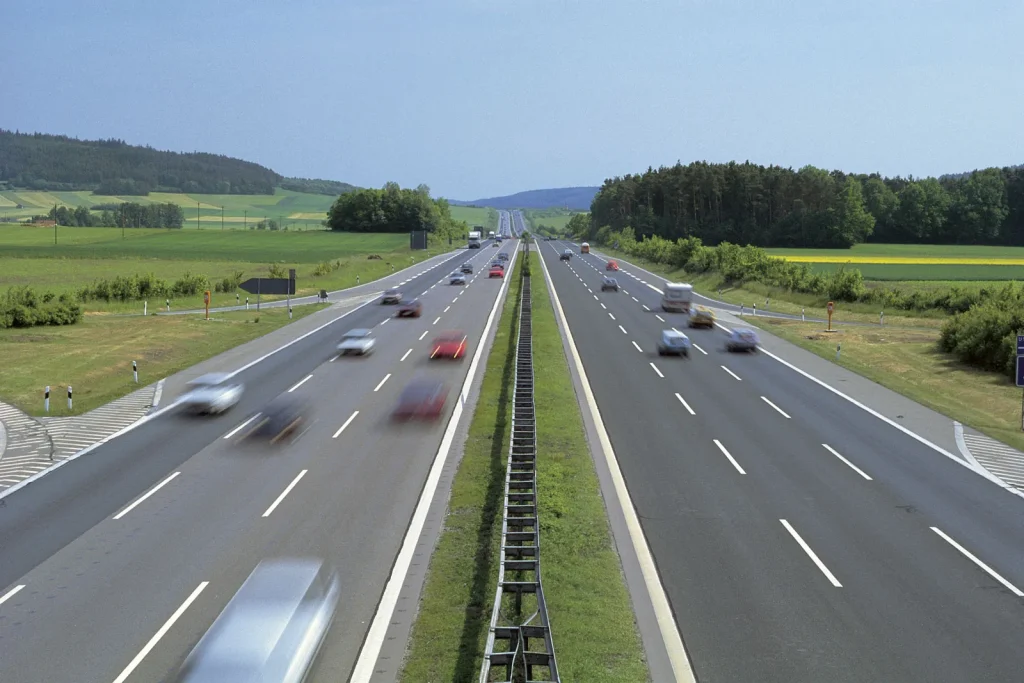
Constant lane switching is one of those habits that seems harmless because the damage is invisible. There is no dramatic explosion, no warning siren, no tragic violin music. Instead, there is slow, expensive wear. The steering becomes less precise. The tires wear faster. The brakes begin complaining. Fuel disappears quicker than expected. And suddenly, what felt like clever driving becomes a rather costly mechanical punishment.
The real issue is simple. Every unnecessary lane change means repeated acceleration, braking, and directional stress. A car is happiest when it moves with rhythm. It likes consistency. It likes balance. It does not enjoy being treated like a shopping trolley in a panic.
Start with the steering system, because this is where the abuse begins. Every sharp input through the wheel sends stress through the steering rack, tie rods, and suspension joints. Modern steering systems are engineered for precision, not constant aggressive correction. Repeated weaving places unnecessary load on these components, gradually reducing the sharpness and accuracy of steering feel. What was once crisp and confident becomes vague and slightly irritating. The car starts feeling older than it should.
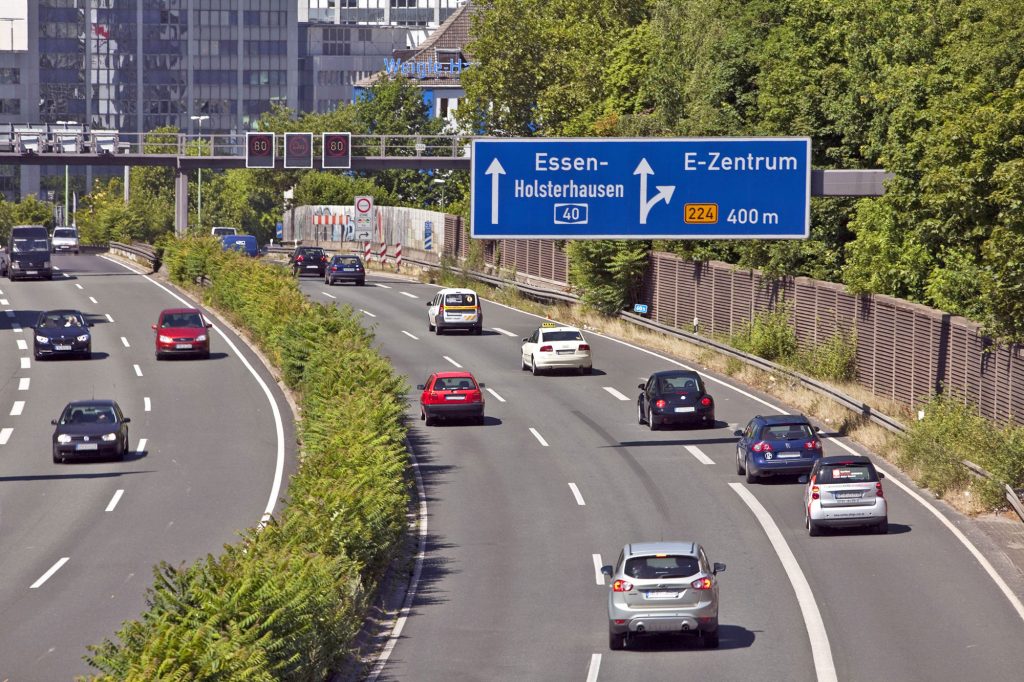
Then there are the tires, which suffer in silence until the bill arrives. Quick direction changes increase sidewall stress because the tire is constantly being forced to change its contact patch. Instead of rolling smoothly, it is being twisted and loaded unevenly. This creates irregular tread wear, shortens lifespan, and ruins efficiency. Tires are not cheap, and replacing them early because of impatience in traffic is the automotive equivalent of setting money on fire.
Suspension suffers next. Every lane change shifts weight from one side of the car to the other. That movement may feel small inside the cabin, but underneath, the bushings, control arms, and shock absorbers are working overtime. The more aggressive the movement, the greater the strain. Over time, rubber bushings wear, shocks lose effectiveness, and the once composed ride becomes less refined. Suddenly, every pothole feels personal.
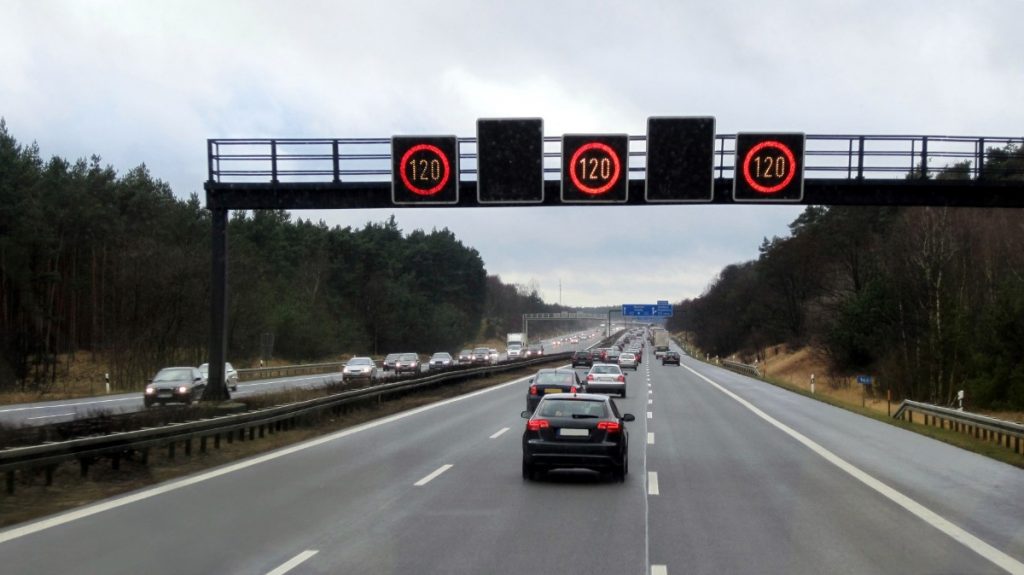
And of course, lane switching almost never happens politely. It usually comes with the familiar dance of accelerate, brake, accelerate again. That means more wear on brake pads, brake discs, and the drivetrain itself. Brakes are designed to stop the car, not to be used as emotional support every ten seconds. Constant speed fluctuations also place extra demand on the gearbox and engine components, especially in urban traffic where everything is already working harder.
Also Read: Porsche Reveals Cayenne Coupé Electric 2026 With Ultra-Fast Charging
Fuel economy takes a hit too, and this is where logic completely collapses. People weave because they believe they are saving time, but unstable driving destroys momentum. Smooth, constant speed is what helps fuel efficiency. Cruise gently, and the engine stays in its comfort zone. Keep surging forward and stabbing the brakes, and the engine burns more fuel trying to recover lost pace. It is the mechanical equivalent of sprinting to the fridge every five minutes instead of walking there once.Heat is another silent enemy. Frequent braking builds excess heat in the braking system, while repeated acceleration loads the drivetrain again and again. Heat is wonderful in coffee and absolutely terrible in mechanical parts. It accelerates wear, reduces efficiency, and shortens component life. The car may not complain today, but it remembers.
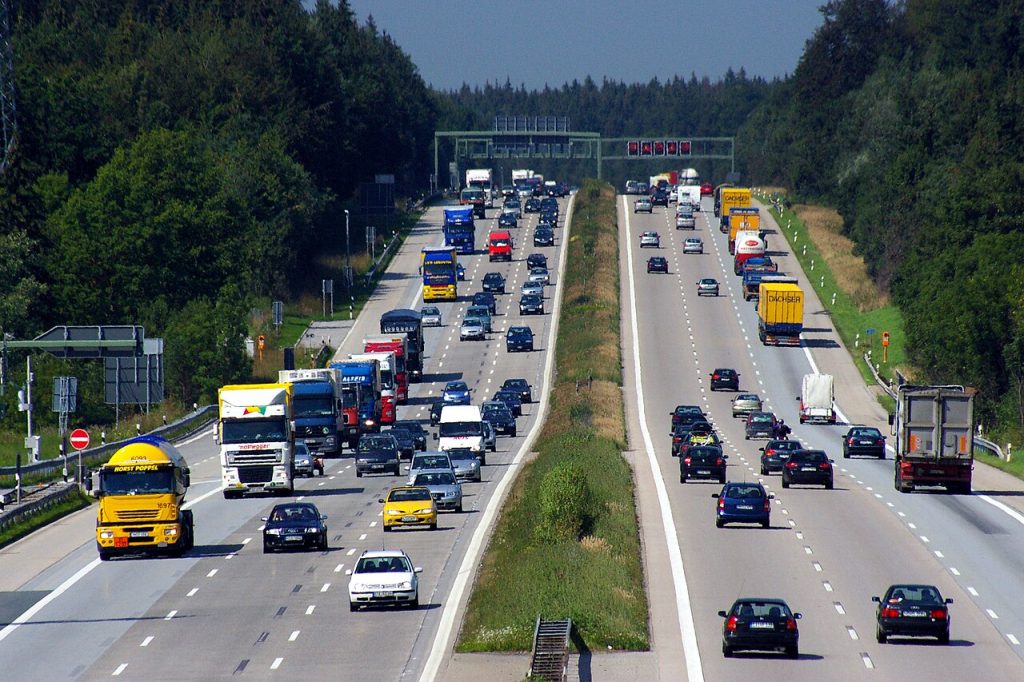
The funniest part is this: constant lane switching rarely saves real time. Traffic engineers and every patient driver on earth will confirm it. Most of the time, the aggressive lane-switcher ends up at the same red light as everyone else, only slightly angrier and with more worn-out brake pads. The illusion of speed is powerful, but it remains exactly that, an illusion. The smarter rule is astonishingly simple. Pick a lane. Maintain a steady speed. Minimise unnecessary changes. Drive with intention rather than panic. It sounds boring because it is, but boring is often brilliant in engineering. Consistency reduces wear, improves mileage, and extends the life of the machine.
A car is not impressed by aggression. It does not reward drama. It rewards sympathy, balance, and smooth inputs. Treat it with mechanical respect, and it will return the favour for years. Treat it like a frantic video game, and it will eventually hand over a repair invoice large enough to ruin a weekend. So yes, aggressive lane switching might make the driver feel like a genius for about eleven seconds. But the steering rack, the tires, the suspension, the brakes, and the fuel tank all disagree rather strongly. Smooth, steady driving is not slower. It is simply smarter.
And unlike bravado in traffic, smart usually lasts a lot longer.