The Return of Physical Buttons In Premium Cars: Why Drivers Love Them
As luxury carmakers move away from touchscreen overload, tactile switches, rotary dials, and real buttons are making a comeback, proving that sometimes the smartest technology is the one you can feel without taking your eyes off the road
There was a time when luxury cars measured sophistication in wood veneers, beautifully machined aluminium switches and perfectly weighted rotary dials. Then, almost overnight, the entire industry became convinced that every problem could be solved by adding another screen. Climate controls disappeared into menus. Seat adjustments became icons. Even changing the fan speed started requiring the sort of concentration normally reserved for solving a crossword puzzle. Carmakers proudly called it progress. Drivers quietly called it irritating. Somewhere along the way, manufacturers forgot a simple truth. Cars are driven at speed, often in traffic, sometimes in terrible weather, and usually while the driver is trying to concentrate on staying alive. Asking someone to swipe through digital menus just to adjust the air conditioning was never a clever idea. Across the premium automotive world, physical buttons, tactile switches and proper rotary dials are quietly returning. Not because technology has failed, but because engineers have finally realised that the best interfaces are often the ones you don’t have to think about.
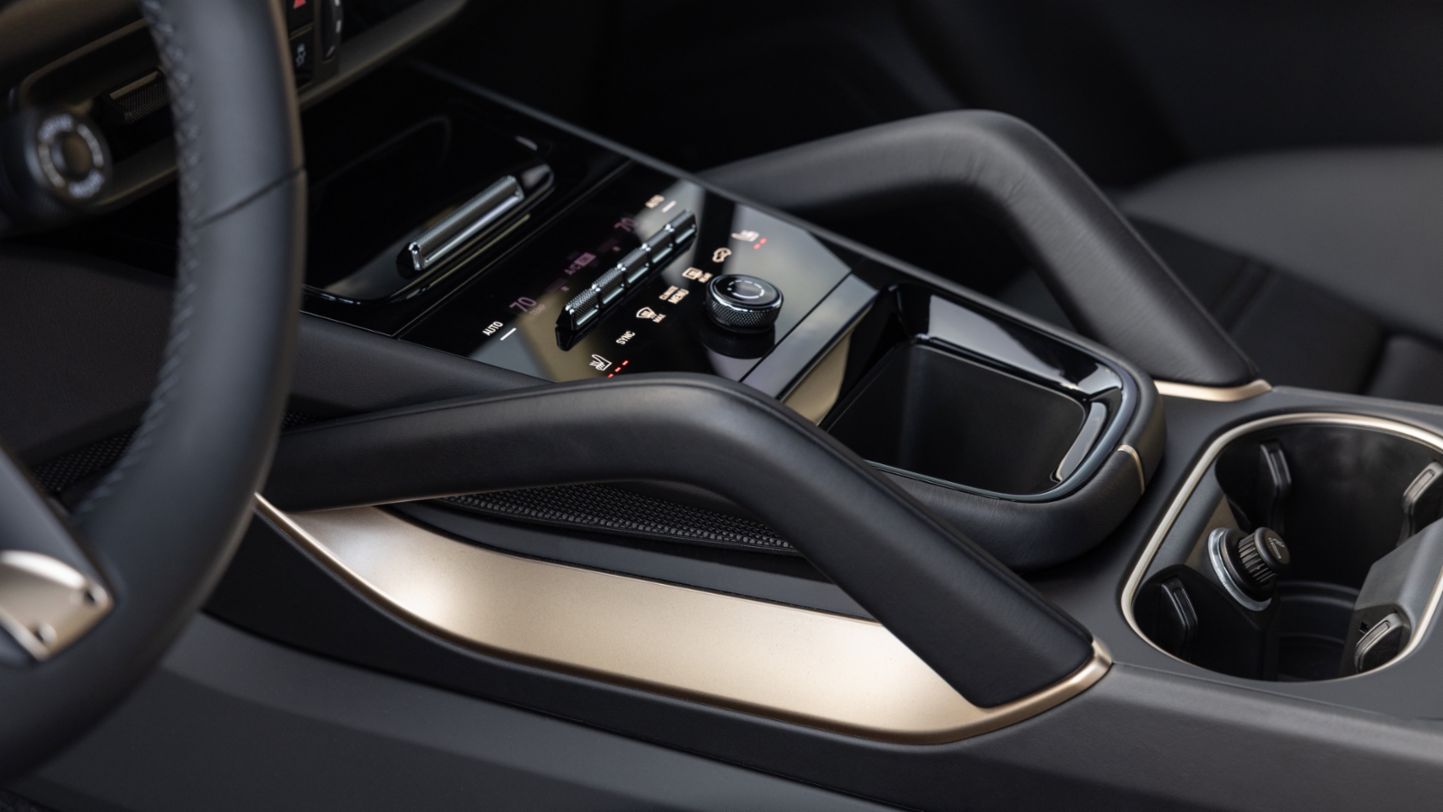
Touchscreens Were Designed To Impress Showrooms, Not Drivers
Walk into any luxury dealership over the past five years and the first thing salespeople proudly pointed towards wasn’t the engine or suspension. It was the enormous screen stretching across the dashboard. Bigger became better. More displays meant more innovation. Digital minimalism became the fashionable design language, with manufacturers removing almost every physical control they could find. It looked futuristic under showroom lights, but ownership told a different story. Drivers quickly discovered that operating basic functions through layers of menus required more attention than pressing a simple button ever did. What looked elegant when parked became frustrating once the wheels started moving. The industry’s obsession with digital purity had created cabins that resembled consumer electronics more than driver focused automobiles.
Also Read: BMW Introduces The New X5 With Multiple Powertrain Options
Why Your Fingers Are Smarter Than A Touchscreen
The human brain is remarkably good at remembering physical objects. Within a few days of ownership, most drivers instinctively know exactly where the volume knob sits or how many clicks adjust the climate control. That process is called muscle memory, and it allows people to operate controls without looking away from the road. Touchscreens completely disrupt that behaviour. Every command demands visual confirmation. You must first locate the icon, touch the correct part of the display, check whether the command has registered and only then return your attention to driving. Those few seconds may sound insignificant, but at motorway speeds they can translate into travelling the length of a football pitch without fully watching the road. Physical buttons eliminate that problem entirely because your fingers already know where everything lives.
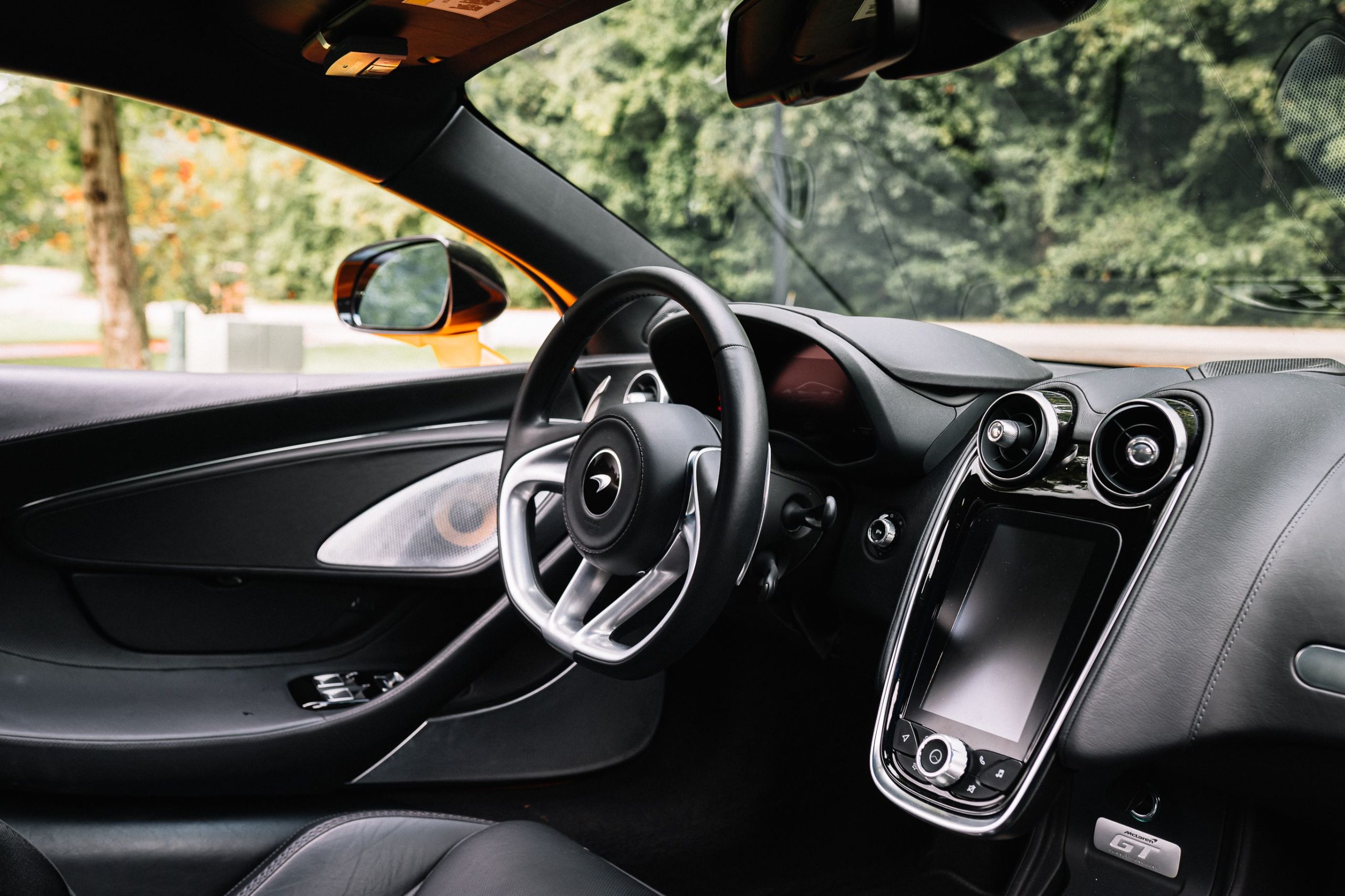
Luxury Should Be Felt, Not Merely Seen
One of the defining characteristics of any luxury product is tactility. Whether it is the satisfying click of a mechanical watch, the precise action of a camera shutter or the weight of a handcrafted fountain pen, premium products engage more than just the eyes. Cars are no different. A beautifully machined aluminium switch, a knurled metal dial or a perfectly damped toggle immediately communicates craftsmanship in a way that a flat sheet of glossy glass never can. Every interaction becomes part of the ownership experience. It is one of the reasons why many of the world’s most respected luxury manufacturers are once again embracing physical controls. They are not simply functional; they are emotional. Drivers enjoy using them because they provide genuine mechanical feedback that software simply cannot replicate.
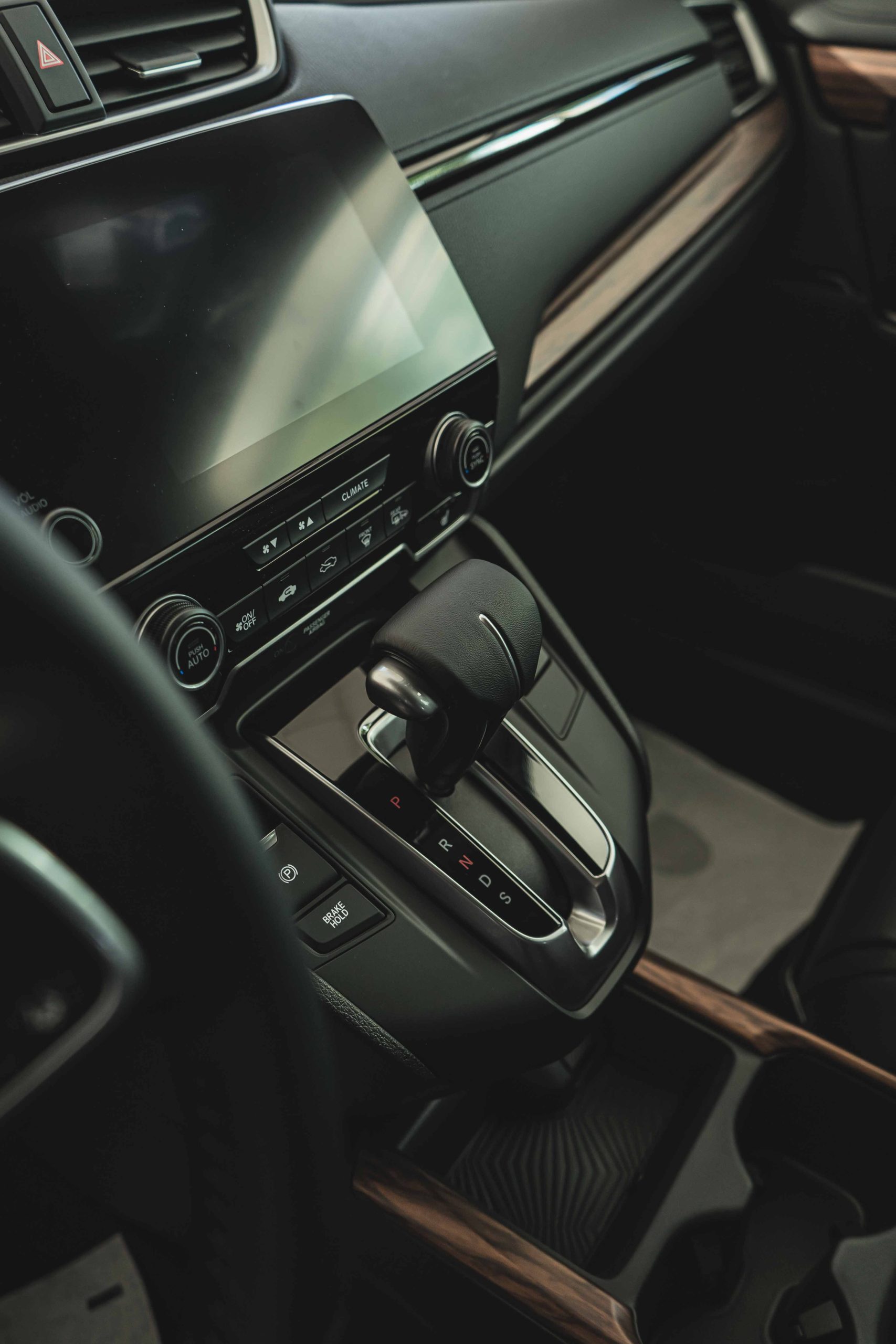
Safety Is Becoming More Important Than Minimalism
The return of physical controls is not merely about nostalgia. It is increasingly supported by ergonomics and safety research. Human factors specialists have repeatedly demonstrated that tactile buttons reduce cognitive workload because they can be operated through feel alone. Unlike touchscreens, which require visual confirmation, physical controls provide immediate feedback through movement and resistance. This allows drivers to keep their attention where it belongs. Even automotive regulators have started encouraging manufacturers to simplify frequently used controls, recognising that reducing distraction improves road safety. After years of chasing minimalist aesthetics, the industry appears to be acknowledging that beautiful design should never compromise usability.
Also Read: How Heavy Cars Deliver Impressive Cornering Performance
Technology Isn’t Disappearing. It’s Simply Becoming Smarter
This doesn’t mean luxury cars are abandoning digital technology. Quite the opposite. Today’s premium vehicles remain packed with artificial intelligence, over the air software updates, augmented reality navigation, voice assistants and sophisticated driver assistance systems. The difference is that manufacturers are beginning to separate frequently used functions from secondary ones. Navigation, entertainment and vehicle settings continue to benefit from large touchscreens, while everyday controls such as temperature adjustment, audio volume, heated seats and drive modes are gradually returning to dedicated physical interfaces. Rather than forcing drivers to interact with software for every task, the latest generation of luxury cars is learning when technology should step back and let instinct take over.
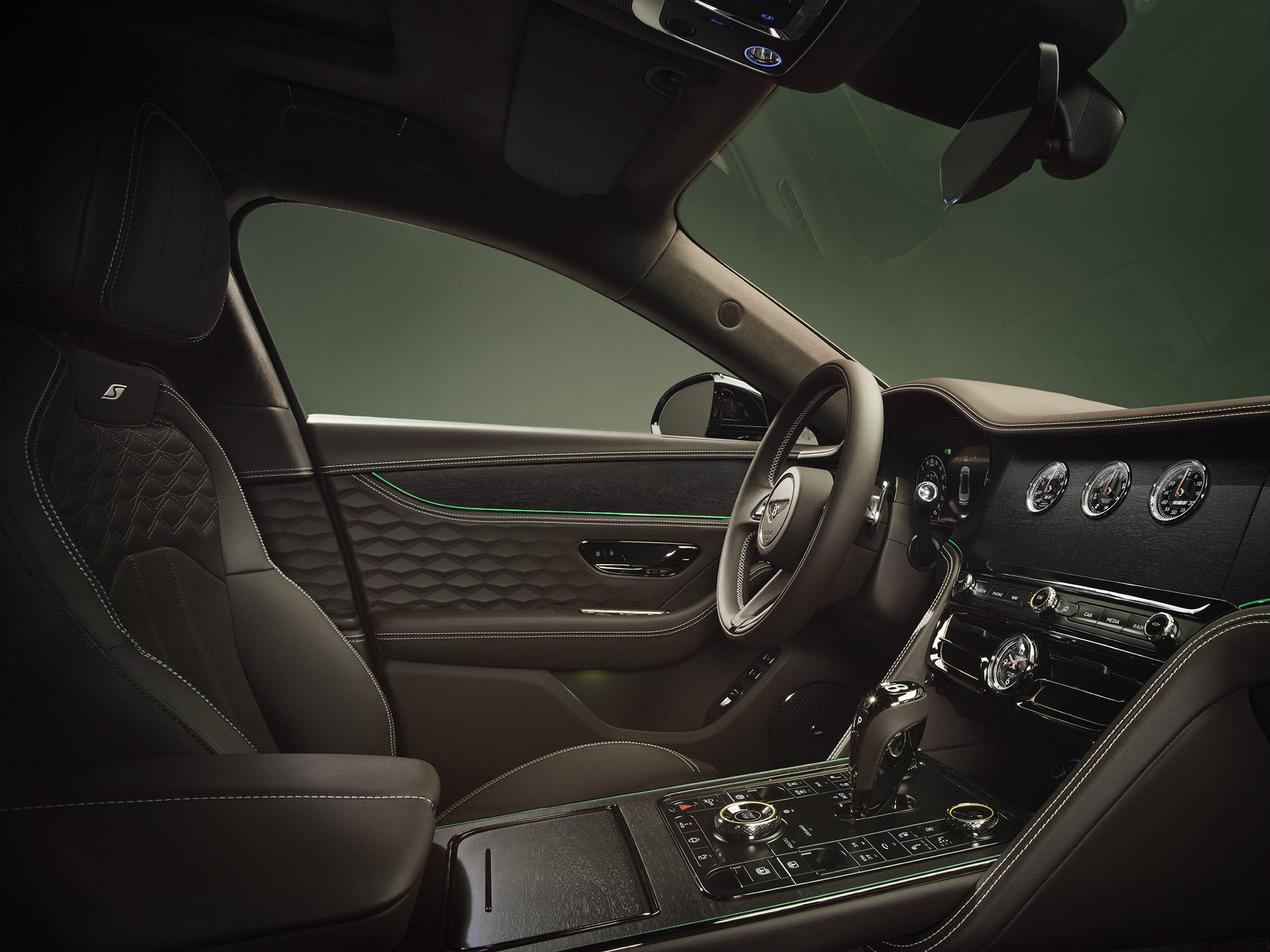
The Best Technology Is Often The Least Noticeable
Perhaps that is the biggest lesson the automotive industry has learned. Drivers never demanded bigger screens. They wanted simpler cars. Somewhere along the way those two ideas became confused. Real innovation is not measured by how many displays fill the dashboard, but by how naturally a driver can interact with the vehicle. Physical buttons achieve something remarkably rare in modern technology. They disappear into habit. After a week of ownership, you stop thinking about them altogether because they simply work. There are no software glitches, no loading animations and no hidden menus standing between you and the function you need.
Luxury cars have always been about making complicated engineering feel effortless. That philosophy applies just as much to the dashboard as it does to the engine beneath the bonnet. The return of physical buttons isn’t a rejection of technology; it’s proof that the smartest innovation is sometimes knowing when not to reinvent something that already worked brilliantly. After years of chasing digital perfection, premium manufacturers are finally rediscovering one of the oldest principles in automotive design. Sometimes, nothing beats the reassuring click of a real button.