

There was a time when weight was the enemy of speed. Colin Chapman built lightweight Lotuses because, as he famously said, adding power makes you faster on the straights, but removing weight makes you faster everywhere. It was a philosophy that shaped decades of performance cars. Then along came electric vehicles weighing well over two tonnes, luxury SUVs tipping the scales at nearly three, and somehow they started embarrassing sports cars through corners. On paper, that shouldn’t happen. Physics says a heavier object has more momentum and should resist changing direction. Yet modern engineering has become so astonishingly clever that today’s heaviest performance cars often attack bends with the confidence of machines weighing hundreds of kilograms less. So, what exactly is going on?
The Centre Of Gravity Matters More Than The Weight
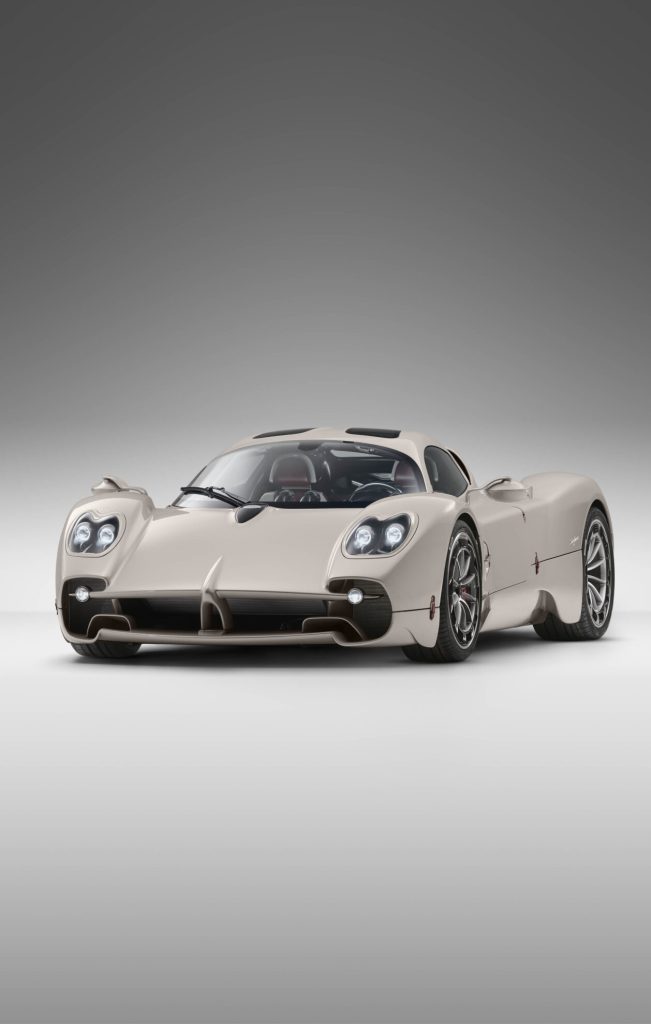
The first secret is that engineers no longer focus purely on reducing weight. Instead, they obsess over where that weight sits. A car carrying its heaviest components low in the chassis dramatically lowers its centre of gravity, reducing body roll during cornering and helping the tyres remain firmly planted on the road. This is why many electric cars, despite weighing considerably more than their petrol counterparts, feel surprisingly composed through bends. Their battery packs sit beneath the floor, placing hundreds of kilograms exactly where engineers want them.
Also Read: Ferrari Unveils Limited-Edition 12Cilindri Manuale: A V12 Built For Purists
Perfect Weight Distribution Changes Everything
Balance is just as important as outright mass. A car with close to a fifty fifty weight distribution spreads its load evenly between the front and rear axles, allowing all four tyres to contribute equally when cornering. This improves grip, reduces understeer and oversteer, and gives the driver greater confidence at higher speeds. It is one of the reasons why many front engined grand tourers and mid engined supercars feel so predictable even when pushing hard through fast sweeping corners.

Modern Suspension Does The Heavy Lifting
Suspension technology has advanced enormously over the past two decades. Adaptive dampers, electronically controlled air suspension, active anti roll systems and torque vectoring all work together to keep a heavy car remarkably flat through corners. Instead of allowing the body to lean excessively, these systems constantly adjust damping forces and redistribute loads between the wheels in milliseconds. The result is a car that feels far lighter than the scales suggest, delivering sharper steering responses and greater stability.
Tyres Create More Grip Than Ever Before
None of this would matter without tyres capable of handling enormous loads. Modern high performance tyres generate astonishing levels of mechanical grip thanks to advanced rubber compounds, wider contact patches and reinforced sidewalls. They are specifically engineered to support the additional weight of large performance saloons, luxury SUVs and electric vehicles while maintaining consistent grip during aggressive cornering. Simply put, today’s tyres are doing far more work than those fitted to sports cars just twenty years ago.
Aerodynamics Push The Car Into The Road
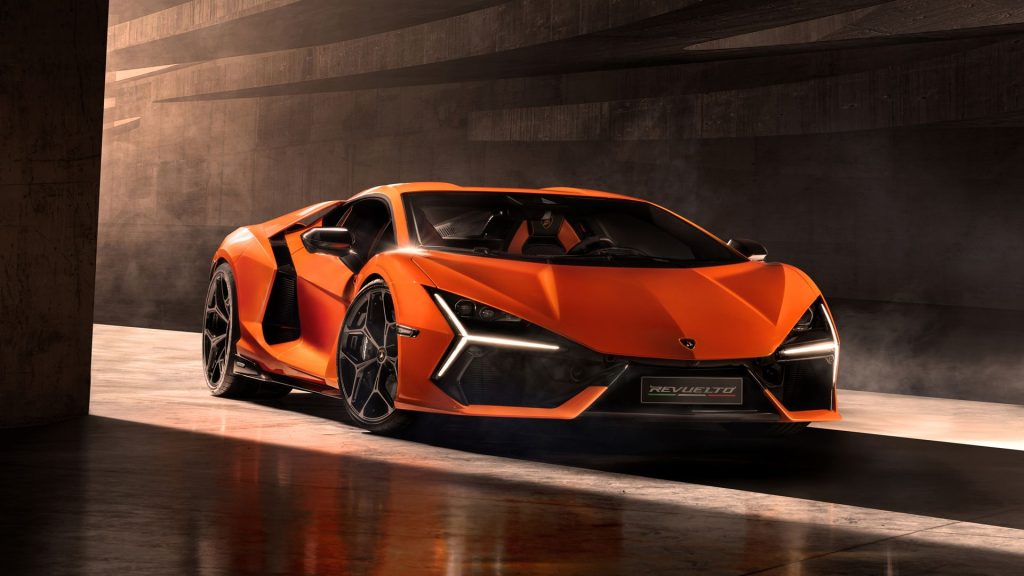
As speeds increase, clever aerodynamics begin contributing to cornering performance. Front splitters, rear diffusers, active spoilers and carefully sculpted underbodies generate downforce that literally presses the car harder into the road surface. Unlike weight, which is always present, aerodynamic downforce increases with speed, allowing heavy performance cars to become progressively more stable and capable as velocity rises. It is one of the reasons why many modern supercars seem almost glued to the tarmac through high speed bends.
Electronics Can Outthink Human Reflexes
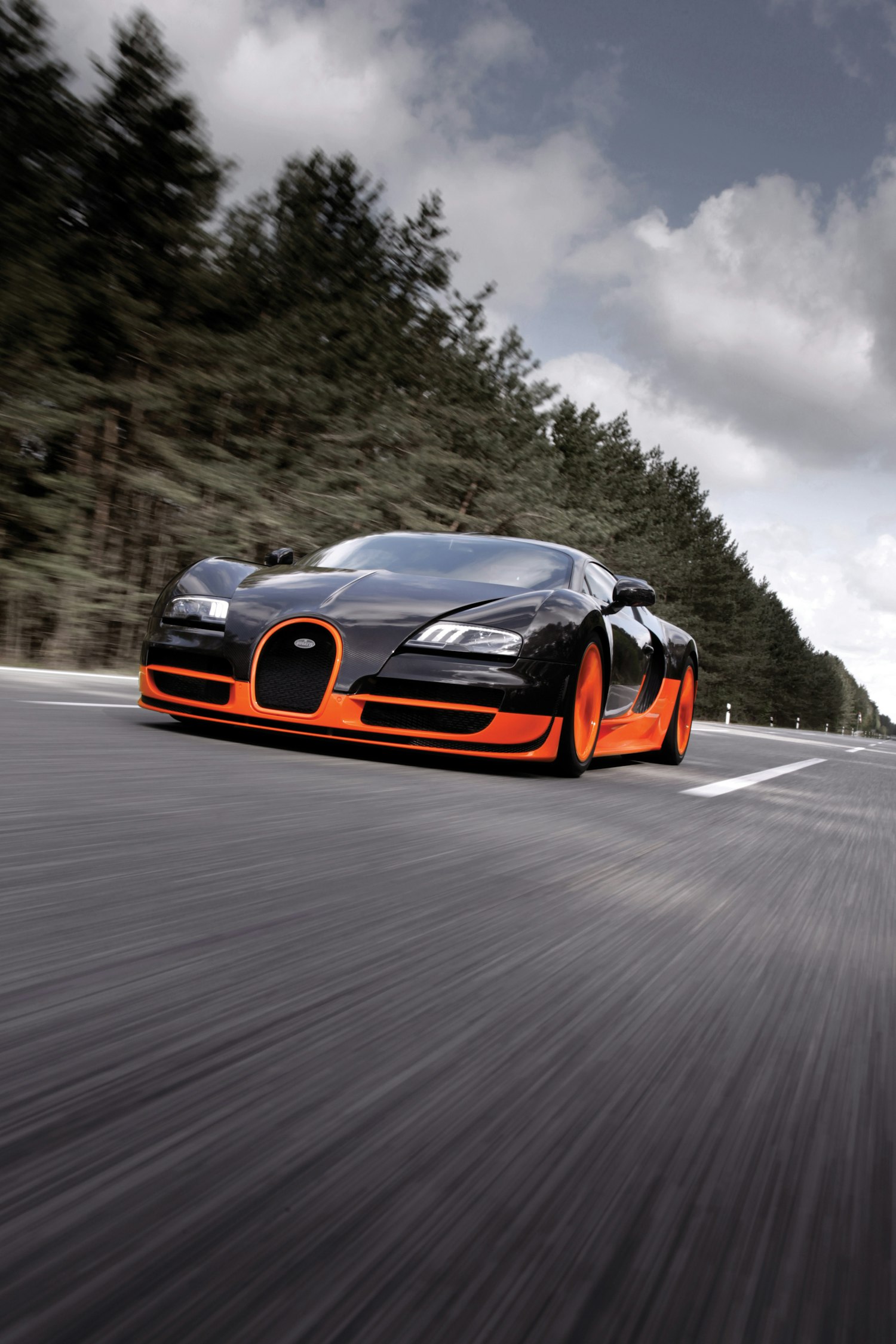
The final piece of the puzzle is computing power. Modern stability systems analyse steering angle, wheel speed, throttle position, braking force and body movement hundreds of times every second. Torque vectoring can direct power to individual wheels, electronic differentials optimise grip, and stability control intervenes so subtly that drivers often never realise it is working. Together, these systems constantly compensate for the disadvantages that extra mass would once have introduced.
Weight Is No Longer The Villain It Once Was
None of this means lighter cars have stopped being enjoyable. A lightweight sports car will always feel more agile and communicative than a heavier machine. But modern engineering has rewritten the rulebook. Clever chassis design, low centres of gravity, advanced suspension, intelligent electronics and remarkable tyre technology have shown that weight alone no longer decides how well a car corners. In today’s performance cars, it is not simply about how much the car weighs. It is about how intelligently every kilogram has been engineered to work with the driver rather than against them.