Unknown Facts About Hypercars: Extreme Performance, Hidden Tech And Daily Driving Reality
Hypercars are not simply faster supercars but engineering laboratories on wheels, where extreme speed, hidden technology, and unexpected daily usability create machines that balance outrageous performance with remarkable precision
A hypercar is often mistaken for an expensive toy built purely for speed, something designed for racetracks, social media, and the occasional dramatic entrance outside a luxury hotel. That assumption misses the point entirely. This is not just about speed, it’s about engineering pushed to the absolute limit. It is where manufacturers test ideas that will eventually influence the rest of the automotive world. Carbon fibre structures, hybrid performance systems, advanced aerodynamics, regenerative braking, and active suspension technologies often appear here long before they become common anywhere else.
The difference between a supercar and a hypercar is not simply horsepower. It is philosophy. A supercar is built to be fast and exciting, while a hypercar is built to challenge what is mechanically possible. Yet for all their extraordinary performance, many hypercars are far more usable than people imagine. They can handle traffic, survive speed breakers, and in some cases even manage a grocery run. The reality is more complex, and far more interesting, than most people think.
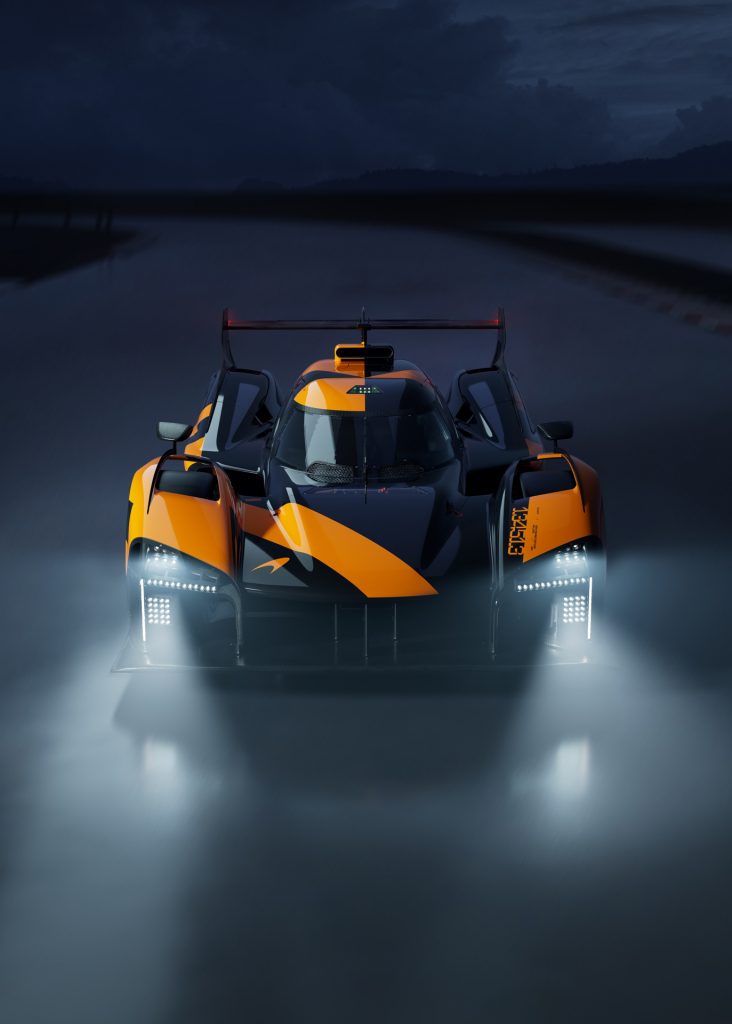
Hypercars Are Designed Like Aircraft
Most people look at a hypercar and see dramatic styling. What they are actually looking at is aerodynamic engineering. Every vent, air channel, wing, and surface exists for a reason. Air is treated like an invisible tool, directed to cool brakes, feed the engine, improve stability, and generate downforce. At high speeds, the shape of the car matters as much as the engine itself. Manufacturers like Bugatti, Koenigsegg, and McLaren Automotive design these machines with principles closer to aviation than traditional road cars. Some active wings adjust themselves in real time depending on braking, cornering, or acceleration. It is not styling. It is controlled airflow at very high speed.
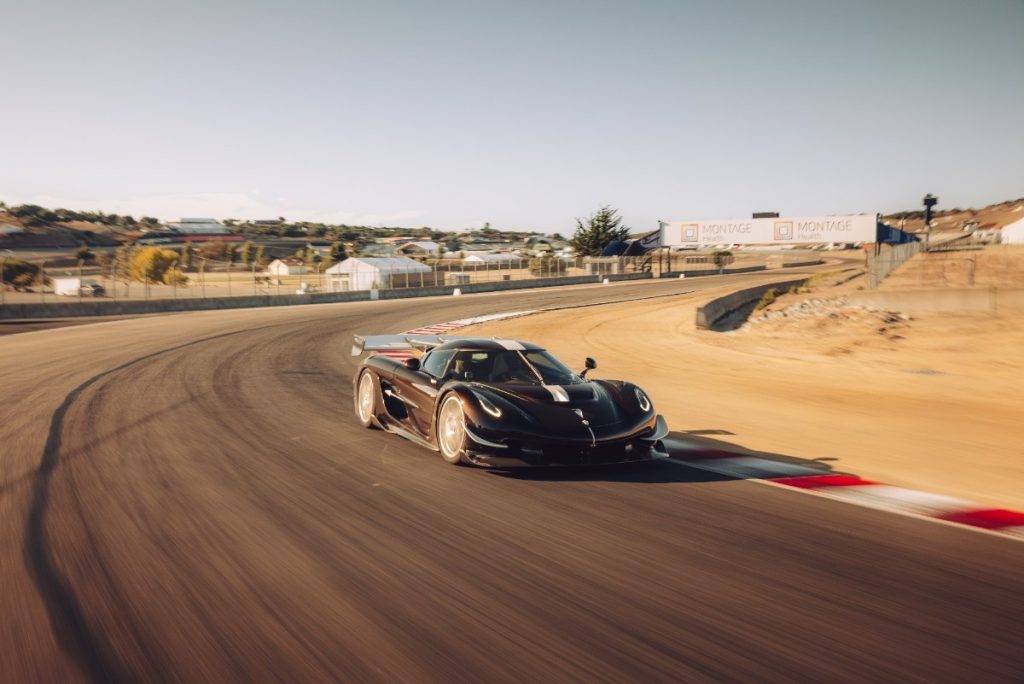
Extreme Performance Comes From More Than Horsepower
The headline number is always power. 1,000 horsepower. 1,500 horsepower. Sometimes more. But power alone does not make a hypercar extraordinary. The real achievement lies in how that power is delivered. Lightweight construction, advanced traction systems, torque vectoring, suspension calibration, and tire technology matter just as much. Many such cars use carbon fibre monocoque chassis because strength and weight control are critical. Some combine internal combustion engines with electric motors not just for efficiency, but for instant torque delivery and improved balance. This is why they feels different. It is not simply faster in a straight line. It is engineered to behave precisely at speeds where normal cars begin to feel uncertain.
Hidden Technology Makes Them Surprisingly Intelligent
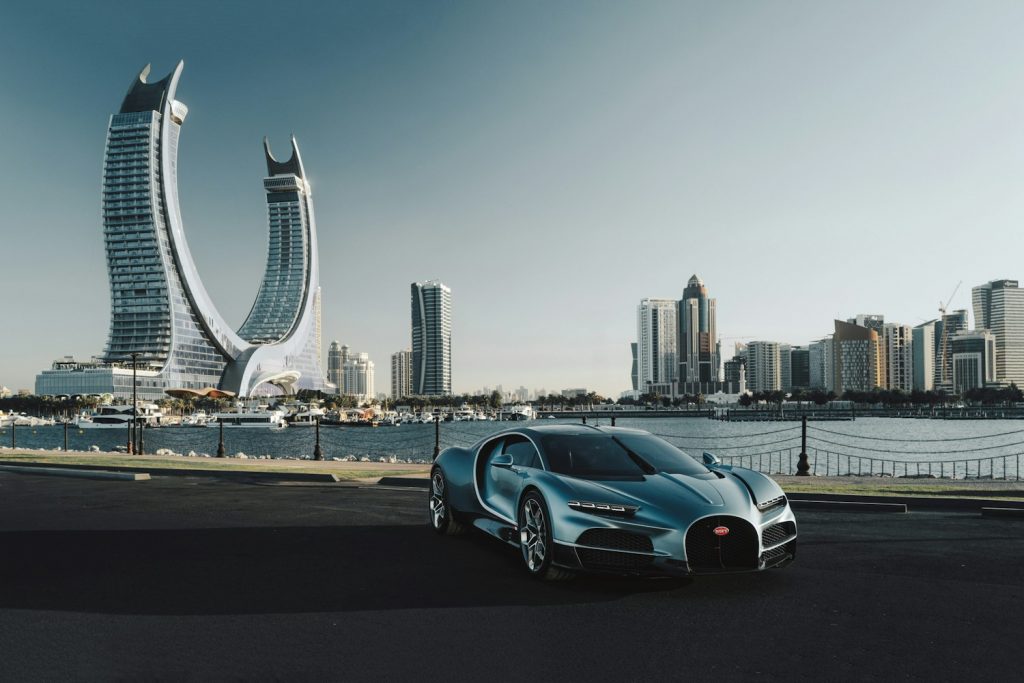
Hypercars may look dramatic, but underneath the theatre is an enormous amount of invisible intelligence. Modern systems constantly monitor grip levels, suspension travel, temperature, braking force, and aerodynamic balance. The car is making thousands of decisions while the driver focuses on one. Hybrid systems are especially significant. Cars like the Ferrari SF90 Stradale or the Porsche 918 Spyder proved that electrification in this world is not about saving fuel first, it is about unlocking performance. Battery systems support acceleration, regenerative braking improves efficiency, and electric torque fills the gaps where combustion engines traditionally hesitate. The technology is hidden because the experience must still feel effortless.
Also Read: Higher RPM Driving: Myths, Benefits, And What You Need To Know
They Can Be Driven Every Day
This surprises people the most. Many assume hypercars are impossible to use outside perfect roads and controlled events. In reality, manufacturers understand that owners want usability alongside performance. Lift systems help clear speed breakers and ramps. Adjustable suspension allows the car to soften for city roads. Cooling systems are designed for traffic, not just racetracks. Cabin refinement is often far better than expected. Cars like the Bugatti Chiron or the Porsche Carrera GT may be extreme, but they are still road cars first. They are demanding, certainly, but not impossible. The challenge is often not practicality. It is deciding where you can safely park something worth more than most houses.
What Hypercars Do Not Do
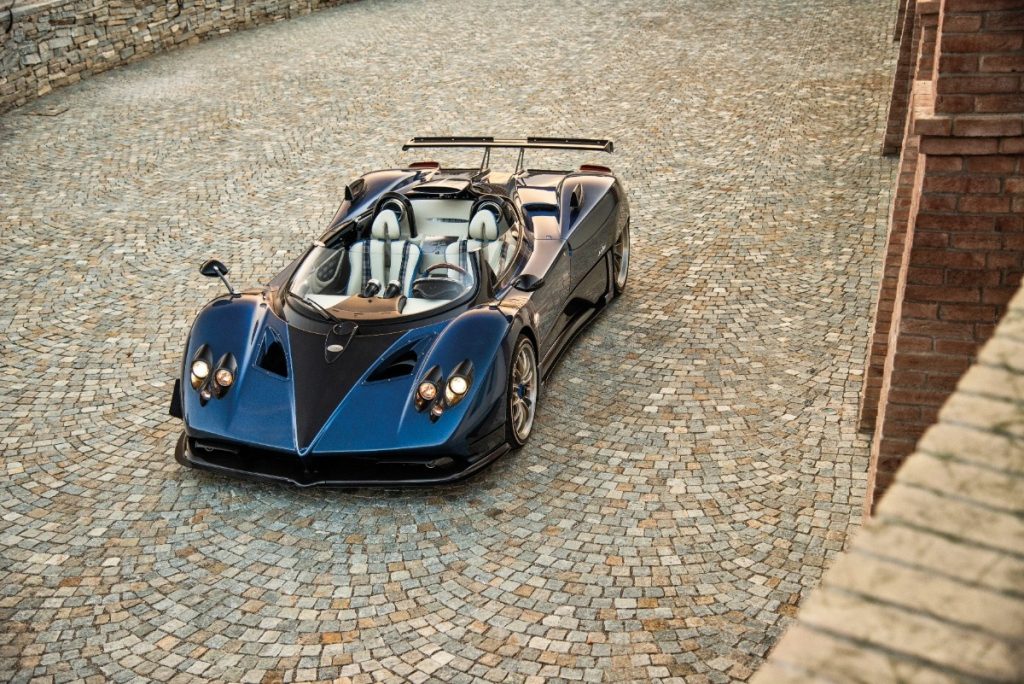
There is also a misconception that hypercars are perfect. They are not. They are expensive to maintain, difficult to insure, and often require specialist servicing. Tires can cost as much as a small family car. Battery systems and complex hybrid components add even more technical responsibility. They are also not always the fastest cars on every road. In normal city driving, much of that performance is irrelevant. A hypercar does not make traffic disappear. It also does not make bad driving skill disappear. Owning one does not replace experience, discipline, or respect for speed.
The Reality
A hypercar is not built for convenience. It is built to show what happens when engineers are asked to stop compromising. It represents the outer edge of what a road car can be. Extreme speed is only part of the story. The real fascination lies in the precision, the hidden technology, and the fact that something this advanced can still carry number plates.