Vision BMW ALPINA: The Return of Speed, Comfort And Sophistication
The Vision BMW ALPINA is not trying to be louder than the room, it simply expects the room to notice, at Villa d’Este 2026, BMW introduces a future where comfort is still the fastest way to travel
Most modern performance cars are like gym instructors on espresso—loud, aggressive, and constantly desperate to remind you how serious they are. ALPINA was never that. ALPINA was the gentleman in the corner wearing cashmere, quietly doing 250 km/h while everyone else was still adjusting their sport mode settings.
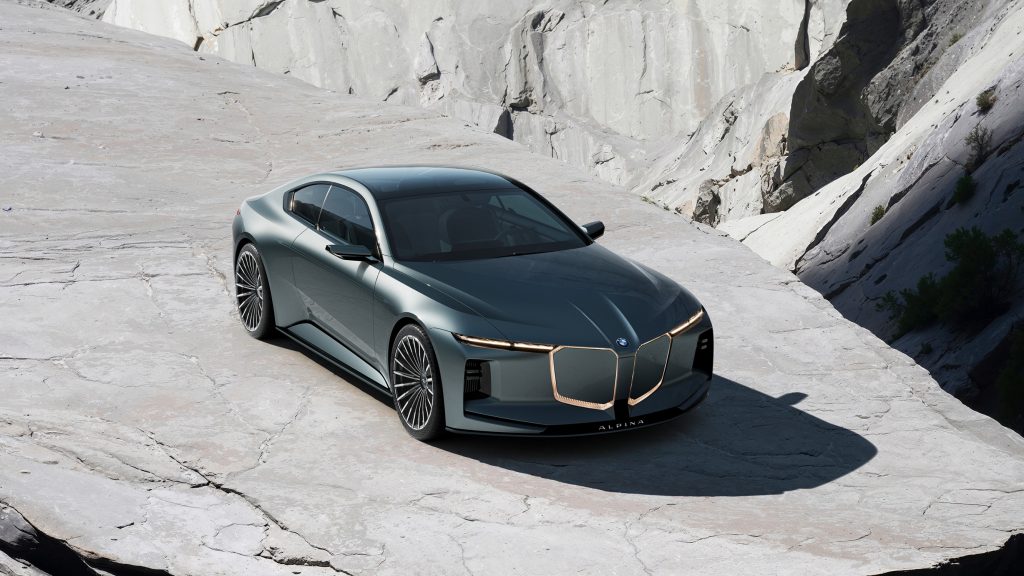
And now, at the 2026 Concorso d’Eleganza Villa d’Este, BMW has unveiled the Vision BMW ALPINA, a design study that signals the next chapter of one of motoring’s most respected names. This is not simply another luxury concept car. It is BMW saying that somewhere between the aggression of M cars and the theatre of Rolls-Royce, there is still room for elegance with speed. At 5,200 mm long, low, wide, and confidently restrained, the Vision BMW ALPINA is designed around the same philosophy that made the original brand special: speed and comfort are not rivals, they are partners.
Design and Form: The Shape of Speed
The proportions tell you everything. A long, raked coupé roofline, broad shoulders, and enough presence to make most SUVs feel like appliances. It carries four adults in genuine comfort, but visually it behaves like a grand touring missile.
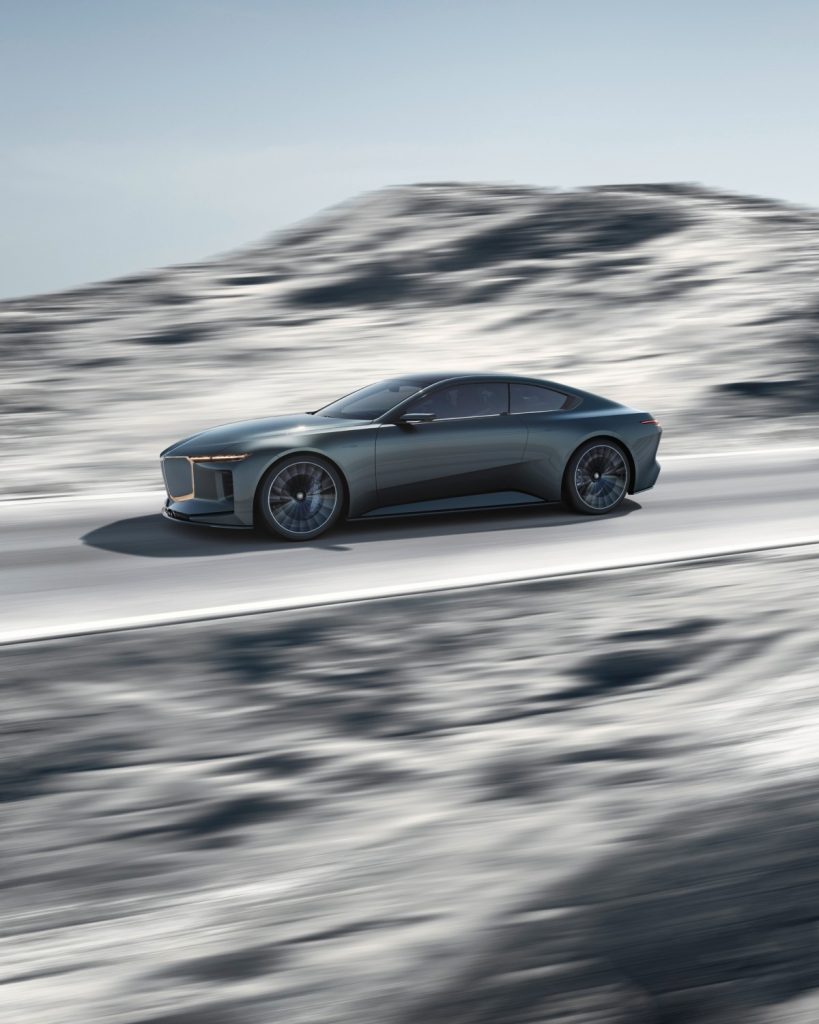
The front end is dominated by a powerful shark nose, reinterpreting BMW’s kidney grille as a three-dimensional sculpture rather than an oversized shout for attention. It leans forward with purpose, not arrogance. From there, the entire body is organized around what BMW calls the “speed feature line,” a single visual axis rising from the lower front corners at a six-degree angle, running cleanly across the side and wrapping around the rear. It suggests motion even when parked, which is exactly what an ALPINA should do. Underneath sits a V8 powertrain, tuned to deliver the unmistakable ALPINA exhaust note—deep and rich at low speeds, then opening into something far more sonorous when pushed harder.
Second Read Sophistication
The clever thing about ALPINA has always been that it never screams. It whispers expensive things. This philosophy appears everywhere in the Vision BMW ALPINA through what designers call “Second Read” sophistication. You notice it properly only after looking twice. The deco-lines, a signature of ALPINA since 1974, return here in a modernized form, painted beneath the clear coat rather than sitting loudly on top. The inward-facing return surfaces are finished in dark metallic tones inspired by the classic BMW 507, rewarding close attention.
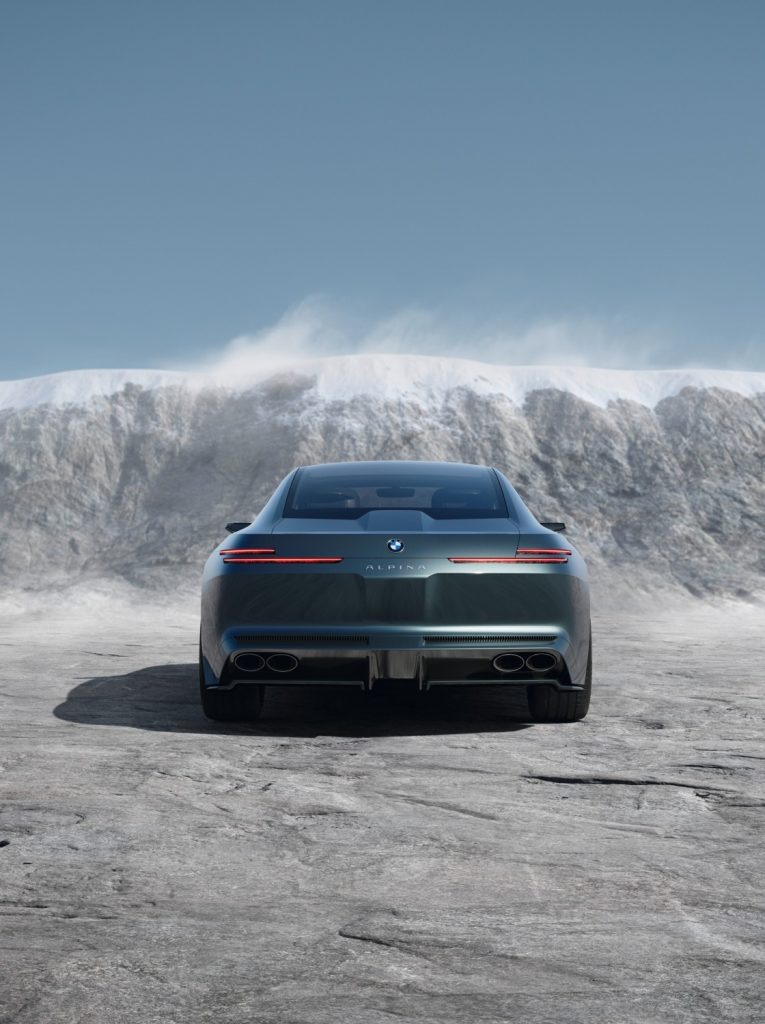
Even the shark nose hides details: softly backlit perimeter lighting reveals a subtle deco-line graphic only when active. The daytime running lights use a warm white tone inspired by the first morning light over the Bavarian Alps, while slender lamps feature precise illuminated crystals. At the rear, the classic elliptical four-pipe exhaust remains, alongside machined ALPINA lettering and 22-inch front plus 23-inch rear wheels using the iconic 20-spoke design that has been part of ALPINA’s identity since 1971.
Interior: Architectural Luxury
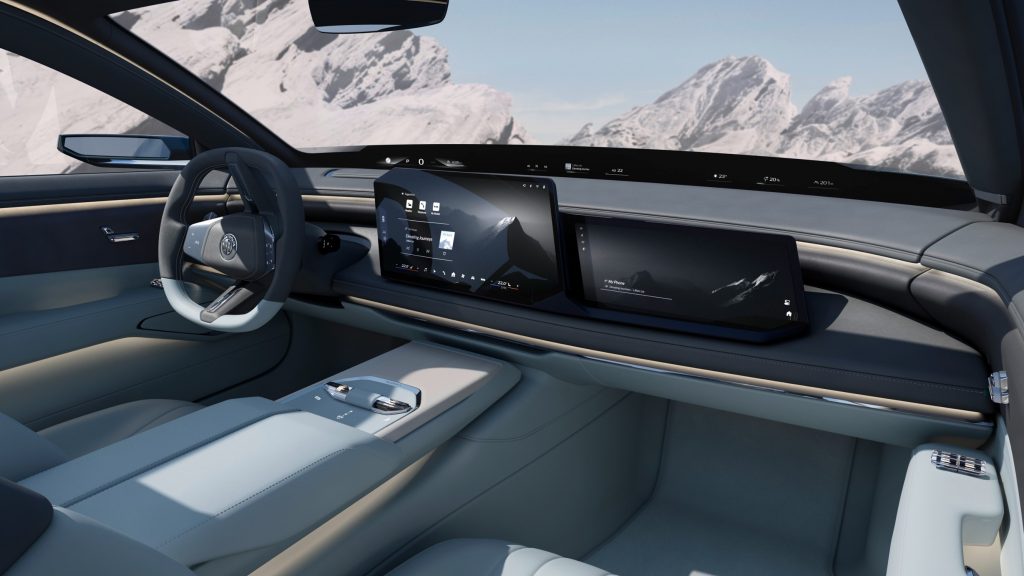
Inside, the cabin feels less like a cockpit and more like modern architecture. The six-degree speed feature line continues through the interior, dividing the darker upper section from the lighter lower section. Full-grain leather sourced from across the Alpine region is paired with stitching inspired by the exterior deco-lines.
The craftsmanship is subtle rather than theatrical. Bridge stitching references historic steering wheel hand-stitching in heritage blue and green tones. Metal components use watchmaking-inspired beveling, mixing satin and polished finishes. Crystal controls are reserved only for the functions that matter most to driving. And then there is the wonderfully unnecessary detail that makes ALPINA feel special: behind the rear console, a glass water bottle sits beside crystal glasses that rise on a self-deploying mechanism. Each glass is engraved with 20 deco-lines and held in place by concealed magnets. This is not transport. This is ritual.
Also Read: Brabus Launches New Bodo Hypercar With Extreme Performance and Luxury Features
A Comfortable Driver Is a Faster Driver
Burkard Bovensiepen understood something most performance brands still don’t: if the driver is comfortable, the driver is faster. That idea remains central here. ALPINA retains Comfort+, a driving mode beyond standard BMW comfort calibration, offering a softer, more refined character for real-world long-distance driving. BMW Panoramic iDrive spans the dashboard, including the new passenger screen, but its interface has been specifically tailored for ALPINA. Heritage blue and green tones intensify as the driver moves from Comfort+ to Speed mode through the head-up display.
Even the digital Alpine landscape shown in the system is accurate—it reflects the real mountain range visible when looking south from Buchloe, where the ALPINA story began in 1965. That matters, because this car is not trying to invent heritage. It is trying to continue it. And frankly, in a world obsessed with louder, harder, faster—there is something wonderfully rebellious about a machine that still believes sophistication is the ultimate performance upgrade.