Who Is Asha Sharma? The Xbox Executive Joining The Federal Reserve’s New AI Task Force
From scaling some of the world's biggest technology platforms to helping shape artificial intelligence policy, Asha Sharma's appointment to the Federal Reserve's AI task force marks the arrival of a Silicon Valley heavyweight at one of America's most influential institutions
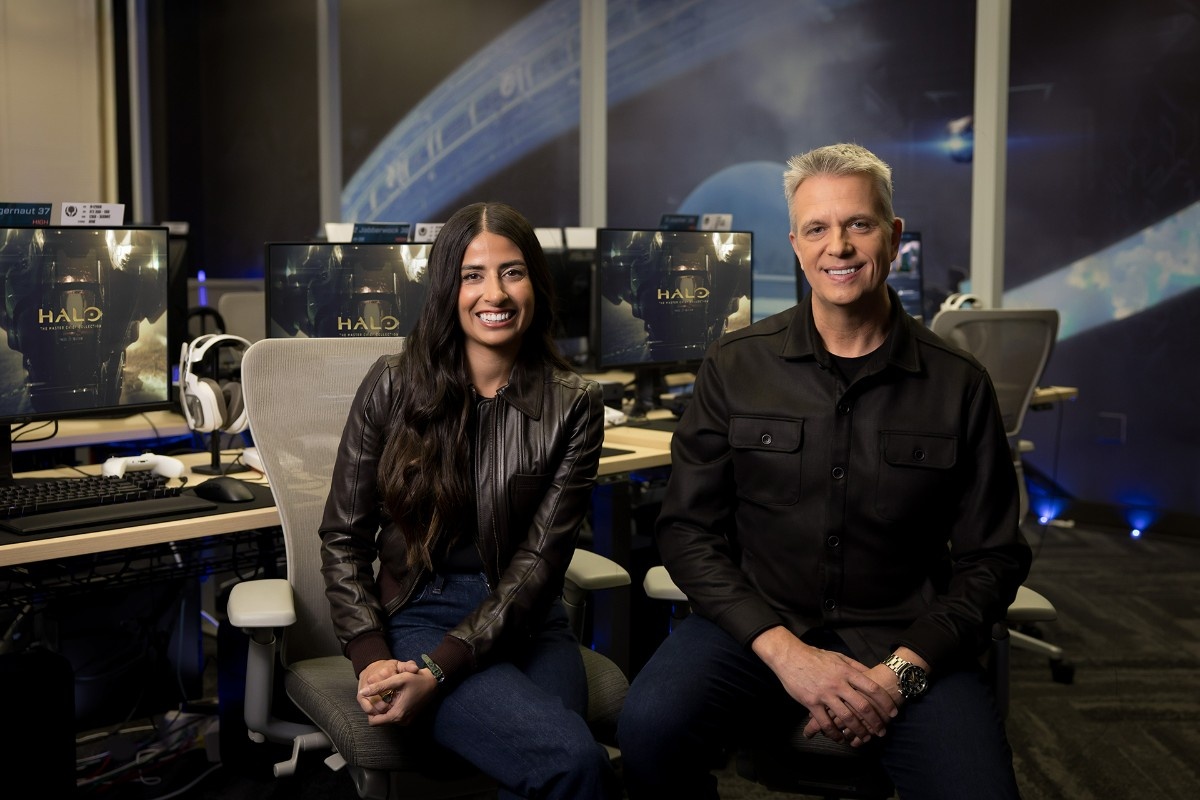
The people quietly shaping the future of artificial intelligence are rarely the ones making headlines. They don’t launch rockets, they don’t dominate social media feeds, and they certainly don’t spend their afternoons arguing on podcasts. Instead, they sit in conference rooms deciding how technology should evolve before the rest of us even realise it’s changing. Asha Sharma belongs firmly in that category. Best known today as Corporate Vice President leading Xbox’s AI Platform, she has spent years building products at the intersection of cloud computing, consumer technology and artificial intelligence. Now, with her appointment to the Federal Reserve’s newly formed AI task force, her influence stretches far beyond gaming. It is a reminder that the future of AI will not simply be written by engineers, but by leaders capable of balancing innovation with responsibility.

From Silicon Valley To Xbox’s AI Future
Before taking charge of AI initiatives at Xbox, Asha Sharma built an impressive career across some of technology’s biggest names. She held leadership roles at Microsoft, Instacart and Facebook, working across cloud services, artificial intelligence, commerce and developer ecosystems. Her expertise has consistently revolved around turning complex technologies into products that millions of people can actually use.
At Microsoft, she now leads the Xbox AI Platform, overseeing how artificial intelligence is integrated across gaming experiences, developer tools and future platform innovations. Rather than treating AI as a novelty, her work focuses on making it a practical layer beneath gaming, improving everything from content creation to player engagement.
Also Read: Why Prototype Cars Wear Camouflage Before They’re Revealed
Why The Federal Reserve Wants Technology Leaders
Artificial intelligence is rapidly becoming one of the defining technologies of modern finance. Banks increasingly rely on machine learning for fraud detection, cybersecurity, market surveillance, customer service and risk management. That makes AI expertise valuable not just inside technology companies, but within financial institutions responsible for maintaining economic stability.
The Federal Reserve’s AI task force has been created to examine how artificial intelligence can be deployed responsibly while understanding its broader implications for regulation, financial infrastructure and operational resilience. Bringing experienced industry leaders into these discussions allows policymakers to benefit from real-world expertise rather than theoretical assumptions.
A Career Built Around Emerging Technologies
One reason Sharma stands out is her consistent ability to arrive early at technological turning points. Throughout her career she has worked across cloud infrastructure, digital commerce, developer platforms, artificial intelligence and gaming, industries that have each transformed how people interact with technology.
Rather than specialising in a single niche, she has developed a reputation for connecting engineering, product strategy and business execution. That combination makes her particularly valuable as organisations attempt to understand AI not simply as software, but as an ecosystem capable of reshaping entire industries.
What Her Appointment Signals
Sharma’s appointment reflects a broader shift in how governments and public institutions approach emerging technologies. Artificial intelligence is no longer viewed solely as the domain of Silicon Valley startups or research laboratories. It has become a strategic issue affecting finance, national infrastructure, cybersecurity and economic competitiveness. By drawing executives with hands-on AI experience into policy discussions, institutions like the Federal Reserve acknowledge that governing intelligent systems requires practical expertise alongside traditional economic and regulatory knowledge.
Also Read: How Carbon Fibre Became The Material That Changed Supercars
The Bigger Picture
For years, gaming has quietly served as one of technology’s biggest testing grounds. Graphics processors became AI accelerators. Cloud gaming accelerated distributed computing. Game engines evolved into industrial simulation platforms. Now, executives who helped build these ecosystems are influencing conversations at the highest levels of public policy.
Asha Sharma’s move onto the Federal Reserve’s AI task force is therefore about far more than one executive joining another committee. It reflects how artificial intelligence has become inseparable from every major sector of society. The next chapter of AI will not simply be written inside technology companies. Increasingly, it will be shaped in the meeting rooms of governments, financial institutions and regulators, where leaders like Sharma are helping determine how this transformative technology should serve the wider world.