XPeng AeroHT Targets 2027 for Flying Car Launch: What It Means for Urban Transport
The flying car is no longer science fiction but a production schedule with wheels, rotors, and a rather ambitious price tag, as XPeng AeroHT’s Land Aircraft Carrier combines a six wheel electric vehicle with a detachable two seater eVTOL aircraft into one remarkably bold vision of urban transport
For decades, the flying car has lived in the same place as jetpacks, moon holidays, and the promise that meetings would one day be replaced by sensible emails. It was always the thing of tomorrow. Glorious, futuristic, and conveniently far enough away that nobody had to explain how it would actually work. Well, tomorrow appears to have arrived wearing a Chinese number plate.
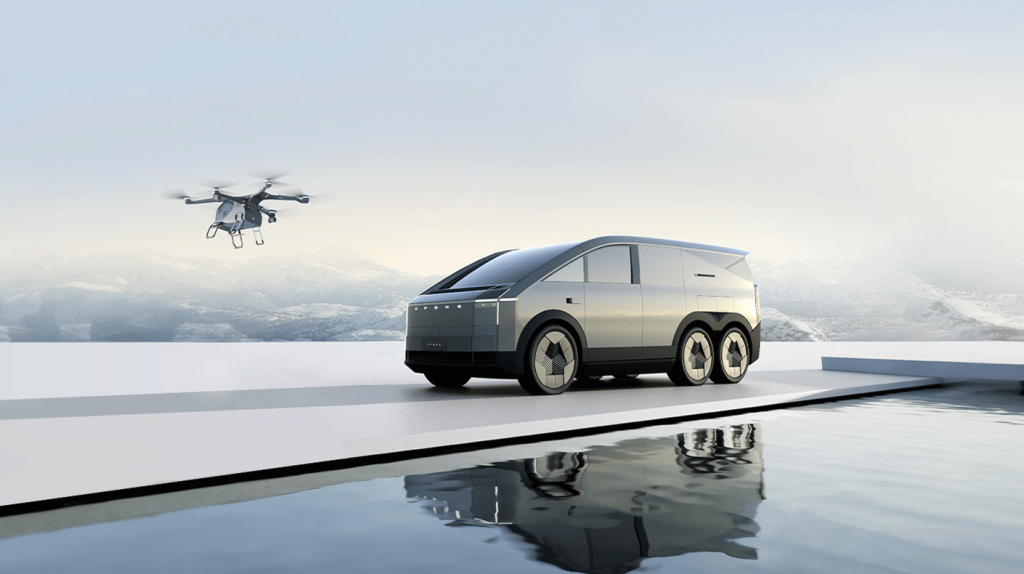
XPeng, the electric vehicle company better known for making sensible cars for the modern age, has decided that sensible is no longer enough. It now plans to mass produce its modular flying car by 2027, and frankly, the name alone deserves applause. It is called the Land Aircraft Carrier, which sounds less like transport and more like something a Bond villain would park outside Monaco. And it is gloriously ridiculous.
Also Read: Unknown Facts About Hypercars: Extreme Performance, Hidden Tech And Daily Driving Reality
The concept is simple in the same way building a cathedral is simple. At its core sits a six wheel electric mothership, a large road going vehicle designed not merely to drive people around but to carry a detachable two seater eVTOL aircraft. That is electric vertical take off and landing, for those who prefer their abbreviations terrifying. In essence, it is a car carrying a personal aircraft on its back, like some futuristic mechanical camel. Drive to the edge of the city, unload the aircraft, climb in, and fly over the traffic that has ruined countless lives and marriages.
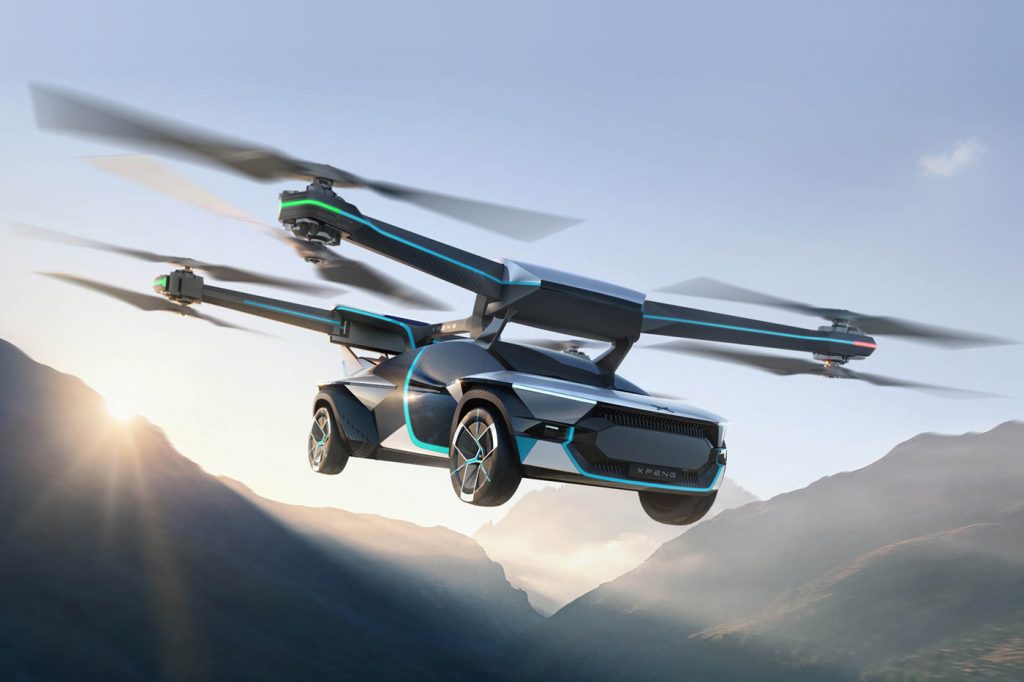
It sounds absurd because it is. And yet, somehow, it works. The detachable aircraft offers around 30 minutes of flight time, which does not sound like much until one remembers that most urban commutes feel like emotional warfare conducted at 12 kilometres per hour. Thirty minutes in the air could save hours on the road, not to mention preserving one’s faith in humanity.
XPeng says thousands of pre orders have already been placed, proving once again that if something looks expensive enough and futuristic enough, people will queue for it before asking perfectly reasonable questions like where exactly it is supposed to land.
The expected price sits somewhere between $200,000 and $300,000, which places it firmly in the category of “interesting but perhaps after the lottery win.” This is not mass market mobility. This is premium early adopter territory, where innovation arrives first for people with private garages larger than most city apartments.
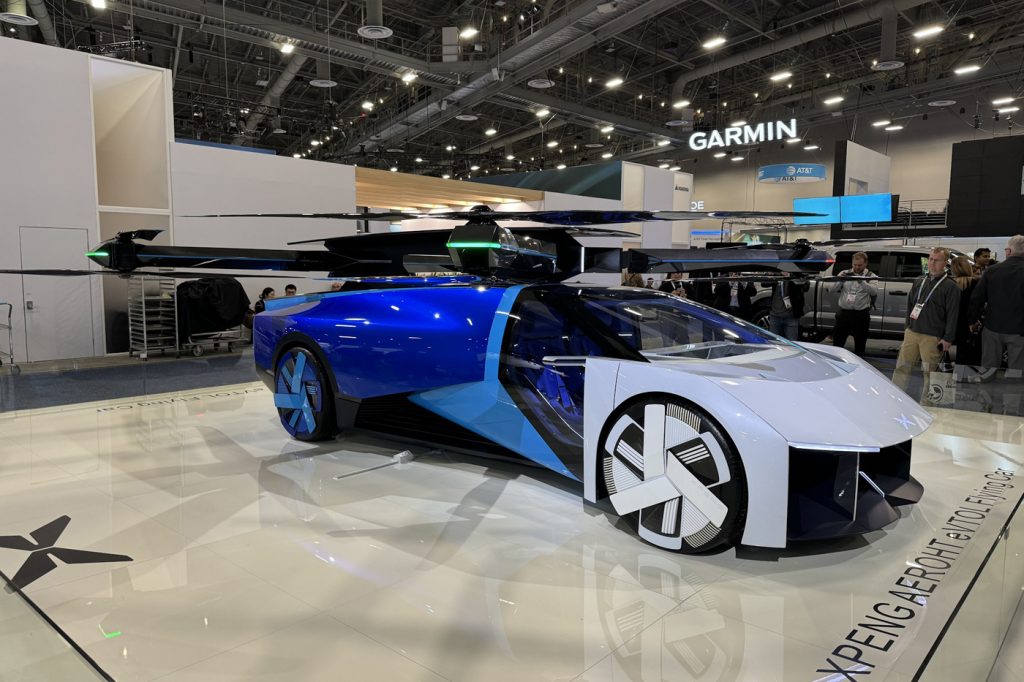
Still, that price is almost reasonable when one considers what is being bought. This is not just a luxury EV. It is a six wheel mobile hangar with wings. XPeng is already testing prototypes, and factories are being developed with the sort of urgency usually reserved for smartphone launches and international football transfers. Production capacity is expected to scale globally, because naturally once one country starts building flying cars, everyone else begins nervously checking their own parking regulations.
But before everyone starts requesting rooftop helipads and arguing about air traffic in the suburbs, there are some rather stubborn obstacles standing in the way. First, aviation regulations. Cars are annoying enough because they require licences, insurance, and the occasional humiliating trip to the emissions test centre. Aircraft are worse. Governments tend to become quite serious when people start proposing that commuters should fly over schools in personal rotorcraft. Safety standards, airspace permissions, pilot licensing, and urban flight management are not details that can be solved with a glossy launch video and an optimistic press release.
Then there is the issue of range. Thirty minutes is impressive for what is essentially a personal eVTOL, but it is hardly enough for cross country adventures or escaping family weddings in another state. This is urban mobility, not private aviation replacing commercial airlines. It is a machine for strategic escape, not grand touring. And then, of course, cost. Even at the lower end of the estimate, this is still a machine for the wealthy, not the working commuter staring angrily at a delayed metro train. Like the first electric supercars, it begins as a symbol before it becomes a solution.
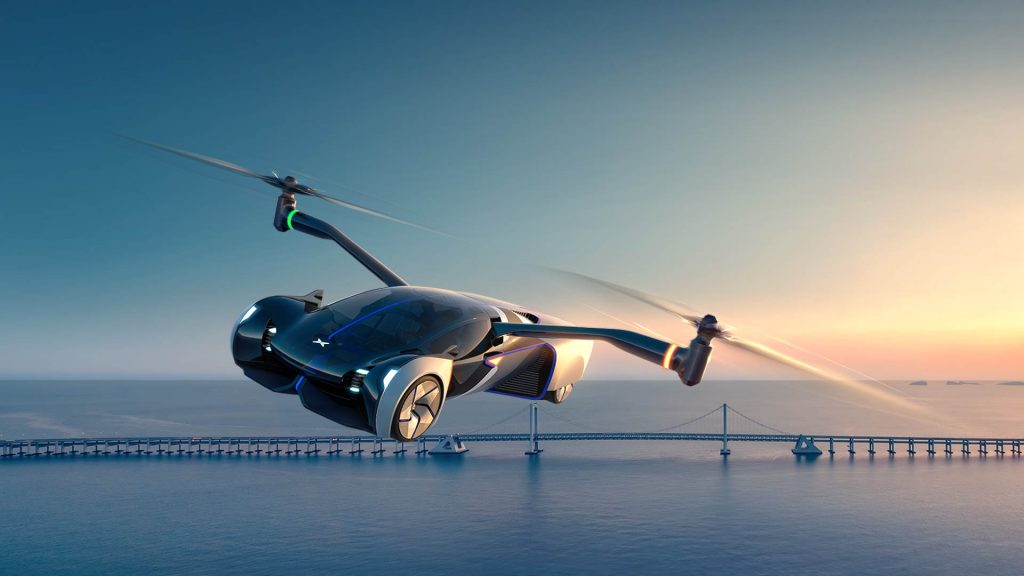
But perhaps that is how every revolution starts. The first motorcars were absurd toys for rich eccentrics who frightened horses. The first smartphones looked unnecessary. The first electric cars were mocked by people who are now quietly charging them in their garages. Innovation rarely arrives looking sensible. The XPeng AeroHT Land Aircraft Carrier may not be the answer to everyday commuting just yet, but it does something more important. It shifts the question from “will flying cars happen?” to “how soon can regulations catch up?”
That is a significant difference. Urban transport is changing. Roads are overcrowded, cities are expanding, and the old model of adding more lanes to solve congestion has proven about as effective as solving rain by buying more umbrellas. The sky, inconveniently empty for most commuters, starts to look rather attractive.
And that is where XPeng has made its move. Not with fantasy, but with prototypes. Not with science fiction, but with production targets. The flying car is no longer a concept sketched in a designer’s notebook. It is now a machine with pre orders, factory plans, and a launch date. Which means the future of transport may not arrive quietly. It may arrive with six wheels, folding rotors, and the deeply satisfying ability to fly straight over traffic.