Pave Diamond Setting in Watches: Meaning, Craftsmanship And Value
A complete guide to pavé jewellery, what the pavé setting is, how it is crafted, and why this diamond technique defines modern luxury design
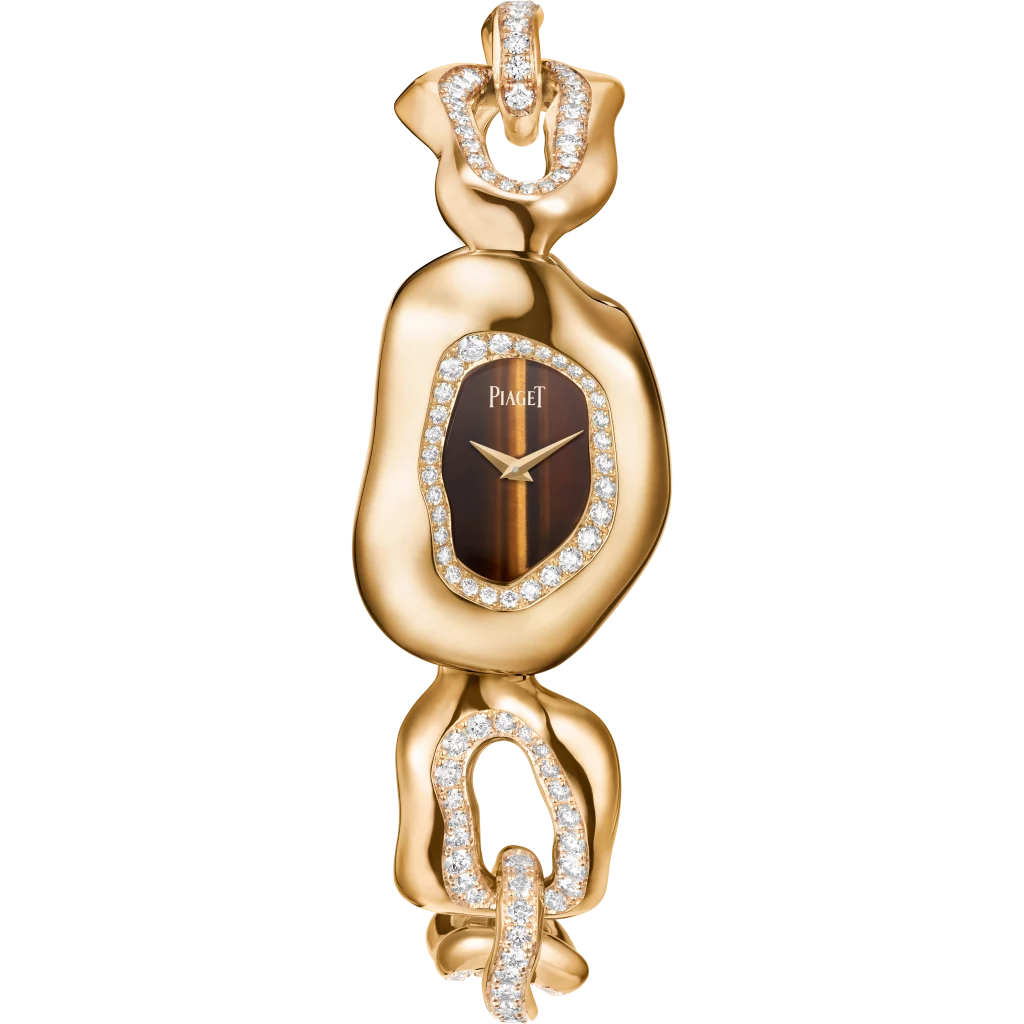
The term pavé comes from the French word for “paved,” a fitting description for a surface that appears to be entirely paved with gemstones. In pavé jewellery, small diamonds are set closely together so that minimal metal is visible, creating the illusion of a solid diamond surface. Each stone is individually secured using tiny beads or prongs carved from the metal itself, allowing the gems to sit low and tightly packed. The goal is uninterrupted sparkle, where the eye sees light rather than structure.
How Pavé Jewellery Is Made
Creating pavé jewellery is a painstaking process that demands exceptional skill. A metal surface is first drilled with microscopic holes, each positioned with extreme precision. Diamonds—usually of identical size and cut—are then placed one by one into these cavities. Using specialised tools, the jeweller raises tiny beads of metal to hold each stone securely in place. The process is slow, meticulous, and unforgiving; even a fraction of a millimetre out of alignment can disrupt the visual harmony of the entire piece.
Also Read: What Are Brilliant-cut diamonds? A Guide To The Cut And How They’re Used In Luxury Watches
Types Of Pavé Settings Explained
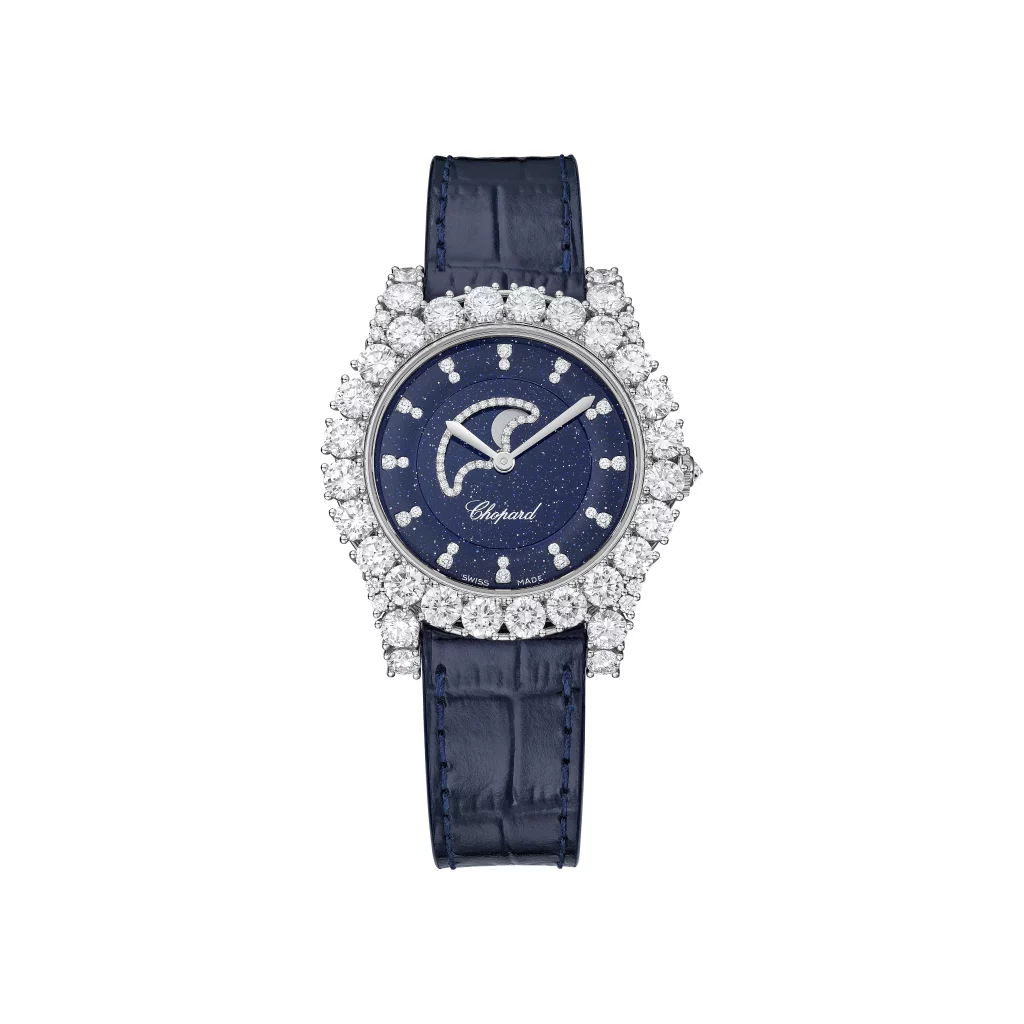
There are several variations of pavé, each offering a slightly different visual effect. Micro-pavé uses extremely small diamonds for a finer, more delicate shimmer, often seen in high jewellery and luxury watches. French pavé features V-shaped cuts beneath each stone, allowing more light to enter and increasing brilliance. Bright-cut pavé uses engraved lines around the stones to frame and highlight each diamond. While the technique may vary, the principle remains the same: maximum sparkle with minimal metal presence.
Why Pavé Is So Popular in Luxury Jewellery
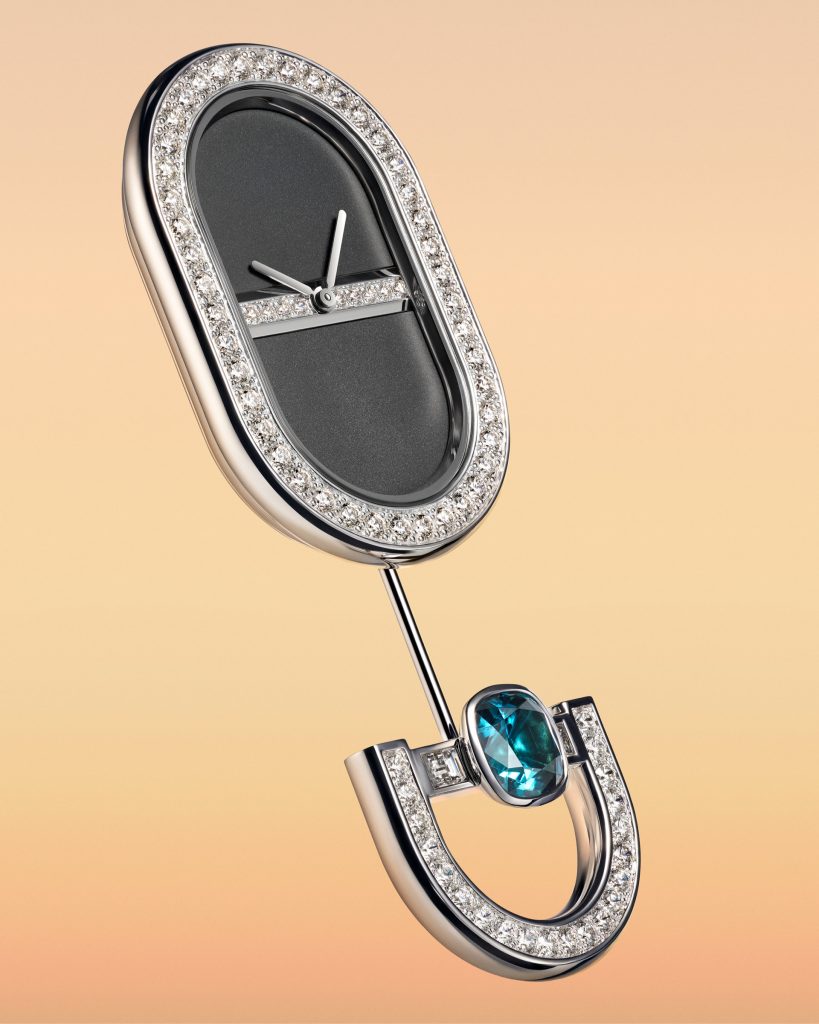
Pavé’s appeal lies in its ability to amplify brilliance without relying on large stones. It creates visual opulence while maintaining elegance and wearability. For designers, pavé offers versatility—it can enhance rings, bracelets, earrings, and watch cases without overwhelming the form. For wearers, it delivers the look of high-carat luxury with a refined, cohesive finish. Pavé has become a hallmark of modern luxury because it balances extravagance with restraint.
Also Read: How Rainbow Diamonds Became The Most Dazzling Trend In Luxury Watchmaking
The Challenges Behind Pavé Craftsmanship
Despite its dazzling appearance, pavé is one of the most technically challenging jewellery techniques. Each stone must be perfectly matched in size, colour, and cut, and the metalwork must be precise enough to hold them securely without overpowering the design. Over time, wear and impact can loosen stones if the setting isn’t executed flawlessly. This is why high-quality pavé work is often reserved for experienced master setters and premium jewellery houses.
Pavé in Modern Jewellery & Watchmaking
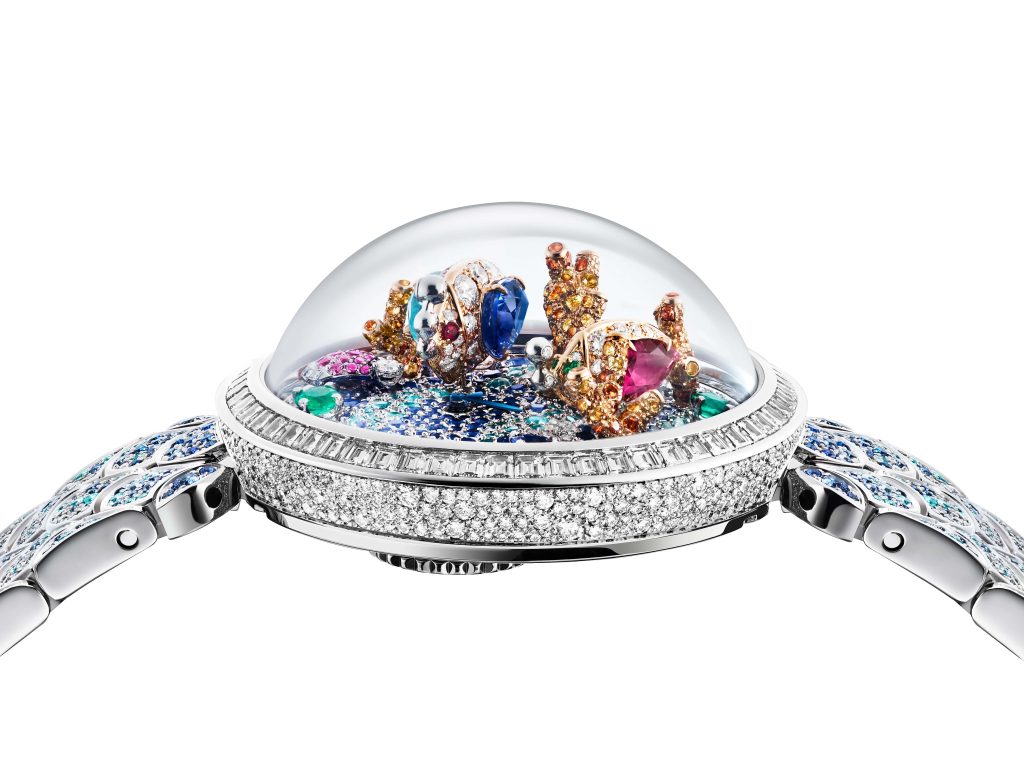
Today, pavé is a defining element in both high jewellery and luxury watchmaking. From fully gem-set dials and bezels to subtle accents on lugs and crowns, pavé adds texture, depth, and light. In watches, it requires additional engineering to maintain durability while preserving elegance. As consumers continue to seek refined sparkle rather than overt flashiness, pavé remains one of the most enduring and desirable techniques in the world of fine design.