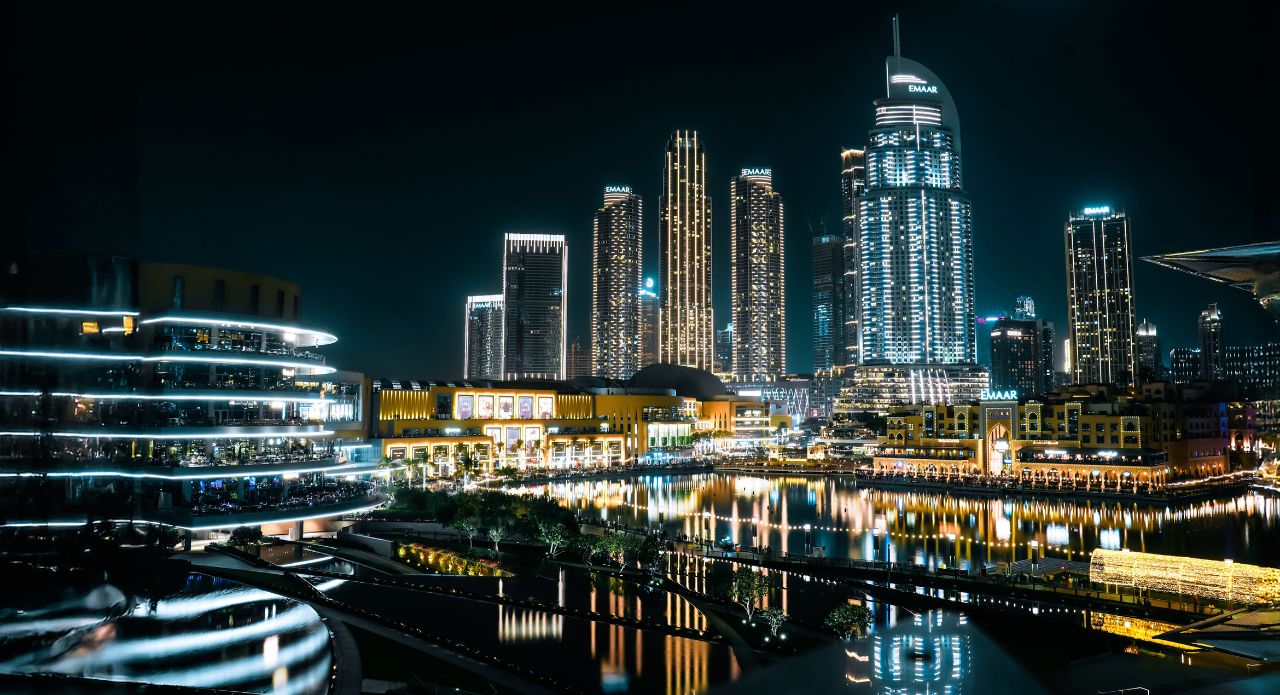


Dubai’s luxury real estate market has steadily transformed from being a destination for wealthy investors into one of the world’s most sought-after lifestyle and investment hubs. The foundations of this transformation were laid decades ago, beginning with the establishment of the Dubai Tourism Promotion Board in 1995, followed by the opening of the Burj Al Arab in 1999, which cemented the emirate’s position as a luxury travel destination. The 2000s witnessed landmark developments such as Palm Jumeirah and Dubai Mall, while the inauguration of the Burj Khalifa in 2010 further established Dubai as a global architectural and lifestyle icon.
Today, that evolution extends well beyond tourism. For Indian buyers in particular, the emirate offers a combination of high rental yields, tax efficiency, modern infrastructure, global connectivity and a family-friendly environment that continues to enhance its appeal. The momentum is reflected in the latest figures, with Dubai recording a new luxury home sales record during the first half of 2026. A total of 296 residential properties priced above $10mn changed hands, generating $5.1bn in transaction value.
Also Read: Most Expensive Penthouses In Dubai: Inside The City’s Luxury Homes
The relationship between Indian investors and Dubai’s property market has also grown considerably over the past decade. While earlier investments were largely driven by affordability and second-home ownership, buyers are now increasingly seeking branded residences, wellness-oriented communities and long-term capital appreciation. Developers have responded by creating integrated neighbourhoods where luxury is defined not merely by premium finishes but by the quality of life they offer.
Dubai’s Luxury Investment Appeal
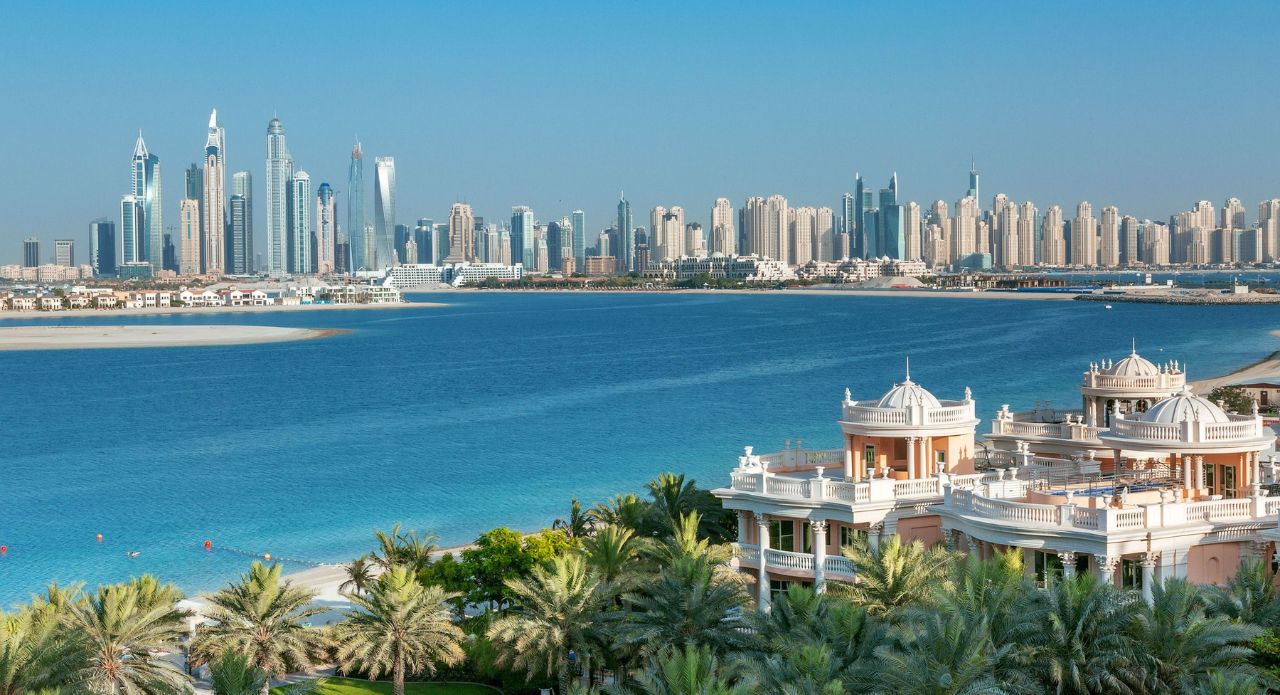
The relationship between Indian investors and Dubai’s property market has grown considerably over the past decade. While earlier investments were largely driven by affordability and second-home ownership, buyers are now increasingly seeking branded residences, wellness-oriented communities and long-term capital appreciation. Developers have responded by creating integrated neighbourhoods where luxury is defined not merely by premium finishes but by the quality of life they offer.
These evolving preferences were at the centre of discussions during the International Property Expo 2026, organised by NKN Media on July 4 and 5 at Durbar Hall, Taj Palace Hotel, New Delhi. The event brought together developers, investors and real estate professionals from across the globe, offering Indian buyers an opportunity to engage directly with leading names in Dubai’s property sector. Alongside celebrity appearances, the expo served as a platform to discuss market trends, investment opportunities and the future of luxury living.
What Buyers Value Today
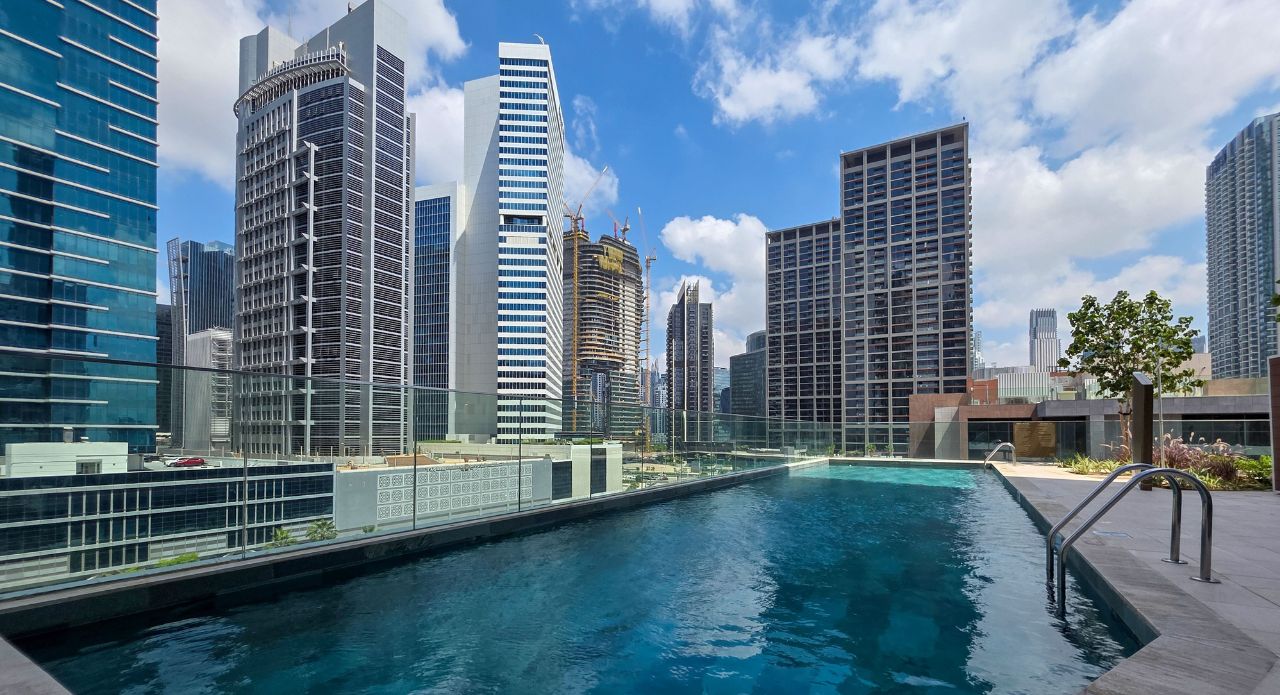
Commenting on how informed decision-making has become the defining characteristic of today’s luxury buyer, Vinay Shah, Founder and Chairman, New Heights Group, said, “First of all, buyers need to choose the right brand but equally important is choosing a knowledgeable broker who understands what they are selling and what the client’s end goal is.”
He shared that many buyers know they want to purchase a property but have not clearly identified whether they are seeking rental income, long-term appreciation or a family residence. Clarifying those goals, he suggested, ultimately leads to better investment decisions.
Shah also noted that sustainability and community-centric planning are no longer optional features in premium developments. Modern projects increasingly dedicate substantial space to green landscapes, water features and shared recreational areas, allowing residents to remain closely connected to nature while enjoying a stronger sense of community. Beyond capital appreciation, he argued that investors should evaluate payment plans, rental potential, construction quality and emerging locations that still have room for future growth rather than focusing solely on already mature neighbourhoods.
A similar emphasis on lifestyle was echoed by Akash Kanjwani, Founder and CEO, Sky View Development, who believes that Dubai has established itself as one of the world’s leading family destinations.
Kanjwani said, “Today’s buyers are looking beyond luxury interiors to communities that offer quality education, parks, entertainment and safe spaces where families can thrive.” The city’s multicultural population, he noted, has made it attractive not only to Indians but also to residents relocating from Europe, the United Kingdom and the United States.
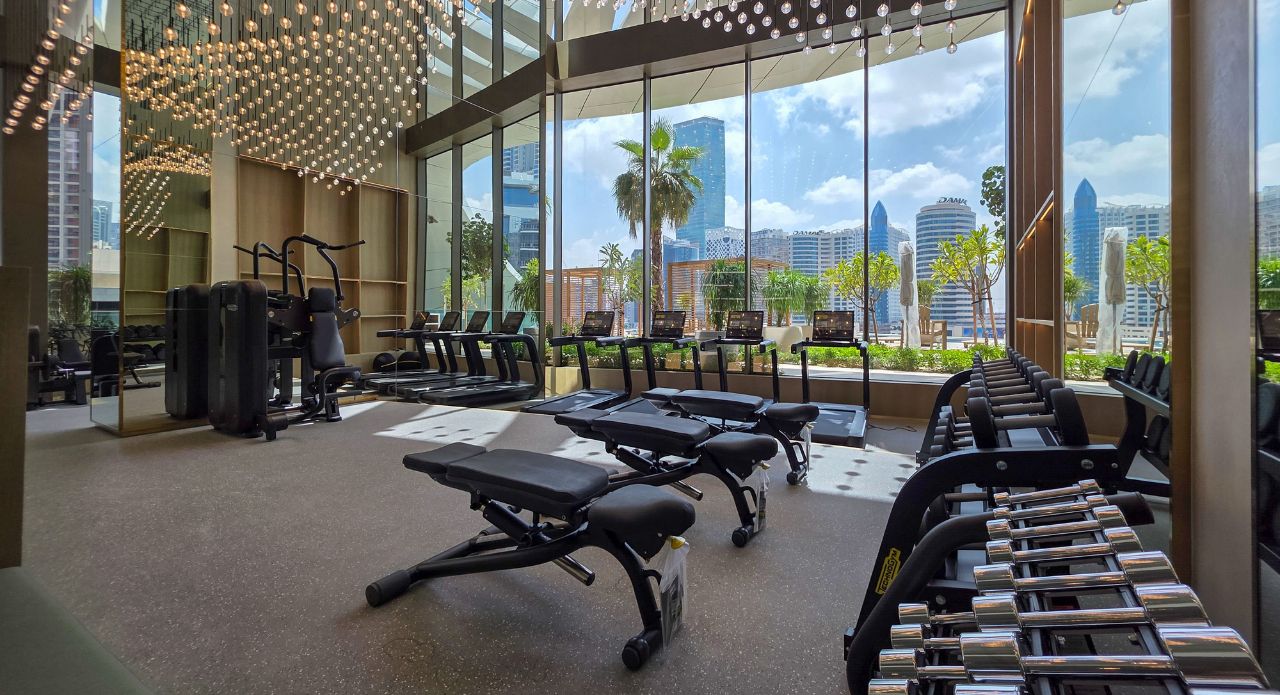
He added that wellness has become a fundamental expectation rather than a premium amenity. Buyers increasingly expect developments to incorporate facilities that promote healthier lifestyles, while community spaces are designed to encourage children to spend more time outdoors and less time on screens. For developers, these integrated experiences have become central to creating successful residential communities.
Navpreet Sidhu Bahia, Founder and CEO, Volga Luxury Properties (for DAMAC), said, “Dubai’s luxury market has grown tremendously over the past decade. While affordable housing still exists, demand for premium developments with waterfront locations, world-class amenities and branded experiences has increased rapidly.”
He noted that buyers are no longer looking only for a home but for a comprehensive lifestyle. Projects such as island developments, he explained, reflect growing demand for premium amenities, waterfront living and integrated communities that offer a luxury experience beyond the residence itself.
Also Read: Beyond Greenwashing: What True Sustainability In Luxury Real Estate Should Look Like
He also pointed to the growing convergence between hospitality and residential real estate. International hotel brands are collaborating with developers to deliver residences that recreate the comfort and service standards of five-star hotels. Wellness facilities, curated amenities and hotel-inspired experiences, he said, have become major differentiators in attracting premium buyers.
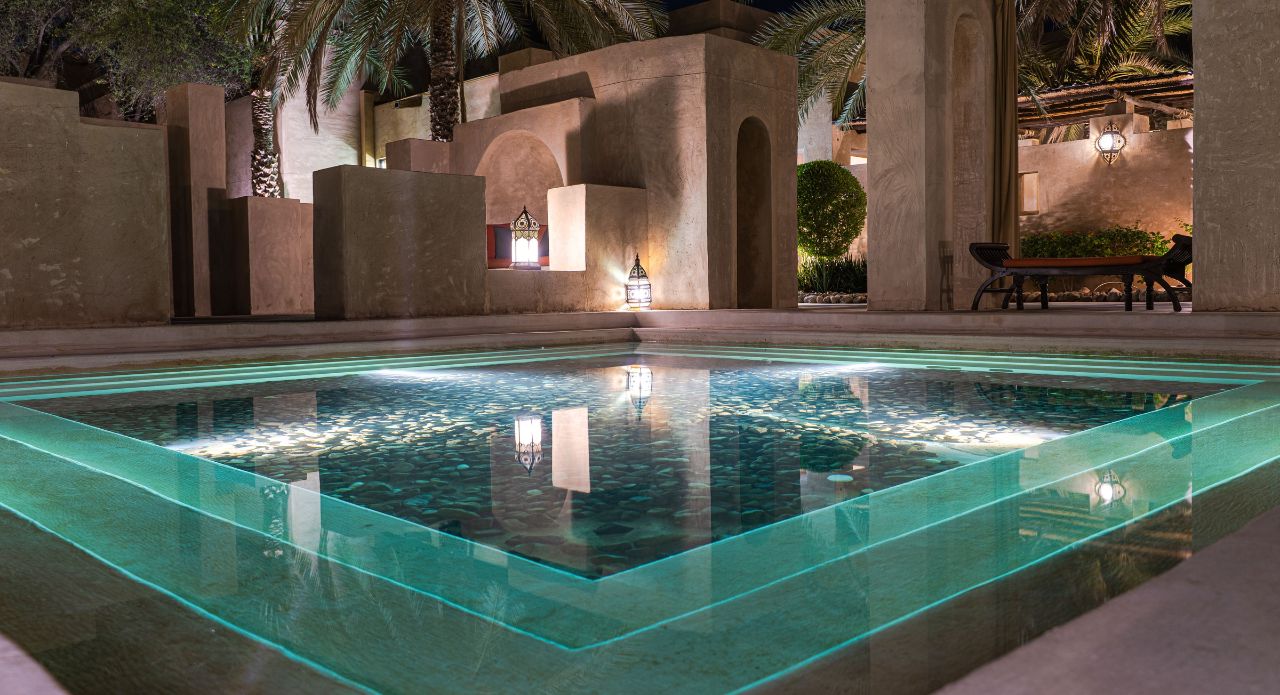
For Indian investors considering Dubai as a long-term destination, Bahia recommended looking beyond conventional apartments towards townhouses in emerging master-planned communities. With relatively limited inventory and growing demand, he believes such properties may offer stronger long-term value, particularly in developing locations backed by established developers.
Offering a bird’s eye-view on the emirate’s competitiveness, Ravi Singh, Head of Channel Relations, BnW Developments, said, “Dubai offers something exceptional. Beyond luxury homes, people are investing because of the safety, lifestyle, tax advantages and the ease of doing business.”
Singh noted that while branded luxury developments continue to attract global attention, Dubai also offers comparatively accessible pricing when measured against many other international cities. Beyond property prices, he said investors increasingly value the city’s safety, efficient governance, favourable tax environment and transparent digital systems. These qualities, coupled with high rental yields and capital appreciation potential, have reinforced Dubai’s position as a preferred destination for international investment.
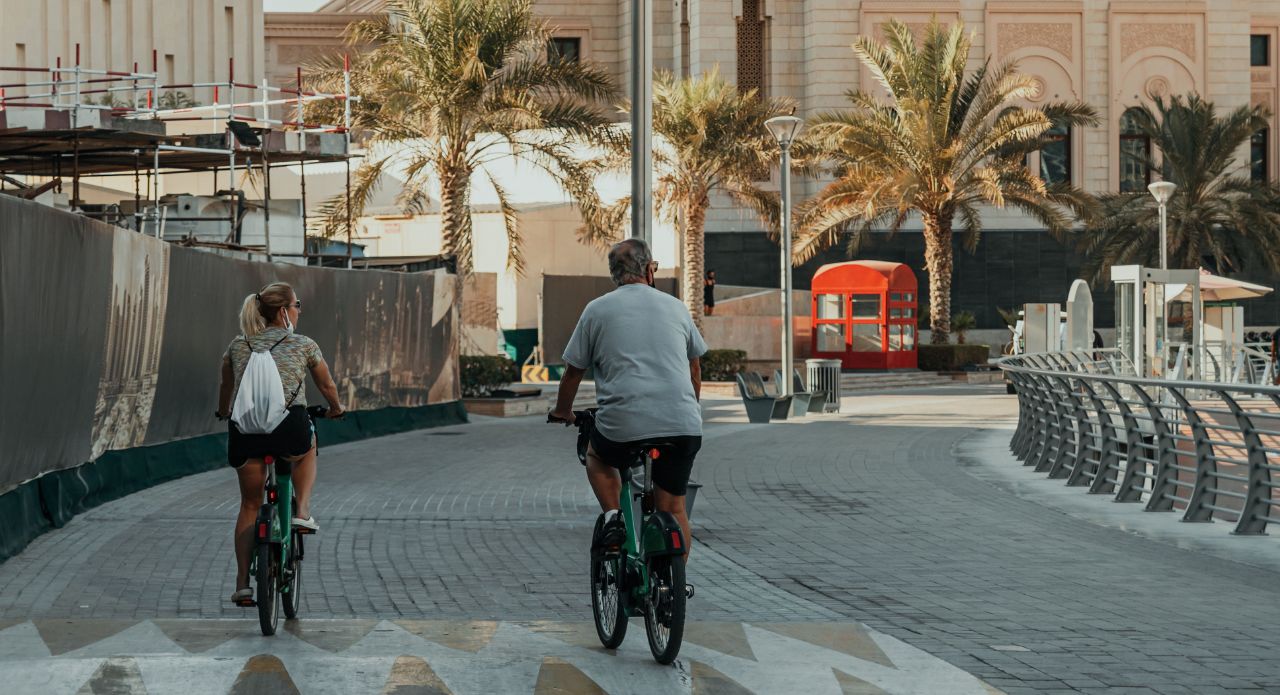
He further argued that luxury itself is becoming more inclusive in Dubai. Even standard residential developments, he said, adhere to quality benchmarks that deliver a premium lifestyle through carefully planned communities, varied landscapes and access to beaches, gardens and urban amenities. According to Singh, these factors collectively explain why many international residents choose to make Dubai their permanent home.
The discussions at the International Property Expo reflected a common industry consensus that luxury real estate is no longer defined solely by prestigious addresses or lavish interiors. For today’s buyers, particularly Indians exploring international investments, it increasingly revolves around lifestyle, wellness, sustainability, long-term financial returns and community living.